Oncología en Israel: las 20 mejores clínicas con opiniones de pacientes

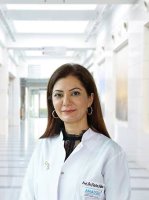
Revisado médicamente por
Yesim Yildirim
¿Cuál es el precio de procedimientos de Oncología en Israel? Descubra ahora
El tratamiento oncológico en Israel suele costar entre $15,200 y $28,300. Los gastos finales dependen de la etapa del cáncer, el protocolo de terapia elegido y si recibe atención en un centro público o privado. Los pacientes a menudo encuentran ahorros del 30-80% en comparación con los Estados Unidos.
Costos típicos de oncología en Israel
- Consulta con un oncólogo: Precio a consultar
- PET/CT: de $1,500
- Inmunoterapia: Precio a consultar
- Trasplante de médula ósea: Precio a consultar
- Quimioterapia: de $1,200
- Ablación por radiofrecuencia: Precio a consultar
- Histerectomía (extirpación del útero): Precio a consultar
- Terapia con radioyodo: Precio a consultar
- Extirpación de tumor cerebral: de $25,000
- Mastectomía: de $7,700
Los principales centros oncológicos se encuentran en Tel Aviv, Jerusalén, Petah Tikva y Haifa. Si bien los hospitales públicos ofrecen atención especializada, los centros privados en Tel Aviv pueden tener estructuras de precios diferentes para pacientes internacionales. Consulte con un especialista para obtener precios precisos para su diagnóstico específico.
| Israel | España | Turquía | |
|---|---|---|---|
| Resección de tiroides | ≈ $9,500 | de $14,000 | de $3,700 |
| Quimioterapia | de $1,200 | de $2,200 | de $1,800 |
| Nefrectomía laparoscópica | ≈ $17,000 | de $14,000 | de $8,000 |
| Mastectomía | de $7,700 | de $14,500 | de $3,800 |
| Extirpación de tumores cerebrales | de $25,000 | de $21,500 | de $12,000 |
Todas las enfermedades de Oncología
Sus beneficios y garantías con Bookimed
Precios directos
Bookimed no añade cargos extra a los precios de los tratamientos de Oncología. Las tarifas proceden de las listas de precios oficiales de las clínicas. Pagará directamente en la clínica por su tratamiento a su llegada al país.
Sólo clínicas y médicos verificados
Bookimed está comprometido con su seguridad. Solo trabajamos con las clínicas que mantienen altos estándares internacionales en el tratamiento de Oncología y tienen las licencias necesarias para atender a pacientes internacionales en todo el mundo.
Asistencia 24/7 gratuita
Bookimed ofrece asistencia experta gratuita. Un coordinador médico personal le apoya antes, durante y después del tratamiento, resolviendo cualquier problema. Nunca estará solo en su viaje médico de procedimientos de Oncología.

Su coordinador médico personal de Bookimed
- Le apoya en cada etapa
- Ayuda a elegir la clínica y el médico adecuados
- Asegura un acceso rápido y conveniente a la información
Descubra las mejores clínicas de Oncología en Israel: 20 opciones verificadas y Precios









Centro médico Assaf Harofeh (Assaf Harofeh Medical Center)


Soroka Medical Center


Herzliya Medical Center
Los mejores centros médicos de Oncología en Israel
- Centro médico Sourasky, Israel
- Assuta Hospital en Israel, Israel
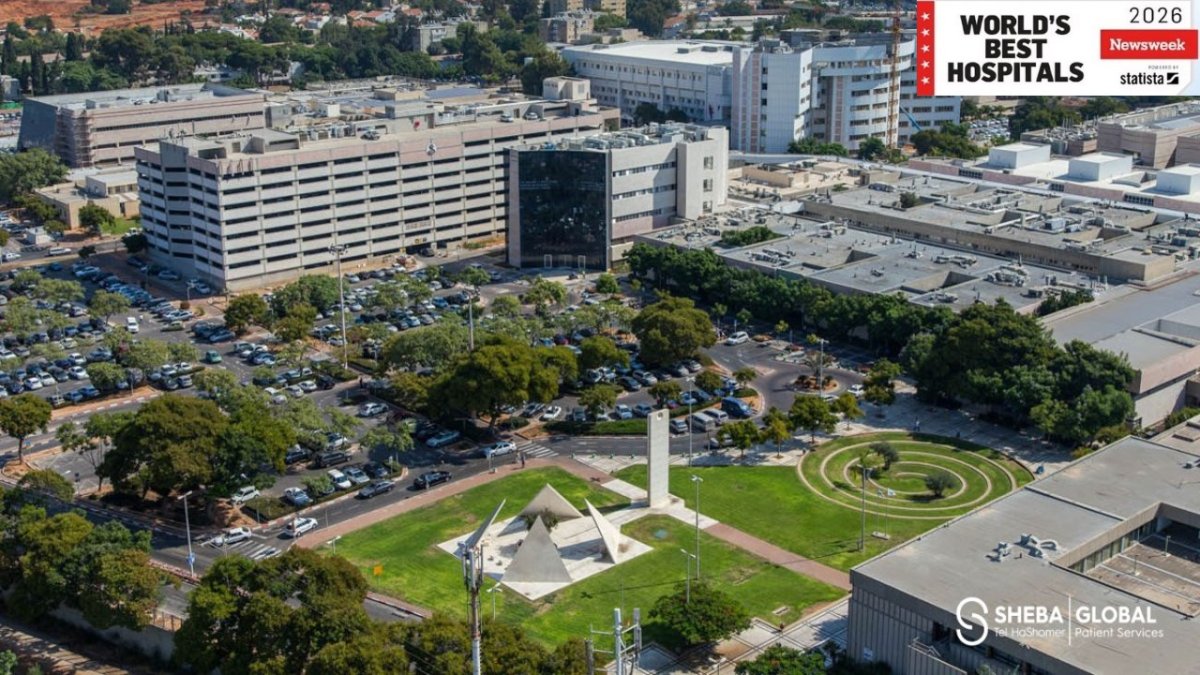
- Centro Médico Sheba, Israel
- Centro Médico Hadassah, Israel
- Rambam Medical Center, Israel
- Centro médico Assaf Harofeh (Assaf Harofeh Medical Center), Israel
- Centro médico infantil Schneider, Israel
- Soroka Medical Center, Israel
- Rabin Medical Center, Israel
- Herzliya Medical Center , Israel
Obtenga una evaluación médica de Oncología en Israel: haga una consulta con 112 médicos experimentados ahora
Ver todos los médicos
Ari Raphael
El Dr. Ari Raphael dirige la Iniciativa Nacional de Medicina Genómica de Israel en el Centro Médico Sourasky, siendo pionero en tratamientos de oncología de precisión.
- Profesor titular con amplia investigación en genómica e informática biomédica
- Investigador principal de múltiples ensayos clínicos en cáncer de pulmón y de mama
- Experto en biopsias líquidas y perfilado genómico integral
- Moderador de la Junta de Tumores Moleculares de la Sociedad Israelí de Cáncer de Pulmón
- Miembro de ESMO e IASLC con formación internacional

David Sarid
Investigador principal de ensayos clínicos en terapias contra el cáncer: el Dr. Sarid ofrece tratamientos de vanguardia en el Centro Médico Sourasky.
- Más de 15 años como oncólogo senior en Sourasky (Ichilov)
- Especializado en quimioterapia, radioterapia y terapias biológicas
- Ha publicado más de 30 artículos sobre el tratamiento del cáncer
- Profesor en la Universidad de Tel Aviv
- Miembro de ESMO y ASCO

Pelles Sharon
La Dra. Pelles Sharon dirige el Instituto de Tumores Gastrointestinales de Israel en el Centro Médico Sourasky, especializándose en cánceres digestivos complejos con tratamientos innovadores como HIPEC.
- Formada en el prestigioso Royal Marsden Cancer Centre de Londres
- Especialista en procedimientos de Whipple y terapias dirigidas al hígado
- Pionera en investigación sobre la participación de pacientes en ensayos clínicos
- Ofrece atención integral desde cirugía hasta inmunoterapia

Ofer Merimsky
El profesor Ofer Merimsky dirige la Unidad de Oncología de Tejidos Blandos y Óseos del Centro Médico Sourasky, el principal especialista en sarcomas de Israel con formación de posgrado en París.
- Más de 25 años de especialización en sarcomas óseos y de tejidos blandos
- Miembro de la facultad de ESMO para protocolos de tratamiento de sarcomas
- Ha publicado extensamente sobre inmunología tumoral y oncología ortopédica
- Expresidente de la Sociedad Israelí de Oncología y Radioterapia
- Desarrolla enfoques innovadores de radiación e inmunoterapia
Historias en video de pacientes de Bookimed
Reseñas
Todas las reseñasArtículos relacionados
Ver más
Costos de la terapia CAR-T
Escrito por Anna Leonova

Guía de costos del tratamiento del melanoma: precios, mejores clínicas, qué esperar
Escrito por Вероника Казина

¿Cuánto cuesta el tratamiento del cáncer de cuello uterino?
Escrito por Вероника Казина
Tratamiento del cáncer en el extranjero: Mejores centros y costes en 2025
Escrito por Mariia Mytrofankina
Tratamiento innovador del cáncer: Radioembolización Florin para metástasis hepáticas
Escrito por Kateryna Zamkovska
Compartir contenido
 Olena Sikoza
Preguntas frecuentes sobre Oncología en Israel
¿Qué opciones de tratamiento contra el cáncer están disponibles para pacientes internacionales en Israel?
Los pacientes internacionales en Israel acceden a tratamientos oncológicos avanzados, incluyendo la terapia con células CAR-T, cirugía robótica Da Vinci y radiocirugía CyberKnife. Centros acreditados por la JCI como el Centro Médico Sourasky (Ichilov) y el Centro Médico Hadassah brindan atención especializada para casos complejos. Estas instalaciones reportan una tasa promedio de éxito del 90% para pacientes oncológicos.
- Precisión quirúrgica: Los cirujanos utilizan el sistema robótico Da Vinci Xi para cánceres de próstata y gastrointestinales.
- Biológicos avanzados: Las clínicas ofrecen terapia con células CAR-T, terapia TIL e inmunoterapia con Keytruda (Pembrolizumab).
- Experiencia en radiación: Las opciones incluyen CyberKnife, terapia SIRT y terapia de protones para tumores cerebrales pediátricos.
- Diagnósticos especializados: Las instalaciones realizan PET-CT, resonancia magnética de cuerpo entero y pruebas genómicas para planes de tratamiento personalizados.
Insight de Expertos de Bookimed: Los centros médicos israelíes a menudo funcionan como centros de investigación donde los pacientes tienen acceso a ensayos clínicos para cánceres raros. Por ejemplo, la Dra. Pelles Sharon en el Centro Médico Sourasky integra la investigación clínica en los tratamientos sistémicos del cáncer digestivo. Esto permite que los pacientes reciban terapias
¿Cómo se garantiza la seguridad durante el tratamiento del cáncer en Israel?
Los oncólogos israelíes aseguran la seguridad a través de la acreditación JCI obligatoria y una tasa de éxito del 90% en oncología en los principales centros. Cada caso se somete a revisiones por un comité multidisciplinario de tumores que involucra a cirugía, radiología y patología. Especialistas como la Dra. Pelles Sharon y el Dr. David Sarid siguen estrictos protocolos de tratamiento internacionales de ESMO y ASCO.
- Comités multidisciplinarios: Equipos de especialistas revisan cada caso antes de comenzar cualquier plan de tratamiento intensivo.
- Estricta supervisión de medicamentos: Los farmacéuticos del hospital realizan verificación obligatoria de dosis y chequeos de interacción de fármacos para todos los protocolos.
- Diagnósticos avanzados: PET/CT de alta resolución y MRI proporcionan un estadiaje preciso para evitar intervenciones quirúrgicas innecesarias.
- Integración en investigación clínica: Los pacientes obtienen acceso temprano a ensayos de Fase II/III para opciones avanzadas de inmunoterapia.
Insight del Experto de Bookimed: Los datos del Centro Médico Sourasky muestran un gran volumen de más de 400,000 pacientes anuales. Esta vasta experiencia clínica permite a los médicos identificar efectos secundarios raros antes que en instalaciones más pequeñas. Su tasa de éxito del 90% está directamente ligada al uso del sistema Da Vinci
¿Cuánto tiempo dura el examen oncológico y la planificación del tratamiento en Israel?
El proceso de evaluación oncológica en Israel generalmente concluye en un plazo de 1 a 4 semanas. Los diagnósticos, que incluyen PET-CT o biopsias, toman de 1 a 7 días. Un comité multidisciplinario de tumores revisa los casos en el transcurso de 1 semana. El tratamiento suele comenzar de 1 a 2 semanas después de que se confirma el plan final.
- Evaluación inicial: Los estudios de diagnóstico y biopsias se completan en un plazo de 1 a 7 días.
- Revisión de expertos: Los comités multidisciplinarios de tumores generalmente proporcionan protocolos de tratamiento en 1 semana.
- Cronograma quirúrgico: Si se requiere cirugía, generalmente se programa en un plazo de 2 a 3 semanas.
- Inicio de la terapia: Las sesiones de quimioterapia o radiación a menudo comienzan de 1 a 2 semanas después de la planificación.
Perspectiva del Experto de Bookimed: Los centros israelíes como el Centro Médico Sourasky priorizan un rápido tiempo de respuesta de diagnóstico para apoyar su tasa de éxito del 90%. Los datos muestran que los centros especializados que realizan más de 34,000 operaciones anuales utilizan laboratorios internos para evitar demoras externas. Esta integración a menudo reduce la ventana de descubrimiento a tratamiento en varios días en comparación con instalaciones más pequeñas.
Consenso de los Pacientes: Los pacientes señalan q
¿Cuánto dura una estancia médica en Israel para un tratamiento oncológico?
Los pacientes suelen permanecer en Israel durante 14 a 28 días para completar diagnósticos oncológicos iniciales y la planificación del tratamiento. Los casos complejos que requieren pruebas genómicas especializadas o cirugías como el procedimiento de Whipple pueden extender este periodo. Muchos centros acreditados por la JCI en Tel Aviv ofrecen telemedicina para el seguimiento a largo plazo.
- Fase de diagnóstico: La PET-CT inicial y las consultas suelen requerir de 3 a 7 días.
- Recuperación quirúrgica: Las estancias hospitalarias para procedimientos mayores varían de 1 a 5 días.
- Estancia en hotel: La mayoría de los paquetes de tratamiento recomiendan de 3 a 7 días en alojamiento cercano.
- Margen para pruebas: Las pruebas genómicas avanzadas o NGS pueden añadir de 5 a 7 días.
Percepción Experta de Bookimed: Los datos del Centro Médico Sourasky muestran un patrón en el que los pacientes ahorran tiempo al elegir centros con laboratorios especializados internos. Esto permite que médicos como la Dra. Pelles Sharon ajusten los planes de tratamiento dentro de las 48 horas posteriores a las pruebas. Elegir clínicas que ofrezcan traslados y traducción integrados también reduce la ventana diagnóstica en al menos 2 días.
Consenso de Pacientes: Los pacientes señalan que es inteligente planificar una estancia de 4 semanas para
¿Qué apoyo ofrecen los centros oncológicos israelíes a los pacientes internacionales?
Los centros de oncología israelíes ofrecen un apoyo integral en idiomas y departamentos internacionales dedicados para asistir a pacientes de todo el mundo. Instituciones como el Centro Médico Sourasky y el Centro Médico Hadassah emplean coordinadores bilingües. Estos especialistas gestionan traducciones médicas, programación de citas y logística. Los servicios de conserjería a menudo incluyen traslados desde el aeropuerto y asistencia con el alojamiento.
- Apoyo lingüístico: Los coordinadores en Sourasky hablan inglés, ruso y español para una comunicación sin inconvenientes.
- Paquetes de conserjería: El Centro Médico Assuta ofrece paquetes VIP que incluyen arreglos de hotel y programación prioritaria.
- Documentación médica: Los departamentos internacionales proporcionan servicios de segunda opinión y planes de tratamiento en inglés.
- Asistencia logística: Hospitales como el Centro Médico Rambam organizan traslados desde el aeropuerto y apoyo para el enlace con la familia.
Perspectiva del Experto Bookimed: Los datos muestran que las experiencias de pacientes más exitosas ocurren en centros con más de 1,000,000 de pacientes anuales, como Hadassah o Sourasky. Estos centros de alto volumen han establecido `alas` dedicadas para invitados internacionales. Aunque el personal médico generalmente habla inglés, elegir una clínica con una calificación
¿Cómo se organiza el seguimiento oncológico tras regresar de Israel?
Los centros oncológicos israelíes ofrecen seguimiento remoto a través de telemedicina y aplicaciones hospitalarias dedicadas para el registro de síntomas. Los pacientes reciben horarios personalizados para análisis de sangre y escáneres, que a menudo se realizan semanal o quincenalmente. Instalaciones líderes como el Centro Médico Sourasky (Ichilov) ofrecen líneas directas de oncología 24/7 para preocupaciones médicas urgentes.
- Consultas remotas: Expertos como el Dr. Ofer Merimsky brindan asesoramiento de seguimiento a través de Zoom.
- Monitoreo digital: Aplicaciones específicas del hospital permiten a los pacientes informar síntomas y rastrear resultados.
- Planes de tratamiento: Los protocolos personalizados incluyen la entrega a domicilio de antieméticos y medicamentos esenciales.
- Coordinación: Los departamentos internacionales gestionan la comunicación entre pacientes y médicos después de la salida.
Información Experta de Bookimed: Las clínicas con altos volúmenes de pacientes internacionales, como el Centro Médico Hadassah, mantienen departamentos especializados que priorizan respuestas remotas rápidas. Nuestros datos muestran que los centros con acreditación JCI y clasificaciones de Newsweek a menudo brindan acceso digital estructurado a los resultados de pruebas. Esto permite que su médico local alinee los tratamientos con los proto
¿Cuáles son los principales centros de oncología en Israel?
Tel Aviv y Jerusalén son los principales centros israelíes para oncología experta. El Centro Médico Sourasky en Tel Aviv trata a más de 400,000 pacientes anualmente con una tasa de éxito del 90%. El Centro Médico Hadassah en Jerusalén es reconocido a nivel mundial por trasplantes de médula ósea y atención de cáncer pediátrico.
- Sourasky (Ichilov): Instalación acreditada por JCI en Tel Aviv. Clasificada entre las 10 mejores por Newsweek para turistas médicos.
- Hospital Hadassah: Centro universitario ubicado en Jerusalén. Conocido por la terapia celular CAR-T y acceso a ensayos clínicos.
- Assuta Medical: El centro quirúrgico privado más grande en Tel Aviv. Ofrece selección personalizada de cirujanos para oncología.
- Rambam Health Care: Centro ubicado en Haifa con especialistas galardonados con el Premio Nobel y departamentos avanzados de hematología-oncología.
Perspectiva Experta de Bookimed: Los hospitales israelíes como Sourasky operan con una eficiencia extrema. Diagnósticos que toman meses en otros lugares se completan en días aquí. Nuestros datos muestran que las clínicas con acreditación JCI a menudo tienen los únicos sistemas robóticos especializados como el Da Vinci Xi, lo cual puede ser un factor decisivo para cirugías complejas abdominales o de próstata.
Consenso de los Pacientes: Los pacientes enfatizan que
¿Por qué Israel es uno de los principales destinos para la neurocirugía?
Israel es un centro líder en neurocirugía gracias a su combinación de avances médicos de alta tecnología y una experiencia quirúrgica de primer nivel. Instalaciones avanzadas como el Centro Médico Sheba utilizan sistemas de navegación basados en IA y resonancia magnética intraoperatoria en tiempo real. Centros especializados reportan una tasa de éxito del 98% en procedimientos complejos, como la craneotomía con el paciente despierto y el tratamiento de trastornos del movimiento.
- Tecnología avanzada: Las clínicas utilizan ultrasonido enfocado guiado por resonancia magnética (MRgFUS) y sistemas robóticos para realizar incisiones.
- Experiencia quirúrgica: Cirujanos como el Dr. Zvi Ram lideran asociaciones internacionales con más de 25 años de experiencia.
- Acceso rápido: Los pacientes internacionales generalmente pueden programar cirugías complejas de cerebro o columna en un plazo de 2 a 4 semanas.
- Atención médica acreditada: Grandes centros como Sourasky (Ichilov) y Assuta están acreditados por la JCI, lo que confirma su seguridad.
Opinión experta de Bookimed: Los datos muestran una clara diferencia entre las opciones de tratamiento públicas y privadas en Israel. Centros privados, como el Centro Médico Assuta, realizan más de 92.000 cirugías al año y permiten a los pacientes elegir a un cirujano líder específico. Esto supone una ventaja signi
¿Qué tipos de enfermedades neuroquirúrgicas se tratan en Israel?
Los neurocirujanos israelíes tratan una amplia gama de afecciones, desde tumores cerebrales y de médula espinal hasta trastornos funcionales complejos. Los centros especializados utilizan tecnologías de vanguardia, como el bisturí de rayos gamma, la estimulación cerebral profunda y la resonancia magnética intraoperatoria, para un diagnóstico altamente preciso de la epilepsia, la enfermedad de Parkinson y las patologías cerebrovasculares.
- Enfermedades oncológicas: tratamiento de gliomas, meningiomas y tumores hipofisarios mediante resección de la base del cráneo.
- Trastornos funcionales: tratamiento de la enfermedad de Parkinson y del temblor esencial mediante estimulación cerebral profunda.
- Patologías de columna: corrección de escoliosis, hernias discales y tumores espinales mediante sistemas robóticos.
- Tratamiento de las enfermedades cerebrovasculares: tratamiento quirúrgico de aneurismas cerebrales y malformaciones arteriovenosas mediante intervenciones endovasculares.
- Neurocirugía pediátrica: atención especializada en hidrocefalia y anomalías congénitas en centros pediátricos especializados.
Opinión experta de Bookimed: Los hospitales israelíes suelen combinar diversas especialidades para abordar casos complejos. En el Centro Médico Sourasky, neurocirujanos como el Dr. Zvi Lidar combinan neurocirugía y ortopedi
¿Qué hospitales en Israel son más conocidos por sus departamentos de neurocirugía?
Israel alberga centros neuroquirúrgicos de renombre mundial, como el Centro Médico Sourasky, el Centro Médico Sheba y el Centro Médico Hadassah. Estas instituciones son líderes mundiales en el tratamiento de tumores cerebrales complejos, enfermedades de la columna vertebral y trastornos del movimiento. Utilizan tecnologías de vanguardia como el bisturí de rayos gamma, sistemas robóticos y resonancia magnética intraoperatoria.
- Suraski (Ichilov): realiza más de 2.500 operaciones neuroquirúrgicas al año en Tel Aviv con una tasa de éxito del 98%.
- Centro Médico Sheba: clasificado entre los diez mejores hospitales del mundo, trata a 1,9 millones de pacientes al año.
- Centro Médico Hadassah: Nominado al Premio Nobel de la Paz. Líder en neurocirugía pediátrica y terapia génica.
- Centro Médico Assuta: el centro médico privado más grande de Israel. Especializado en cirugías mínimamente invasivas de columna y cerebro.
- Hospital Infantil Schneider: un centro líder en neurocirugía pediátrica que trata a 275.000 niños al año.
Opinión experta de Bookimed: Nuestros datos muestran que, si bien la mayoría de los pacientes buscan tratamiento en Tel Aviv, el Centro Médico Rambam en Haifa ofrece una atención única para neurotraumatismos. Cuenta con una unidad especializada en cuidados neurocríticos que atiende a aproximadamente un milló