Oncología en México: las 39 mejores clínicas con opiniones de pacientes

Revisado médicamente por
Yesim Yildirim
¿Cuál es el precio de procedimientos de Oncología en México? Descubra ahora
El tratamiento oncológico en México suele costar desde $10,500 hasta $22,500. Los gastos totales dependen del tipo de cáncer, la etapa de la enfermedad y los protocolos terapéuticos específicos requeridos, como la inmunoterapia personalizada o la cirugía avanzada. Los pacientes suelen ahorrar entre un 40% y un 70% en comparación con los costos de tratamientos similares en los EE. UU.
Costos típicos de oncología en México
- Consulta con un oncólogo: Precio a consultar
- PET/CT: $1,100 – $1,800
- Biopsia: Precio a consultar
- Inmunoterapia: Precio a consultar
- Quimioterapia: $2,500 – $5,000
- Radioterapia: Precio a consultar
- CyberKnife: Precio a consultar
- Trasplante de médula ósea: Precio a consultar
- Histerectomía (extirpación del útero): Precio a consultar
- Ablación por radiofrecuencia: Precio a consultar
Los principales centros médicos para oncología incluyen la Ciudad de México, Tijuana, Monterrey y Guadalajara. Si bien la Ciudad de México a menudo presenta las tarifas más altas debido a su concentración de clínicas especializadas, las ciudades fronterizas como Tijuana pueden ofrecer estructuras de precios diferentes. Consulte con un especialista para obtener precios precisos para su caso.
| España | Turquía | México | |
|---|---|---|---|
| Resección de tiroides | de $14,000 | de $3,700 | ≈ $5,500 |
| Quimioterapia | de $2,200 | de $1,800 | ≈ $2,500 |
| Nefrectomía laparoscópica | de $14,000 | de $8,000 | ≈ $12,000 |
| Mastectomía | de $14,500 | de $3,500 | de $6,000 |
| Extirpación de tumores cerebrales | de $21,500 | de $12,000 | de $18,000 |
Todas las enfermedades de Oncología
Sus beneficios y garantías con Bookimed
Precios directos
Bookimed no añade cargos extra a los precios de los tratamientos de Oncología. Las tarifas proceden de las listas de precios oficiales de las clínicas. Pagará directamente en la clínica por su tratamiento a su llegada al país.
Sólo clínicas y médicos verificados
Bookimed está comprometido con su seguridad. Solo trabajamos con las clínicas que mantienen altos estándares internacionales en el tratamiento de Oncología y tienen las licencias necesarias para atender a pacientes internacionales en todo el mundo.
Asistencia 24/7 gratuita
Bookimed ofrece asistencia experta gratuita. Un coordinador médico personal le apoya antes, durante y después del tratamiento, resolviendo cualquier problema. Nunca estará solo en su viaje médico de procedimientos de Oncología.

Su coordinador médico personal de Bookimed
- Le apoya en cada etapa
- Ayuda a elegir la clínica y el médico adecuados
- Asegura un acceso rápido y conveniente a la información
Descubra las mejores clínicas de Oncología en México: 39 opciones verificadas y Precios



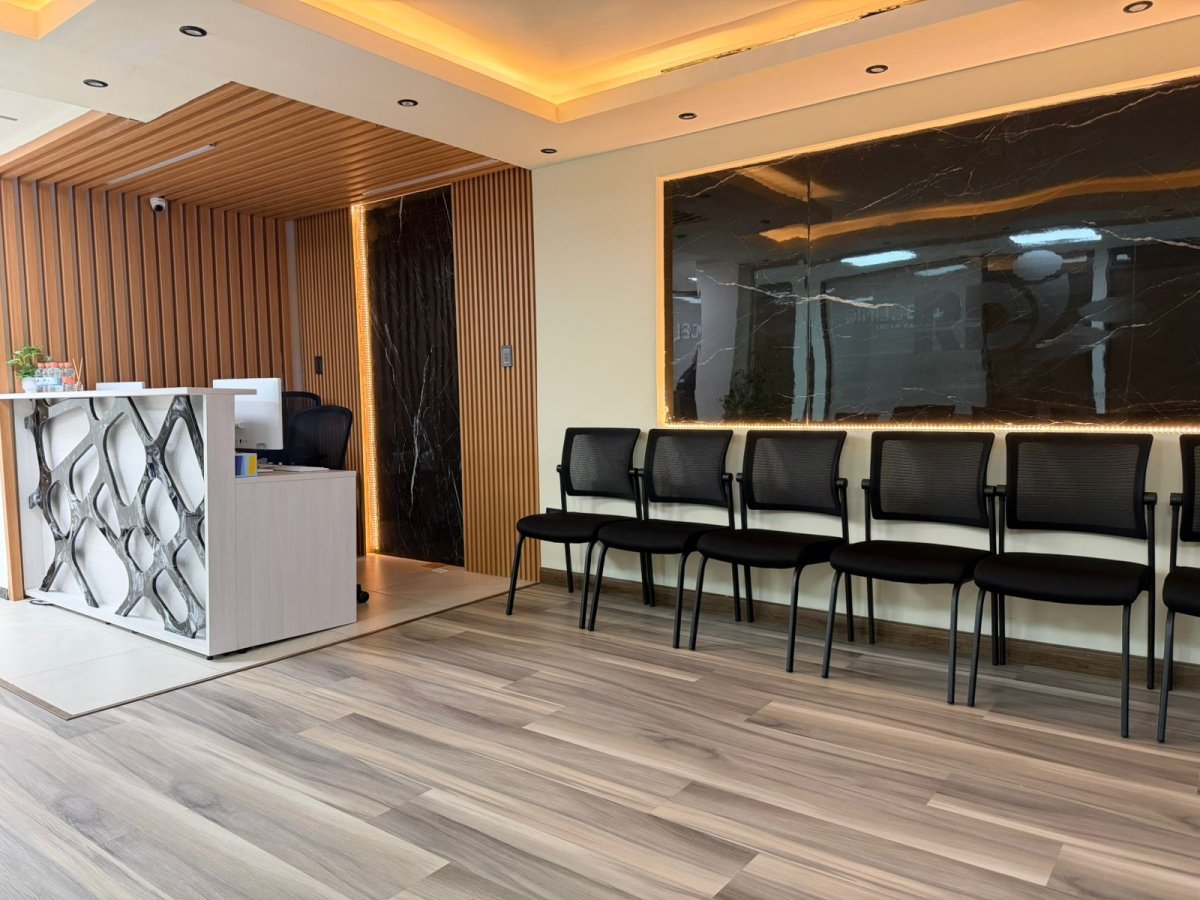
Cells Clinic
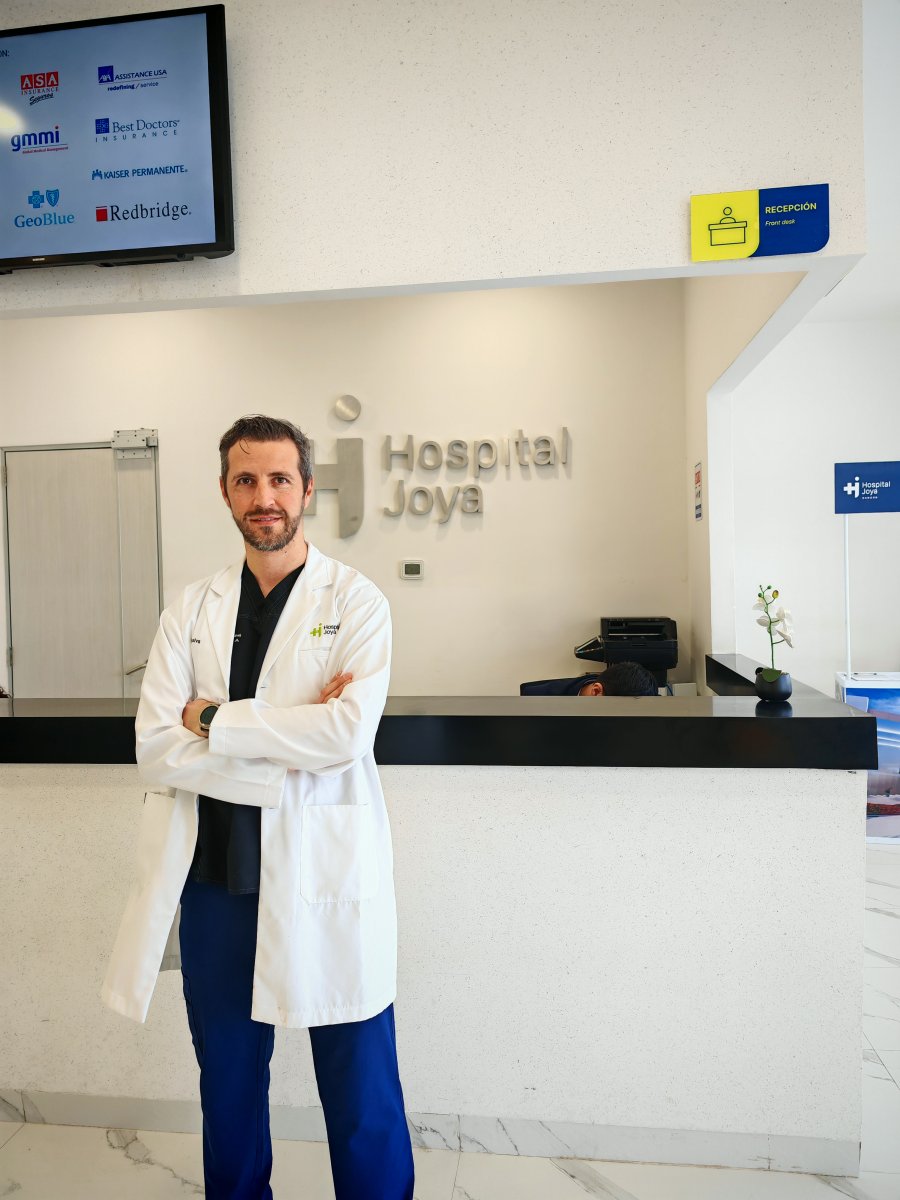


Stem Solutions



Advanced Fertility Center Cancun

Advance Health Medical Center

Giostar Stem Cell Therapy | Playa del Carmen Clinic
Los mejores centros médicos de Oncología en México
- Hospital de la Familia, México
- Cells Clinic, México
- Consulta privada del Dr. Enrique Pliego, México
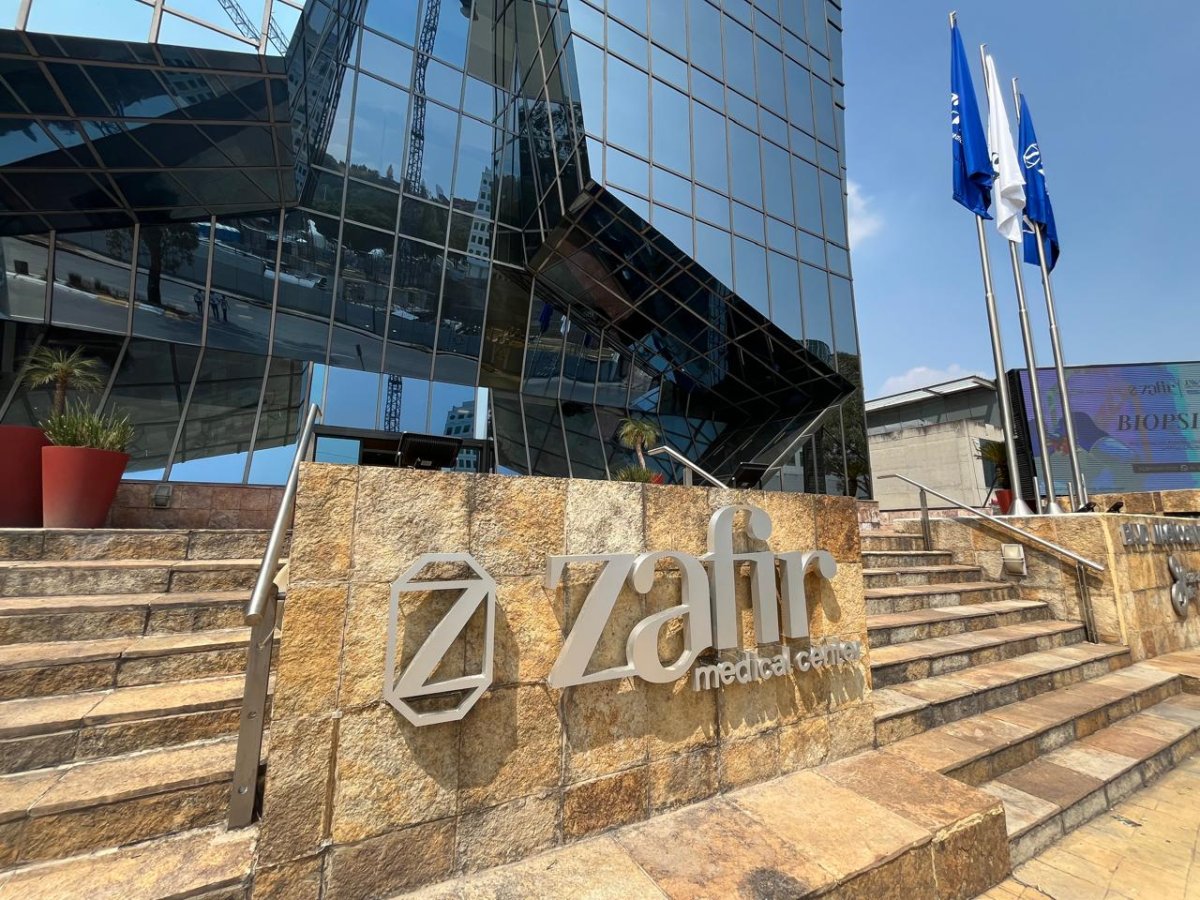
- Centro Médico Zafir, México
- Stem Solutions, México
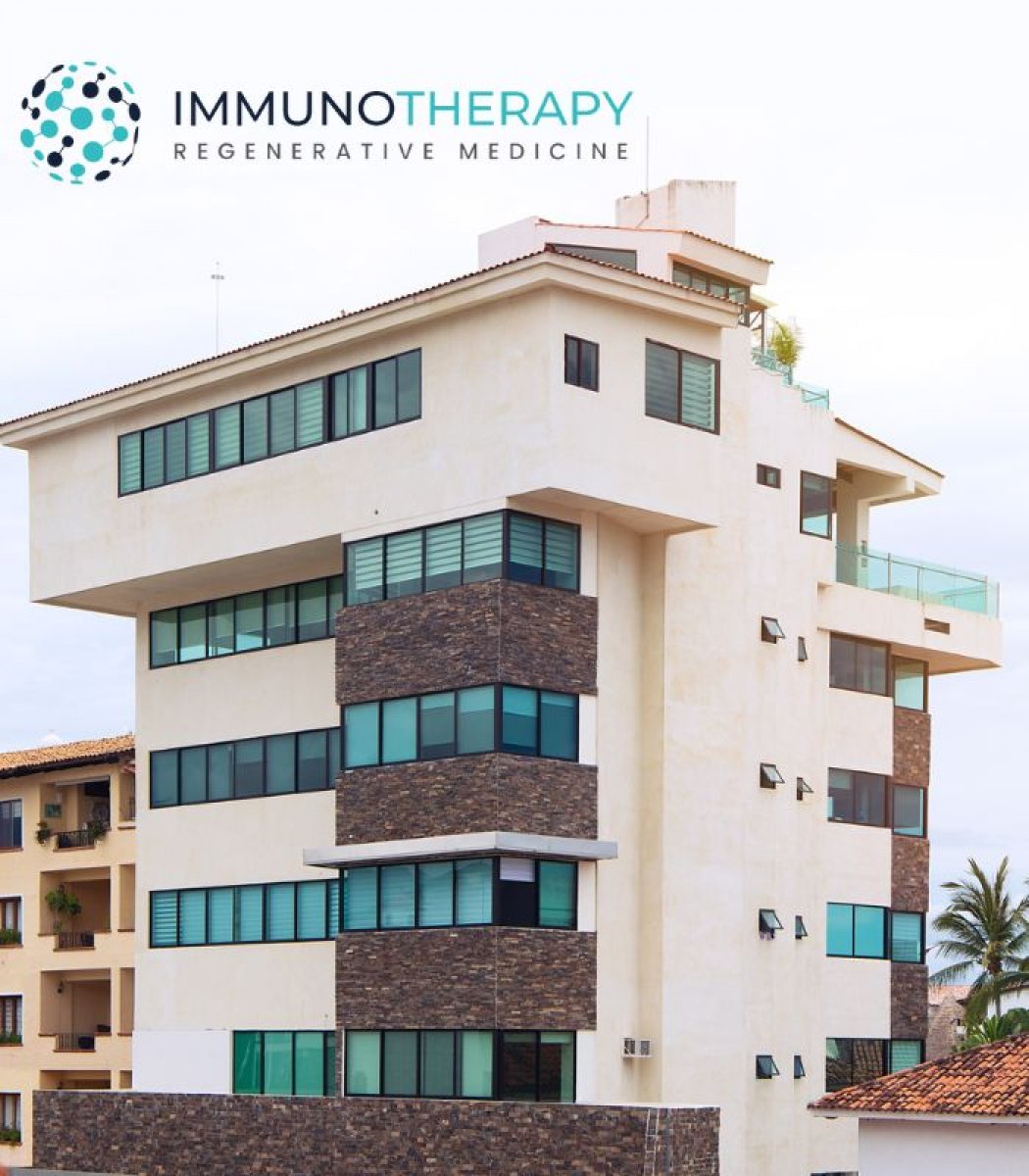
- Immunotherapy Regenerative Medicine, México
- Clínica Alice Beauty, México
- Advanced Fertility Center Cancun, México
- Advance Health Medical Center, México
- Giostar Stem Cell Therapy | Playa del Carmen Clinic, México
Obtenga una evaluación médica de Oncología en México: haga una consulta con 9 médicos experimentados ahora
Ver todos los médicos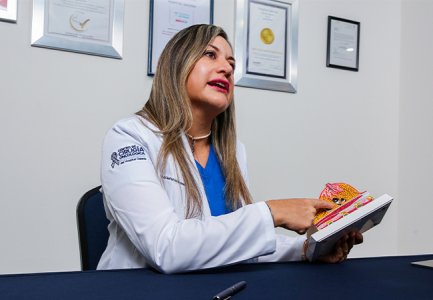
Brenda Pastrana
La Dra. Brenda Pastrana es una oncóloga quirúrgica certificada en el Hospital Galenia, especializada en cirugías complejas de cáncer con un enfoque en tratamientos de precisión.
- Formada en el Centro Médico Nacional 20 de Noviembre – el principal centro nacional de oncología de México
- Miembro de la Sociedad Mexicana de Oncología (SMEO) – la principal sociedad de oncología de México
- Profesora universitaria en la Universidad Anáhuac, formando a futuros médicos
- Certificada por el Conacem (la máxima acreditación médica de México) hasta 2030

Daniel Garza
El Dr. Daniel Garza combina la medicina regenerativa con la experiencia en oncología, centrándose en terapias innovadoras con células madre en Giostar Stem Cell Therapy.
- Se especializa en aplicaciones de células madre mesenquimales para el cuidado del cáncer
- Posee títulos avanzados en neurociencia y neuroanatomía
- Asistió a congresos internacionales sobre medicina regenerativa
- Médico licenciado de la Facultad de Medicina de la UNAM
Alejandro Garcia Irigoyen
Historias en video de pacientes de Bookimed
Reseñas
Todas las reseñasArtículos relacionados
Ver más
Costos de la terapia CAR-T
Escrito por Anna Leonova

Guía de costos del tratamiento del melanoma: precios, mejores clínicas, qué esperar
Escrito por Вероника Казина

¿Cuánto cuesta el tratamiento del cáncer de cuello uterino?
Escrito por Вероника Казина
Tratamiento del cáncer en el extranjero: Mejores centros y costes en 2025
Escrito por Mariia Mytrofankina
Tratamiento innovador del cáncer: Radioembolización Florin para metástasis hepáticas
Escrito por Kateryna Zamkovska
Compartir contenido
 Olena Sikoza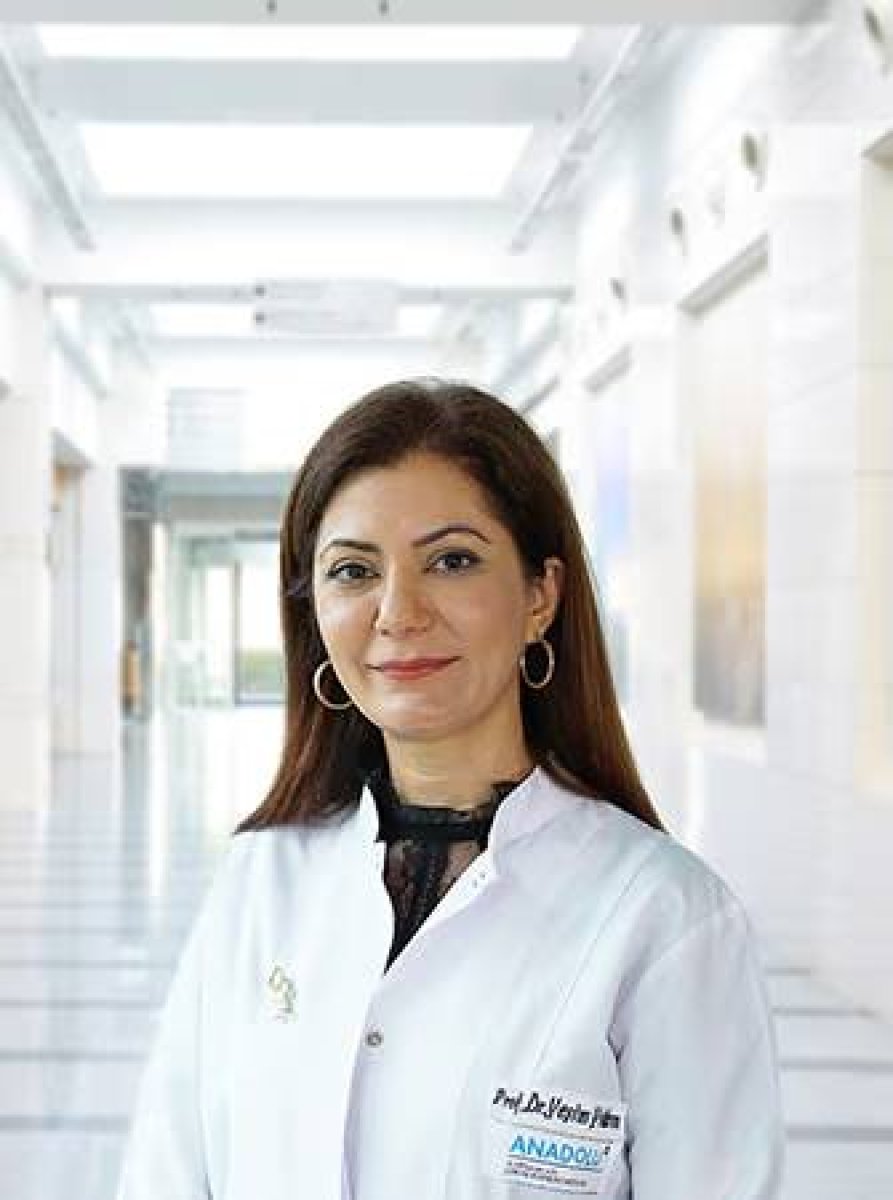
Preguntas frecuentes sobre Oncología en México
¿Cuáles son los estándares de calidad y cualificación para los centros oncológicos y médicos en México?
Los centros oncológicos mexicanos mantienen altos estándares a través de la acreditación del Consejo de Salubridad General (CSG) y la certificación de la Joint Commission International (JCI). Los médicos se someten a una rigurosa formación que incluye títulos médicos de 6 años y residencias de 4 años. Muchos especialistas poseen certificaciones de juntas estadounidenses o fellowships de instituciones prestigiosas como la Clínica Mayo.
- Acreditación hospitalaria: La acreditación del CSG asegura la calidad, la seguridad del paciente y estándares rigurosos de atención médica.
- Estándares internacionales: Instalaciones como el Hospital Galenia cuentan con la acreditación JCI para parámetros globales de seguridad.
- Juntas de especialistas: Oncólogos como la Dra. Brenda Pastrana mantienen la certificación de Conacem.
- Formación académica: Los principales expertos suelen formarse en instituciones de primer nivel como la UNAM o centros con sede en EE. UU.
Perspectiva Experta de Bookimed: Los datos sugieren que los centros oncológicos mexicanos con más de 10,000 pacientes anuales, como el Hospital Galenia, priorizan la acreditación dual. A menudo combinan los estándares locales del CSG con los sellos internacionales de la JCI. Este volumen les permite mantener infraestructura de alta tecnología mientras conservan la atención personalizada en unidade
¿Qué tan seguro es el tratamiento contra el cáncer en México?
Los centros oncológicos en México mantienen la seguridad a través de certificaciones de JCI y CSG. Estos estándares requieren una preparación estéril rigurosa para la quimioterapia. Instalaciones como el Hospital Galenia utilizan verificación de dosimetría para la radiación. Los protocolos internacionales incluyen revisiones previas al tratamiento y equipos de emergencia en el lugar. La mayoría de las clínicas especializadas atienden a más de 5,000 pacientes anualmente.
- Estándares de acreditación: CSG y JCI aseguran atención de alta calidad y seguridad del paciente.
- Examen previo al tratamiento: Los análisis de sangre y las exploraciones obligatorias identifican riesgos antes de iniciar la terapia.
- Preparación para emergencias: Los equipos están entrenados para una respuesta inmediata a anafilaxia o infecciones.
- Monitoreo del tratamiento: Los controles diarios de signos vitales y las hidrataciones por vía intravenosa cumplen con los estándares internacionales de oncología.
Perspectiva experta de Bookimed: Los centros de alto volumen en Cancún y Mexicali a menudo proporcionan una seguridad más consistente que las boutiques más pequeñas. El Hospital Galenia atiende a 10,000 pacientes cada año. Esta gran escala les permite invertir en infraestructura especializada. Mantienen protocolos acreditados por JCI que a veces carecen los centros má
¿Cómo es el proceso de recuperación tras cirugías oncológicas mayores en México?
La recuperación después de una cirugía oncológica mayor en México sigue un cronograma estructurado de 3 fases que se centra en la movilización temprana y el monitoreo intensivo. Los pacientes generalmente permanecen hospitalizados de 1 a 5 días dependiendo del procedimiento. La atención postoperatoria incluye el manejo de drenajes, imágenes especializadas como PET/CT y seguimiento a largo plazo a través de portales digitales o visitas programadas de retorno.
- Fase inmediata: La hospitalización dura de 1 a 2 días para mastectomías y de 3 a 5 días para colectomías complejas.
- Movilización temprana: Los pacientes comienzan a caminar dentro de las 12 horas posteriores a la cirugía para reducir el riesgo de coágulos sanguíneos.
- Diagnósticos de seguimiento: Las clínicas utilizan PET/CT y resonancia magnética para monitorear la respuesta al tratamiento y detectar recurrencias.
- Atención a largo plazo: El apoyo a menudo incluye 6 meses de consultas por telemedicina y chequeos oncológicos trimestrales.
Opinión experta de Bookimed: Los datos de centros como el Hospital Galenia muestran un alto volumen de pacientes internacionales, alcanzando los 10,000 anualmente. Un beneficio no obvio de estos centros mexicanos de alto volumen es su capacidad diagnóstica integrada. Debido a que las instalaciones a menudo cuentan con PET/CT y laboratorios especializ
¿Qué ciudades de México son mejores para el tratamiento del cáncer?
Cancún y Tijuana ofrecen los servicios oncológicos más completos para pacientes internacionales. Estas ciudades cuentan con instalaciones acreditadas por la JCI como el Hospital Galenia. Brindan atención integral que incluye inmunoterapia, radioterapia y cirugía compleja. La proximidad a aeropuertos principales y los equipos médicos que hablan inglés hacen que estos centros sean ideales para tratamientos a largo plazo.
- Tratamientos disponibles: Los centros ofrecen inmunoterapia, CyberKnife y trasplante de médula ósea para casos complejos.
- Experiencia especializada: Oncólogos quirúrgicos como la Dra. Brenda Pastrana se especializan en mastectomías y cirugía oncológica.
- Diagnóstico avanzado: Las instalaciones proporcionan escáneres PET/CT y resonancias magnéticas de cuerpo completo para una estadificación precisa del cáncer.
- Estándares de acreditación: Los mejores hospitales cuentan con certificaciones JCI y CSG para verificar la seguridad del paciente.
Perspectiva del Experto Bookimed: Los hospitales de Cancún como el Hospital Galenia atienden a 10,000 pacientes al año y ofrecen departamentos integrados de oncología y mamología. Este alto volumen permite a las clínicas mantener tasas de éxito del 50% para procedimientos específicos como mastectomías. Los pacientes deben buscar instalaciones que combinen cirugía tradicional con opciones r
¿Cuáles son las opciones de alojamiento y la duración de la estancia para la quimioterapia en México?
Los pacientes se alojan en habitaciones privadas del hospital, casas de recuperación cercanas o apartamentos médicos especializados durante los ciclos de quimioterapia en México. La mayoría de las visitas iniciales requieren de 2 a 3 semanas para diagnósticos y la primera infusión. Los ciclos subsiguientes típicamente implican de 3 a 7 días en el país para tratamiento y monitoreo.
- Opciones de alojamiento: Clínicas como Hospital de la Familia ofrecen 32 habitaciones privadas para la comodidad del paciente.
- Cronograma inicial: Planifique de 14 a 21 días para análisis de laboratorio, imágenes y el primer ciclo.
- Ciclos de seguimiento: Reserve de 3 a 7 días por visita para la infusión y la recuperación inmediata.
- Elección de ubicación: Alojarse a 10 a 15 minutos de la clínica ayuda a manejar la fatiga post-tratamiento.
Perspectiva del Experto de Bookimed: Los datos muestran que clínicas en grandes centros como Cancún, tal como el Hospital Galenia, atienden a más de 10,000 pacientes anualmente. Estos centros de alto volumen a menudo tienen asociaciones establecidas con hoteles locales. Elegir estas instalaciones puede simplificar la logística. A menudo puede asegurar tarifas con descuento para estancias prolongadas que no están disponibles para el público en general.
Consenso del Paciente: Los pacientes enfatizan el va
¿Qué opciones avanzadas de tratamiento contra el cáncer están disponibles en México?
México ofrece tratamientos oncológicos avanzados que incluyen terapia con células CAR-T, vacunas de células dendríticas y aplicaciones de células madre mesenquimales. Los pacientes acceden a protocolos de medicina regenerativa e inmunoterapia que a menudo están restringidos o en ensayos clínicos en otros lugares. Centros especializados proporcionan hipertermia combinada con Terapia SonoFotoDinámica (SPDT) para casos complejos.
- Terapias celulares: Acceso a terapia con células CAR-T y aplicaciones de células madre mesenquimales para cánceres avanzados.
- Protocolos alternativos: El cuidado holístico incluye vacunas de células dendríticas adaptadas al tumor específico del paciente.
- Tecnología avanzada: Instalaciones como el Hospital Galenia ofrecen atención acreditada por JCI y oncología quirúrgica especializada.
- Medicina regenerativa: Clínicas Giostar proporcionan investigación intensiva con células madre y tratamientos para más de 5,000 pacientes.
Perspectiva del experto de Bookimed: El panorama oncológico de México es único porque combina la excelencia quirúrgica acreditada por JCI con medicina regenerativa especializada. Mientras que el Hospital Galenia atiende a 10,000 pacientes anualmente con atención convencional de alto estándar, centros más pequeños como Holistic Bio Spa® ofrecen tecnologías de nicho como la terapia con células NK y
¿Cómo apoyan los equipos médicos bilingües a los pacientes durante el tratamiento del cáncer en México?
Los equipos de atención bilingüe en México proporcionan mediación lingüística y cultural esencial durante los tratamientos oncológicos. Estos equipos traducen informes patológicos complejos y coordinan terapias intensivas como la inmunoterapia o el trasplante de médula ósea. Facilitan una comunicación clara entre los pacientes internacionales y los especialistas para gestionar efectos secundarios y planes de tratamiento.
- Coordinación diagnóstica: Los equipos explican los resultados de PET/CT y MRI en inglés para aclarar los hallazgos.
- Navegación del tratamiento: El personal guía a los pacientes a través de los protocolos de quimioterapia y radioterapia utilizando terminología médica familiar.
- Defensa clínica: Los coordinadores traducen las consultas médicas palabra por palabra para asegurar que los pacientes entiendan cada detalle.
- Apoyo logístico: El personal bilingüe gestiona formularios de admisión, requisitos dietéticos y actualizaciones para los miembros de la familia.
Perspectiva del experto de Bookimed: Datos de centros de alto volumen como el Hospital Galenia, que atiende a 10,000 pacientes anualmente, muestran que los equipos bilingües hacen más que traducir. A menudo, cierran la brecha entre diferentes sistemas de salud proporcionando resúmenes de alta traducidos específicamente formateados para los médicos del país de origen.