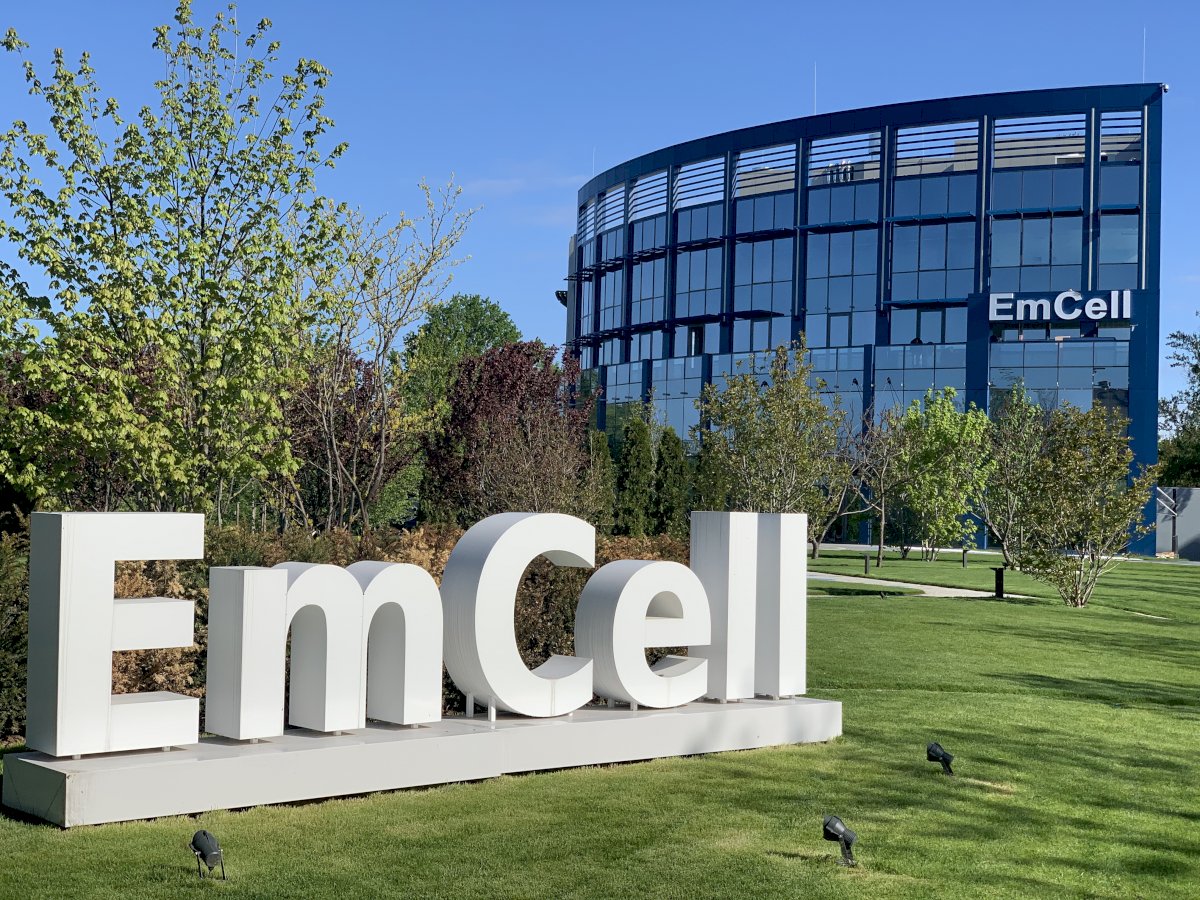
Centro de terapia celular EmCell
Ucrania, Kiev

Revisado médicamente por
Yesim Yildirim
El tratamiento oncológico en Ucrania suele costar desde $3,500 hasta $6,300. Los gastos totales dependen de la etapa del cáncer, los protocolos farmacológicos específicos y la complejidad de la intervención quirúrgica. Los pacientes pueden esperar un ahorro aproximado del 65-80% en comparación con los EE. UU. para protocolos de atención oncológica avanzada.
Costos típicos de oncología en Ucrania
Los principales centros oncológicos se encuentran en Kiev, Leópolis y Odesa, siendo Kiev el lugar donde a menudo se encuentran los precios más altos para la radioterapia moderna. Consulte con un especialista para obtener precios precisos para su diagnóstico y plan de tratamiento específicos.
| Ucrania | España | Turquía | |
|---|---|---|---|
| Resección de tiroides | ≈ $2,200 | de $14,000 | de $3,700 |
| Quimioterapia | ≈ $900 | de $2,200 | de $1,800 |
| Nefrectomía laparoscópica | de $3,500 | de $14,000 | de $8,000 |
| Mastectomía | de $2,000 | de $14,500 | de $3,500 |
| Extirpación de tumores cerebrales | ≈ $4,500 | de $21,500 | de $12,000 |
Bookimed no añade cargos extra a los precios de los tratamientos de Oncología. Las tarifas proceden de las listas de precios oficiales de las clínicas. Pagará directamente en la clínica por su tratamiento a su llegada al país.
Bookimed está comprometido con su seguridad. Solo trabajamos con las clínicas que mantienen altos estándares internacionales en el tratamiento de Oncología y tienen las licencias necesarias para atender a pacientes internacionales en todo el mundo.
Bookimed ofrece asistencia experta gratuita. Un coordinador médico personal le apoya antes, durante y después del tratamiento, resolviendo cualquier problema. Nunca estará solo en su viaje médico de procedimientos de Oncología.

El Centro Médico Impuls son dos clínicas multidisciplinares situadas en Kyiv (Ucrania), una de las cuales funciona según el principio de una policlínica. Las principales direcciones del centro son la atención de emergencia (llamada de ambulancia a domicilio), diagnóstico, terapia, neurología, cardiología y rehabilitación (después del accidente cerebrovascular, trauma, cirugía), así como los cuidados paliativos (terapia de apoyo). La recepción está a cargo de médicos de perfil experimentado — su experiencia es de al menos 15 años.
La clínica está dotada del equipo necesario, incluido el de reanimación — cada sala de cuidados intensivos dispone de puntos de suministro de oxígeno y ventiladores. Cada una de las clínicas tiene su propio laboratorio, para que los pacientes reciban rápidamente los resultados de los análisis y exámenes. Cada clínica tiene su propio generador diesel de alta potencia de electricidad. En el centro clínico se ofrece un chequeo médico completo.

Más de 1100 procedimientos de cáncer de próstata realizados: el Dr. Bogdan se especializa en técnicas láser en el Centro de Cirugía Dievo.


Más de 1.100 procedimientos laparoscópicos realizados – El Dr. Abu Shamsiya se especializa en cirugías oncológicas mínimamente invasivas en el Centro de Cirugía Dievo.

Escrito por Anna Leonova

Escrito por Вероника Казина

Escrito por Вероника Казина
Escrito por Mariia Mytrofankina
Escrito por Kateryna Zamkovska
 Olena Sikoza
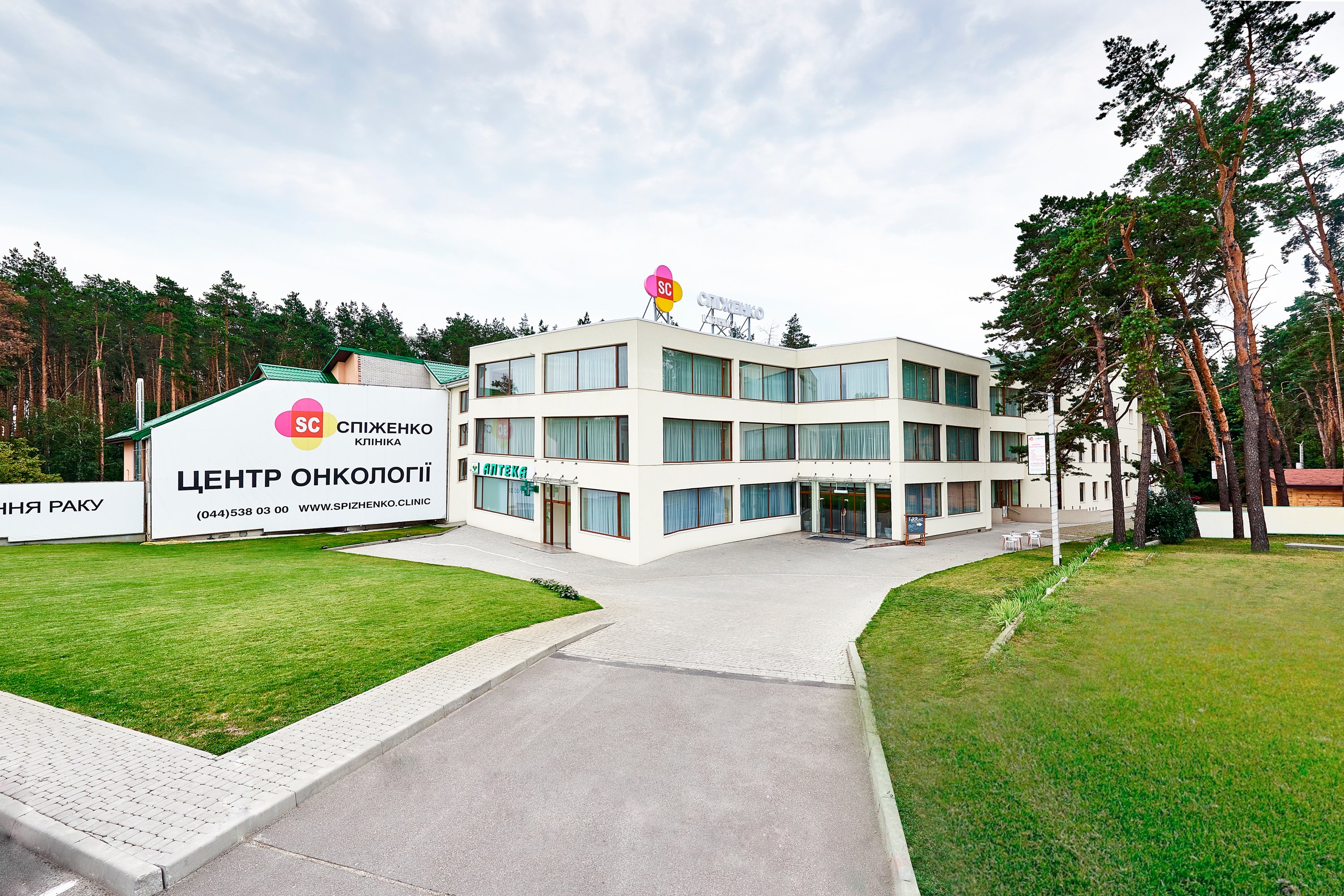
Los centros oncológicos reconocidos en Ucrania incluyen la Clínica Spizhenko y el Centro Quirúrgico Dievo en Kyiv. Estas instalaciones ofrecen tratamientos avanzados como CyberKnife y cirugía laparoscópica. Aunque muchos siguen los protocolos internacionales de la NCCN, la mayoría poseen certificaciones nacionales en lugar de la acreditación global de la JCI. La Clínica ISIDA mantiene estándares internacionales ISO para el cuidado del paciente.
Perspectiva de Experto de Bookimed: Nuestros datos muestran que clínicas privadas ucranianas como la Clínica Spizhenko han atendido a más de 70,000 pacientes de 32 países. Este alto volumen internacional refleja una dependencia de protocolos occidentales a pesar de la falta de la marca JCI. Los pacientes a menudo eligen estos centros porque ofrecen tecnología CyberKnife y ensayos clínicos que no están dis
Pacientes internacionales en Ucrania acceden a tratamientos modernos contra el cáncer, incluyendo inmunoterapia, radiación CyberKnife y trasplante de médula ósea. Las clínicas siguen protocolos internacionales de la NCCN para proporcionar terapias dirigidas como Keytruda. Equipos multidisciplinarios en Kyiv y Uzhhorod ofrecen cirugía laparoscópica 3D y ablación por radiofrecuencia para una eliminación precisa de tumores.
Perspectiva del Experto de Bookimed: Los altos volúmenes de pacientes en centros como Expert Clinic, que atiende a 15,000 personas anualmente, aseguran que los médicos mantengan una alta competencia quirúrgica. Las clínicas en Uzhhorod a menudo tienen tiempos de espera más cortos que en Kyiv. Este cambio geográfico permite a los pacientes internacionales comenzar planes de tratamiento intensivo dentro de los días posteriores a su consulta inicial.
Los centros oncológicos de Ucrania manejan emergencias a través de unidades de cuidados intensivos especializadas y monitoreo médico 24/7. Las principales instalaciones en Kyiv utilizan equipos de resucitación avanzados y laboratorios en el lugar para una rápida estabilización. Clínicas de alta capacidad como Spizhenko Clinic siguen los protocolos de la NCCN para manejar complicaciones relacionadas con el tratamiento y proporcionar cuidados paliativos continuos.
Perspectiva Experta de Bookimed: Centros en Kyiv como Spizhenko Clinic y Dievo Surgery Center muestran un patrón de mayor integración de seguridad. Con más de 70,000 pacientes atendidos, estos grandes centros mantienen departamentos internacionales sólidos. Nuestros datos indican que las clínicas con más de 35 médicos en plantilla suelen ofrecer cobertura de emergencia más fi
Una estancia típica para cirugía oncológica en Ucrania dura de 7 a 14 días. Los paquetes combinados que incluyen radioterapia requieren de 4 a 6 semanas en el país. Estos plazos aseguran que los pacientes completen ciclos de tratamiento completos. Este enfoque también permite el monitoreo postoperatorio esencial por especialistas como el Dr. Sergey Odarchenko.
Opinión del experto de Bookimed: Clínicas con alto volumen de pacientes, como Expert Clinic, que atiende a más de 15,000 personas anualmente, a menudo ofrecen opciones de hospital de día simplificadas. Elegir una instalación con un laboratorio en el lugar, como Impuls Medical Center, puede reducir su estancia diagnóstica en varios días. Esto se debe a que los resultados de las pruebas y los ajustes del plan de tratamiento se realizan en horas en lugar de días.
Consenso del paciente: Los pacientes señal
La mayoría de los oncólogos sénior ucranianos en los principales centros de Kyiv hablan inglés y proporcionan documentación médica de estándar internacional. Clínicas como el Centro de Cirugía Dievo y la Clínica Spizhenko siguen protocolos internacionales de la NCCN. Recibirá informes detallados para el seguimiento en su país de origen.
Perspectiva del Experto de Bookimed: La coordinación es el verdadero diferenciador en Ucrania. Grandes redes como el Centro de Fertilidad ADONIS emplean a más de 20 coordinadores internacionales específicamente para superar las barreras del idioma. Mientras que los directores médicos en la Clínica Spizhenko a menudo tienen más de 20 años de experiencia y membresías globales, las clínicas más pequeñas pueden carecer de traductores in situ. Siempre verifique si su clínica específica incluye servicios de coordinación para asegurarse de q
Kyiv y Uzhhorod proporcionan la logística más estructurada para pacientes oncológicos internacionales en Ucrania. Kyiv funciona como el principal centro médico con departamentos internacionales especializados. Uzhhorod ofrece una alternativa estratégica cerca de la frontera de la Unión Europea. Ambas ciudades cuentan con clínicas con apoyo en inglés y vías coordinadas para pacientes.
Opinión Experta de Bookimed: Los datos muestran un cambio logístico hacia ciudades occidentales como Uzhhorod para aumentar la estabilidad. Expert Clinic en Uzhhorod atiende ahora a 15,000 pacientes anualmente. Si bien Kyiv sigue siendo el centro para radioterapia compleja y CyberKnife, las ciudades adyacentes a la frontera ofrecen navegación más rápida 24/7. Esto es vital para pacientes que transitan desde países vecinos.
Consenso de Pacientes: Los pacientes observan que las
Los pacientes que viajan por oncología a Ucrania deben portar un pasaporte válido y todos los registros médicos originales. Todos los documentos deben tener traducciones certificadas al ucraniano para evitar demoras. Los centros de oncología modernos como la Clínica Spizhenko y el Centro de Cirugía Dievo requieren copias impresas de las resonancias magnéticas (RM) y las tomografías computarizadas (TC) para la verificación del protocolo.
Información experta de Bookimed: Datos de centros como Expert Clinic y ADONIS muestran que los pasos administrativos son significativamente más rápidos en centros regionales como Uzhhorod o Kiev. Mientras muchos pacientes se centran en archivos digitales, nuestros coordinadores observan que los equipos oncológicos ucranianos priorizan las películas físicas para PET/CT y RM. Tener estos listos previene el retraso de una semana q