Hernia incisional Tratamiento en Polonia — Costos 2026


Revisado médicamente por
Fahad Mawlood
¿Cuál es el precio del diagnóstico y los tratamientos de Hernia incisional en Polonia? Descubra ahora
| Polonia | España | Turquía | |
|---|---|---|---|
| Reparación de hernia incisional | de $3,800 | ≈ $5,200 | de $6,000 |
Sus beneficios y garantías con Bookimed
Precios directos
Bookimed no añade cargos extra a los precios de los tratamientos de Hernia incisional. Las tarifas proceden de las listas de precios oficiales de las clínicas. Pagará directamente en la clínica por su tratamiento a su llegada al país.
Sólo clínicas y médicos verificados
Bookimed está comprometido con su seguridad. Solo trabajamos con las clínicas que mantienen altos estándares internacionales en el tratamiento de Hernia incisional y cuentan con las licencias necesarias para atender a pacientes internacionales en todo el mundo.
Asistencia 24/7 gratuita
Bookimed ofrece asistencia experta gratuita. Un coordinador médico personal le apoya antes, durante y después de su tratamiento, resolviendo cualquier problema. Nunca estará solo en su viaje médico de tratamiento de Hernia incisional.

Su coordinador médico personal de Bookimed
- Le apoya en cada etapa
- Ayuda a elegir la clínica y el médico adecuados
- Asegura un acceso rápido y conveniente a la información
Descubra las mejores clínicas de tratamiento de Hernia incisional en Polonia: 3 opciones verificadas y Precios






Obtenga una evaluación médica de tratamiento de Hernia incisional en Polonia: haga una consulta con 12 médicos experimentados ahora
Ver todos los médicos
Piotr Ciszewski
Wojciech Gackowski
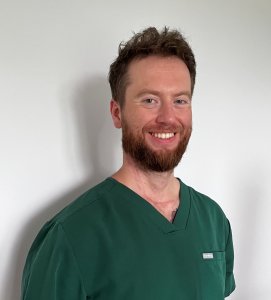
Mateusz Sala
Dr. Mateusz Sala — especialista en cirugía general (título en 2024). Realizó la formación especializada en el Hospital MBNP de Wołomin y en el Hospital Bielański. Adquirió experiencia en cirugía general y coloproctología. Actualmente ejerce en el Hospital Bielański.
Enfoque: cirugía mínimamente invasiva, cirugía de hernia y proctología. Procedimientos: reparación de hernias; cirugía y tratamiento no quirúrgico de hemorroides; tratamiento de fisuras anales, fístulas perianales y trombos
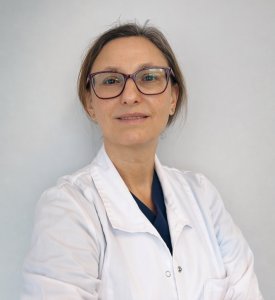
Aleksandra Starosciak
La Dra. Aleksandra Starosciak se graduó en la Academia Médica de Varsovia. Es especialista en cirugía general desde 2009. Está en formación en oncología quirúrgica. Desde 2010 trabaja en el Departamento de Cirugía Oncológica del Hospital de la Sagrada Familia de Varsovia. Es miembro de la Sociedad Polaca de Oncología Quirúrgica. Asiste a congresos científicos y cursos de formación en cirugía general, oncología, cirugía plástica y ecografía mamaria.
Realiza cirugía mamaria, incluida la
Compartir contenido
Historias en video de pacientes de Bookimed
 Olena Sikoza
Preguntas frecuentes sobre el tratamiento de Hernia incisional en Polonia
¿Qué métodos quirúrgicos utilizan las clínicas polacas para reparar hernias incisionales?
Las clínicas polacas utilizan IPOM laparoscópica y reparaciones asistidas por robot para hernias incisionales pequeñas. Los casos complejos requieren métodos quirúrgicos abiertos como la técnica de Rives-Stoppa (sublay). Los cirujanos priorizan el refuerzo con malla sin tensión para garantizar la estabilidad a largo plazo. La mayoría de los centros integran una reconstrucción especializada para defectos que superan los 10 cm.
- IPOM laparoscópica: Los cirujanos colocan una malla compuesta internamente a través de pequeñas incisiones para una recuperación más rápida.
- Reparación asistida por robot: Los sistemas Da Vinci proporcionan precisión para cerrar defectos estructurales profundos de la línea media.
- Técnica Sublay: La malla se coloca profundamente debajo de los músculos, utilizando la presión abdominal para mayor estabilidad.
- Separación de componentes: Los cirujanos reorganizan las capas musculares laterales para cerrar brechas masivas en la pared abdominal.
Perspectiva del experto de Bookimed: Aunque muchos buscan opciones robóticas, la experiencia quirúrgica polaca a menudo se inclina hacia la técnica de Rives-Stoppa. Nuestros datos muestran que especialistas como el Dr. Jacek Sobocki en el Hospital St. Elizabeth combinan la investigación académica con la formación práctica en robótica. Elegir a un cirujano que enseña estas técnicas
¿Se utilizará una malla quirúrgica y cuáles son los riesgos de recurrencia?
La malla quirúrgica es el refuerzo estándar para el tratamiento de hernias incisionales en Polonia. Reduce los riesgos de recurrencia del 19% a aproximadamente el 11% en 10 años. Especialistas como el Dr. Jacek Sobocki en Varsovia utilizan mallas para proporcionar un soporte sin tensión a los tejidos abdominales debilitados.
- Necesidad de la malla: Los cirujanos priorizan la malla para defectos grandes o fallos en reparaciones previas.
- Recurrencia con malla: El refuerzo reduce las tasas de fracaso a largo plazo a entre el 11% y el 13%.
- Riesgo sin malla: La reparación sin malla conlleva una probabilidad de recurrencia del 17% al 19%.
- Factores críticos: El éxito depende del tamaño de la malla y del control de un IMC alto o del tabaquismo.
Perspectiva del experto de Bookimed: Polonia ofrece una alta densidad de cirujanos generales especializados como el Dr. Jacek Sobocki. Posee credenciales internacionales de Alemania, Francia y Estados Unidos. Aunque existen muchas clínicas pequeñas, hospitales como el The Holy Family High Specialty Hospital atienden a 4.000 pacientes al año. Un alto volumen de pacientes a menudo se correlaciona con una mejor precisión quirúrgica en casos incisionales complejos.
Consenso de los pacientes: Los pacientes señalan que los cirujanos enfatizan el cierre de la brecha abdominal en lugar de
¿Cuánto tiempo debo permanecer en Polonia antes de poder volar de regreso a casa?
Los pacientes generalmente necesitan permanecer en Polonia de 7 a 14 días después del tratamiento de una hernia incisional antes de volar a casa. Si bien los procedimientos laparoscópicos pueden permitir viajar después de 1 semana, las reparaciones abiertas complejas a menudo requieren 14 días para monitorear la cicatrización de la herida y garantizar una movilidad estable.
- Plazo de viaje: La mayoría de los cirujanos recomiendan esperar de 7 a 14 días antes de abordar un vuelo.
- Impacto de la técnica: La recuperación de la reparación laparoscópica es más rápida en comparación con la cirugía abdominal abierta tradicional.
- Requisitos físicos: Debe poder caminar y sentarse cómodamente sin dolor intenso.
- Documentación requerida: Solicite a su cirujano tratante una nota de aptitud para volar y una lista de medicamentos.
Perspectiva de expertos de Bookimed: Polonia es un centro de gran volumen para la cirugía, con especialistas como el Prof. Jacek Sobocki y el Dr. Pawel Grochowicz que a menudo tratan a pacientes con más de 30 años de experiencia. Curiosamente, aunque clínicas como el Hospital de Alta Especialidad de la Sagrada Familia atienden a 4.000 pacientes al año, muchos de los mejores especialistas en hernias ejercen en Varsovia. Elegir un cirujano con experiencia en robótica a veces puede reducir los requisitos de estancia posoperatoria
¿Cuál es el cronograma de recuperación después de la operación?
La recuperación después de la reparación de una hernia incisional en Polonia suele tomar de 2 a 6 semanas para actividades estándar. La mayoría de los pacientes regresan a trabajos de oficina ligeros dentro de los 14 días. La fuerza total de la pared abdominal y la autorización para levantar objetos pesados generalmente requieren de 6 a 12 semanas de curación.
- Fase inmediata: El dolor y la hinchazón alcanzan su punto máximo dentro de las primeras 72 horas después de la cirugía.
- Hito de movilidad: Se recomienda caminar y realizar cuidados personales ligeros dentro de las 24 a 48 horas.
- Restricciones de levantamiento: Los pacientes deben evitar levantar más de 2 a 5 kilogramos durante al menos 4 a 6 semanas.
- Remodelación completa: La maduración del tejido interno y la cicatrización continúan durante 6 a 12 meses.
Perspectiva de expertos de Bookimed: Polonia es un centro de gran volumen para la cirugía abdominal. Especialistas como el Dr. Pawel Grochowicz tienen casi 40 años de experiencia. Centros de alta capacidad como el Hospital de Alta Especialidad de la Sagrada Familia tratan a 4.000 pacientes al año. Este volumen masivo a menudo conduce a protocolos de recuperación estandarizados y eficientes que ayudan a minimizar las complicaciones tempranas.
Consenso de los pacientes: Los pacientes señalan que, aunque el d
¿Cómo elijo un centro quirúrgico seguro y calificado en Polonia?
Elegir un centro quirúrgico seguro en Polonia implica verificar el registro del Ministerio de Salud a través de la base de datos RPWDL. Los centros calificados a menudo poseen la acreditación nacional CMJ para protocolos de seguridad. Los pacientes deben priorizar a los cirujanos con licencia de la Cámara Médica Polaca especializados en reparación de hernias y cirugía de la pared abdominal.
- Verificación del registro: Confirme que la clínica esté activa en la base de datos oficial de entidades médicas RPWDL.
- Especialización quirúrgica: Busque cirujanos como el Prof. Dr. Jacek Sobocki, especializados en hernias laparoscópicas.
- Infraestructura hospitalaria: Asegúrese de que el centro cuente con atención de emergencia 24/7 o acuerdos formales de traslado hospitalario.
- Estándares de la UE: Verifique que el centro utilice equipos con marcado CE y mantenga un seguro de responsabilidad civil profesional obligatorio.
Perspectiva de expertos de Bookimed: Polonia atrae a pacientes a través de un liderazgo quirúrgico altamente académico. Por ejemplo, cirujanos destacados como el Prof. Dr. Jacek Sobocki no son solo profesionales, sino ex decanos universitarios y conferencistas en técnicas robóticas. Al elegir un centro, busque aquellos integrados en redes más grandes como GVM Care and Research, que proporciona un marco de calidad transfronterizo par
¿Qué tan alta es la calidad de la neurocirugía en Polonia?
La neurocirugía en Polonia ofrece atención de alta calidad en centros con certificación JCI e ISO. Los neurocirujanos polacos se adhieren a estrictos estándares de formación adoptados por la Unión Europea. Muchos han completado becas en Estados Unidos o Alemania. Tecnologías avanzadas, como CyberKnife, Gamma Knife y sistemas robóticos, están ampliamente disponibles en centros privados.
- Cualificaciones especializadas: Los médicos suelen ser miembros de la Asociación Europea de Sociedades de Neurocirugía.
- Tecnologías avanzadas: Las clínicas utilizan sistemas CyberKnife y ultrasonido enfocado guiado por resonancia magnética para el tratamiento cerebral no invasivo.
- Volumen clínico: Centros líderes como el Hospital Universitario de Cracovia tratan a más de 455.000 pacientes al año.
- Cirujanos experimentados: El Dr. Maciej Bujko del Hospital Carolina ha realizado más de 2.500 cirugías por su cuenta.
Opinión experta de Bookimed: Los datos muestran una fuerte correlación entre la especialización de una clínica y el origen de sus pacientes. La Clínica KCM atiende a más de 700 pacientes internacionales al año. Se especializa en cirugía de columna mínimamente invasiva. Este volumen de trabajo le permite ofrecer paquetes de servicios especializados, que a menudo incluyen bloques de diagnóstico e implantes específicos, como el DIAM de Medtronic.
¿Cuáles son las cualificaciones de los neurocirujanos polacos?
Los neurocirujanos polacos son especialistas altamente cualificados que han completado al menos 13 años de rigurosa formación médica. Esto incluye seis años de estudios de medicina, 13 meses de prácticas y seis años de residencia. Deben aprobar el Examen Estatal de Especialización (PES) y suelen estar certificados por la Asociación Europea de Sociedades de Neurocirugía (EANS).
- Educación: Los médicos reciben educación médica (medicina) después de 6 años de estudio en la universidad.
- Especialización: La residencia incluye 6 años de formación modular en neurocirugía clínica y neurorradiología.
- Volumen quirúrgico: Los residentes a menudo realizan más de 1.000 cirugías, lo que excede el volumen de capacitación promedio en otras regiones.
- Certificados: Muchos especialistas son miembros de AO Spine o de la Sociedad Polaca de Cirugía de Columna.
Opinión experta de Bookimed: Los datos muestran que los neurocirujanos polacos suelen especializarse en tecnologías altamente especializadas, como el sistema ApiFix o el sistema de endoscopia lumbar SED-YESS. Especialistas como el Dr. Stanisław Kwek, de la Clínica KCM, combinan la investigación postdoctoral con una práctica quirúrgica activa. Esta combinación de profundos conocimientos académicos y un alto volumen quirúrgico los hace especialmente eficaces en cirugías de columna complejas y mínimamente in
¿Cuáles son las mejores clínicas neuroquirúrgicas en Polonia?
Entre las mejores clínicas neuroquirúrgicas de Polonia se encuentran el Hospital Carolina, la Clínica KCM y centros académicos de primer nivel como el Hospital Universitario de Cracovia. Estas instituciones ofrecen tratamientos de vanguardia para enfermedades de la columna vertebral y el cerebro que cumplen con los estándares de calidad ISO y emplean a especialistas miembros de organizaciones internacionales como AO Spine.
- Hospital Carolina: Centro Médico de Excelencia FIFA, especializado en cirugías de columna complejas y mínimamente invasivas.
- Clínica KCM: Reconocida internacionalmente por la calidad de sus procedimientos endoscópicos de columna, atendiendo a más de 700 pacientes internacionales anualmente.
- Hospital Universitario de Cracovia: un gran centro multidisciplinario que realiza más de 800 operaciones neuroquirúrgicas al año desde 1788.
- Luxmed: un reconocido centro médico privado en Varsovia especializado en cirugía de columna avanzada para pacientes internacionales.
Opinión experta de Bookimed: Si bien muchos buscan los hospitales más grandes, los datos muestran que clínicas como el Hospital Carolina ofrecen mayor eficiencia para cirugías electivas. Con más de 40 médicos especialistas en este centro de 30 camas, la proporción médico-paciente es significativamente mayor que en los centros universitarios públicos. Esto se traduc
¿Qué procedimientos neuroquirúrgicos se realizan con más frecuencia en Polonia?
En Polonia, la neurocirugía se centra principalmente en cirugías de columna y extirpación de tumores cerebrales. Los hospitales realizan con frecuencia microdiscectomías, fusiones espinales y estimulación cerebral profunda. Centros como el Hospital Carolina y la Clínica KCM utilizan técnicas mínimamente invasivas para tratar hernias discales, lesiones de columna y trastornos neurológicos complejos.
- Cirugía de columna: La discectomía y la laminectomía son tratamientos comunes para los discos herniados.
- Neurooncología: Los especialistas realizan cirugías para extirpar tumores cerebrales utilizando equipos modernos como la tecnología CyberKnife.
- Neurocirugía funcional: la estimulación cerebral profunda (ECP) se utiliza ampliamente para los trastornos del movimiento.
- Técnicas mínimamente invasivas: Los cirujanos utilizan técnicas endoscópicas para descomprimir la columna y tratar tumores pituitarios.
Opinión experta de Bookimed: Polonia se ha convertido en un centro de estabilización espinal especializada. Clínicas como el Hospital Carolina colaboran con equipos deportivos nacionales, lo que refleja su alto nivel de experiencia en el tratamiento de lesiones espinales complejas. Nuestros datos muestran que estas instituciones suelen integrar la rehabilitación directamente en el tratamiento quirúrgico. Esta combinación reduce el riesgo de compl
¿Está disponible la rehabilitación neurológica?
La rehabilitación neurológica está ampliamente disponible en Polonia a través de centros especializados y hospitales multidisciplinarios. Los programas abarcan la recuperación tras un accidente cerebrovascular, una lesión medular y enfermedades degenerativas. Instituciones como el Hospital Karolina de Varsovia y la Clínica KCM ofrecen terapia supervisada. La mayoría de los programas neuroquirúrgicos incluyen una evaluación inicial de rehabilitación postoperatoria.
- Terapias disponibles: Los programas incluyen neurofisioterapia, terapia ocupacional y terapia del habla.
- Instituciones líderes: El Hospital Carolina y el Centro Médico ENEL-MED en Varsovia ofrecen rehabilitación.
- Personal calificado: Neurofisioterapeutas especializados trabajan con neurocirujanos para crear planes de tratamiento individualizados.
- Alcance: La rehabilitación tiene como objetivo restaurar la movilidad, el equilibrio y las funciones cognitivas después de intervenciones quirúrgicas complejas.
Opinión experta de Bookimed: Los datos muestran que las clínicas con una gran afluencia de pacientes internacionales, como la Clínica KCM, suelen incluir rehabilitación básica en sus paquetes quirúrgicos. Esto supone una ventaja significativa, ya que coordinar la neurorrehabilitación de forma independiente en Polonia puede ser complicado. Elegir una clínica con un especialista e