Hernia incisional en Corea del Sur: clínicas verificadas para su tratamiento


Revisado médicamente por
Fahad Mawlood
Cómo funciona
¿Cuál es el precio del diagnóstico y los tratamientos de Hernia incisional en Corea del Sur? Descubra ahora
Descubra las mejores clínicas de tratamiento de Hernia incisional en Corea del Sur: 2 opciones verificadas y Precios

Obtenga una evaluación médica para Hernia incisional en Corea del Sur: consulte con doctores experimentados ahora
Ver todos los médicos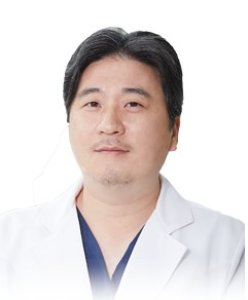
Park Sundo
El Dr. Park Sundo es especialista en cirugía general y del aparato digestivo en el Hospital Naeun. Su experiencia abarca cirugía colorrectal, proctológica, mamaria, tiroidea, laparoscópica, biliar, pancreática y pediátrica.
Sus tratamientos clave incluyen cirugía proctológica, como la hemorroidectomía y el tratamiento de las hemorroides y la fístula anal. Realiza cirugía laparoscópica para cálculos biliares (colelitiasis) y apendicitis. Su atención oncológica abarca el cáncer gástrico
Compartir contenido
Historias en video de pacientes de Bookimed
 Olena Sikoza
Preguntas frecuentes sobre el tratamiento de Hernia incisional en Corea del Sur
¿Qué hace de Corea el mejor destino para el tratamiento de hernias postoperatorias?
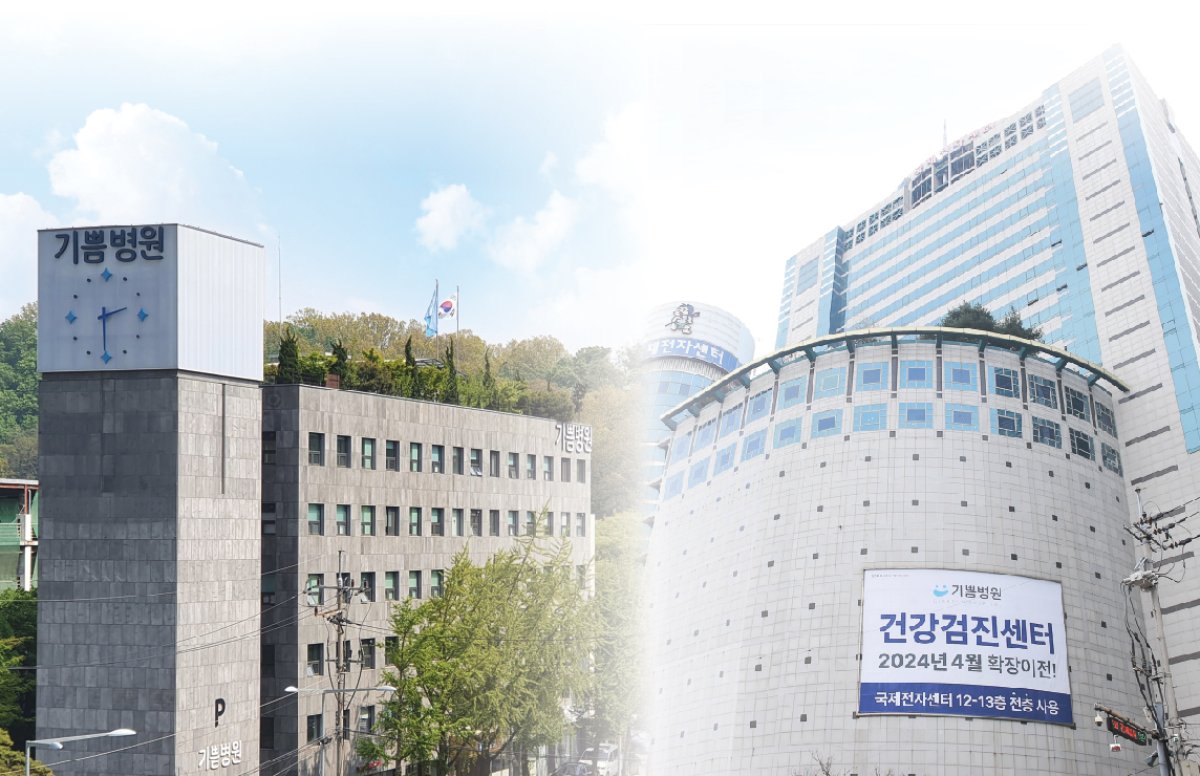
Corea es el mejor destino para el tratamiento de hernias postoperatorias gracias a métodos especializados sin malla y a un alto volumen de intervenciones quirúrgicas. Centros como el Hospital General Gibbeum utilizan el método Kang Repair. Este enfoque permite lograr una tasa de recurrencia inferior al 0,3%. Las instituciones cuentan con la acreditación KOIHA, lo que garantiza estándares de seguridad internacionales.
- Baja tasa de recurrencia: Los métodos especializados Kang Repair mantienen la tasa de recurrencia por debajo del 0,3%.
- Opciones sin malla: Los pacientes pueden elegir procedimientos sin malla para evitar complicaciones a largo plazo relacionadas con los implantes.
- Diagnóstico avanzado: Las clínicas utilizan tomografía computarizada (TC) de baja dosis e imágenes de alta resolución para una estadificación precisa.
- Recuperación rápida: El cierre de piel sin suturas permite a muchos pacientes ducharse al día siguiente.
Si bien las tecnologías de clase mundial son el estándar, la verdadera ventaja de Corea radica en la especialización en reconstrucción compleja de la pared abdominal. El Hospital General Gibbeum cuenta con un equipo de 50 médicos especializados en atención quirúrgica de alta tecnología. Esta concentración de experiencia permite diagnósticos el mismo día y una planificación eficiente, algo inalcanzable en la mayoría de los sistema
¿Cuánto tiempo dura la recuperación después de una cirugía de hernia incisional en Corea?
La recuperación después de una cirugía de hernia incisional en Corea generalmente permite realizar actividades ligeras dentro de las 2 semanas. La mayoría de los pacientes retoman sus rutinas no extenuantes entre las 4 y 6 semanas. Las técnicas especializadas como la reparación de Kang en clínicas de Seúl reportan un alto éxito con tasas de recurrencia inferiores al 0,3 %.
- Movilidad inicial: Los pacientes a menudo comienzan a caminar el mismo día o el día después de la cirugía.
- Estancia hospitalaria: Los centros quirúrgicos coreanos generalmente dan de alta a los pacientes en 1 a 2 días.
- Cuidado de la herida: Las técnicas de cierre sin suturas permiten a los pacientes ducharse de forma segura al día siguiente.
- Límites de levantamiento: Las restricciones de levantamiento de objetos pesados permanecen vigentes durante 6 a 8 semanas.
Perspectiva de expertos de Bookimed: Los datos del Hospital General Gibbeum revelan que las técnicas especializadas de hernia mejoran significativamente la recuperación temprana. Su protocolo de cierre de piel sin suturas permite una higiene inmediata. Este enfoque elimina las demoras típicas en el cuidado de las heridas observadas en las cirugías tradicionales. Los centros coreanos de alto volumen atienden a pacientes de 56 países. Se centran en minimizar la tensión interna para garantizar una curación más rá
¿Existen en Corea hospitales especializados en cirugía de hernia?
Corea del Sur ofrece centros especializados en el tratamiento de hernias y grandes hospitales multidisciplinarios para el tratamiento de hernias incisionales. Instituciones como el Gibbeum General Hospital utilizan la técnica Kang Repair. Este método sin malla permite alcanzar tasas de recidiva inferiores al 0,3%. Los centros acreditados ofrecen opciones laparoscópicas y robóticas avanzadas para la reconstrucción compleja de la pared abdominal.
- Estándares de acreditación: Las clínicas acreditadas por la KOIHA cumplen con los criterios internacionales de seguridad y calidad.
- Técnica quirúrgica: Los especialistas realizan plastias sin malla y procedimientos laparoscópicos avanzados.
- Recuperación especializada: El método de cierre de piel sin suturas permite a muchos pacientes ducharse al día siguiente de la operación.
- Volumen de casos: Los centros líderes atienden anualmente miles de casos complejos de hernia en pacientes internacionales.
Opinión de expertos de Bookimed: El panorama médico de Corea muestra una clara distinción en el tratamiento de las hernias. Mientras que los grandes centros académicos se ocupan de las hernias incisionales con grandes defectos, las clínicas especializadas como Gibbeum se centran en la plastia tisular con bajas tasas de recidiva. Las clínicas con un alto volumen de operaciones endoscópicas a menudo integr
¿Cuál es la diferencia entre la cirugía de hernia con y sin malla en Corea?
La cirugía de hernia coreana se diferencia principalmente por los métodos de refuerzo. En la operación con malla, se aplican parches sintéticos en la pared abdominal. Las opciones sin malla, como la técnica especializada Kang Repair, utilizan los propios tejidos del paciente. Estos métodos minimizan los riesgos asociados con los cuerpos extraños y utilizan anestesia local para una recuperación más rápida.
- Método de refuerzo: La malla utiliza implantes sintéticos. El método sin malla se basa en técnicas de sutura especiales.
- Tamaño de la incisión: En los procedimientos sin malla, a menudo se utilizan incisiones de 3 cm. La disección mínima permite preservar los nervios.
- Duración del procedimiento: La reparación de tejido Kang Repair dura de 20 a 30 minutos. Una operación laparoscópica con malla suele durar más de 1 hora.
- Tasas de éxito: Los especialistas coreanos en métodos sin malla informan tasas de recurrencia inferiores al 0,3 %. Esto corresponde a los resultados de las operaciones con malla de alta calidad.
Opinión de expertos de Bookimed: Aunque los estándares mundiales prefieren la malla para las hernias postoperatorias, los centros acreditados por la KOIHA, como el Gibbeum General Hospital, logran un 99 % de éxito con técnicas sin malla. Esto es posible gracias a la sutura especializada utilizada en más de 150 000 procedimientos.
¿Ofrecen los hospitales coreanos servicios para pacientes internacionales?
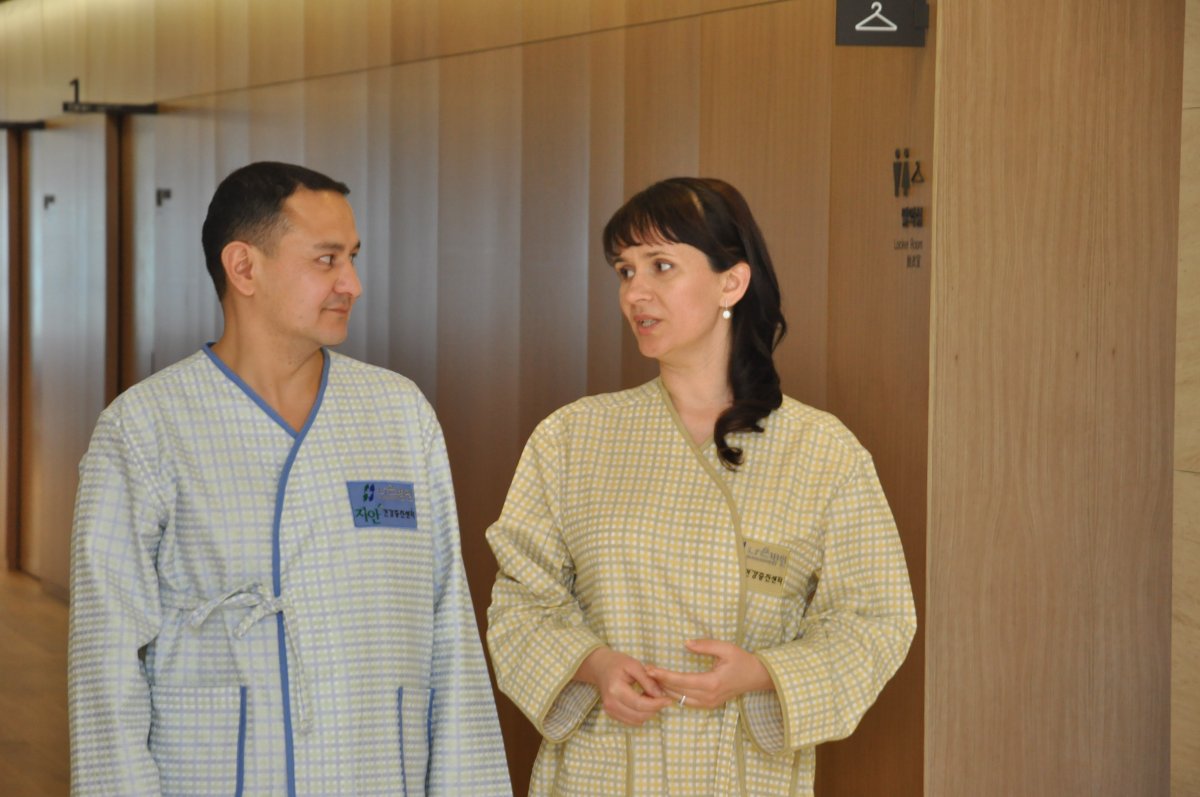
Los hospitales de Corea del Sur brindan servicios integrales para pacientes internacionales a través de centros de atención médica dedicados. Instalaciones como el Hospital General de Gibbeum atienden a pacientes de más de 56 países. Los servicios incluyen apoyo multilingüe, asistencia con visas y atención médica integral. La mayoría de los centros cuentan con la acreditación KOIHA para cumplir con los estándares internacionales de seguridad.
- Coordinación internacional: Oficinas dedicadas proporcionan coordinadores e intérpretes de habla inglesa.
- Apoyo administrativo: Los hospitales ayudan con las solicitudes de visa y los informes médicos.
- Logística optimizada: El alta el mismo día y los modelos de tratamiento de «ventanilla única» son comunes.
- Diagnóstico avanzado: Las instalaciones utilizan tomografías computarizadas de baja dosis e imágenes de alta resolución para casos de hernia.
Perspectiva del experto de Bookimed: La calidad va más allá de los rankings globales. El Hospital General de Gibbeum en Seúl mantiene una tasa de recurrencia de hernia inferior al 0,3 % utilizando la técnica de reparación de Kang. Esta tasa de éxito es poco común. Se logra a través de la especialización de alto volumen. Los centros especializados a menudo superan a los hospitales universitarios generales en resultados quirúrgicos.
Consenso d