Tratamiento de Hernia incisional en España — obtenga 3 coincidencias personalizadas de clínicas


Revisado médicamente por
Fahad Mawlood
Cómo funciona
¿Cuál es el precio del diagnóstico y los tratamientos de Hernia incisional en España? Descubra ahora
Descubra las mejores clínicas de tratamiento de Hernia incisional en España: 3 opciones verificadas y Precios


Dr. Santos Jiménez de los Galanes

Clínica de Gastroenterología y Proctología Centro PAD
Carlos Garcia Vasquez


Obtenga una evaluación médica de tratamiento de Hernia incisional en España: haga una consulta con 10 médicos experimentados ahora
Ver todos los médicosCarlos Garcia Vasquez
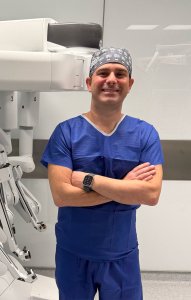
Cirujano general y del aparato digestivo. Enfoque en cirugía colorrectal, proctológica y de pared abdominal mínimamente invasiva. Jefe adjunto, Hospital Universitario Infanta Elena (2021–). Cirujano asociado, Fundación Jiménez Díaz (2013–).
Acreditaciones: Doctor en Cirugía, sobresaliente cum laude (UAM). Certificado en cirugía robótica (Da Vinci X/Xi/5). Formación avanzada en cirugía general laparoscópica (IRCAD, Estrasburgo). Especialista en Cirugía General y del Aparato Digestivo (F

Xavier Centeno Fornies
32 años especializado en cirugía abdominal, incluyendo la reparación de hernias incisionales, en el Centro Médico Teknon – uno de los hospitales líderes de España.
- Formación de subespecialidad (fellowship) en cirugía colorrectal en la Clínica Mayo
- Experto en técnicas laparoscópicas para la reparación de hernias
- Acreditado por la ERAS-Society para protocolos de recuperación acelerada
- Miembro activo de la Sociedad Americana de Cirujanos de Colon y Recto
Cesar Canales Bedoya
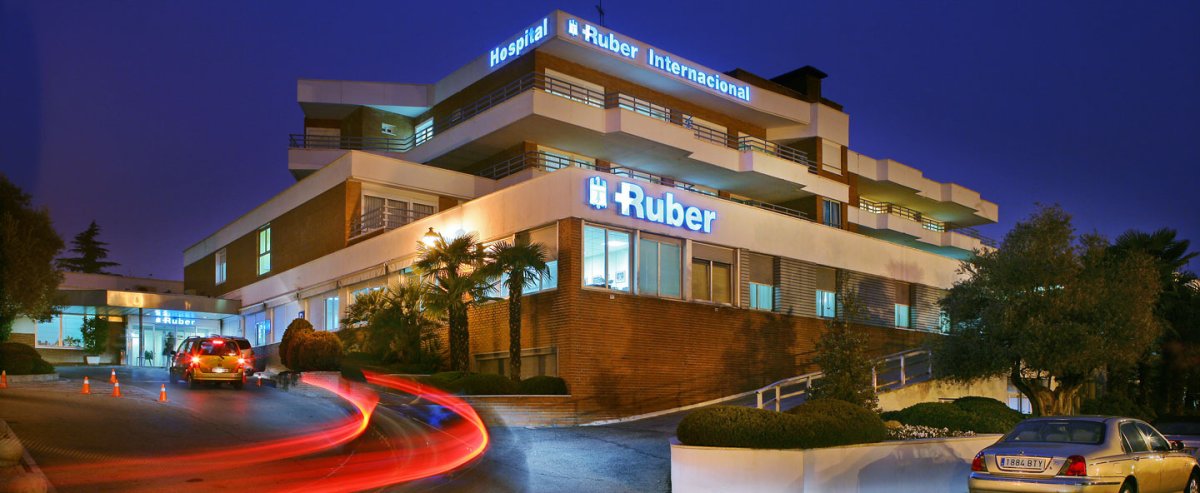
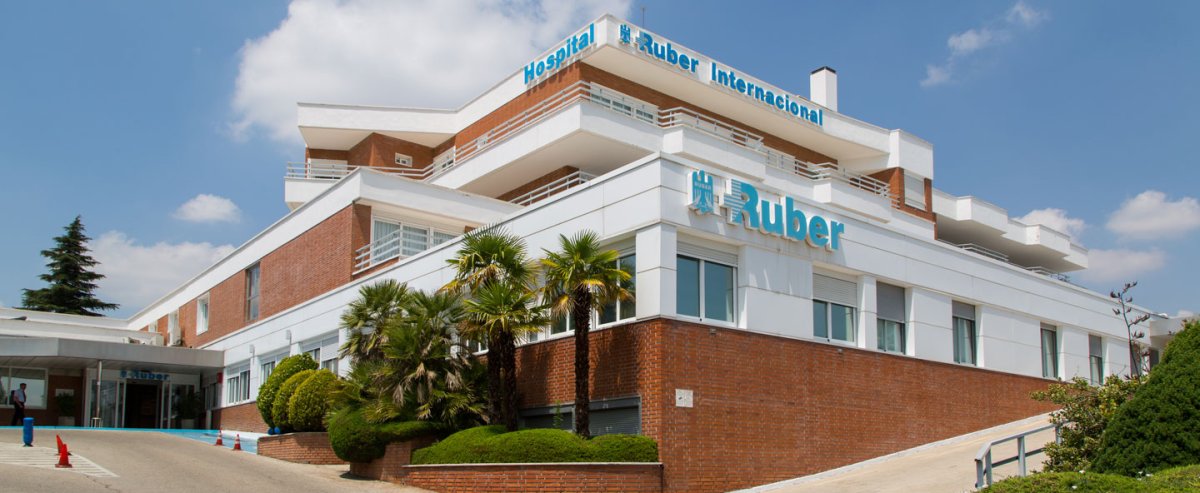
El Dr. César Canales dirige desde 2015 el Servicio de Cirugía General y del Aparato Digestivo y la Unidad de Cirugía Laparoscópica y Robótica del Hospital Ruber Internacional (Madrid). Es cirujano general y del aparato digestivo con más de 30 años de experiencia. Está especializado en cirugía laparoscópica y robótica Da Vinci para casos complejos abdominales, oncológicos y de la pared abdominal.
Doctor en Medicina (cum laude, UAM) y licenciado en Medicina (con honores, UCM). Completó l
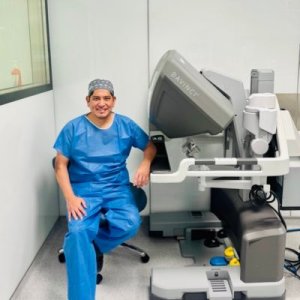
Cesar Levano Linares
El Dr. César Lévano Linares es especialista en cirugía general y del aparato digestivo. Trabaja en el Hospital Universitario Rey Juan Carlos y en el Hospital Universitario Fundación Jiménez Díaz. Es reconocido por su labor en cirugía colorrectal laparoscópica.
Es doctor en Medicina y Cirugía por la Universidad Autónoma de Madrid. Completó un máster en cirugía colorrectal y del suelo pélvico en la Universidad de Zaragoza. Asimismo, posee un diploma en cirugía laparoscópica por la Univer
Compartir contenido
Historias en video de pacientes de Bookimed
 Olena Sikoza
Preguntas frecuentes sobre el tratamiento de Hernia incisional en España
¿Qué es una hernia incisional y por qué aparece después de una cirugía previa?
Una hernia incisional ocurre cuando el tejido abdominal empuja a través de una cicatriz quirúrgica previa. Se forma cuando la pared abdominal no logra sanar completamente. Los cirujanos cortan el músculo y la fascia durante la cirugía. Incluso una curación exitosa solo restaura el 80% de la fuerza original del tejido.
- Fallo mecánico: La presión interna fuerza a los órganos abdominales a través del tejido cicatricial quirúrgico debilitado o delgado.
- Interferencia en la cicatrización: Las infecciones postoperatorias en el sitio de la incisión degradan significativamente la integridad del tejido local.
- Esfuerzo físico: Levantar objetos pesados poco después de la cirugía separa prematuramente las capas musculares en proceso de curación.
- Factores del paciente: Condiciones como la diabetes o la obesidad debilitan la producción de colágeno y ralentizan el cierre de la herida.
Perspectiva del experto de Bookimed: Los centros quirúrgicos españoles como el Centro PAD utilizan plataformas robóticas Da Vinci para tratar hernias complejas. Esta tecnología de precisión permite a especialistas como el Dr. Carlos Garcia Vasquez aplicar materiales protésicos patentados. Este enfoque a menudo resulta en una mayor estabilidad estructural en comparación con los métodos tradicionales de reparación abierta.
Consenso de los pacientes:
¿Qué técnicas quirúrgicas se utilizan para reparar una hernia incisional en España y si incluyen opciones mínimamente invasivas?
Las clínicas españolas ofrecen reparaciones avanzadas de hernias incisionales utilizando técnicas laparoscópicas, robóticas y de malla abierta. La cirugía mínimamente invasiva es el estándar para la mayoría de los casos. Los cirujanos españoles utilizan el sistema Da Vinci para reconstrucciones complejas de la pared abdominal. Las instalaciones a menudo cuentan con la acreditación de la Joint Commission International (JCI) para garantizar altos estándares de seguridad.
- Opciones mínimamente invasivas: Las reparaciones laparoscópicas y robóticas Da Vinci reducen el dolor y las cicatrices.
- Sistemas robóticos: El Hospital Ruber Internacional utiliza el Da Vinci Xi para una colocación precisa de la malla.
- Reconstrucción avanzada: Los cirujanos realizan separaciones de componentes y colocación de malla retromuscular para defectos grandes.
- Experiencia especializada: Médicos líderes como el Dr. Cesar Canales Bedoya poseen más de 30 años de experiencia.
Perspectiva del experto de Bookimed: Los centros españoles de cirugía de pared abdominal priorizan las certificaciones especializadas sobre la práctica general. El Centro PAD es la única instalación en España con certificación ISO 45001 de salud y seguridad ocupacional. Elegir un centro con esta credencial específica garantiza que todo el entorno quirúrgico cumpla con rigurosos protocolos interna
¿Qué papel desempeña la malla en la reparación de hernias incisionales en España, y se utiliza tanto en procedimientos laparoscópicos como abiertos?
La malla quirúrgica es el estándar de oro para la reparación de hernias incisionales en España. Sirve como un andamio mecánico para prevenir recurrencias. Los cirujanos españoles utilizan mallas tanto en procedimientos abiertos como laparoscópicos para reforzar la pared abdominal y garantizar una estabilidad a largo plazo para los pacientes.
- Estándar de atención: Las guías recomiendan el uso de malla para casi todas las hernias con el fin de evitar altas tasas de recurrencia.
- Abordaje abierto: Preferido para defectos mayores de 10 cm o reconstrucciones complejas de la pared abdominal.
- Método laparoscópico: Utilizado para defectos de pequeños a moderados, reduciendo a menudo los riesgos de infección y las estancias hospitalarias.
- Materiales de malla: Los cirujanos utilizan mallas compuestas especializadas en laparoscopia para prevenir adherencias internas.
- Técnicas de colocación: Los métodos comunes incluyen sublay para cirugía abierta e IPOM para laparoscopia.
Perspectiva del experto de Bookimed: La experiencia quirúrgica española está altamente concentrada en Madrid y Valencia, donde especialistas como el Dr. Carlos Garcia Vasquez poseen patentes para sistemas protésicos de pared abdominal. Este nivel de innovación sugiere que los pacientes en centros especializados como el Centro PAD se benefician de técnicas
¿Cuánto dura el período típico de recuperación y qué incluyen los cuidados postoperatorios en las clínicas españolas?
La recuperación tras el tratamiento de una hernia incisional en España suele durar de 1 a 2 semanas para las actividades diarias. La actividad física completa suele requerir de 6 a 24 semanas, dependiendo de la complejidad quirúrgica. Las clínicas españolas utilizan protocolos acreditados por la Joint Commission International para garantizar una curación rápida y altas tasas de supervivencia.
- Fase inicial: La estabilización inicial de la herida y la transición a la movilidad ocurren dentro de los primeros 14 días.
- Recuperación intermedia: Los pacientes recuperan la fuerza y flexibilidad del núcleo entre 2 y 8 semanas después de la cirugía.
- Protocolos ERAS: Los centros españoles priorizan vías de recuperación mejorada para minimizar las estancias hospitalarias y las molestias.
- Cuidados avanzados: La analgesia multimodal y la reintroducción nutricional temprana favorecen una recuperación más rápida de la función intestinal.
Perspectiva del experto de Bookimed: La experiencia quirúrgica española a menudo se centra en la reconstrucción avanzada de la pared abdominal. El Dr. Carlos Garcia Vasquez del Centro PAD incluso patentó un sistema específico para implantar materiales protésicos. Este nivel de especialización, combinado con plataformas robóticas Da Vinci, a menudo permite que los pacientes sean dados de alta el mismo día o después de u
¿Por qué se enfatiza la experiencia especializada en cirugía de pared abdominal en los centros españoles?
España es un líder mundial en cirugía de pared abdominal debido a su sistema de acreditación formal para unidades especializadas. La Asociación Española de Cirujanos exige estándares rigurosos para la atención de alto volumen y la investigación. Esta experiencia reduce la recurrencia de hernias en un 6% mediante técnicas innovadoras como la separación posterior de componentes de Madrid.
- Seguimiento de calidad: El registro EVEREG monitorea los resultados en el 40% de los hospitales nacionales españoles.
- Acreditación especializada: Las unidades deben demostrar altos volúmenes quirúrgicos y producción de investigación para la certificación oficial.
- Formación avanzada: Los cirujanos a menudo completan un Máster de Formación Permanente competitivo en Cirugía de Pared Abdominal.
- Innovaciones: Los centros españoles son pioneros en técnicas como el enfoque de Madrid para defectos musculares complejos.
Perspectiva del experto de Bookimed: La experiencia de España atrae a talentos de primer nivel como el Dr. Cesar Canales Bedoya, clasificado entre los 100 mejores médicos de Forbes. El Dr. Carlos Garcia Vasquez incluso posee una patente para un sistema protésico de pared abdominal patentado. Este enfoque en la innovación individual explica por qué los centros españoles ofrecen reparaciones robóticas avanzadas utilizando el sistema Da Vinci Xi.
¿Cuáles son las principales ventajas de someterse a una reparación de hernia incisional en España en comparación con otros destinos?
España ofrece altos estándares de seguridad para la reparación de hernias incisionales a través del registro nacional EVEREG. Los pacientes acceden a plataformas robóticas avanzadas como Da Vinci en instalaciones acreditadas por la Joint Commission International. Los cirujanos especializados a menudo poseen patentes para sistemas de malla de pared abdominal. Las clínicas privadas ofrecen programación inmediata sin listas de espera.
- Seguimiento de seguridad: La base de datos EVEREG monitorea los resultados para garantizar tasas bajas de complicaciones a nivel nacional.
- Credenciales de expertos: Cirujanos como el Dr. Carlos Garcia Vasquez poseen patentes para sistemas de implantación protésica.
- Tecnología avanzada: Instalaciones como el Hospital Ruber Internacional utilizan Da Vinci Xi para una reconstrucción precisa.
- Acceso rápido: Los hospitales privados ofrecen fechas de cirugía casi inmediatas en comparación con las esperas de 8 meses en el sector público.
Perspectiva del experto de Bookimed: El liderazgo de España en cirugía de pared abdominal está impulsado por cirujanos que son tanto investigadores como profesionales. Por ejemplo, los clínicos del Centro PAD desarrollan sus propios sistemas de implantación patentados. Esta profunda participación técnica a menudo resulta en una colocación de malla personalizada que mejora la estabil