Tratamiento de Cáncer de nasofaringe en España — obtenga 3 coincidencias personalizadas de clínicas


Revisado médicamente por
Fahad Mawlood
Cómo funciona
¿Cuál es el precio del diagnóstico y los tratamientos de Cáncer de nasofaringe en España? Descubra ahora
El costo total del tratamiento del cáncer nasofaríngeo en España varía según el plan de tratamiento y los requisitos individuales. Una consulta inicial con un oncólogo tiene un precio de 617 €, mientras que un plan de radioterapia de 6 semanas varía de 18.670 € a 25.920 €, dependiendo de las sesiones y las necesidades de imagen. La terapia de protones, un método de vanguardia, se estima en 75.760 € para un curso completo. El plan de tratamiento se personaliza después de una evaluación detallada de la condición del paciente.
| España | Turquía | México | |
|---|---|---|---|
| Halcyon | ≈ $6,500 | ≈ $9,500 | ≈ $14,000 |
Descubra las mejores clínicas de tratamiento de Cáncer de nasofaringe en España: 11 opciones verificadas y Precios






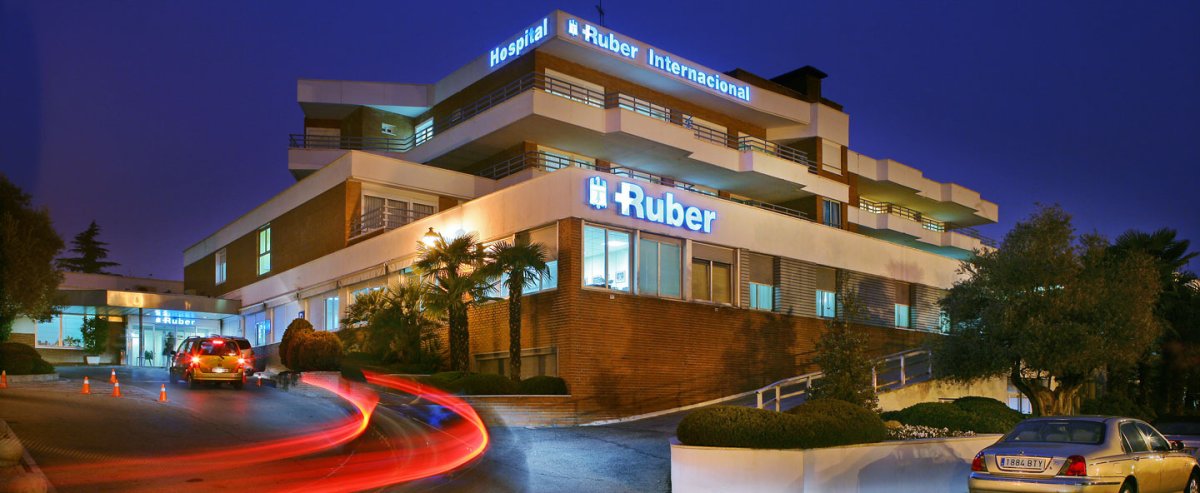



Hospital Sant Joan de Déu Barcelona






GenesisCare Clinics
Obtenga una evaluación médica para Cáncer de nasofaringe en España: consulte con doctores experimentados ahora
Ver todos los médicos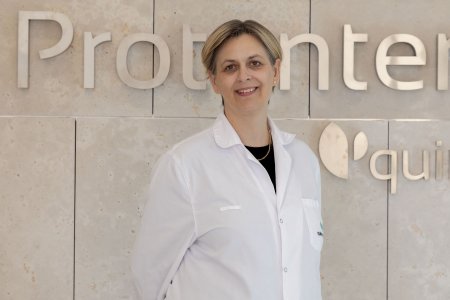
Stephanie Lilianne E Bolle
La Dra. Stephanie Lilianne E. Bolle es oncóloga radioterápica y jefa de Oncología Radioterápica del Centro de Protonterapia de Quirónsalud en Madrid. Dirige el departamento desde julio de 2024. Es el primer centro de protonterapia de España.
Doctora en Medicina, Universidad de Lieja (1998). Especialista en Oncología Radioterápica (2003). Es miembro activo de la Sociedad Europea de Oncología Pediátrica y colabora con su Grupo de Tumores Cerebrales y el Grupo de Trabajo de Oncología Radi
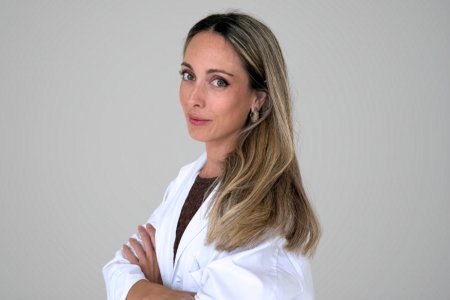
María José Morán Soto
La Dra. María José Morán Soto es cirujana oral, de cabeza y cuello en el Hospital Memorial Publio Cordón de Madrid. Realiza cirugía oncológica para cánceres de lengua, amígdalas, laringe y tiroides. La Dra. Morán Soto lleva a cabo procedimientos reconstructivos complejos para la recuperación funcional tras la extirpación de tumores. El hospital es un centro acreditado por la JCI en España con una plantilla de más de 110 especialistas.
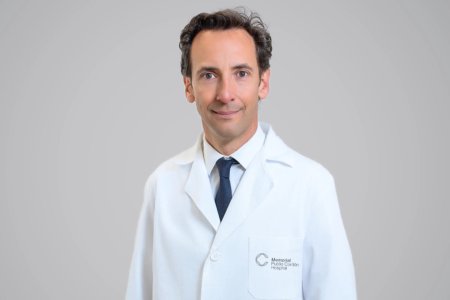
Antonio Fernández García
El Dr. Antonio Fernández García es cirujano maxilofacial y de cabeza y cuello en el Hospital Memorial Publio Cordón de Madrid. Está especializado en oncología quirúrgica y cirugía reconstructiva.
Trata cánceres de cabeza y cuello, incluidos el cáncer de laringe, lengua y amígdalas. El hospital cuenta con la acreditación de la JCI por sus estándares de seguridad y calidad.
Compartir contenido
Historias en video de pacientes de Bookimed
 Olena Sikoza
Preguntas frecuentes sobre el tratamiento de Cáncer de nasofaringe en España
¿Cuáles son las principales opciones de tratamiento disponibles para el cáncer de nasofaringe en España?
El tratamiento principal para el cáncer de nasofaringe en España se centra en la atención multidisciplinaria en centros acreditados por la JCI. Los centros especializados utilizan la radioterapia de intensidad modulada (IMRT) como estándar de oro. Los casos avanzados a menudo requieren quimiorradioterapia concurrente o quimioterapia de inducción. La terapia de protones y los ensayos clínicos dirigidos ofrecen opciones adicionales en Madrid y Barcelona.
- Radioterapia: Pilar fundamental para todas las etapas utilizando técnicas modernas de radioterapia de intensidad modulada (IMRT).
- Quimiorradioterapia: Enfoque estándar para etapas localmente avanzadas que combina radiación con quimioterapia concurrente.
- Terapia de protones: Radiación dirigida disponible en el Proton Therapy Centre Quironsalud en Madrid.
- Quimioterapia de inducción: Administrada antes de la radiación para reducir los tumores y controlar la afectación linfática de alto riesgo.
Perspectiva de expertos de Bookimed: España ofrece una ventaja única para casos pediátricos y de alta precisión. El Hospital Infantil SJD de Barcelona atiende a 450.000 pacientes al año como uno de los principales centros pediátricos europeos. Para adultos, el Proton Therapy Centre Quironsalud fue el primero en España. Proporciona una radiación de alta precisión que preserva los tejidos sanos cerca de
¿Está disponible la terapia de protones en España para tumores nasofaríngeos?
La terapia de protones está disponible en España para tumores nasofaríngeos. Centros especializados en Madrid y Pamplona utilizan el escaneo de haz de lápiz (pencil-beam scanning) para tratar tumores cerca del tronco encefálico. Estas instalaciones acreditadas por la JCI proporcionan radiación de precisión. Esta tecnología preserva el tejido sano y reduce los efectos secundarios a largo plazo.
- Tecnología disponible: Las instalaciones utilizan sistemas avanzados de sincrotrón Proteus ONE y Hitachi.
- Precisión del objetivo: La radiación protege los nervios ópticos y las glándulas salivales cerca de la base del cráneo.
- Programa de tratamiento: Los pacientes reciben sesiones diarias ambulatorias durante varias semanas consecutivas.
- Certificaciones clínicas: Los centros líderes cuentan con acreditaciones de la Joint Commission International y la ESMO.
Opinión de expertos de Bookimed: España se ha convertido en un importante centro europeo de radioterapia, aunque la terapia de protones se concentra en Madrid y Pamplona. Nuestros datos muestran que centros de alto volumen como la Clinica Universidad de Navarra tratan a 140.000 pacientes al año. Esta escala masiva a menudo permite revisiones multidisciplinarias de comités de tumores más rápidas en comparación con clínicas regionales más pequeñas.
Consenso de los pacientes:
¿Qué hospitales españoles están especializados en el tratamiento del carcinoma nasofaríngeo?
Los hospitales españoles en Madrid, Barcelona y Pamplona son líderes en el cuidado del carcinoma nasofaríngeo a través de comités de tumores multidisciplinarios. Centros como el Centro Médico Teknon y el Proton Therapy Centre Quirónsalud se especializan en IMRT y terapia de protones. Estas instalaciones acreditadas por la JCI se centran en preservar las funciones del habla y la deglución para casos complejos.
- Centro de terapia de protones: La instalación de Madrid utiliza Proteus One para una precisión milimétrica cerca de los nervios ópticos.
- Cirugía mínimamente invasiva: El Centro Médico Teknon realiza cirugía robótica transoral utilizando Da Vinci Xi.
- Experiencia pediátrica: El SJD Barcelona Children Hospital gestiona casos raros en adolescentes con protocolos especializados.
- Oncología académica: La Clínica Universidad de Navarra integra inmunoterapia y radioterapia dirigida para estadios metastásicos.
Perspectiva del experto de Bookimed: El volumen de pacientes es un indicador importante de la experiencia en España. El Centro Médico Teknon y el Hospital Quirón Barcelona atienden a más de 40.000 pacientes al año porque se centran en la coordinación multidisciplinaria. Seleccionar un centro con un alto volumen de procedimientos como estos garantiza que el equipo clínico tenga una profunda experiencia en el manejo de los desafíos nutri
¿Cuáles son los resultados clínicos esperados y las tasas de éxito para el cáncer de nasofaringe tratado en España?
Los protocolos modernos en España logran una tasa de supervivencia global a 5 años del 78,7 % para el cáncer de nasofaringe. Los centros utilizan radioterapia de intensidad modulada junto con quimioterapia concurrente para alcanzar estos resultados. El subtipo no queratinizante muestra una tasa de supervivencia específica del 84,4 %. El éxito depende en gran medida del estadio en el momento del diagnóstico.
- Supervivencia en estadios tempranos: Los tratamientos tempranos arrojan una tasa de supervivencia libre de metástasis a distancia del 92 % al 94 %.
- Resultados en estadios localmente avanzados: Las combinaciones multimodales dan como resultado una tasa de supervivencia a 5 años del 70 % al 80 %.
- Supervivencia libre de enfermedad: Las cohortes recientes reportan una tasa de supervivencia libre de enfermedad a 5 años del 68,4 % para estadios avanzados.
- Complicaciones funcionales: La xerostomía a largo plazo o sequedad bucal crónica afecta aproximadamente al 53,5 % de los pacientes tratados.
Perspectiva del experto de Bookimed: Los centros oncológicos españoles como Quirónsalud Madrid y Centro Médico Teknon a menudo priorizan los ensayos clínicos para casos avanzados. El Proton Therapy Centre Quirónsalud, el primero de su tipo en España, proporciona una ventaja significativa para los tumores nasofaríngeos. Esta tecnología permite una rad
¿Cómo se trata el cáncer de nasofaringe recurrente o avanzado en España?
Los centros oncológicos españoles gestionan el cáncer de nasofaringe recurrente o avanzado mediante protocolos multidisciplinarios individualizados. El tratamiento combina cirugía de rescate para casos localizados o reirradiación avanzada mediante terapia de protones. La enfermedad en etapa avanzada integra quimioterapia basada en platino con inmunoterapia bajo las directrices de la Sociedad Española de Oncología Médica para mejorar los resultados de supervivencia.
- Cirugía de rescate: Se prefiere la nasofaringectomía endoscópica para recurrencias localizadas rT1-rT2 para reducir complicaciones.
- Radioterapia dirigida: Los centros de Madrid y Barcelona priorizan la terapia de protones y la IMRT para una reirradiación segura.
- Terapia sistémica: El tratamiento de primera línea implica gemcitabina y cisplatino combinados con inhibidores inmunitarios anti-PD-1.
- Monitoreo de biomarcadores: La cuantificación regular del ADN del virus de Epstein-Barr en plasma rastrea la recurrencia molecular con alta precisión.
Perspectiva del experto de Bookimed: Aunque muchos buscan atención en grandes centros, la elección entre Madrid y Barcelona a menudo depende de la disponibilidad de tecnología específica. Madrid alberga el primer Centro de Terapia de Protones dedicado, Quironsalud, que es vital para reirradiar áreas sensibles cerca del tronco encefálico.
¿Cuánto tiempo deben planificar los pacientes internacionales su estancia en España para un tratamiento completo del cáncer de nasofaringe?
Los pacientes internacionales deben planificar una estancia de 8 a 12 semanas en España para el tratamiento del cáncer de nasofaringe. Este periodo incluye la confirmación diagnóstica, un ciclo de radioterapia de 6 a 7 semanas y de 1 a 4 semanas de recuperación aguda antes de regresar a casa.
- Fase de pre-tratamiento: Requiere 1 semana para exploraciones PET-TC, verificación de biopsia y fabricación de la máscara de radioterapia.
- Ciclo de radioterapia: Requiere fracciones diarias 5 días a la semana durante 6 a 7 semanas.
- Integración de la quimioterapia: Añade visitas de laboratorio y sesiones de seguimiento adicionales al programa de tratamiento semanal.
- Periodo de recuperación: Los pacientes permanecen de 1 a 4 semanas después del tratamiento para controlar la inflamación y la fatiga.
Opinión del experto de Bookimed: España alberga centros altamente especializados como el Proton Therapy Centre Quironsalud, que es la primera instalación de este tipo en el país. Elegir la terapia de protones en lugar de la radioterapia estándar puede ser un factor decisivo para los casos de nasofaringe. Esta tecnología se dirige a los tumores con extrema precisión, reduciendo potencialmente la gravedad de los efectos secundarios durante esa fase crítica de recuperación de 4 semanas.
Consenso de los pacientes: Los pacientes enfatiza
¿Existe asistencia lingüística para pacientes extranjeros que buscan tratamiento para el cáncer de nasofaringe en España?
España ofrece un sólido apoyo lingüístico a los pacientes extranjeros con cáncer de nasofaringe a través de departamentos internacionales dedicados en centros oncológicos privados. Los principales hospitales de Barcelona y Madrid ofrecen coordinadores multilingües e intérpretes médicos. Estos servicios garantizan una comunicación clara durante los complejos protocolos de radioterapia y quimioterapia.
- Departamentos internacionales: Equipos dedicados gestionan las citas y los registros médicos para pacientes que no hablan español.
- Coordinadores médicos: El personal bilingüe ayuda en las consultas y sesiones de imagen en Teknon.
- Servicios de traducción: Las clínicas proporcionan traducciones escritas de informes de patología y resúmenes de PET/TC.
- Idiomas universales: El inglés y el ruso cuentan con un amplio soporte en los principales centros acreditados por la JCI.
Opinión de expertos de Bookimed: Aunque centros privados como el Centro Médico Teknon o la Clínica Universidad de Navarra ofrecen un soporte en inglés fluido, las discusiones técnicas sobre la planificación de la radiación a menudo requieren terminología médica especializada. Observamos que los centros de gran volumen que tratan a más de 10.000 pacientes al año tienen equipos lingüísticos más experimentados y acostumbrados a casos oncológicos complejos. Elegir una clínica con