Tratamiento de Cáncer de nasofaringe en Turquía — obtenga 3 coincidencias personalizadas de clínicas


Revisado médicamente por
Fahad Mawlood
Cómo funciona
¿Cuál es el precio del diagnóstico y los tratamientos de Cáncer de nasofaringe en Turquía? Descubra ahora
El costo del tratamiento del cáncer nasofaríngeo en Turquía varía según el plan de tratamiento. Los diagnósticos iniciales, como una tomografía PET-CT, cuestan 660 €, y una resonancia magnética del cuello con contraste es de 710 €. Las sesiones de quimioterapia tienen un precio de 1.230 € cada una, mientras que la radioterapia, que puede durar de 25 a 30 sesiones, cuesta alrededor de 5.660 €. La inmunoterapia varía de 3.770 € a 5.660 € por sesión. El programa de tratamiento se adapta después de una evaluación exhaustiva por parte del equipo médico, considerando las necesidades específicas de cada paciente.
| España | Turquía | México | |
|---|---|---|---|
| Halcyon | ≈ $6,500 | ≈ $9,500 | ≈ $14,000 |
Descubra las mejores clínicas de tratamiento de Cáncer de nasofaringe en Turquía: 27 opciones verificadas y Precios





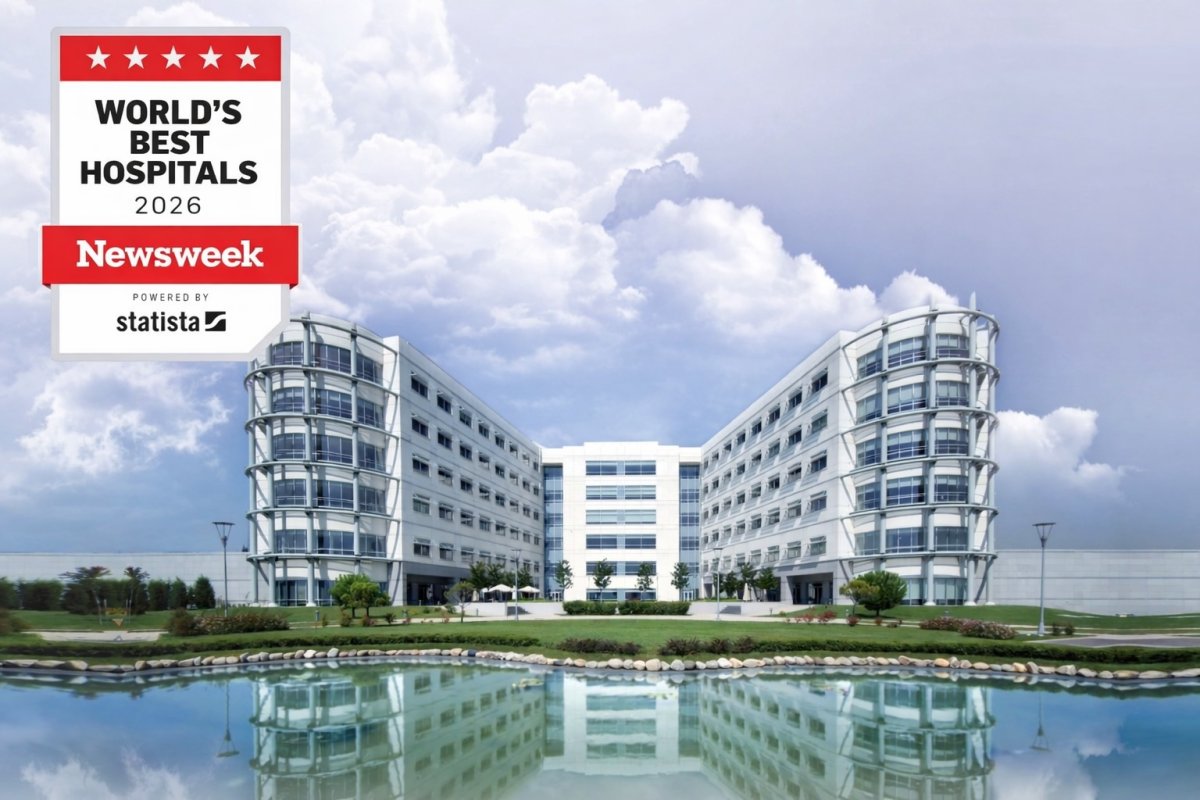
Centro médico Anadolu
Bulent Karagoz



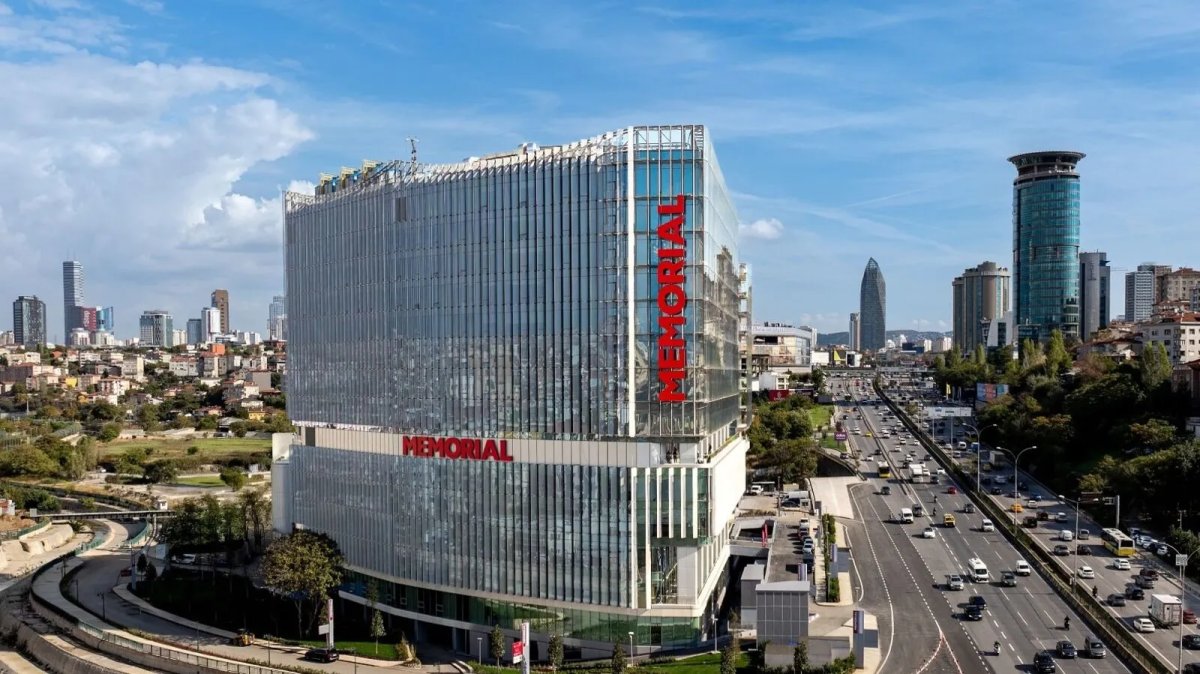
Memorial Göztepe Hospital



Memorial Ankara Hospital
Obtenga una evaluación médica de tratamiento de Cáncer de nasofaringe en Turquía: haga una consulta con 39 médicos experimentados ahora
Ver todos los médicosBulent Karagoz
El médico es un oncólogo médico turco altamente experimentado, especializado en sarcoma, linfoma, cáncer de páncreas, pulmón y mama. Con más de 20 años de experiencia, el médico se centra en la biología tumoral, la inmunología tumoral, la inmunoterapia del cáncer y las terapias dirigidas. Desde 2019, el médico ha estado sirviendo como oncólogo médico en el Centro Médico Anadolu y anteriormente ocupó roles de liderazgo en la Facultad de Medicina de la Universidad Okan de Estambul y en el Hospi
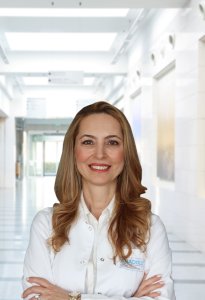
Banu Atalar
La Dra. Banu Atalar es oncóloga radioterápica con certificación de especialidad (Turquía, 2004). Es catedrática en la Universidad Acibadem MAA (2018–presente) y médica en Anadolu Medical Center (2026–presente). Se formó en Estambul y en Cerrahpaşa. En 2011 completó una beca de investigación clínica en Stanford en radiocirugía estereotáctica. Su práctica se centra en tumores del SNC, torácicos y gastrointestinales. Aproximadamente el 75% de su actividad clínica implica SRS y SRS adaptativa gui
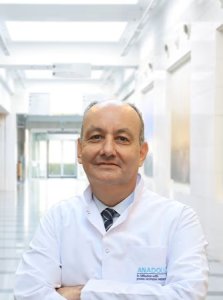
Mehmet Emre Ustundag
El Prof. Dr. M. Emre Üstündağ es profesor de Otorrinolaringología–Cirugía de Cabeza y Cuello en el Anadolu Medical Center de Gebze. Es profesor en la Universidad de Kocaeli desde 2006. Completó su título de médico (MD) y la residencia en ORL en la Universidad de Estambul entre 1983 y 1995. Ha trabajado en las universidades de Estambul y Kocaeli y en los hospitales Acıbadem. Además, mantiene consulta privada desde 2006.
Enfoque clínico: oncología y cirugía de cabeza y cuello; rinología
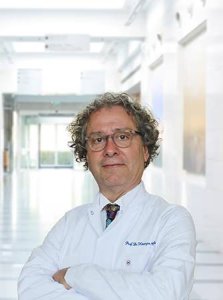
Huseyin Baloglu
El Prof. Hüseyin Baloğlu es especialista en patología en el Centro Médico Anadolu, en Gebze, Kocaeli, Turquía. Se centra en la patología molecular y quirúrgica, y en la biopsia y el diagnóstico de tumores.
Formación y acreditaciones: Médico (MD), Escuela de Medicina de GATA (1986). Especialidad en Patología, GATA (1992). Profesor asociado (Doçent), GATA (2004). Investigador visitante en el Albert Einstein College of Medicine (Nueva York) y la Universidad de Heidelberg.
Logros: a
Reseñas
Todas las reseñasCompartir contenido
Historias en video de pacientes de Bookimed
 Olena Sikoza
Preguntas frecuentes sobre el tratamiento de Cáncer de nasofaringe en Turquía
¿Por qué debería elegir Turquía para el tratamiento del cáncer nasofaríngeo?
Turquía es un destino líder para el tratamiento del cáncer nasofaríngeo debido a sus instalaciones acreditadas por la JCI y sus avanzadas tecnologías de radiación. Centros como el Centro Médico Anadolu colaboran con Johns Hopkins. Ofrecen protocolos especializados como Halcyon y CyberKnife para atacar tumores cerca de la base del cráneo con precisión submilimétrica.
- Experiencia especializada: El Prof. Dr. Necdet Uskent fue pionero en la oncología turca y el trasplante de médula ósea.
- Tecnología avanzada: Las clínicas utilizan sistemas Halcyon y CyberKnife para la radiación de alta precisión de tumores profundos.
- Clasificaciones mundiales: El Centro Médico Anadolu se encuentra entre los 10 mejores hospitales del mundo según MTQUA.
- Volumen internacional: El Hospital Universitario Medipol Mega atiende a más de 1,200,000 pacientes internacionales cada año.
Opinión de experto de Bookimed: Los centros oncológicos turcos a menudo utilizan un enfoque de comité de tumores para los casos nasofaríngeos. Esto reúne a neurocirujanos, especialistas en otorrinolaringología y oncólogos radioterápicos. En el Centro Médico Anadolu, este equipo multidisciplinario incluye médicos con más de 20 años de experiencia. Esta colaboración es vital porque estos tumores se sitúan extremadamente cerca de nervios críticos y del cerebro.
Consenso de los
¿Qué hospitales turcos se recomiendan para el tratamiento del cáncer nasofaríngeo?
Los hospitales turcos recomendados para el cáncer nasofaríngeo incluyen Anadolu Medical Center, Memorial Şişli y el Hospital Universitario Medipol Mega. Estos centros acreditados por la JCI brindan atención multidisciplinaria. Utilizan diagnósticos avanzados de PET/CT junto con radioterapia Halcyon y protocolos quirúrgicos especializados de cabeza y cuello para obtener resultados óptimos para los pacientes.
- Anadolu Medical Center: Afiliado al Hospital Johns Hopkins y clasificado a nivel mundial por su oncología intervencionista especializada.
- Memorial Şişli Hospital: Primer centro acreditado por la JCI en Turquía con 13 quirófanos quirúrgicos avanzados.
- Medipol Mega University: Complejo a gran escala que trata a más de 1.000.000 de pacientes al año con CyberKnife y Gamma Knife.
- Memorial Göztepe Hospital: Instalación inteligente equipada con MR Linac y resonancia magnética de 3 Teslas asistida por IA.
Perspectiva del experto de Bookimed: Aunque muchos eligen clínicas basándose en el nombre de la marca, el Anadolu Medical Center destaca por la profundidad de su oncología médica. El Prof. Dr. Seref Komurcu y el Prof. Dr. Bulent Karagoz aportan cada uno más de 20 años de experiencia. Este volumen de especialistas senior garantiza planes de tratamiento de alta precisión para casos complejos nasofaríngeos.
Consenso de los pacie
¿Qué protocolos de tratamiento se utilizan para el cáncer nasofaríngeo en Turquía?
Los protocolos turcos priorizan la atención multidisciplinaria utilizando radioterapia de intensidad modulada (IMRT) y quimioterapia basada en cisplatino. Los especialistas utilizan aceleradores lineales Halcyon para una orientación precisa. Los planes de tratamiento a menudo combinan quimiorradiación concurrente con quimioterapia de inducción o adyuvante para etapas avanzadas. Estos protocolos logran tasas de supervivencia a 3 años del 89,5%.
- Técnicas de radioterapia: Los centros turcos utilizan VMAT e IMRT para proteger el tejido sano.
- Protocolos de quimioterapia: Aproximadamente el 85% de los pacientes reciben dosis basadas en cisplatino junto con radiación.
- Estadificación diagnóstica: La planificación precisa implica PET-CT y TC de los senos paranasales.
- Tecnologías avanzadas: El Hospital Memorial Göztepe emplea PET-CT digital y resonancia magnética asistida por IA.
Perspectiva del experto de Bookimed: Los centros oncológicos turcos a menudo combinan protocolos basados en EE. UU. con experiencia académica local. Por ejemplo, el Anadolu Medical Center mantiene una afiliación formal con Johns Hopkins Medicine. El Prof. Dr. Bulent Karagoz y la Prof. Dra. Yesim Yildirim aplican este enfoque de estándares internacionales a los casos de cabeza y cuello. Esta integración brinda a los pacientes acceso a investigaciones globales y opciones d
¿Cuáles son las tasas de éxito reportadas para el tratamiento del cáncer de nasofaringe en Turquía?
Los centros oncológicos turcos reportan una tasa de supervivencia global a 5 años del 80,5% para el carcinoma nasofaríngeo. La detección en etapas tempranas conduce a tasas de supervivencia que alcanzan el 100%. Los centros de tratamiento avanzados utilizan radioterapia de intensidad modulada (IMRT) moderna y sistemas Halcyon. Estas tecnologías logran tasas de control locorregional superiores al 90% en la mayoría de los casos.
- Supervivencia por etapa: La supervivencia en la etapa I es del 100%, mientras que en la etapa II alcanza el 95%.
- Resultados en etapas avanzadas: Los pacientes en etapa IVa-b muestran una tasa de supervivencia a 5 años del 67,2%.
- Tasas libres de recurrencia: La supervivencia regional libre de recurrencia se mantiene alta, en un 94,8% después del tratamiento.
- Herramientas de diagnóstico disponibles: Las clínicas utilizan PET/CT y tomografía computarizada de senos paranasales para una estadificación precisa.
Perspectiva de expertos de Bookimed: Los indicadores de calidad para este cáncer a menudo dependen de la infraestructura hospitalaria. El Centro Médico Anadolu, por ejemplo, está afiliado al Johns Hopkins Hospital. Informan que atienden a 65,000 pacientes anualmente. Grandes centros como Medipol Mega también ofrecen CyberKnife y Gamma Knife. Estas herramientas permiten una radiación más precisa y menos efectos se
¿Cuánto tiempo debo permanecer en Turquía para el curso completo de tratamiento?
El tratamiento del cáncer nasofaríngeo en Turquía suele requerir de 7 a 9 semanas para un curso completo. La estadificación diagnóstica lleva de 3 a 5 días. La radioterapia, que a menudo utiliza tecnologías como Halcyon o TrueBeam, suele durar entre 6 y 7 semanas de sesiones diarias.
- Fase de diagnóstico: Los escaneos PET-CT iniciales y las biopsias suelen tomar de 3 a 5 días hábiles.
- Curso de radiación: Las sesiones diarias de radiación en días laborables suelen durar entre 6 y 7 semanas en total.
- Ciclos de quimioterapia: Los protocolos combinados de quimio-radiación pueden extender su estadía según las recomendaciones específicas del médico.
- Periodo de recuperación: Los médicos a menudo aconsejan quedarse de 7 a 10 días después del tratamiento para controlar los efectos secundarios.
Perspectiva del experto de Bookimed: Los centros de gran volumen como el Centro Médico Anadolu, que atiende a 65,000 pacientes al año, a menudo agilizan los flujos de trabajo de diagnóstico. Su afiliación con el Hospital Johns Hopkins ayuda a reducir los tiempos de espera entre los escaneos iniciales y la planificación del tratamiento. Esta eficiencia puede ahorrar a los pacientes internacionales casi una semana completa de costos de alojamiento innecesarios.
Consenso de los pacientes: Los pacientes señalan que es fundamental permane
¿Qué documentos médicos debo llevar para garantizar la continuidad de la atención en Turquía?
Los pacientes deben proporcionar archivos digitales DICOM para resonancias magnéticas, tomografías computarizadas y exploraciones PET-CT, junto con informes radiológicos escritos. Los resultados recientes de biopsias y las láminas de patología originales son esenciales para una revisión secundaria. Los planes de radiación detallados y los regímenes de quimioterapia garantizan la precisión para tratamientos avanzados como la radioterapia Halcyon en los centros turcos.
- Estudios de imagen: Proporcione exploraciones de resonancia magnética y PET-CT en formato digital DICOM en un USB o disco.
- Materiales de patología: Traiga las láminas de biopsia originales y los bloques de parafina para la revisión de un patólogo turco.
- Registros de tratamiento: Incluya dosis de radiación previas, calendarios de quimioterapia e informes quirúrgicos detallados.
- Resultados de laboratorio: Suministre análisis de sangre recientes y marcadores del virus de Epstein-Barr (EBV) para la estadificación.
Perspectiva del experto de Bookimed: El Centro Médico Anadolu atiende a más de 65,000 pacientes al año y mantiene una asociación con el Hospital Johns Hopkins. Nuestros datos muestran que sus especialistas, como la Dra. Yesim Yildirim, a menudo requieren bloques de patología originales para confirmar marcadores moleculares antes de comenzar la inmunoterapia. Tenerlos
¿Será el idioma una barrera durante mi estancia?
El idioma no es una barrera para el tratamiento del cáncer de nasofaringe en los principales hospitales turcos. Los centros líderes acreditados por la JCI en Estambul y Antalya cuentan con departamentos dedicados a pacientes internacionales. Estas instalaciones ofrecen intérpretes médicos profesionales y coordinadores personales para gestionar la comunicación entre los pacientes, los oncólogos y el personal de enfermería.
- Servicios internacionales: El Centro Médico Anadolu ofrece coordinadores personales dedicados e intérpretes profesionales.
- Soporte lingüístico: El Hospital Memorial Antalya emplea personal que habla varios idiomas con fluidez para ayudar a los pacientes.
- Comunicación con especialistas: La Prof. Dra. Yesim Yildirim del Centro Médico Anadolu habla inglés con fluidez.
- Estándares de acreditación: Los hospitales acreditados por la JCI, como Medipol Mega, garantizan una comunicación clara con el paciente y su seguridad.
Perspectiva de expertos de Bookimed: Aunque los médicos de los centros principales a menudo hablan inglés, es posible que el personal administrativo y de enfermería no lo haga. El acceso a una oficina internacional es vital para gestionar cronogramas oncológicos complejos. Centros como el Centro Médico Anadolu o el Hospital Hisar atienden de 65.000 a 500.000 pacientes al año. Este volumen masivo garantiza que