Tratamiento de Cáncer de hígado etapa 2 en España — obtenga 3 coincidencias personalizadas de clínicas


Revisado médicamente por
Fahad Mawlood
Cómo funciona
¿Cuál es el precio del diagnóstico y los tratamientos de Cáncer de hígado etapa 2 en España? Descubra ahora
El costo del tratamiento del cáncer de hígado en etapa 2 en España generalmente comienza con una consulta con un oncólogo, que oscila entre $280 y $450. De $1,700. Los gastos dependen del nivel del hospital, la complejidad del tumor y la duración de la estancia. Los pacientes a menudo encuentran ahorros del 40-60% en comparación con los EE. UU. Barcelona y Madrid son los principales centros para este tratamiento.
Costos típicos del tratamiento del cáncer de hígado en etapa 2 en España
- Consulta con un oncólogo: $280 – $450
- Quimioterapia para el cáncer de mama: de $1,700
- Radioterapia para el cáncer colorrectal: de $7,500
Perspectiva de expertos de Bookimed: Los pacientes en etapa temprana que requieren cirugía compleja deben considerar centros acreditados por la JCI como el Centro Médico Teknon. El Dr. Domenico Sabia ofrece allí 15 años de experiencia en cirugía robótica y hepatobiliar. Para aquellos que necesitan radioterapia avanzada, las clínicas GenesisCare ofrecen tecnologías especializadas como CyberKnife. La atención multidisciplinaria en HM Sanchinarro es la mejor opción para los pacientes que buscan programas pioneros de biopsia líquida y servicios de oncología integrados.
| España | Turquía | México | |
|---|---|---|---|
| Radioterapia para el cáncer colorrectal | de $7,500 | de $5,000 | ≈ $6,000 |
| Quimioterapia para el cáncer de mama | de $1,700 | de $3,000 | ≈ $4,500 |
Descubra las mejores clínicas de tratamiento de Cáncer de hígado etapa 2 en España: 6 opciones verificadas y Precios












GenesisCare Clinics

Hospital Universitario HM Sanchinarro
Antonio Cubillo Gracián



Obtenga una evaluación médica para Cáncer de hígado etapa 2 en España: consulte con doctores experimentados ahora
Ver todos los médicos
Domenico Sabia
El Dr. Sabia se especializa en cirugías complejas de hígado y abdomen en el Centro Médico Teknon, integrando técnicas laparoscópicas y robóticas avanzadas para el cáncer de hígado.
- Realiza cirugías de cáncer de hígado y páncreas en importantes hospitales universitarios
- Experto en cirugía hepática laparoscópica y robótica avanzada
- Investigador principal en ensayos clínicos nacionales e internacionales de oncología quirúrgica
- Miembro activo de sociedades europeas e internacionales de cirugía de cáncer peritoneal
- Autor de importantes publicaciones científicas sobre cirugía avanzada de cáncer abdominal

Lopez Ibor
La Dra. López-Ibor está especializada en oncología pediátrica con más de 32 años de experiencia, y actualmente dirige la Unidad de Hematología y Oncología Pediátrica del Hospital HM Montepríncipe.
- Experta en el tratamiento de tumores óseos y cerebrales
- Especializada en leucemia y enfermedades hematológicas
- Formada en la Universidad de Maryland en Hematología y Oncología Pediátrica
- Autora de numerosas publicaciones científicas nacionales e internacionales
Antonio Cubillo Gracián
El Prof. Cubillo Gracián dirige la investigación de posgrado en oncología en HM CIOCC, centrándose en los cánceres digestivos y hepáticos.
- Enseña oncología y patología en la USP CEU
- Dirige cursos internacionales sobre neoplasias digestivas
- Formado en el MD Anderson Cancer Center en nutrición y cáncer
- Tutor de estudiantes de medicina y residentes en oncología
- Especializado en investigación clínica y aplicada en oncología
Compartir contenido
Historias en video de pacientes de Bookimed
 Olena Sikoza
Preguntas frecuentes sobre el tratamiento de Cáncer de hígado etapa 2 en España
¿Qué significa exactamente el cáncer de hígado en estadio 2 para mis opciones de tratamiento?
El cáncer de hígado en estadio 2 implica un solo tumor que invade los vasos sanguíneos o múltiples tumores de menos de 5 centímetros. Los centros oncológicos españoles ofrecen opciones curativas como la resección quirúrgica o el trasplante de hígado. Las alternativas no quirúrgicas incluyen terapias locales dirigidas como la ablación por microondas o la quimioembolización transarterial (TACE) para controlar eficazmente el crecimiento tumoral.
- Resección quirúrgica: Los cirujanos extirpan el tumor y los márgenes sanos para eliminar el cáncer localizado.
- Trasplante de hígado: Centros especializados realizan trasplantes si la cirrosis impide la extirpación quirúrgica segura del tumor.
- Ablación tumoral: Los médicos utilizan calor o frío a través de agujas para destruir las células cancerosas directamente.
- Terapia de embolización: Los procedimientos TACE o TARE bloquean el suministro de sangre para privar al tumor de nutrientes.
Perspectiva de expertos de Bookimed: Aunque muchos se centran únicamente en la cirugía, los principales centros de España, como el Centro Médico Teknon y la Clínica Universidad de Navarra, utilizan comités de tumores multidisciplinarios. Estos equipos a menudo combinan la cirugía robótica con ablación avanzada para casos de estadio 2. Este enfoque dual ayuda a preservar más tejido hepático sano que la cirugía tradicio
¿Se puede curar el cáncer de hígado en estadio 2 sin un trasplante total de hígado?
El cáncer de hígado en estadio 2 es curable sin un trasplante total mediante una hepatectomía parcial. Los cirujanos extirpan el tumor localizado y el margen circundante. Esto proporciona una cura definitiva si el hígado restante está sano. Los centros españoles también ofrecen ablación y embolización para lograr una remisión a largo plazo.
- Hepatectomía parcial: Los cirujanos extirpan físicamente el tumor mientras preservan los segmentos hepáticos sanos.
- Ablación térmica: Los médicos utilizan calor o frío extremos para destruir las células cancerosas localmente.
- Terapia de embolización: Cuentas radiactivas o de quimioterapia bloquean el suministro de sangre al tumor.
- Criterios especializados: La resección requiere una función hepática preservada y ausencia de hipertensión portal grave.
Perspectiva del experto de Bookimed: España ocupa el tercer lugar a nivel mundial en solicitudes médicas en nuestra red. Los datos muestran que centros líderes como la Clínica Universidad de Navarra y el Centro Médico Teknon integran la oncología quirúrgica con los departamentos de trasplante de órganos. Esto permite a los cirujanos cambiar entre estrategias de resección y trasplante según las evaluaciones de la función hepática en tiempo real durante su evaluación inicial.
Consenso de los pacientes: Los pacientes señalan que el es
¿Qué sucede si no soy candidato para una cirugía abierta?
Los pacientes que no son elegibles para una cirugía abierta pasan a tratamientos menos invasivos como la ablación por microondas o la ablación por radiofrecuencia. Los centros oncológicos españoles también utilizan sistemas robóticos como Da Vinci Xi para la extirpación precisa de tumores. Si la cirugía local no es segura, los especialistas pueden sugerir embolización o inmunoterapia sistémica para controlar la progresión de la enfermedad.
- Opciones mínimamente invasivas: Los sistemas robóticos o laparoscópicos reducen el trauma quirúrgico y aceleran la recuperación hospitalaria.
- Técnicas de ablación: La energía de microondas o radiofrecuencia destruye tumores más pequeños sin necesidad de incisiones quirúrgicas.
- Terapias basadas en catéter: Los tratamientos dirigidos como TACE o TARE administran la terapia directamente a través de los vasos sanguíneos del hígado.
- Evaluación de trasplante: Los especialistas evalúan la elegibilidad para un trasplante de hígado si la carga tumoral y la función hepática coinciden.
Perspectiva del experto de Bookimed: Centros españoles como el Hospital Ruber Internacional y el Centro Médico Teknon se centran en gran medida en revisiones multidisciplinarias. Los datos muestran que los centros de alto volumen que realizan más de 23.000 cirugías al año a menudo ofrecen alternativas robóticas especializadas. Los
¿Por qué España es considerada un destino líder para el tratamiento del cáncer de hígado?
España lidera el tratamiento del cáncer de hígado al establecer el sistema de estadificación Barcelona Clinic Liver Cancer (BCLC), utilizado en todo el mundo. Sus tasas récord de donación de órganos garantizan tiempos de espera más cortos para trasplantes. Centros acreditados por la JCI, como la Clínica Universidad de Navarra, ofrecen terapia de protones especializada y equipos multidisciplinarios para casos complejos.
- Liderazgo en estadificación: Los expertos españoles desarrollaron el sistema BCLC para una selección precisa del tratamiento.
- Infraestructura de trasplantes: España mantiene las tasas de donación de órganos más altas del mundo para cirugías más rápidas.
- Tecnología avanzada: Las clínicas utilizan CyberKnife, Gamma Knife y terapia de haz de protones para tumores.
- Equipos quirúrgicos expertos: Especialistas como el Dr. Domenico Sabia en Teknon realizan procedimientos laparoscópicos avanzados.
Perspectiva del experto de Bookimed: Aunque muchos países ofrecen oncología, la ventaja de España radica en el volumen hospitalario y la escala especializada. HM Hospitales reporta 2,3 millones de pacientes ambulatorios al año. Este enorme volumen de casos permite a los comités multidisciplinarios españoles perfeccionar los protocolos más rápido que los centros con menor rotación de pacientes.
Consenso de los pacientes:
¿Qué hospitales de primer nivel en España tratan el cáncer de hígado en estadio 2?
Los mejores hospitales españoles para el cáncer de hígado en estadio 2 incluyen el Centro Médico Teknon, la Clínica Universidad de Navarra y el Hospital Ruber Internacional. Estos centros acreditados por la JCI ofrecen atención multidisciplinaria. Equipos especializados utilizan resección laparoscópica, cirugía robótica y radioembolización avanzada (Y90) para tratar tumores localizados e invasión vascular.
- Precisión quirúrgica: El Dr. Domenico Sabia en Teknon realiza resecciones hepáticas robóticas y laparoscópicas avanzadas.
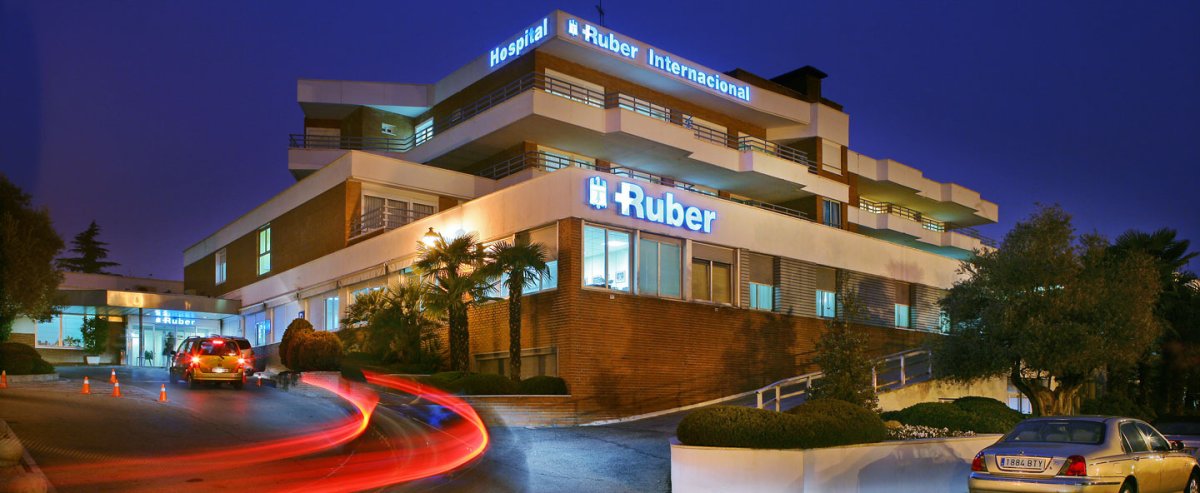
- Tecnología avanzada: Ruber Internacional emplea CyberKnife y Gamma Knife ICON para el tratamiento no invasivo de tumores.
- Oncología intervencionista: La Clínica Universidad de Navarra se especializa en radioembolización Y90 para tumores hepáticos localizados.
- Volumen de pacientes: El Hospital Universitario HM Madrid atiende a más de 2,3 millones de pacientes ambulatorios al año en todas las especialidades oncológicas.
Opinión de expertos de Bookimed: España ocupa el tercer lugar a nivel mundial en nuestra red de oncología para solicitudes especializadas. Si bien muchos buscan centros de marca, grupos de gran volumen como HM Hospitales ofrecen un acceso único. Realizan más de 26.000 cirugías al año en 7 centros. Este volumen masivo garantiza que los cirujanos mantengan las habilidades técnicas específicas necesarias
¿Qué tan rápido puedo obtener una consulta y comenzar el tratamiento?
En España, las consultas oncológicas privadas suelen realizarse en un plazo de 3 a 14 días. Los centros acreditados por la JCI, como el Centro Médico Teknon o la Clínica Universidad de Navarra, pueden acelerar este proceso. El tratamiento para el cáncer de hígado en estadio 2 a menudo comienza poco después de que un comité multidisciplinario de tumores revise sus escáneres.
- Acceso a especialistas: Las consultas privadas con oncólogos suelen ocurrir dentro de 1 a 2 semanas.
- Velocidad de diagnóstico: Clínicas como el Hospital Ruber Internacional utilizan resonancia magnética de 3 Teslas para una estadificación rápida y precisa.
- Inicio del tratamiento: La terapia generalmente comienza a los pocos días de que el comité de tumores confirme el plan.
- Retraso administrativo: Traer informes de patología y discos de imágenes evita semanas de pruebas redundantes.
Perspectiva del experto de Bookimed: Los hospitales españoles acreditados por la JCI gestionan volúmenes masivos de pacientes; HM Hospitales atiende a 2,3 millones de pacientes ambulatorios al año. Este alto rendimiento garantiza que las vías de diagnóstico sean extremadamente eficientes. A menudo puede programar una consulta en el Centro Médico Teknon mientras sus registros locales aún se están digitalizando, lo que potencialmente ahorra 10 días de tiempo de espera.
Consen
¿Los hospitales españoles apoyan a pacientes internacionales que no hablan español?
Los hospitales privados españoles ofrecen un amplio apoyo a los no hispanohablantes a través de departamentos internacionales dedicados y coordinadores médicos profesionales. Centros como el Centro Médico Teknon y el Hospital Ruber Internacional tratan frecuentemente a pacientes internacionales. Proporcionan personal multilingüe y oncólogos de habla inglesa para garantizar una comunicación clara durante tratamientos complejos.
- Departamentos internacionales: Los centros privados ofrecen coordinadores dedicados para ayudar con la logística y la traducción.
- Oncólogos especializados: Médicos como el Dr. Antonio Cubillo Gracián a menudo tienen formación internacional.
- Instalaciones acreditadas: Los hospitales acreditados por la JCI siguen estándares globales para la comunicación y seguridad del paciente.
- Asistencia lingüística: Los hospitales utilizan intérpretes profesionales o sistemas remotos para las interacciones médicas rutinarias.
Perspectiva del experto de Bookimed: Los centros de gran volumen como la Clínica Universidad de Navarra, que ha tratado a pacientes de 70 países, a menudo tienen un soporte lingüístico más sólido que las clínicas más pequeñas. Si bien los hospitales públicos brindan una excelente atención, las instalaciones privadas en Madrid y Barcelona están mejor equipadas para los no hispanohablantes. Estos centros a men