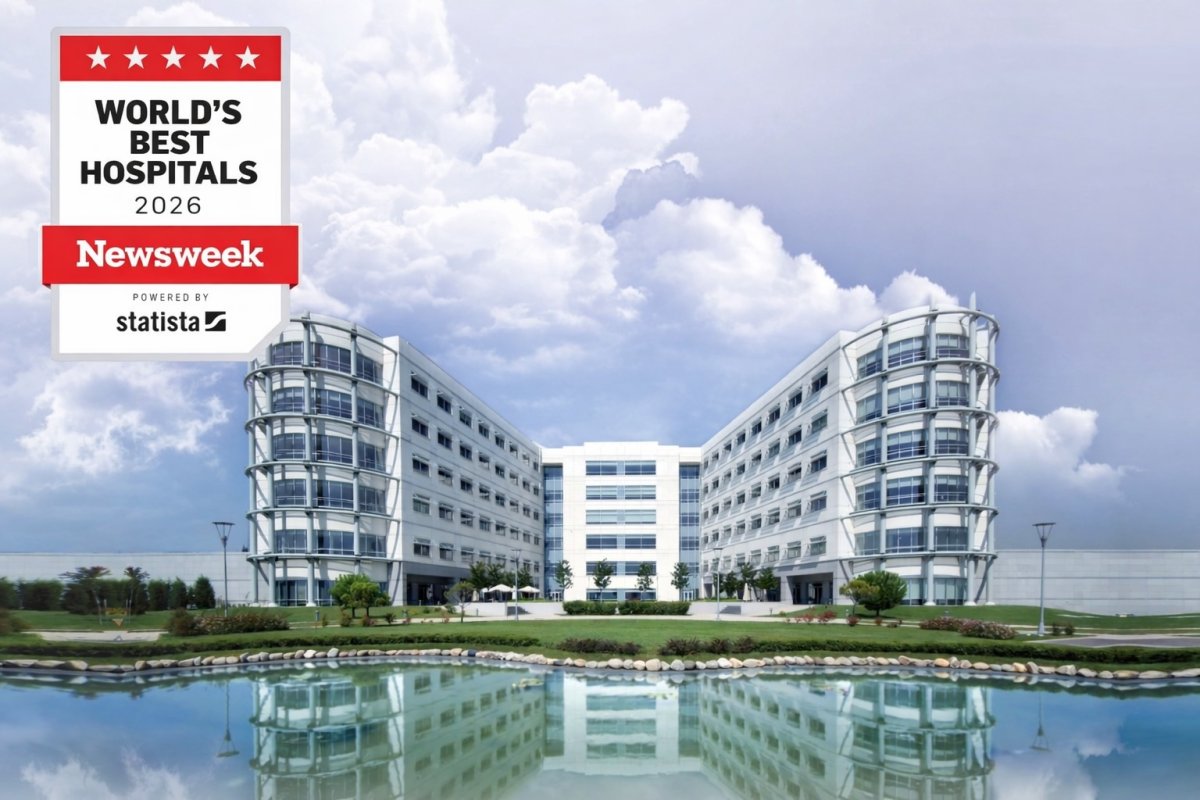
Centro médico Anadolu
Turquía, Estambul
Bulent Karagoz
33 años de experiencia

Clínica certificada por : 



Revisado médicamente por
Fahad Mawlood
De $3,000. Los gastos totales dependen del tamaño del tumor, la complejidad quirúrgica y la categoría del hospital. Los pacientes a menudo ahorran entre un 40 y un 60% en comparación con los EE. UU. Las principales ciudades para este tratamiento incluyen Estambul, Antalya y Ankara.
Costos típicos del tratamiento del cáncer de hígado en etapa 2 en Turquía
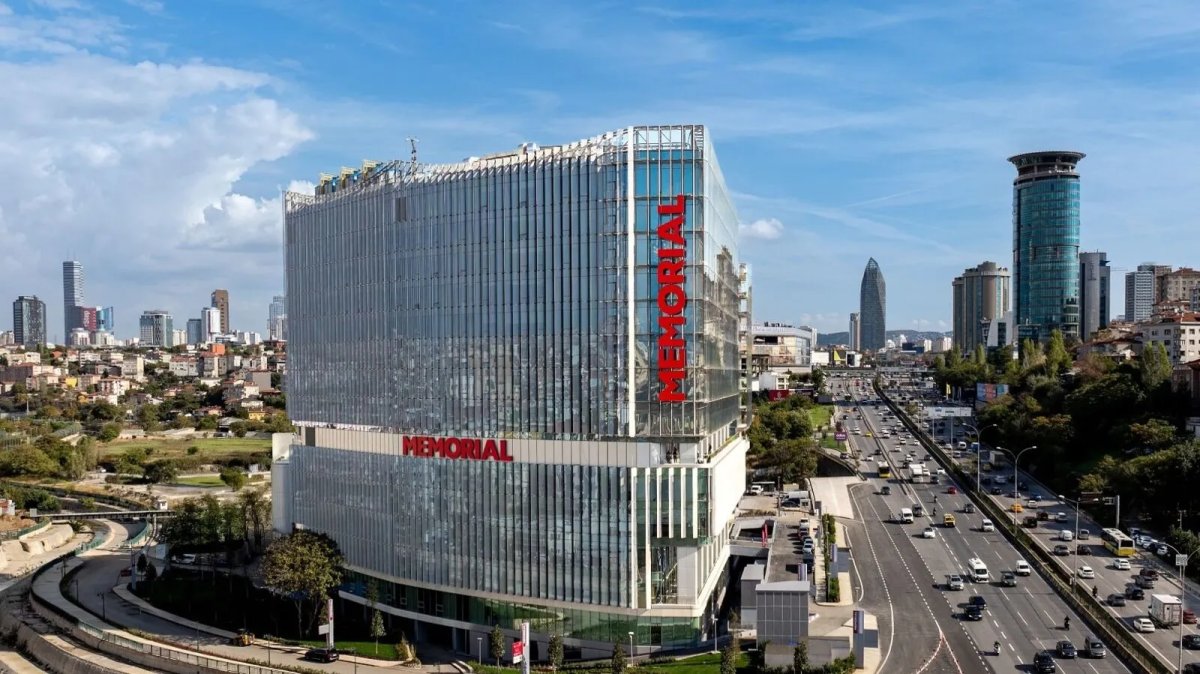
Perspectiva de los expertos de Bookimed: Los pacientes que buscan protocolos con estándares estadounidenses deberían considerar el Anadolu Medical Center. Está afiliado a Johns Hopkins Medicine y mantiene el estatus de oncología designado por la ESMO. Para casos complejos, el Hospital Memorial Şişli ofrece una tasa de éxito de trasplante de órganos del 90%. El Hospital Universitario Medipol Mega proporciona tecnología avanzada como el sistema Da Vinci y CyberKnife para la eliminación no invasiva de tumores.
| España | Turquía | México | |
|---|---|---|---|
| Radioterapia para el cáncer colorrectal | de $7,500 | de $5,000 | ≈ $6,000 |
| Quimioterapia para el cáncer de mama | de $1,700 | de $3,000 | ≈ $4,500 |
El médico es un oncólogo médico turco altamente experimentado, especializado en sarcoma, linfoma, cáncer de páncreas, pulmón y mama. Con más de 20 años de experiencia, el médico se centra en la biología tumoral, la inmunología tumoral, la inmunoterapia del cáncer y las terapias dirigidas. Desde 2019, el médico ha estado sirviendo como oncólogo médico en el Centro Médico Anadolu y anteriormente ocupó roles de liderazgo en la Facultad de Medicina de la Universidad Okan de Estambul y en el Hospi

El Dr. Serdar Turhal es un oncólogo con mucha experiencia que se especializa en oncología médica y quimioterapia para el cáncer de mama en el Centro Médico Anadolu. Es miembro de muchas asociaciones internacionales de oncología y es autor de numerosos artículos en publicaciones internacionales. Se especializa en factores pronósticos y la terapia de neoplasias gastrointestinales malignas. Para recibir una consulta del Dr. Turhal, envíe una solicitud en Bookimed.

El Dr. Abdulcabbar Kartal es cirujano colorrectal y general en el Anadolu Medical Center. Se especializa en HIPEC y cirugía bariátrica. Ha realizado más de 500 procedimientos bariátricos. El Dr. Kartal posee la certificación de la Sociedad Europea de Coloproctología (FEBS-C). Trabaja en una clínica afiliada a Johns Hopkins Medicine.
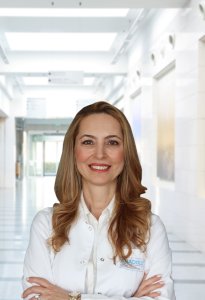
La Dra. Banu Atalar es oncóloga radioterápica con certificación de especialidad (Turquía, 2004). Es catedrática en la Universidad Acibadem MAA (2018–presente) y médica en Anadolu Medical Center (2026–presente). Se formó en Estambul y en Cerrahpaşa. En 2011 completó una beca de investigación clínica en Stanford en radiocirugía estereotáctica. Su práctica se centra en tumores del SNC, torácicos y gastrointestinales. Aproximadamente el 75% de su actividad clínica implica SRS y SRS adaptativa gui
 Olena Sikoza
El tratamiento del cáncer de hígado en estadio 2 en Turquía se centra en la intención curativa mediante resección quirúrgica, ablación o trasplante. Los centros acreditados por la JCI en Estambul utilizan juntas de tumores multidisciplinarias para coordinar la cirugía robótica, la ablación por radiofrecuencia y las terapias dirigidas. Estos protocolos tienen como objetivo eliminar los tumores localizados preservando la función hepática vital.
Perspectiva del experto de Bookimed: Los centros oncológicos turcos, como el Anadolu Medical Center, mantienen afiliaciones formales con el Hospital Johns Hopkins. Esto garantiza que los pacientes reciban protocolos de estándar estadounidense para terapias dirigidas e inmunoterapia a costos más bajos. El Dr. Bulent Karagoz aporta más de 20 años de experiencia en estos campos especializados de la oncología médica.
Consenso de los pacientes: Los p
El tratamiento del cáncer de hígado en estadio 2 en Turquía logra un alto éxito mediante resección quirúrgica y trasplante en centros acreditados por la JCI. Las instalaciones especializadas reportan hasta un 99% de éxito en procedimientos hepáticos complejos. Los resultados dependen de la función hepática, la biología del tumor y la calificación para intervenciones quirúrgicas avanzadas en Estambul.
Opinión del experto de Bookimed: Los centros de oncología turcos dominan nuestras solicitudes globales porque cierran la brecha entre el volumen y la atención especializada. El Hospital Memorial Şişli mantiene una tasa de éxito del 90% específicamente para trasplantes de órganos. Esta es una métrica crítica para pacientes en estadio 2 que pueden requerir un trasplante en lugar de una resección estándar.
Consenso de los pacientes: Los pacientes notan que los resultados depende
Los principales hospitales turcos para el cáncer de hígado en estadio 2 incluyen Anadolu Medical Center, Memorial Şişli y Medipol Mega. Estas instalaciones acreditadas por la JCI ofrecen atención multidisciplinaria. Expertos de renombre como el Dr. Serkan Keskin y el Dr. Sezer Saglam se especializan en terapia dirigida, inmunoterapia y atención oncológica compleja.
Opinión del experto de Bookimed: Anadolu Medical Center destaca por su alto volumen de 65,000 pacientes anuales y su certificación IASIOS única. Esta certificación específica para oncología intervencionista es poco común. Indica una experiencia superior en tratamientos hepáticos localizados como ablación y embolización, vitales para casos en estadio 2.
Consenso de los pacientes: Los pacientes aconsejan seleccionar centros grandes donde un comité de tu
Los pacientes internacionales deben planificar una estancia de 10 a 14 días en Turquía para el cáncer de hígado en estadio 2. Esto permite realizar las pruebas de imagen, la cirugía y el seguimiento postoperatorio. La mayoría de los pacientes permanecen en el hospital de 5 a 10 días. Las resecciones mínimamente invasivas pueden reducir el tiempo de hospitalización a 3 días.
Opinión de los expertos de Bookimed: El volumen de pacientes suele ser una señal de gran experiencia quirúrgica en Estambul. El Hospital Memorial Şişli informa de una tasa de éxito del 90% en trasplantes de órganos. Clínicas como el Hospital Hisar atienden a más de 500.000 pacientes al año. Elegir centros con gran volumen de pacientes suele garantizar el acceso a equipos oncológicos multidisciplinares experimentados.
Consenso de los pacientes: Los pacientes hacen hincapié en solicitar un itinerario día a día antes de reservar cualquier vuelo. Es
Los médicos de habla inglesa y los intérpretes profesionales son el estándar en los centros oncológicos turcos acreditados por la JCI. Muchos especialistas cuentan con certificaciones internacionales como ECFMG o ESMO. Las instalaciones principales en Estambul ofrecen coordinadores dedicados. Estos expertos gestionan la comunicación durante las consultas, la quimioterapia y el seguimiento médico.
Opinión del experto de Bookimed: El dominio del idioma suele seguir un patrón de arriba hacia abajo en los grandes hospitales turcos. Aunque el 100 % de los profesores de oncología en centros como Anadolu suelen hablar un inglés fluido, el nivel del personal de apoyo varía. Elegir centros con departamentos internacionales dedicados garantiza que los complejos documentos de alta y las instrucciones de medicación se traduzcan con precisión.
Consenso de los pacientes: Los pacientes seña
El tratamiento del cáncer de hígado en estadio 2 en Turquía suele comenzar dentro de los 4 días posteriores a la llegada. Los centros acreditados por la JCI en Estambul ofrecen consultas especializadas en un plazo de 24 a 48 horas. Las alas de diagnóstico integradas garantizan la finalización rápida de resonancias magnéticas y análisis de sangre. La pronta iniciación permite una resección quirúrgica inmediata o radiología intervencionista.
Perspectiva del experto de Bookimed: Los datos de los pacientes muestran que elegir una clínica con múltiples acreditaciones oncológicas, como el Anadolu Medical Center, acelera el proceso. Estos centros cuentan con certificaciones OECI y ESMO. Esto indica que siguen protocolos europeos optimizados, lo que a menudo reduce el tiempo de espera para las revisiones multidisciplinarias de los comités de tumores.
C