Cáncer de hígado etapa 2 Tratamiento en Corea del Sur — Costos 2026


Revisado médicamente por
Fahad Mawlood
¿Cuál es el precio del diagnóstico y los tratamientos de Cáncer de hígado etapa 2 en Corea del Sur? Descubra ahora
El costo del tratamiento del cáncer de hígado en etapa 2 en la República de Corea generalmente incluye diagnósticos esenciales como una consulta con un oncólogo, que oscila entre $50 y $75. De $3,000. Los gastos totales varían según el nivel del hospital y la complejidad del tumor, aunque los pacientes a menudo encuentran ahorros del 30-50% en comparación con los EE. UU. La mayoría de los centros médicos de alto nivel se encuentran en Seúl.
Costos típicos del tratamiento del cáncer de hígado en etapa 2 en la República de Corea
- Consulta con un oncólogo: $50 – $75
- TC de tórax: de $230
- Quimioterapia: de $3,000
Perspectiva de expertos de Bookimed: Los pacientes que buscan los estándares clínicos más altos deben considerar el Hospital de la Universidad Nacional de Seúl, que reporta las estadísticas de oncología líderes en la nación. Para casos complejos que involucran necesidades médicas secundarias, el Centro Médico Asan ofrece una tasa de éxito de trasplante de órganos del 90% y coordinación de equipos multidisciplinarios. Las instalaciones acreditadas por la Joint Commission International (JCI), como el Hospital Severance, son ideales para pacientes internacionales que desean protocolos de seguridad de estándar occidental y personal que hable inglés.
| Corea del Sur | España | Turquía | |
|---|---|---|---|
| Radioterapia para el cáncer colorrectal | ≈ $9,000 | de $7,500 | de $5,000 |
| Quimioterapia para el cáncer de mama | de $3,000 | de $1,700 | de $3,000 |
Sus beneficios y garantías con Bookimed
Precios directos
Bookimed no añade cargos extra a los precios de los tratamientos de Cáncer de hígado etapa 2. Las tarifas proceden de las listas de precios oficiales de las clínicas. Pagará directamente en la clínica por su tratamiento a su llegada al país.
Sólo clínicas y médicos verificados
Bookimed está comprometido con su seguridad. Solo trabajamos con las clínicas que mantienen altos estándares internacionales en el tratamiento de Cáncer de hígado etapa 2 y cuentan con las licencias necesarias para atender a pacientes internacionales en todo el mundo.
Asistencia 24/7 gratuita
Bookimed ofrece asistencia experta gratuita. Un coordinador médico personal le apoya antes, durante y después de su tratamiento, resolviendo cualquier problema. Nunca estará solo en su viaje médico de tratamiento de Cáncer de hígado etapa 2.

Su coordinador médico personal de Bookimed
- Le apoya en cada etapa
- Ayuda a elegir la clínica y el médico adecuados
- Asegura un acceso rápido y conveniente a la información
Descubra las mejores clínicas de tratamiento de Cáncer de hígado etapa 2 en Corea del Sur: 6 opciones verificadas y Precios












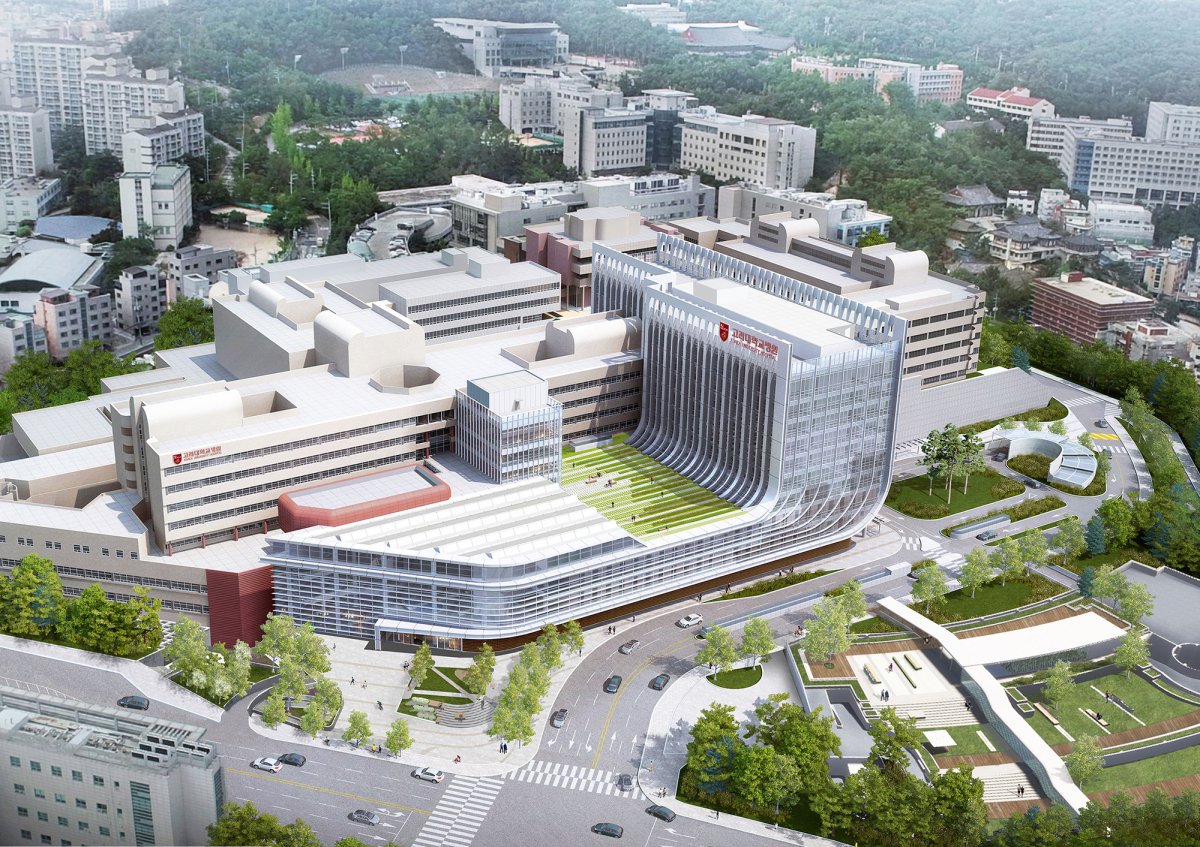
Obtenga una evaluación médica para Cáncer de hígado etapa 2 en Corea del Sur: consulte con doctores experimentados ahora
Ver todos los médicos
Lee Seok Gu
El profesor Lee Seok-gu es un destacado cirujano de trasplantes de hígado en el Hospital Myongji. Ha realizado aproximadamente 2.000 trasplantes de hígado. Logró el primer trasplante de hígado sin transfusión en Corea. Realizó un trasplante de hepatocitos en un lactante de un mes de edad. Dirigió el primer uso clínico de un hígado bioartificial para la insuficiencia hepática aguda. También realizó trasplantes de donante vivo en Egipto y capacitó a equipos en Vietnam.
Es profesor de cir
Compartir contenido
Historias en video de pacientes de Bookimed
 Olena Sikoza
Preguntas frecuentes sobre el tratamiento de Cáncer de hígado etapa 2 en Corea del Sur
¿Es el trasplante de hígado una opción común y segura para el cáncer de hígado en estadio 2 en los hospitales coreanos?
El trasplante de hígado es una opción curativa común y segura para el cáncer de hígado en estadio 2 en Corea del Sur. Instituciones como el Asan Medical Center reportan tasas de éxito del 90% en trasplantes de órganos. Los centros de alto volumen proporcionan tasas de supervivencia a 5 años de más del 75% para pacientes elegibles.
- Prevalencia de donante vivo: El trasplante de hígado de donante vivo (LDLT) es la opción principal debido a la escasez de donantes.
- Resultados de supervivencia: Los hospitales coreanos reportan tasas de supervivencia a 10 años de aproximadamente el 70% para los receptores de trasplantes.
- Volumen clínico: Los centros de primer nivel como el SNUH tratan a más de 10,700 pacientes diariamente para diversas necesidades oncológicas.
- Estándares de acreditación: Las principales instalaciones de trasplantes mantienen certificaciones JCI y KOIHA para garantizar la seguridad quirúrgica.
Opinión de expertos de Bookimed: El volumen de pacientes es un indicador confiable de éxito en la medicina de trasplantes coreana. El Asan Medical Center realiza más de 65,000 operaciones al año y maneja más de 2,500 pacientes hospitalizados diariamente. Este volumen masivo ayuda a los cirujanos a mantener la precisión técnica en procedimientos complejos de donante vivo. Esta experiencia es una razón clave por la que Corea reporta algunas
¿Qué técnicas quirúrgicas avanzadas y mínimamente invasivas están disponibles en Corea para el cáncer de hígado en estadio 2?
Los centros de Corea del Sur utilizan la resección hepática robótica y la hepatectomía laparoscópica para tratar el cáncer de hígado en estadio 2. Estas técnicas emplean pequeñas incisiones para minimizar el trauma. Los cirujanos utilizan el mapeo con verde de indocianina para lograr precisión. Esta tecnología asegura márgenes negativos mientras preserva el tejido hepático sano y los vasos sanguíneos.
- Resección hepática robótica: Utiliza brazos robóticos para vistas en 3D y un manejo de vasos sin temblores.
- Hepatectomía laparoscópica: Extirpación quirúrgica estándar mediante tubos guiados por cámara para tiempos de recuperación más rápidos.
- Fluorescencia ICG: El tinte inyectado ayuda a los cirujanos a ver claramente los márgenes del tumor durante la cirugía.
- Técnicas de ablación: Opciones como la ablación por radiofrecuencia se dirigen a tumores más pequeños de estadio 2 sin necesidad de cirugía.
Perspectiva del experto de Bookimed: Corea sirve como centro de un volumen quirúrgico extremo. El Hospital de la Universidad Nacional de Seúl maneja algunas de las estadísticas de cáncer más altas a nivel nacional. Esta vasta experiencia se traduce en una alta precisión. El Asan Medical Center realiza más de 65.000 operaciones al año. Tal volumen permite a los equipos dominar resecciones anatómicas que son raras en otros lugares.
¿Cómo se comparan las tasas de supervivencia para el cáncer de hígado en estadio 2 en Corea con los puntos de referencia mundiales?
Corea del Sur informa una tasa de supervivencia a 5 años del 71,3 % para pacientes con cáncer de hígado. Esto supera significativamente el promedio mundial y los puntos de referencia de América del Norte del 50 % al 70 %. El alto éxito quirúrgico y la vigilancia oncológica nacional contribuyen a estos resultados clínicos superiores en Corea.
- Punto de referencia de supervivencia: Corea informa una tasa de supervivencia a 5 años que alcanza el 71,3 % para casos localizados.
- Ventaja comparativa: Las tasas coreanas superan el umbral del 50 % informado por las principales redes oncológicas occidentales.
- Éxito quirúrgico: Centros líderes como el Asan Medical Center informan tasas de éxito de trasplantes desde el 90 %.
- Tecnología de precisión: Los hospitales utilizan sistemas BESTcare para reducir los errores médicos y mejorar la seguridad del tratamiento.
Opinión de experto de Bookimed: Mientras que muchos países mantienen una tasa de supervivencia del 50 %, las mejores clínicas coreanas aprovechan volúmenes masivos de pacientes para perfeccionar su experiencia. El Asan Medical Center por sí solo maneja más de 65 000 operaciones al año. Este entorno de alta repetición permite a los cirujanos coreanos dominar técnicas complejas como la cirugía robótica contra el cáncer. El Korea University Anam Hospital incluso desarrolló el primer método de c
¿Qué terapias sistémicas o dirigidas modernas pueden recibir los pacientes internacionales para el cáncer de hígado en estadio 2 en Corea?
Los pacientes internacionales en Corea acceden a terapias sistémicas modernas para el cáncer de hígado en estadio 2, incluidas las combinaciones de Atezolizumab-Bevacizumab y agentes dirigidos como Regorafenib o Sorafenib. Los centros acreditados por la JCI en Seúl proporcionan estos protocolos para casos irresecables o recurrentes después de un diagnóstico preciso mediante TC abdominal y torácica.
- Terapia dirigida: Los inhibidores de la tirosina quinasa como Sorafenib y Cabozantinib bloquean el crecimiento de los vasos sanguíneos del tumor.
- Inmunoterapia: La combinación de Atezolizumab-Bevacizumab se utiliza para pacientes que requieren atención sistémica en lugar de local.
- Agentes específicos: El ramucirumab está disponible para pacientes con niveles de AFP superiores a 400 ng/mL.
- Protocolos combinados: Los médicos pueden combinar quimioembolización con radioterapia para mejorar los resultados en enfermedades localizadas.
Perspectiva del experto de Bookimed: Si bien muchos buscan medicamentos sistémicos, los hospitales coreanos como el Asan Medical Center y el SNUH priorizan la experiencia quirúrgica de alto volumen. El Asan Medical Center realiza más de 65,000 operaciones al año con una tasa de éxito del 90% en trasplantes de órganos. Esta capacidad quirúrgica a menudo significa que los pacientes inicialmente diagnosticados para tera
¿Qué implica el cuidado de seguimiento rutinario después del tratamiento para el cáncer de hígado en estadio 2 en Corea?
El seguimiento rutinario del cáncer de hígado en estadio 2 en Corea implica una vigilancia estructurada cada 2 a 6 meses durante los primeros 2 años. Los controles basados en protocolos incluyen tomografías computarizadas dinámicas con contraste, resonancias magnéticas específicas para el hígado y análisis de sangre de alfa-fetoproteína (AFP) para detectar recurrencias tempranas.
- Frecuencia de vigilancia: Las citas ocurren cada 3 a 6 meses después del período intensivo inicial de 2 años.
- Diagnóstico por imagen: Las tomografías computarizadas o resonancias magnéticas con contraste identifican nuevas lesiones antes de que aparezcan los síntomas.
- Marcadores tumorales: Los análisis de sangre regulares controlan los niveles séricos de alfa-fetoproteína para rastrear una posible recurrencia.
- Manejo de la hepatitis: Los pacientes reciben terapia antiviral activa para la Hepatitis B o C.
- Función hepática: Las pruebas continuas garantizan que el tejido hepático restante mantenga una capacidad saludable.
Perspectiva del experto de Bookimed: Los centros coreanos como el Asan Medical Center y el SNUH manejan volúmenes masivos de pacientes, alcanzando millones al año. Esta escala crea sistemas de seguimiento digitalizados y altamente eficientes donde los resultados de laboratorio y las imágenes suelen revisarse el mismo día