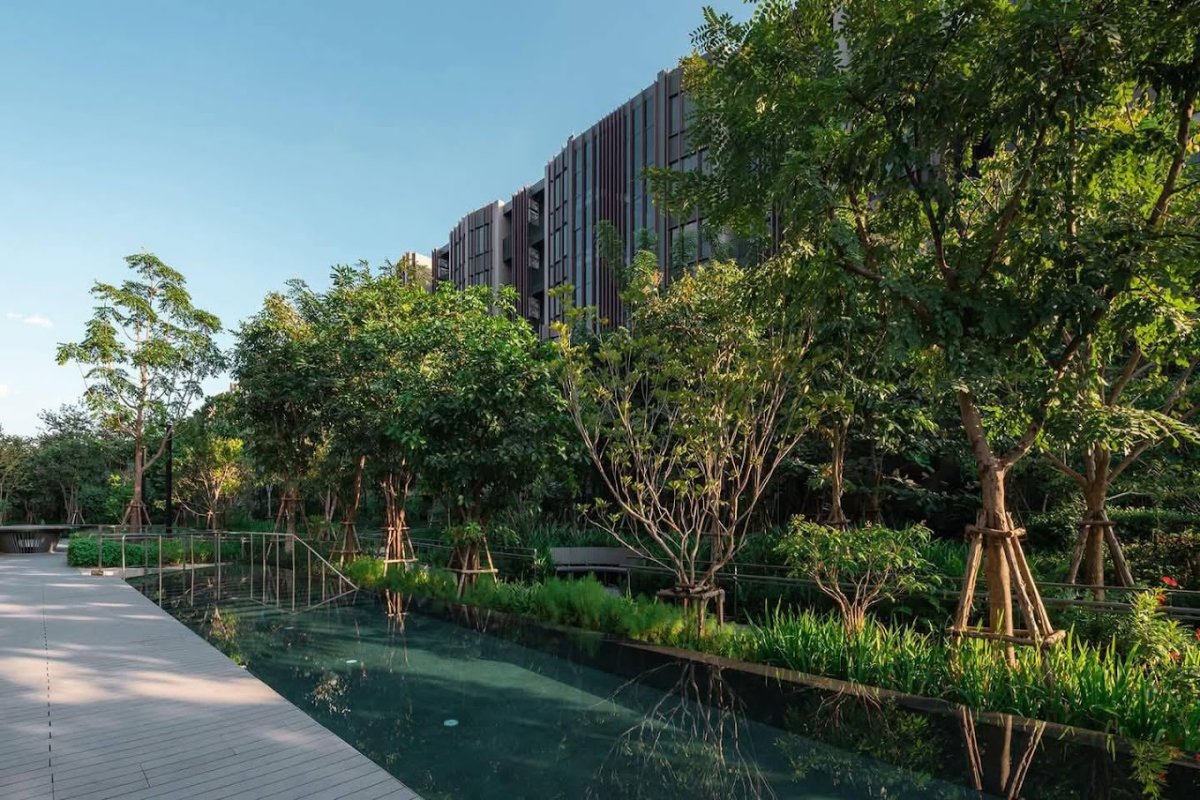
Centro de rehabilitación Sanpiti
Tailandia, Bangkok


Revisado médicamente por
Fahad Mawlood
La rehabilitación en Tailandia suele costar entre $810 / 30,000฿ y $3,900 / 144,300฿. El precio total depende de la condición específica, la duración del programa y de si se trata de una instalación de lujo o clínica. Elegir Tailandia para la recuperación a menudo ofrece ahorros del 50-70% en comparación con los EE. UU.
Costos típicos de rehabilitación en Tailandia
La mayoría de los centros especializados se encuentran en Bangkok, Chiang Mai y Phuket. Los centros urbanos en Bangkok suelen tener la mayor concentración de instalaciones clínicas, mientras que los centros en Chiang Mai a menudo ofrecen programas residenciales más asequibles. Consulte con un especialista para obtener precios precisos para sus necesidades específicas.
| Tailandia | España | Turquía | |
|---|---|---|---|
| Terapia ocupacional con el ratón de ordenador Head | ≈ $750 / 27,800฿ | ≈ $750 / 27,800฿ | ≈ $450 / 16,700฿ |
| Terapia de caricias | ≈ $60 / 2,200฿ | ≈ $380 / 14,100฿ | de $150 / 5,600฿ |
| Rehabilitación ortopédica (por 1 día) | ≈ $280 / 10,400฿ | de $510 / 18,900฿ | de $140 / 5,200฿ |
| Rehabilitación en la cinta de correr Anti Gravity | ≈ $700 / 25,900฿ | ≈ $500 / 18,500฿ | ≈ $900 / 33,300฿ |
| Rehabilitación con sistema Re-step | de $70 / 2,600฿ | ≈ $6,500 / 240,500฿ | ≈ $3,800 / 140,600฿ |
Bookimed no añade cargos extra a los precios de los tratamientos de Rehabilitación. Las tarifas proceden de las listas de precios oficiales de las clínicas. Pagará directamente en la clínica por su tratamiento a su llegada al país.
Bookimed está comprometido con su seguridad. Solo trabajamos con las clínicas que mantienen altos estándares internacionales en el tratamiento de Rehabilitación y tienen las licencias necesarias para atender a pacientes internacionales en todo el mundo.
Bookimed ofrece asistencia experta gratuita. Un coordinador médico personal le apoya antes, durante y después del tratamiento, resolviendo cualquier problema. Nunca estará solo en su viaje médico de procedimientos de Rehabilitación.


Especializado en Medicina Regenerativa por el American Board of Regenerative Medicine – el Dr. Thongthaisin se centra en técnicas de rehabilitación de vanguardia en Vega Clinic.

Más de 900 tratamientos realizados: el Dr. Sudchumphae combina nutrición clínica y medicina integrativa en el Panacee Hospital Rama2.

El Dr. Kasemphakdeephong integra la psiquiatría con la rehabilitación, centrándose en los diagnósticos duales en el Hospital Phramongkutklao.
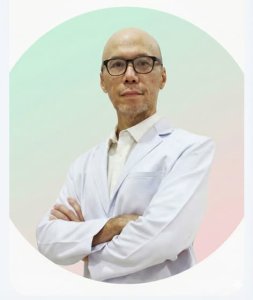
El Dr. Songpoj Tanprasert es especialista en Medicina Física y Rehabilitación (PM&R). Posee el título de médico (M.D.) y completó formación especializada en Medicina de Rehabilitación. Tiene amplia experiencia en rehabilitación tanto hospitalaria como ambulatoria.
Su experiencia incluye la rehabilitación tras accidente cerebrovascular, el dolor crónico, las lesiones deportivas y los trastornos de la columna. Elabora planes de rehabilitación individualizados y basados en la evidenci

Escrito por Ana Hurevska

Escrito por Veronika Kazina

Escrito por Ana Hurevska
 Olena Sikoza
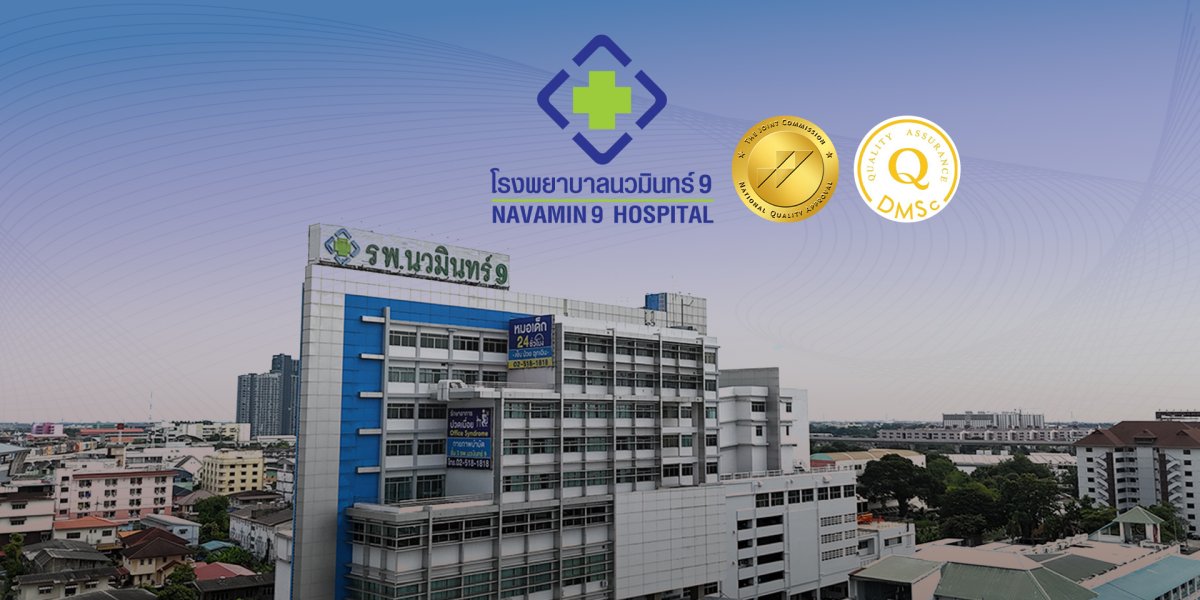
Los centros de rehabilitación autorizados en Tailandia son seguros y deben cumplir con los estrictos estándares del Ministerio de Salud Pública. Instalaciones como el Bumrungrad International Hospital y el Navamin 9 Hospital cuentan con la acreditación JCI. Esto garantiza protocolos de seguridad internacionales. Los centros verificados emplean fisiatras y psiquiatras certificados por el consejo para supervisar la recuperación médica.
Perspectiva del experto de Bookimed: Nuestros datos muestran una clara brecha de seguridad entre los hospitales multiespecializados y los retiros independientes. Los grandes centros como el Bangkok Hospital Pattaya atienden a más de 400.000 pacientes al año con atención de emergencia integrada. Estas instalaciones incluyen equipos médicos la
La desintoxicación médica está ampliamente disponible en Tailandia en centros de rehabilitación especializados y hospitales internacionales. Las instalaciones proporcionan una gestión del síndrome de abstinencia supervisada por médicos para alcohol, opioides y benzodiazepinas. Los programas a menudo combinan protocolos médicos occidentales con terapias holísticas tailandesas tradicionales como la meditación o tratamientos a base de hierbas en entornos privados.
Perspectiva del experto de Bookimed: Los centros de rehabilitación tailandeses a menudo cierran la brecha entre los hospitales clínicos y los complejos turísticos de lujo. Por ejemplo, el Panacee Hospital Rama 2 atiende a 1.000 pacientes al año combinando la desintoxicación médica intensiva con la terapia celular regenerativa. Este enfoque dua
La rehabilitación en Tailandia incluye programas neurológicos, ortopédicos y de adicciones. Los centros utilizan entrenamiento de marcha robótico y exoesqueletos portátiles para accidentes cerebrovasculares y lesiones de la médula espinal. Métodos holísticos como la medicina tradicional tailandesa y la terapia con células madre complementan los protocolos clínicos. Los centros acreditados por la JCI ofrecen planes personalizados para adultos y niños.
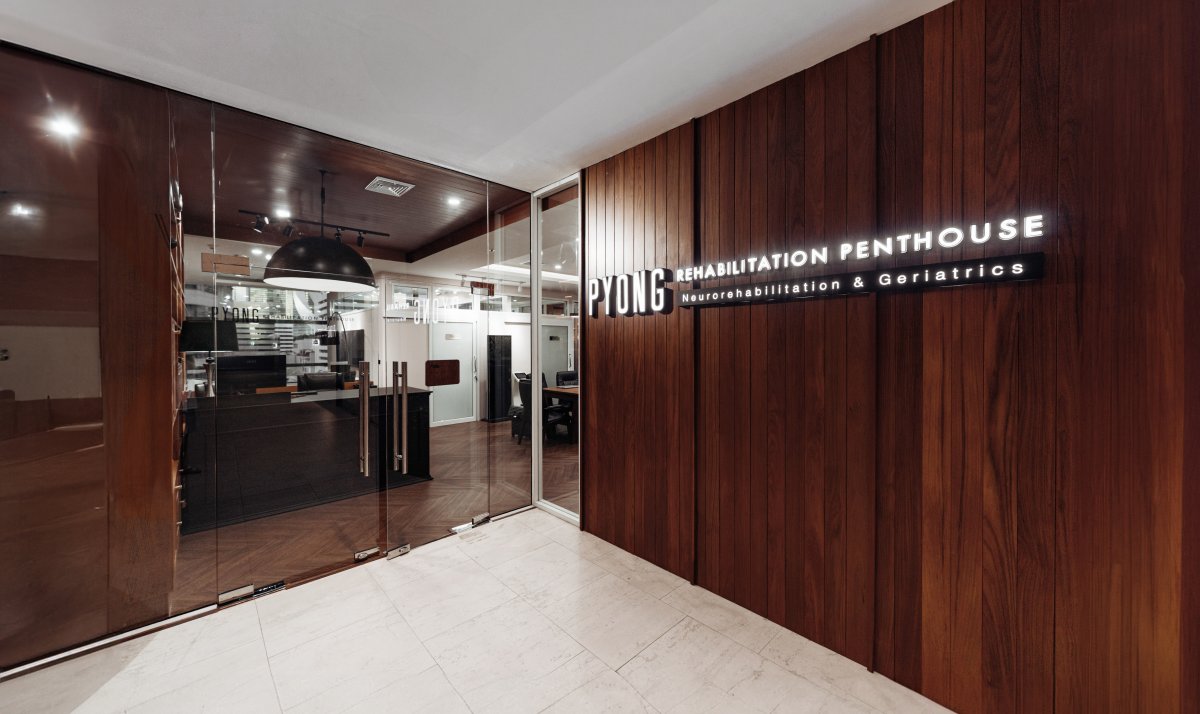
Perspectiva del experto de Bookimed: Los centros de rehabilitación tailandeses a menudo combinan robótica de alta tecnología con bienestar tradicional. Clínicas como PYONG Rehabilitation Group utilizan exoesqueletos portátiles para la recuperación de accidentes cerebrovasculares subagudos. Este enfoque técnico, combinado con la hospitalidad tailandesa, a menudo logra tasas de recuperación del 95% en 3 meses. Los pacientes se benefician de proto
Los programas de rehabilitación en Tailandia suelen durar entre 28 y 90 días. La mayoría de los centros especializados han establecido un programa de 30 días como base estándar para pacientes internacionales. Los casos complejos que implican recuperación neurológica o dependencia grave a menudo requieren estancias prolongadas para alcanzar hitos clínicos estables.
Perspectiva de expertos de Bookimed: Los datos de centros especializados como el Kin Origin Rehab Center muestran un alto éxito. Informan que el 95,9% de los pacientes con accidente cerebrovascular se recuperan significativamente en 90 días. Elegir programas de 3 meses en lugar de los básicos de 30 días a menudo cierra la brecha entre la estabilización básica y el regreso a casa de forma independiente. Las instalaciones con acreditación JCI, como el Hospital Navamin 9, proporcionan e
La mayoría de los visitantes ingresan a Tailandia para rehabilitación utilizando una visa de turista estándar de 60 días o una exención de visa. Los tratamientos más largos para accidentes cerebrovasculares o lesiones de la médula espinal pueden requerir una visa médica Non-Immigrant O. Esto permite estancias de hasta 90 días y simplifica el proceso de extensión.
Opinión de expertos de Bookimed: Los centros médicos tailandeses como el Bumrungrad International Hospital atienden a más de 500.000 pacientes internacionales al año. Su gran volumen significa que los equipos administrativos son muy eficientes en el procesamiento de cartas de patrocinio de visas. Para una neurorrehabilitación compleja en centros especializados como PYONG Rehabilitation Group, solicite siempre un plan de tratamiento detallado con antelación. Esta documentación es esencial para demostrar la necesidad de una es