Rehabilitación en Corea del Sur: las 22 mejores clínicas con opiniones de pacientes


Revisado médicamente por
Fahad Mawlood
¿Cuál es el precio de procedimientos de Rehabilitación en Corea del Sur? Descubra ahora
La rehabilitación en Corea del Sur suele costar entre $1,500 y $6,500. Los precios varían según el tipo de rehabilitación, como la recuperación de accidentes cerebrovasculares, lesiones de la médula espinal u ortopédica, junto con la duración de la estancia hospitalaria y la intensidad de la terapia. Los pacientes a menudo ahorran entre un 30 y un 50 % en comparación con los costos de tratamientos equivalentes en los EE. UU.
Costos típicos de rehabilitación en Corea del Sur
- Revisión de resultados de resonancia magnética: de $50
Los pacientes suelen encontrar centros de rehabilitación especializados en Seúl, Gyeonggi-do e Incheon, donde se concentran las instalaciones más avanzadas. Si bien Seúl sigue siendo el centro principal, las instalaciones en Incheon pueden ofrecer precios más competitivos para programas de larga duración. Consulte con un especialista para obtener precios precisos para su plan de recuperación.
| Corea del Sur | España | Turquía | |
|---|---|---|---|
| Terapia ocupacional con el ratón de ordenador Head | ≈ $650 | ≈ $750 | ≈ $450 |
| Terapia de caricias | ≈ $180 | ≈ $380 | de $150 |
| Rehabilitación ortopédica (por 1 día) | ≈ $280 | de $510 | de $140 |
| Rehabilitación en la cinta de correr Anti Gravity | ≈ $900 | ≈ $500 | ≈ $900 |
| Rehabilitación con sistema Re-step | ≈ $6,500 | ≈ $6,500 | ≈ $3,800 |
Todas las enfermedades de Rehabilitación
Sus beneficios y garantías con Bookimed
Precios directos
Bookimed no añade cargos extra a los precios de los tratamientos de Rehabilitación. Las tarifas proceden de las listas de precios oficiales de las clínicas. Pagará directamente en la clínica por su tratamiento a su llegada al país.
Sólo clínicas y médicos verificados
Bookimed está comprometido con su seguridad. Solo trabajamos con las clínicas que mantienen altos estándares internacionales en el tratamiento de Rehabilitación y tienen las licencias necesarias para atender a pacientes internacionales en todo el mundo.
Asistencia 24/7 gratuita
Bookimed ofrece asistencia experta gratuita. Un coordinador médico personal le apoya antes, durante y después del tratamiento, resolviendo cualquier problema. Nunca estará solo en su viaje médico de procedimientos de Rehabilitación.

Su coordinador médico personal de Bookimed
- Le apoya en cada etapa
- Ayuda a elegir la clínica y el médico adecuados
- Asegura un acceso rápido y conveniente a la información
Descubra las mejores clínicas de Rehabilitación en Corea del Sur: 22 opciones verificadas y Precios










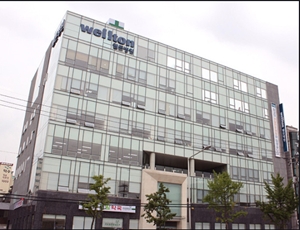
Wellton Hospital

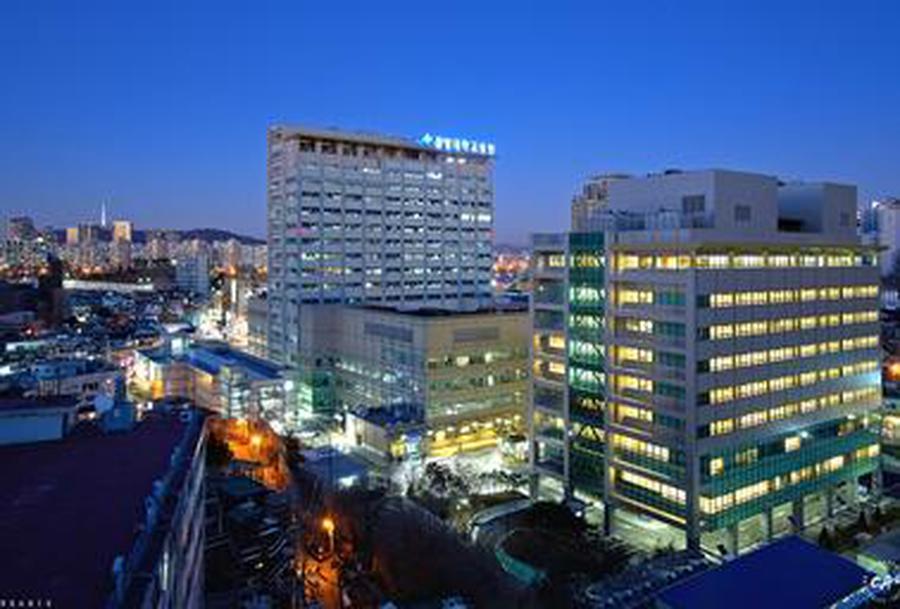
Hospital universitario Chung-Ang (Chung-Ang University Hospital)

Los mejores centros médicos de Rehabilitación en Corea del Sur
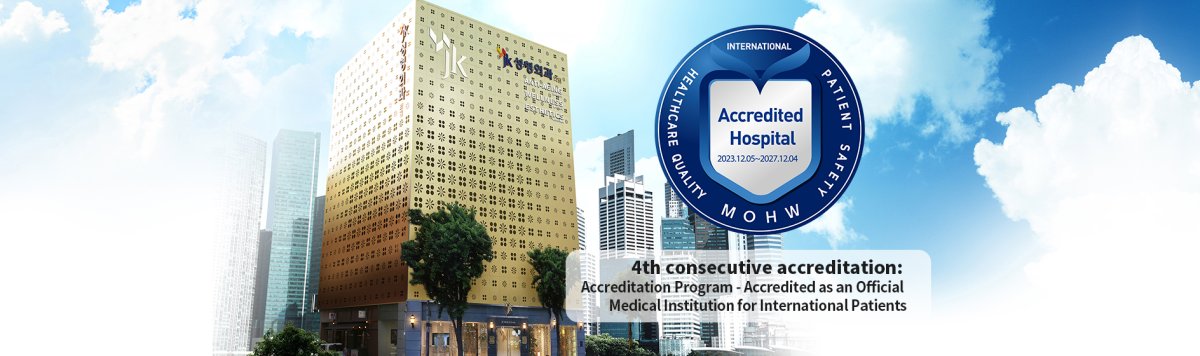
- JK Plastic Surgery Center, Corea del Sur
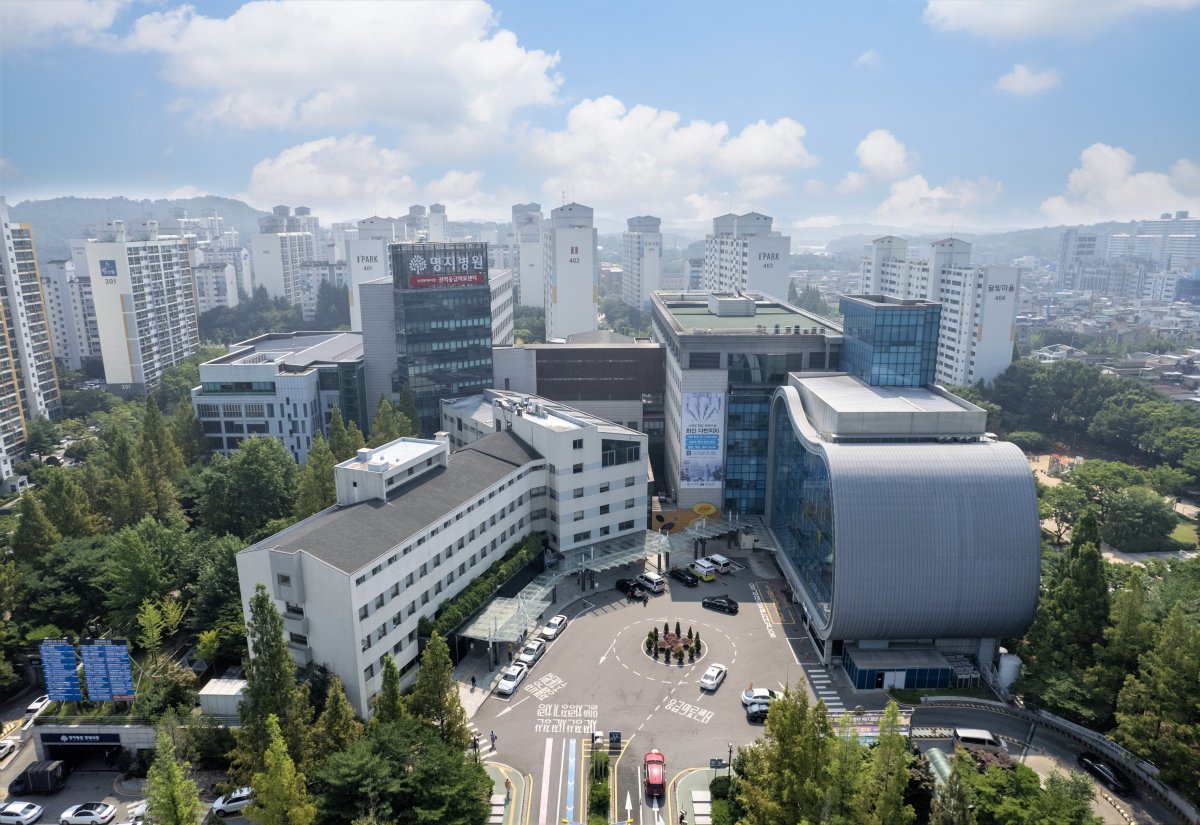
- Myongji Hospital, Corea del Sur
- Ewha Womans University Medical Center, Corea del Sur
- Seoul National University Bundang Hospital (SNUBH), Corea del Sur
- Asan Medical Center, Corea del Sur
- Hospital Severance (Severance Hospital), Corea del Sur
- Gangnam Severance Hospital, Corea del Sur
- Wellton Hospital, Corea del Sur
- Seoul National University Hospital (SNUH), Corea del Sur
- Hospital universitario Chung-Ang (Chung-Ang University Hospital), Corea del Sur
Obtenga una evaluación médica de Rehabilitación en Corea del Sur: haga una consulta con 6 médicos experimentados ahora
Ver todos los médicos
Moon Jong Chang
Kim Taegyun
Seodaun
Jo Hwarang
Artículos relacionados

Los 10 mejores centros de fisioterapia y rehabilitación del mundo: Clasificación de pacientes de Bookimed
Escrito por Ana Hurevska

¿Hay vida después de un ictus?
Escrito por Veronika Kazina

Recuperación de reemplazo de rodilla: tendencias y cifras 2018
Escrito por Ana Hurevska
Compartir contenido
Historias en video de pacientes de Bookimed
 Olena Sikoza
Preguntas frecuentes sobre Rehabilitación en Corea del Sur
¿Es seguro el tratamiento de rehabilitación en Corea para pacientes internacionales?
La rehabilitación en la República de Corea es excepcionalmente segura para los pacientes internacionales debido a la rigurosa supervisión gubernamental y a la avanzada tecnología robótica. Centros líderes como el Severance Hospital y el Asan Medical Center cuentan con la acreditación JCI. Equipos dirigidos por especialistas gestionan la recuperación utilizando sistemas de IA para mantener altos estándares de precisión clínica.
- Credenciales de la clínica: Los principales centros cuentan con acreditaciones JCI y Global Healthcare Accreditation (GHA) para la seguridad.
- Atención especializada: Médicos certificados como el Dr. Jaehyeon Lim lideran equipos multidisciplinarios de recuperación.
- Tecnología avanzada: Las instalaciones utilizan entrenamiento robótico de la marcha y sistemas BESTcare para prevenir errores.
- Supervisión gubernamental: El Ministerio de Bienestar regula estrictamente las clínicas que tratan a pacientes internacionales.
Perspectiva de expertos de Bookimed: Los datos muestran una tendencia clara en la que los hospitales mejor valorados de Seúl, como el Hospital Universitario Nacional de Seúl Bundang, integran sistemas digitales patentados para realizar un seguimiento de la seguridad del paciente. Estos sistemas reducen significativamente los errores de medicación. Elegir un centro digital a menudo significa una documenta
¿Qué tipos de programas de rehabilitación especializada están disponibles para pacientes internacionales en Corea del Sur?
Corea del Sur ofrece programas especializados de neurorrehabilitación, ortopedia y pediatría para pacientes internacionales en centros acreditados por la JCI. Estos centros integran entrenamiento robótico de la marcha y exoesqueletos biónicos con terapias tradicionales. Los bloques de recuperación intensiva suelen durar de 4 a 12 semanas para casos neurológicos complejos en Seúl y Busan.
- Neurorrehabilitación: incluye recuperación intensiva tras accidentes cerebrovasculares y lesiones de la médula espinal mediante sistemas de marcha asistida por robot.
- Rehabilitación ortopédica: centrada en la recuperación musculoesquelética mediante enfoques multidisciplinarios en centros especializados de Busan.
- Programas pediátricos: terapias adaptadas para niños con parálisis cerebral, incluyendo entrenamiento especializado de movimiento y cognición.
- Recuperación postquirúrgica: paquetes especializados de 1 a 2 semanas para pacientes de cirugía estética que incluyen drenaje linfático y terapia de cicatrices.
Opinión del experto de Bookimed: Las clínicas con más de 1,5 millones de pacientes anuales, como el Hospital Bundang de la Universidad Nacional de Seúl, utilizan sistemas digitales patentados para eliminar errores médicos. Este gran volumen permite a los centros ofrecer entrenamiento especializado con exoesqueletos biónicos que las instalaciones
¿Cuáles son los centros de rehabilitación mejor valorados en Corea del Sur para pacientes internacionales?
Los centros de rehabilitación mejor valorados en Corea del Sur incluyen el Severance Hospital y el Seoul National University Bundang Hospital, los cuales cuentan con la acreditación de la Joint Commission International (JCI). Estas instalaciones se especializan en la recuperación de accidentes cerebrovasculares, neurorrehabilitación y terapia musculoesquelética. Ofrecen sistemas digitales avanzados y centros de atención médica internacional dedicados para un turismo médico sin complicaciones.
- Severance Hospital: Un centro acreditado por la JCI en Seúl que atiende a 1,6 millones de pacientes ambulatorios al año con neurorrehabilitación especializada.
- SNU Bundang Hospital: El primer hospital digital de Corea del Sur que utiliza el sistema BESTcare para eliminar errores médicos.
- Asan Medical Center: El centro multidisciplinario más grande que realiza más de 65,000 operaciones al año con una recuperación postquirúrgica intensiva.
- Ewha Womans University: Un centro acreditado por la JCI especializado en rehabilitación personalizada para mujeres después de cirugías oncológicas u ortopédicas.
- Kang Dong Hospital: Un centro ortopédico especializado en Busan que se centra en la recuperación de lesiones articulares y de columna.
Perspectiva del experto de Bookimed: Los datos muestran que los centros afiliados a hospitales
¿Necesito una revisión médica antes de viajar a Corea para recibir tratamiento de rehabilitación?
Una revisión médica por una institución coreana es obligatoria antes de viajar a Corea del Sur para rehabilitación. Este proceso asegura la visa médica necesaria y confirma la idoneidad clínica. Los pacientes deben enviar registros médicos traducidos e imágenes a hospitales como el Hospital Severance o el Centro Médico Asan para la aprobación previa.
- Documentación para la visa: Los hospitales proporcionan certificados de admisión necesarios para las visas médicas C-3-3 o G-1-10.
- Evaluación clínica: Los especialistas revisan los resultados de las resonancias magnéticas (MRI) y los informes neurológicos para desarrollar planes de recuperación personalizados.
- Opciones de telemedicina: Centros como el Hospital Severance ofrecen consultas en línea para discutir diagnósticos antes de partir.
- Registros requeridos: Los pacientes deben proporcionar traducciones en inglés o coreano de su historial médico local e imágenes.
Perspectiva Experta de Bookimed: Los datos de coordinación muestran que las clínicas con alto volumen internacional, como el Hospital Bundang de la Universidad Nacional de Seúl (SNUBH), utilizan sistemas de seguridad digital para minimizar errores. Elegir un hospital con prioridad digital a menudo acelera el proceso de revisión previo al viaje. Estas instituciones pueden procesar registros electrónicos más rápido que los centros