Tratamiento de Queratocono en Tailandia — obtenga 3 coincidencias personalizadas de clínicas


Revisado médicamente por
Fahad Mawlood
Cómo funciona
¿Cuál es el precio del diagnóstico y los tratamientos de Queratocono en Tailandia? Descubra ahora
El costo del tratamiento del queratocono en Tailandia generalmente oscila entre $1,300 / 48,100฿ y $6,500 / 240,500฿ dependiendo de la etapa clínica y el enfoque. De $80 / 3,000฿. Los gastos totales dependen del nivel del hospital y la obtención de tejido, ofreciendo típicamente ahorros del 60-80% en comparación con los EE. UU. Bangkok es el centro principal para estos procedimientos.
Costos típicos del tratamiento del queratocono en Tailandia
- Investigación oftalmológica: de $80 / 3,000฿
- Cross-linking corneal (CCL) (un ojo): $1,300 / 48,100฿ – $2,300 / 85,100฿
- Implantación de anillos corneales: $2,000 / 74,000฿ – $2,800 / 103,600฿
- Trasplante de córnea: $4,300 / 159,100฿ – $6,500 / 240,500฿
Perspectiva de expertos de Bookimed: Los pacientes con queratocono progresivo deben priorizar centros con acreditación JCI como el Bumrungrad International Hospital. Esta instalación atiende a un millón de pacientes anualmente y cuenta con especialistas como el Dr. Teeravee Hongyok. Para aquellos que requieren experiencia refractiva avanzada, Laser Vision en el Bangkok Eye Hospital ofrece departamentos dedicados enfocados en la corrección corneal. Estos centros privados de primer nivel brindan un acceso más rápido a tejido de donantes para trasplantes en comparación con las instalaciones públicas.
| Tailandia | España | Turquía | |
|---|---|---|---|
| Trasplante de córnea | ≈ $4,300 / 159,100฿ | de $10,100 / 373,700฿ | de $6,000 / 222,000฿ |
| Implantación de anillo corneal | ≈ $2,000 / 74,000฿ | de $3,800 / 140,600฿ | de $1,900 / 70,300฿ |
| Enlace cruzado corneal (CCL) (un ojo) | ≈ $1,300 / 48,100฿ | de $2,400 / 88,800฿ | de $1,500 / 55,500฿ |
Descubra las mejores clínicas de tratamiento de Queratocono en Tailandia: 2 opciones verificadas y Precios
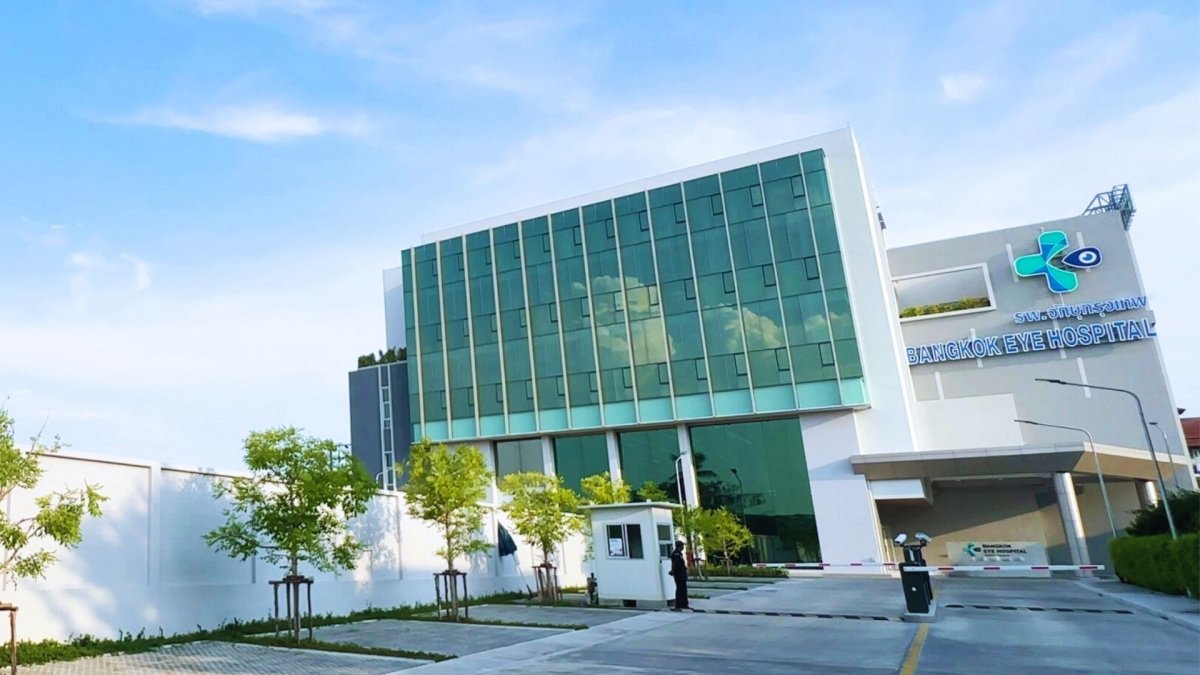







Obtenga una evaluación médica de tratamiento de Queratocono en Tailandia: haga una consulta con 10 médicos experimentados ahora
Ver todos los médicos
Pichit Naripthaphan
El Dr. Pichit Naripthaphan es oftalmólogo en el TRSC International Eye and Vision Center de Bangkok. Es presidente del Club de Cirugía de Cataratas y Refractiva de Tailandia. El Dr. Naripthaphan se especializa en corrección visual, incluyendo LASIK, ReLEx SMILE y cirugía de cataratas. Posee un certificado en cirugía refractiva de Atlanta, Georgia.
- Se desempeñó como Jefe del Centro LASIK en el Hospital Rajvithi.
- Completó una beca de investigación en retina y vítreo en la Esc

Sumet Supalaset
El Dr. Sumet Supalaset se especializa en cirugía corneal y refractiva avanzada para el queratocono en el Hospital Intrarat, con formación internacional en Londres, Japón y la UCLA.
- Posee un Certificado de Cirugía Refractiva con experiencia en LASIK, SMILE y trasplantes de córnea
- Ha publicado múltiples trabajos de investigación sobre enfermedades de la córnea y resultados de cirugía refractiva
- Ex profesor en el Hospital Chulabhorn, Real Academia Chulabhorn
- Habla con fluidez tailandés, inglés, chino y japonés

Anun Vongthongsri
Primer oftalmólogo de Tailandia y el sudeste asiático en completar una beca clínica en cirugía de córnea y cirugía refractiva en el Washington University Eye Center. El Dr. Vongthongsri dirige el servicio de cirugía de córnea y refractiva en el Hospital Ramathibodi.
- Realizó miles de procedimientos LASIK y de cirugía láser de superficie
- Director del programa de becas para cirugía de córnea y refractiva
- Fundador y director médico de Laser Vision
- Certificado en cirugía refractiva: líder reconocido en el campo

Ponpawee Jindarak
El Dr. Jindarak es un oftalmólogo con formación especializada en glaucoma y cuidado ocular, que ejerce en el Hospital Intrarat.
- Graduado de la Facultad de Medicina de la Universidad de Chulalongkorn
- Completó una beca clínica internacional en glaucoma en la Universidad de Illinois, Chicago
- Certificado en Oftalmología por la Universidad de Chulalongkorn
- Especializado en el diagnóstico y tratamiento de afecciones oculares y de la visión
Compartir contenido
Historias en video de pacientes de Bookimed
 Olena Sikoza
Preguntas frecuentes sobre el tratamiento de Queratocono en Tailandia
¿Cuáles son los hospitales mejor valorados para el tratamiento del queratocono en Tailandia?
Los hospitales mejor valorados para el tratamiento del queratocono en Tailandia incluyen el Bumrungrad International Hospital y Laser Vision en el Bangkok Eye Hospital. Estas instalaciones se especializan en atención corneal avanzada. Ofrecen tratamientos como el cross-linking de colágeno corneal y la cirugía de trasplante de córnea. La mayoría de las clínicas líderes mantienen la acreditación de la Joint Commission International para la seguridad.
- Bumrungrad International: Trata a 1.000.000 de pacientes anualmente con imágenes digitales avanzadas e IA.
- Laser Vision: Se especializa exclusivamente en el cuidado ocular desde 1998 para pacientes internacionales.
- Intrarat Hospital: Cuenta con especialistas como el Dr. Sumet Supalaset para trasplantes de córnea complejos.
- Experiencia especializada: El Dr. Anun Vongthongsri es un pionero en cirugía refractiva y corneal.
Perspectiva del experto de Bookimed: Aunque muchos eligen grandes centros multidisciplinarios, las clínicas especializadas como Laser Vision ofrecen una mayor densidad de expertos en oftalmología. Estos 13 médicos especializados se centran únicamente en la salud ocular. Esto a menudo resulta en una atención más personalizada para condiciones específicas como el queratocono que en los hospitales generales. Bumrungrad International también sigue siendo un líder mundial, atendien
¿Qué opciones de tratamiento avanzadas están disponibles en Tailandia?
Tailandia ofrece intervenciones avanzadas para el queratocono, incluyendo el cross-linking corneal, la implantación de anillos Intacs y trasplantes de córnea especializados. Los principales centros acreditados por la JCI en Bangkok ofrecen diagnósticos basados en IA y cirugía ocular asistida por robot. Estos centros cuentan con especialistas formados internacionalmente que se centran en estabilizar la córnea y mejorar la agudeza visual.
- Estabilización ocular: El cross-linking corneal (CCL) fortalece las fibras de colágeno para detener la progresión de la enfermedad.
- Corrección de la visión: La implantación de anillos corneales implica colocar segmentos para aplanar las formas irregulares de la córnea.
- Soluciones quirúrgicas: El trasplante de córnea está disponible para casos avanzados con cicatrices graves.
- Diagnóstico de precisión: Las investigaciones oftalmológicas automatizadas utilizan imágenes digitales para un mapeo corneal preciso.
Perspectiva del experto de Bookimed: Clínicas de Bangkok como el Bumrungrad International Hospital atienden a más de 1 millón de pacientes al año. Su gran volumen respalda departamentos especializados de los que carecen la mayoría de los hospitales generales. Para el queratocono, busque cirujanos como el Dr. Sumet Supalaset, que cuentan con múltiples becas internacionales. Su formación en EE. UU., Japó
¿Cuánto tiempo debo planear quedarme en Tailandia para la recuperación?
Los pacientes deben planear quedarse en Tailandia de 10 a 14 días después del tratamiento de queratocono. Este plazo permite a los cirujanos monitorear la curación inicial y realizar exámenes de seguimiento esenciales. La mayoría de los viajeros reciben autorización para volar una vez que la superficie corneal se estabiliza y se confirma la curación epitelial.
- Duración del procedimiento: La mayoría de las intervenciones de queratocono, como el cross-linking corneal (CXL), requieren de 60 a 90 minutos.
- Estancia hospitalaria: La mayoría de los procedimientos son ambulatorios, aunque las clínicas acreditadas por la JCI ofrecen habitaciones de recuperación para pasar la noche.
- Primer seguimiento: Los cirujanos suelen programar el primer control dentro de las 24 a 48 horas posteriores a la operación.
- Autorización de vuelo: Es necesaria una visión estable y una presión intraocular controlada antes de emprender vuelos de larga distancia.
Perspectiva de expertos de Bookimed: Los centros médicos tailandeses como el Bumrungrad International Hospital y Laser Vision Bangkok priorizan períodos de observación prolongados. Aunque algunas regiones permiten viajar dentro de los 4 días, nuestros datos muestran que los especialistas tailandeses a menudo requieren de 7 a 10 días en el lugar. Este tiempo adicional asegura que los médicos puedan controlar la
¿Hay una larga espera para el tejido corneal de donante?
Los pacientes que buscan tratamiento para el queratocono en Tailandia generalmente enfrentan tiempos de espera más cortos para el tejido corneal de donante en comparación con muchos países occidentales. Si bien la disponibilidad específica de donantes fluctúa, los hospitales privados tailandeses a menudo obtienen injertos de bancos de ojos locales o internacionales en unas pocas semanas para trasplantes programados.
- Fuentes de donantes: El tejido proviene de la Cruz Roja Tailandesa y de bancos de ojos globales establecidos.
- Preparación quirúrgica: Clínicas especializadas como Laser Vision o Bumrungrad mantienen departamentos de oftalmología dedicados.
- Variedad de tratamientos: Los cirujanos priorizan el Cross-Linking corneal o los anillos, que son menos invasivos, para retrasar el trasplante.
- Ventana típica: La mayoría de los procedimientos corneales no urgentes se programan dentro de dos a cuatro semanas.
Perspectiva del experto de Bookimed: Los centros médicos tailandeses ofrecen una ventaja estructural única para el queratocono. Clínicas como Bumrungrad y Laser Vision a menudo realizan más de 1,000 procedimientos oculares al año. Su alto volumen de pacientes y acreditaciones internacionales como la JCI les permiten mantener un acceso prioritario a tejido de donante de alta calidad de múltiples proveedores regionales. Esta estrategia