Tratamiento de Queratocono en Corea del Sur — obtenga 3 coincidencias personalizadas de clínicas


Revisado médicamente por
Fahad Mawlood
Cómo funciona
¿Cuál es el precio del diagnóstico y los tratamientos de Queratocono en Corea del Sur? Descubra ahora
De $300
Costos típicos del tratamiento del queratocono en la República de Corea
- Investigación oftalmológica: de $300
- Cross-linking corneal (CCL) (un ojo): $1,400 – $2,400
- Trasplante de córnea: de $7,500
Perspectiva de expertos de Bookimed: Para el queratocono en etapa temprana, los centros de visión especializados como BGN Eye Hospital ofrecen una gran experiencia con más de 346,000 cirugías realizadas. Los pacientes con cicatrices corneales avanzadas deben priorizar instalaciones multidisciplinarias acreditadas por la JCI, como el Hospital Severance, para trasplantes de córnea complejos. Para aquellos que buscan los estándares clínicos más altos, el Hospital de la Universidad Nacional de Seúl es una opción principal, que atiende frecuentemente a los altos funcionarios del país. Elegir a un experto certificado como Lee Young Seob, quien ha realizado 30,000 procedimientos, garantiza precisión quirúrgica para casos refractivos complejos.
| Corea del Sur | España | Turquía | |
|---|---|---|---|
| Trasplante de córnea | de $7,500 | de $10,100 | de $6,000 |
| Implantación de anillo corneal | ≈ $2,200 | de $3,800 | de $1,900 |
| Enlace cruzado corneal (CCL) (un ojo) | ≈ $1,400 | de $2,400 | de $1,400 |
Descubra las mejores clínicas de tratamiento de Queratocono en Corea del Sur: 8 opciones verificadas y Precios
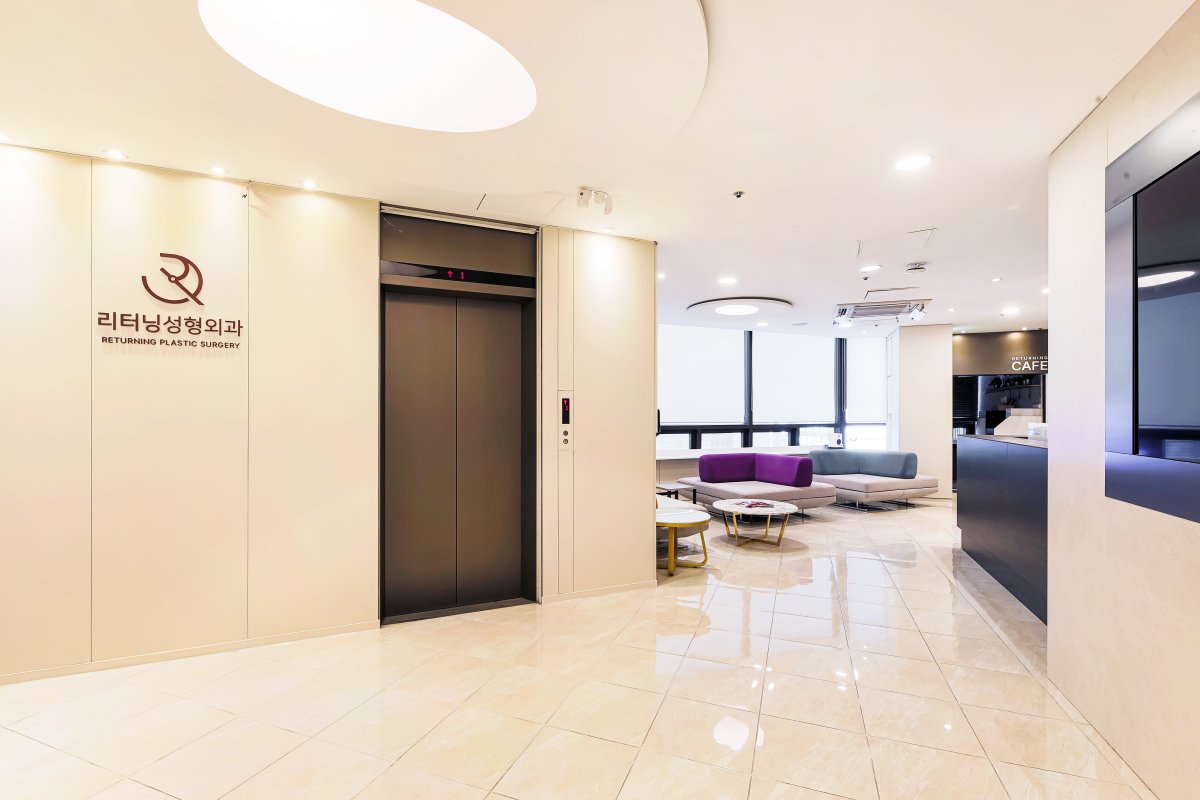
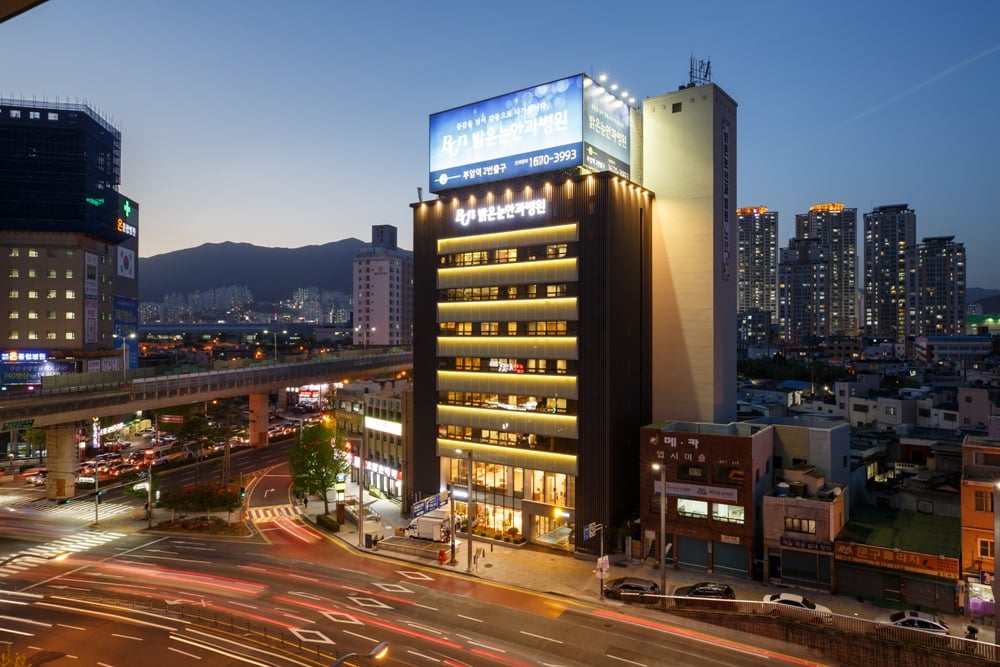
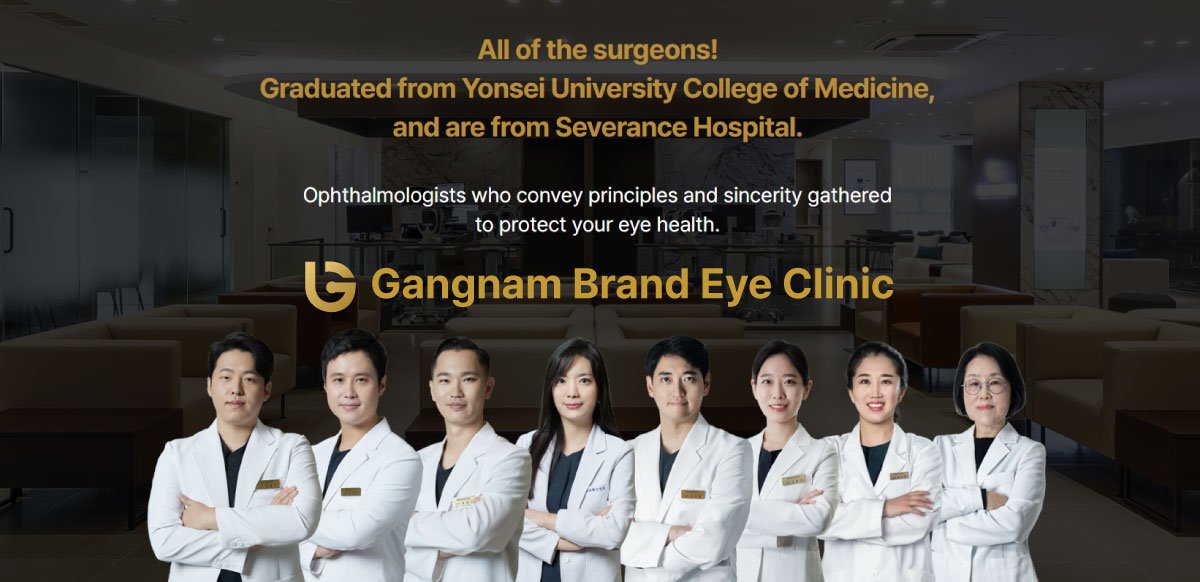
Hospital oftalmológico BGN (BGN Eye Hospital)











Obtenga una evaluación médica para Queratocono en Corea del Sur: consulte con doctores experimentados ahora
Ver todos los médicos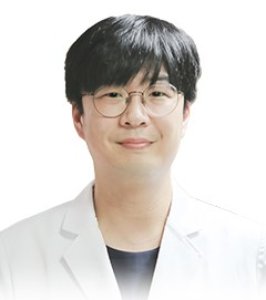
Pak Jongbeom
El Dr. Pak Jongbeom es el Jefe del Servicio de Oftalmología del Hospital Naeun. Se centra en enfermedades de la retina y del vítreo, como la uveítis y la degeneración macular. También trata patologías oftalmológicas generales, incluidas las cataratas y el glaucoma.
Formación y entrenamiento: M.D., Escuela de Posgrado de Medicina de la Universidad Kyung Hee. Internado, residencia en oftalmología y subespecialización en el Centro Médico de la Universidad Kyung Hee.
Acreditaciones:
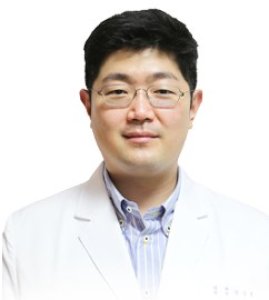
Nam Sanghyu
El Dr. Nam Sanghyu es oftalmólogo certificado en el Centro Médico Asan. Es especialista clínico y profesor clínico. Su práctica se centra en cataratas y presbicia. También trata la córnea y las enfermedades de la superficie ocular, entre ellas el ojo seco, las enfermedades externas del ojo y los problemas de las vías lagrimales. Atiende trastornos de la retina y el glaucoma, incluida la retinopatía diabética y la degeneración macular.
Acreditaciones: Miembro pleno de KOS, KDES, KCDS, K

Хён-мо Ян
Compartir contenido
Historias en video de pacientes de Bookimed
 Olena Sikoza
Preguntas frecuentes sobre el tratamiento de Queratocono en Corea del Sur
¿Qué opciones de tratamiento para el queratocono están disponibles en Corea del Sur?
Corea del Sur ofrece tratamientos avanzados para el queratocono, como el cross-linking corneal (CXL) y la implantación de anillos corneales. Los centros acreditados por la JCI en Seúl utilizan mapeo 3D y láser de femtosegundo para la estabilización quirúrgica. Estos procedimientos fortalecen la estructura corneal y mejoran la rehabilitación visual en clínicas oftalmológicas especializadas.
- Cross-linking corneal: Estabiliza la córnea con riboflavina y luz UV para inhibir la progresión.
- Segmentos de anillos intracorneales: Implantes como KeraRing aplanan la córnea y corrigen errores refractivos.
- Trasplante de córnea: Los procedimientos DALK reemplazan selectivamente las capas dañadas en casos de queratocono avanzado.
- Lentes de contacto implantables: Las opciones de ICL corrigen los defectos visuales tras una estabilización exitosa mediante cross-linking.
Perspectiva del experto de Bookimed: La enorme experiencia de los cirujanos surcoreanos es un factor de seguridad decisivo. El Dr. Lee Young Seob, por ejemplo, ya ha realizado más de 30,000 intervenciones. En clínicas como el BGN Eye Hospital, que cuenta con más de 346,000 correcciones visuales, los pacientes se benefician de una rutina que reduce significativamente el riesgo de complicaciones poco frecuentes.
Consenso de los pacientes: Los pacientes a menudo enfat
¿Qué clínicas están reconocidas para el tratamiento del queratocono en Corea del Sur?
Corea del Sur ofrece atención de alta autoridad para el queratocono en hospitales universitarios acreditados por la JCI y centros oftalmológicos especializados. Instalaciones como el Severance Hospital y la BGN Eye Clinic utilizan mapeo corneal 3D para el diagnóstico. Las opciones de tratamiento incluyen cross-linking corneal, implantes Keraring y procedimientos de trasplante complejos para etapas avanzadas.
- Diagnóstico especializado: BGN Eye Clinic utiliza un protocolo de diagnóstico de 12 pasos para mayor precisión.
- Gama de tratamientos: Las clínicas ofrecen cross-linking corneal (CXL), intacs y lentes esclerales personalizadas.
- Gran experiencia: El Dr. Lee Young Seob ha realizado más de 30,000 procedimientos refractivos.
- Seguridad del sistema: El SNUBH emplea el sistema digital BESTcare para mejorar la precisión de los procedimientos.
Perspectiva del experto de Bookimed: El volumen de pacientes a menudo dicta la elección de la clínica en Corea del Sur. Mientras que BGN Eye Clinic ha completado más de 346,000 cirugías, el Severance Hospital atiende a 1.6 millones de pacientes ambulatorios al año. Este volumen permite a los especialistas perfeccionar protocolos para variantes raras de queratocono. Elegir un centro de alto volumen garantiza que su cirujano maneje casos corneales complejos a diario.
Consenso de los pacient
¿Cuál es la tasa de éxito de la cirugía de queratocono en Corea del Sur?
Las tasas de éxito de la cirugía de queratocono en Corea del Sur superan el 90% en los procedimientos primarios. Los trasplantes de córnea mantienen una tasa de éxito del 95% en la supervivencia del injerto al año. El cross-linking de colágeno mínimamente invasivo detiene la progresión de la enfermedad en aproximadamente el 90% de los casos. Los sistemas digitales avanzados garantizan una alta precisión quirúrgica en las clínicas de Seúl.
- Trasplante de córnea: Las tasas de supervivencia del injerto alcanzan del 90% al 95% en los principales centros especializados.
- Cross-linking (CXL): Muestra una eficacia del 90% para detener la protuberancia corneal durante períodos de 5 años.
- Técnicas avanzadas: Los métodos de espesor parcial como DMEK logran tasas de éxito de hasta el 95%.
- Precisión clínica: Los sistemas de seguridad digital como BESTcare en el SNUBH maximizan la previsibilidad de los resultados.
Opinión de expertos de Bookimed: El volumen de pacientes es un indicador importante de la competencia quirúrgica en Corea del Sur. El BGN Eye Hospital ha realizado más de 346.000 procedimientos de corrección visual. Esta escala masiva sugiere que los cirujanos manejan variaciones corneales complejas con frecuencia. Elegir centros de alto volumen a menudo se correlaciona con un menor riesgo para las intervenciones especializadas de queratocon
¿Cuánto tiempo dura la recuperación después de los procedimientos de queratocono en Corea del Sur?
La recuperación después de los procedimientos de queratocono en Corea del Sur generalmente permite una curación inicial dentro de 1 a 2 semanas. La estabilización visual completa varía de 3 meses a más de un año. Los oftalmólogos coreanos utilizan técnicas avanzadas de entrecruzamiento corneal (cross-linking) y trasplante para garantizar la salud y estabilidad ocular a largo plazo.
- Fase de cross-linking: El dolor temprano y la sensibilidad a la luz generalmente disminuyen después de 1 a 3 días.
- Visión funcional: Muchos pacientes retoman el trabajo o la escuela dentro de 1 semana después del procedimiento.
- Trasplante de córnea: La queratoplastia de espesor total requiere de 12 a 18 meses para una estabilización visual completa.
- Estancia internacional: Las instalaciones generalmente recomiendan permanecer en Corea durante 10 a 14 días después de la operación.
Perspectiva del experto de Bookimed: Si bien los grandes centros como el Hospital Severance o el Hospital Oftalmológico BGN manejan grandes volúmenes de pacientes, la experiencia de cirujanos como el Dr. Lee Young Seob, quien ha realizado 30,000 procedimientos, es un factor clave en la seguridad de la recuperación. La práctica clínica de alto volumen en Seúl a menudo conduce a protocolos postoperatorios más estandarizados que pueden ayudar a reducir las complicaciones tempranas.