Queratocono en Azerbaiyán: clínica verificada para su tratamiento


Revisado médicamente por
Fahad Mawlood
¿Cuál es el precio del diagnóstico y los tratamientos de Queratocono en Azerbaiyán? Descubra ahora
| España | Turquía | |
|---|---|---|
| Trasplante de córnea | de $8,400 | de $6,200 |
| Implantación de anillo corneal | de $3,800 | de $1,800 |
| Enlace cruzado corneal (CCL) (un ojo) | de $2,400 | de $1,500 |
Sus beneficios y garantías con Bookimed
Precios directos
Bookimed no añade cargos extra a los precios de los tratamientos de Queratocono. Las tarifas proceden de las listas de precios oficiales de las clínicas. Pagará directamente en la clínica por su tratamiento a su llegada al país.
Sólo clínicas y médicos verificados
Bookimed está comprometido con su seguridad. Solo trabajamos con las clínicas que mantienen altos estándares internacionales en el tratamiento de Queratocono y cuentan con las licencias necesarias para atender a pacientes internacionales en todo el mundo.
Asistencia 24/7 gratuita
Bookimed ofrece asistencia experta gratuita. Un coordinador médico personal le apoya antes, durante y después de su tratamiento, resolviendo cualquier problema. Nunca estará solo en su viaje médico de tratamiento de Queratocono.

Su coordinador médico personal de Bookimed
- Le apoya en cada etapa
- Ayuda a elegir la clínica y el médico adecuados
- Asegura un acceso rápido y conveniente a la información
Descubra las mejores clínicas de tratamiento de Queratocono en Azerbaiyán: 1 opciones verificadas y Precios





Obtenga una evaluación médica para Queratocono en Azerbaiyán: consulte con doctores experimentados ahora
Ver todos los médicos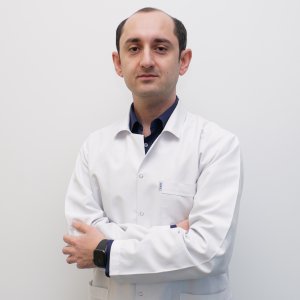
Ahmad Abdullayev
El Dr. Ahmad Abdullayev es oftalmólogo. Brinda atención médica y quirúrgica para una amplia gama de enfermedades oculares.
Realiza cirugía de cataratas con lentes monofocales, EDOF y trifocales, así como implante secundario de lentes. Ofrece corrección visual con láser excímer, incluidas Femto-LASIK, PRK y SMILE. Brinda atención médica y quirúrgica para el glaucoma. Trata enfermedades de la retina con terapia médica. Realiza cirugía de estrabismo. Maneja enfermedades de la córnea, incl
Compartir contenido
Historias en video de pacientes de Bookimed
 Olena Sikoza
Preguntas frecuentes sobre el tratamiento de Queratocono en Azerbaiyán
¿Está disponible y es seguro el procedimiento de reticulación corneal (CXL) para el queratocono en Azerbaiyán?
El entrecruzamiento corneal es accesible y seguro en Azerbaiyán. Los principales centros de Bakú ofrecen este procedimiento para la estabilización del queratocono. El procedimiento tiene una eficacia del 97 %. Los centros médicos acreditados por la JCI, como el Hospital Liv Bona Dea en Bakú, cumplen con estrictos protocolos de seguridad internacionales para prevenir complicaciones.
- Perfil de seguridad: Las complicaciones graves, como la formación de cicatrices, se producen en menos del 3% de los casos.
- Éxito clínico: Los estudios demuestran que el CXL detiene la progresión de la enfermedad en aproximadamente el 97% de los pacientes.
- Experiencia: Cirujanos como el Dr. Nahid Mammadov realizan más de 1.100 cirugías oculares especializadas.
- Supervisión regulatoria: El Ministerio de Salud de Azerbaiyán regula las actividades de las clínicas de acuerdo con los estándares médicos internacionales.
Opinión de expertos de Bookimed: Bakú se ha convertido en un centro regional para el tratamiento integral de la córnea. El Hospital Liv Bona Dea de Bakú recibe pacientes de Europa y la CEI. La clínica cuenta con 150 médicos, lo que le permite atender a un gran número de pacientes. Si bien los trasplantes complejos cuestan aproximadamente 5000 dólares, el entrecruzamiento corneal (CXL) es una alternativa menos invasiva y rentable para la estabilización t
¿Cuáles son las opciones de tratamiento quirúrgico avanzado cuando la terapia de reticulación por sí sola ya no es suficiente?
Las técnicas quirúrgicas avanzadas incluyen segmentos de anillo intracorneal y trasplante de córnea en casos donde el entrecruzamiento corneal resulta ineficaz. Los anillos realinean el cono corneal, mejorando la visión. El trasplante reemplaza las capas dañadas mediante técnicas como la queratoplastia lamelar anterior profunda (DALK) o la queratoplastia penetrante. En Azerbaiyán, estos procedimientos restauran la claridad visual en casos avanzados.
- Implante de anillo: Unos pequeños insertos enderezan la córnea, reduciendo eficazmente el astigmatismo irregular.
- Procedimiento DALK: El trasplante parcial reemplaza las capas anteriores preservando el endotelio sano.
- Queratoplastia penetrante: Trasplante de córnea de espesor total que se utiliza en casos de cicatrización severa de todas las capas de la córnea.
- Lentes fáquicas: Las lentes implantables corrigen errores refractivos significativos en casos estables de queratocono.
Opinión de expertos de Bookimed: El elevado volumen de pacientes en centros como el Hospital Liv Bona Dea en Bakú, que atiende a 200 000 pacientes anualmente, da fe del alto nivel de pericia quirúrgica. Por ejemplo, el Dr. Nahid Mammadov ha realizado más de 500 trasplantes de córnea exitosos y más de 1100 cirugías oculares. Elegir un cirujano con una experiencia tan probada es fundamental para el éxito de trasplantes co
¿Cuánto tiempo debe permanecer en Azerbaiyán un turista que viaja por motivos médicos para someterse a una reticulación corneal o a una cirugía combinada para corregir el queratocono?
Para la cirugía de queratocono, los pacientes que viajan por motivos médicos deben permanecer en Azerbaiyán entre 7 y 10 días. Este periodo incluye el procedimiento inicial, que dura entre 45 y 90 minutos, y permite a los cirujanos supervisar la cicatrización epitelial. Los pacientes deben someterse a un examen de seguimiento obligatorio una semana después de la cirugía.
- Periodo de recuperación: La cicatrización tarda entre 7 y 10 días en comenzar después del entrecruzamiento.
- Cuidados postoperatorios: Acuda a las citas de seguimiento necesarias los días primero, tercero y séptimo después de la cirugía.
- Precauciones de seguridad durante el vuelo: Evite los vuelos internacionales durante al menos 7 a 14 días después del procedimiento.
- Estancia en el hospital: Los paquetes suelen incluir una noche en el hospital y siete noches en un hotel.
Opinión de expertos de Bookimed: Si bien muchas clínicas recomiendan una estancia de siete días, nuestros datos indican que un descanso de 10 días es más seguro. El Dr. Nahid Mammadov, del Hospital Liv Bona Dea en Bakú, ha realizado más de 500 trasplantes de córnea. Los cirujanos que realizan un gran volumen de procedimientos, como él, prefieren retirar las lentes de contacto protectoras después del séptimo día. Este tiempo adicional evita el 20 % de los retrasos en los viajes causados por la opacidad cor
¿Qué restricciones postoperatorias y tiempo de recuperación debo esperar antes de volar a casa?
La mayoría de los pacientes pueden volar a Bakú entre 3 y 7 días después del tratamiento para el queratocono. Las clínicas recomiendan esperar entre 24 y 72 horas después del entrecruzamiento corneal. Los trasplantes de córnea complejos requieren un seguimiento más prolongado. Siempre obtenga la autorización por escrito de su cirujano antes de abordar su vuelo de regreso a casa.
- Humidificación durante el vuelo: Utilice gotas oftálmicas sin conservantes cada hora para combatir el aire seco de la cabina.
- Protección física: Use gafas de sol o protectores laterales para evitar frotarse los ojos accidentalmente.
- Restricciones al levantar peso: Evite levantar equipaje pesado para prevenir aumentos peligrosos de la presión intraocular.
- Seguimiento: Prevea una estancia hospitalaria de 7 días tras el trasplante para permitir la recuperación inicial.
Opinión de los expertos de Bookimed: En las mejores clínicas de Bakú, como el Hospital Liv Bona Dea, el alojamiento en hotel está incluido en el precio. Los paquetes de trasplante de córnea incluyen 7 noches de alojamiento por una razón: esto permite a los médicos, con más de 1100 intervenciones realizadas, supervisar la estabilidad del trasplante. De esta forma, usted estará bien preparado para el periodo crítico de fluctuaciones de la presión intraocular antes de su vuelo.
Comentarios
¿Quiénes NO son candidatos adecuados para el entrecruzamiento corneal en Azerbaiyán?
Los pacientes con adelgazamiento corneal severo de menos de 400 micras no son candidatos para el entrecruzamiento corneal. La radiación ultravioleta utilizada puede dañar el endotelio ocular. Los pacientes con cicatrices centrales significativas, infecciones activas por herpes o queratocono estable generalmente requieren tratamientos alternativos, como el trasplante de córnea.
- Grosor corneal: Un grosor inferior a 400 micras aumenta el riesgo de daño irreversible en la capa interna del ojo.
- Progresión de la enfermedad: El queratocono estable, que suele presentarse en pacientes mayores de 40 años, no requiere intervención quirúrgica.
- Antecedentes: Los antecedentes de queratitis herpética o enfermedades autoinmunes aumentan el riesgo de reactivación viral.
- Cicatrización corneal: La presencia de cicatrices significativas en el centro de la córnea indica que la enfermedad está demasiado avanzada para que el entrecruzamiento corneal sea beneficioso.
Opinión de expertos de Bookimed: Si bien el entrecruzamiento corneal es un procedimiento estándar en las etapas iniciales, los pacientes en Azerbaiyán con adelgazamiento corneal avanzado suelen optar por un trasplante. El Hospital Liv Bona Dea en Bakú ofrece paquetes especializados de trasplante de córnea por aproximadamente 5000 dólares. Estos paquetes incluyen una estadía de siete días en un hotel
¿Qué ciudades y clínicas se especializan en el tratamiento del queratocono en pacientes extranjeros?
Los centros internacionales para el tratamiento del queratocono se especializan en reticulación corneal y trasplante de córnea. Bakú, Estambul y Madrid ofrecen atención quirúrgica de alta calidad y gran volumen de pacientes. Centros como el Hospital Liv Bona Dea en Bakú cuentan con la acreditación JCI. Estos centros brindan acceso rápido a diagnósticos de queratocono de vanguardia y segmentos de anillo corneal especializados.
- Cirujano experimentado: El Dr. Nahid Mammadov ha realizado con éxito más de 500 trasplantes de córnea.
- Procedimientos avanzados: Los centros ofrecen reticulación corneal e implantación de anillos corneales intraestromales.
- Paquetes completos: Los paquetes en Bakú incluyen 1 día de hospitalización y 7 días de alojamiento en hotel.
- Estándares internacionales: Instituciones como Liv Bona Dea están acreditadas por la Joint Commission International.
Opinión de un experto de Bookimed: Bakú se ha convertido en una alternativa rentable a los centros europeos. El Hospital Liv Bona Dea de Bakú atiende a 200 000 pacientes al año. Sus paquetes de trasplante de córnea incluyen una estancia de siete días en un hotel. Este tiempo de recuperación es crucial para monitorizar la estabilidad inicial del trasplante. La mayoría de las clínicas en otras regiones cobran una tarifa adicional por el alojamiento.
Opinión de los
¿Quedarán visibles las cicatrices corneales después del entrecruzamiento o los segmentos anulares después de la segmentación intracorneal?
Tras el entrecruzamiento corneal o la segmentación anular, las cicatrices corneales permanecen visibles. Ninguno de estos métodos elimina el tejido cicatricial asociado al queratocono. El entrecruzamiento fortalece las fibras corneales, pero no elimina las opacidades estructurales. La segmentación anular realinea la córnea, mejorando la visión, pero no afecta la transparencia del tejido existente.
- Opacidad inducida por reticulación: opacidad temporal que suele aparecer entre 6 y 12 meses después del procedimiento.
- Riesgo de cicatrices permanentes: La opacidad se vuelve permanente en el 3-10% de los casos en etapas posteriores.
- Visibilidad del anillo: Los segmentos sintéticos permanecen visibles como arcos distintos en la córnea periférica.
- Opacidad del canal: Puede observarse una ligera opacidad en el espacio que rodea los implantes de plástico.
Opinión de expertos de Bookimed: Si bien el entrecruzamiento corneal busca la estabilización, clínicas en Bakú, como el Hospital Liv Bona Dea, ofrecen trasplantes de córnea integrales para cicatrices avanzadas. El Dr. Nahid Mammadov ha realizado con éxito más de 500 de estas cirugías. Este procedimiento es la opción principal cuando las cicatrices existentes afectan significativamente la visión, más allá del alcance de la corrección con anillos o entrecruzamiento corneal.
Comentario