Queratocono Tratamiento en India — Costos 2026


Revisado médicamente por
Fahad Mawlood
¿Cuál es el precio del diagnóstico y los tratamientos de Queratocono en India? Descubra ahora
| India | España | Turquía | |
|---|---|---|---|
| Trasplante de córnea | de $2,500 | de $10,100 | de $6,000 |
| Implantación de anillo corneal | ≈ $900 | de $3,800 | de $1,900 |
| Enlace cruzado corneal (CCL) (un ojo) | ≈ $450 | de $2,400 | de $1,400 |
Sus beneficios y garantías con Bookimed
Precios directos
Bookimed no añade cargos extra a los precios de los tratamientos de Queratocono. Las tarifas proceden de las listas de precios oficiales de las clínicas. Pagará directamente en la clínica por su tratamiento a su llegada al país.
Sólo clínicas y médicos verificados
Bookimed está comprometido con su seguridad. Solo trabajamos con las clínicas que mantienen altos estándares internacionales en el tratamiento de Queratocono y cuentan con las licencias necesarias para atender a pacientes internacionales en todo el mundo.
Asistencia 24/7 gratuita
Bookimed ofrece asistencia experta gratuita. Un coordinador médico personal le apoya antes, durante y después de su tratamiento, resolviendo cualquier problema. Nunca estará solo en su viaje médico de tratamiento de Queratocono.

Su coordinador médico personal de Bookimed
- Le apoya en cada etapa
- Ayuda a elegir la clínica y el médico adecuados
- Asegura un acceso rápido y conveniente a la información
Descubra las mejores clínicas de tratamiento de Queratocono en India: 14 opciones verificadas y Precios












Dr. Rela Institute & Medical Centre

Artemis Hospital Gurgaon
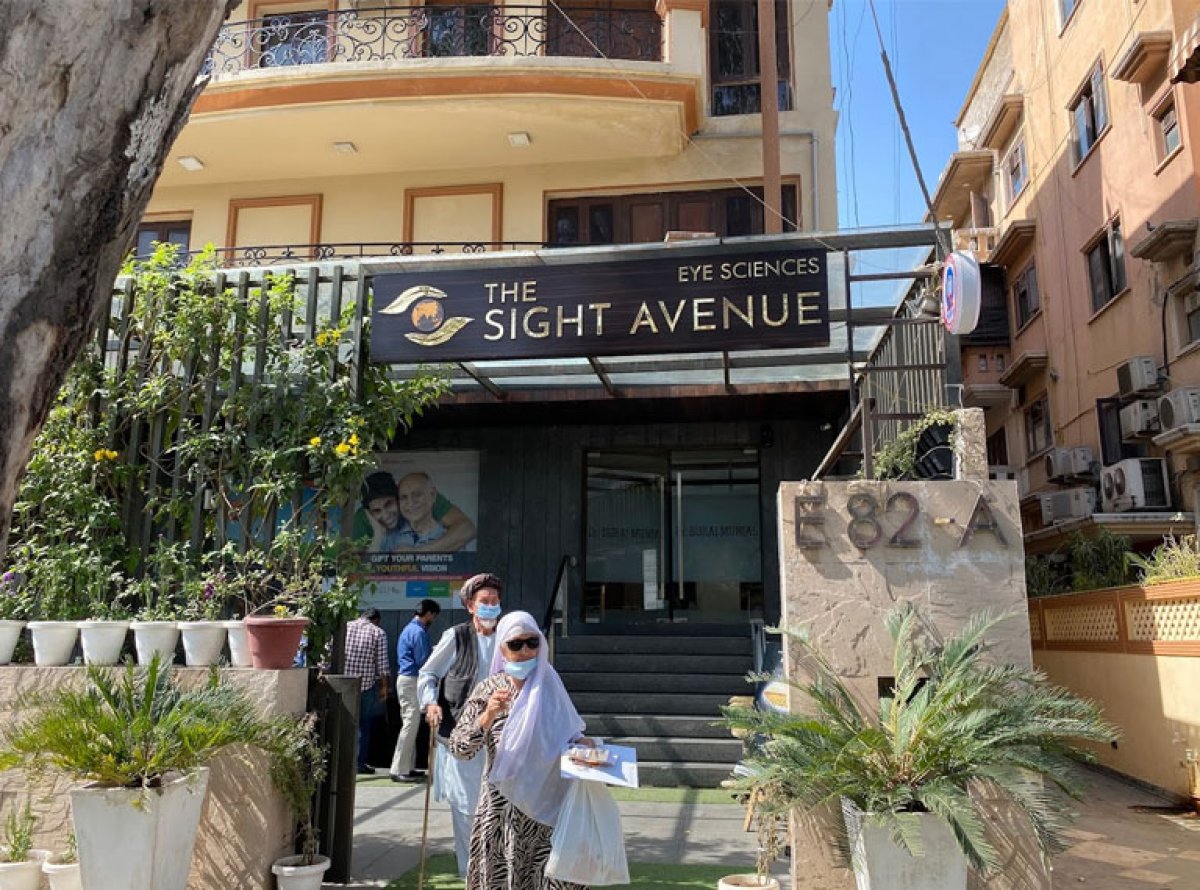
The Sight Avenue
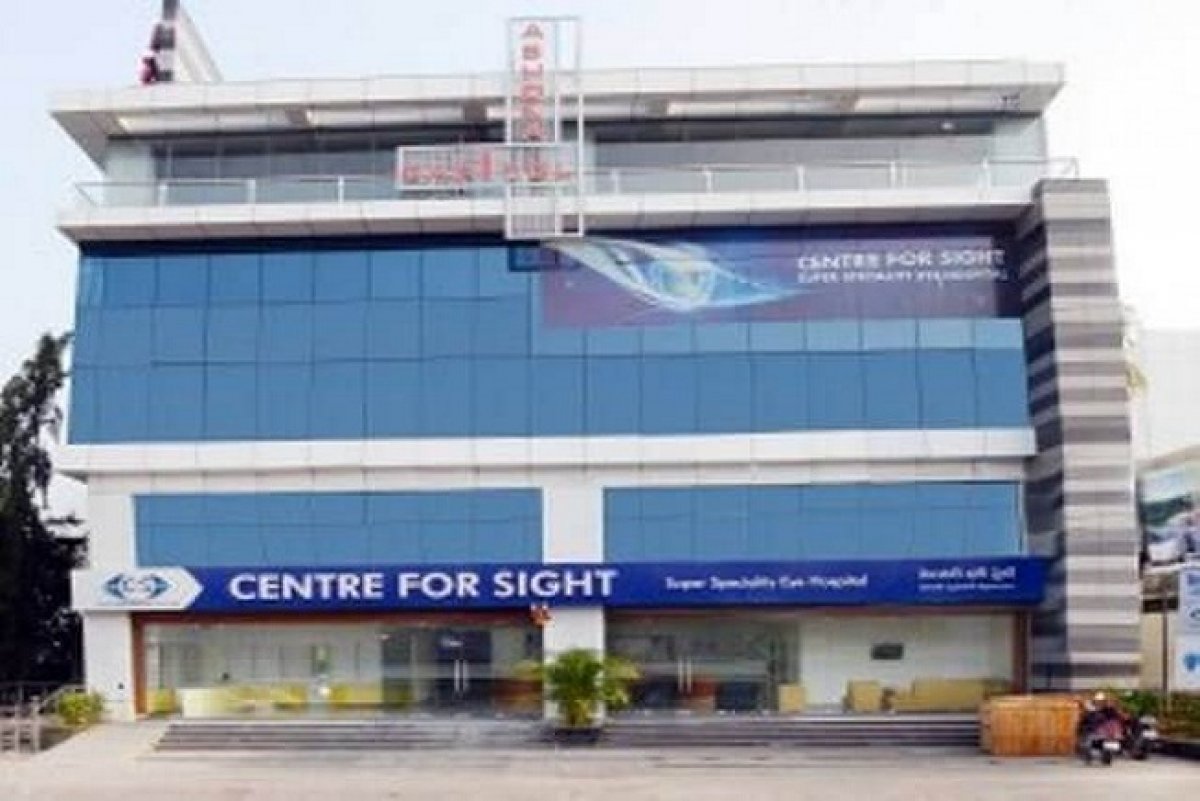
Centre For Sight
Obtenga una evaluación médica para Queratocono en India: consulte con doctores experimentados ahora
Ver todos los médicos
Aditi Krishna Agarwal
Especialista en trasplante de córnea, el Dr. Agarwal aporta una experiencia especializada a Fortis Gurgaon.
- Oftalmólogo con un profundo conocimiento de las afecciones corneales
- Experto en procedimientos corneales avanzados
- Trabaja en uno de los hospitales líderes de la India

Svati Bansal
El Dr. Bansal es oftalmólogo y cirujano ocular especializado en oculoplastia y traumatismos oculares en el Hospital Medanta.
- Experiencia en delicados procedimientos de oculoplastia que involucran la estructura del ojo
- Manejo de casos complejos de traumatismos oculares que requieren intervención quirúrgica
- Enfoque en condiciones oculares estructurales que requieren soluciones quirúrgicas precisas

Bharath Kumar
Especialista en reemplazo de córnea: el Dr. Kumar se centra en tratamientos avanzados para el queratocono en el Apollo Hospital Indraprastha.
- Oftalmólogo con experiencia en enfermedades de la córnea
- Realiza procedimientos especializados para el manejo del queratocono
- Trabaja en un hospital líder con instalaciones avanzadas para el cuidado ocular

Sameer Kaushal
Especialista en trasplantes de córnea – El Dr. Kaushal se centra en cirugías oculares avanzadas en los hospitales Artemis.
- Oftalmólogo con experiencia en afecciones de la córnea
- Realiza cirugías oculares complejas
- Trabaja en un hospital líder en la India
Compartir contenido
Historias en video de pacientes de Bookimed
 Olena Sikoza
Preguntas frecuentes sobre el tratamiento de Queratocono en India
¿Se puede curar el queratocono de forma permanente?
El queratocono no se puede curar de forma permanente. Sin embargo, procedimientos como el cross-linking corneal detienen eficazmente su progresión. Los centros médicos indios utilizan luz UV y riboflavina para fortalecer los enlaces corneales. Para casos avanzados, los trasplantes de córnea reemplazan el tejido dañado con córneas de donantes sanos para restaurar la visión.
- Cross-linking corneal: Método probado para detener el adelgazamiento y la protuberancia fortaleciendo el colágeno.
- Implantación de anillos corneales: Utiliza insertos como Intacs o CAIRS para aplanar la forma de la córnea.
- Opciones de trasplante: Reservadas para cicatrices graves, reemplazando el tejido dañado con injertos de donantes.
- Objetivo de estabilización: Los tratamientos se centran en detener la progresión en lugar de revertir el daño corneal establecido.
Perspectiva de expertos de Bookimed: Las clínicas oftalmológicas indias ofrecen una ventaja estratégica con respecto a los tiempos de espera para el queratocono avanzado. Mientras que algunos países occidentales tienen largas colas, los centros en Chennai y Delhi a menudo organizan trasplantes de córnea en un plazo de 3 a 6 meses. Esta rapidez es fundamental para los pacientes menores de 25 años, ya que retrasar el tratamiento en personas más jóvenes a menudo conduce a una mayor necesidad de cirugía invasiva
¿Puedo someterme a una cirugía LASIK si tengo queratocono?
No se recomienda la cirugía LASIK estándar para pacientes con queratocono. El procedimiento requiere la eliminación de tejido corneal. Esto adelgaza la córnea y puede desestabilizar peligrosamente la estructura del ojo. A menudo provoca un rápido deterioro de la visión o ectasia secundaria en ojos con queratocono.
- Adelgazamiento corneal: El LASIK debilita aún más el tejido corneal, que ya es delgado y tiene forma de cono.
- Riesgo de progresión: La cirugía láser puede acelerar la enfermedad y empeorar la visión.
- Previsibilidad quirúrgica: Las formas corneales irregulares hacen que los resultados del láser estándar sean altamente poco fiables.
- Alternativas más seguras: Procedimientos como el cross-linking corneal (CXL) fortalecen y estabilizan el ojo.
Perspectiva del experto de Bookimed: Las clínicas indias como Artemis Hospitals y Centre For Sight se centran en la estabilización a largo plazo en lugar de soluciones rápidas para la visión. Los datos muestran que especialistas de primer nivel como el Dr. Sameer Kaushal priorizan los trasplantes de córnea o el CXL para el queratocono en lugar del láser electivo. Para casos estables, algunos centros ofrecen lentes colámeras implantables (ICL), ya que no requieren la eliminación de tejido.
Consenso de los pacientes: Los pacientes señalan que los exámenes oculares básico
¿Cuáles son las mejores opciones de lentes de contacto para la corrección de la visión en la India?
La corrección de la visión en la India implica marcas de lentes de contacto premium e intervenciones clínicas avanzadas. Las mejores opciones incluyen Johnson and Johnson Acuvue para la hidratación y Alcon Dailies para ojos secos. Los centros especializados también proporcionan lentes rígidas permeables al gas (RGP) para condiciones complejas como el queratocono.
- Lentes de uso diario: Acuvue 1-Day Moist y Alcon Dailies TOTAL1 proporcionan altos niveles de hidratación.
- Lentes de uso mensual: Bausch + Lomb Ultra mantiene un 95% de hidratación para largas jornadas de trabajo digital.
- Lentes especializadas: Biofinity Toric estabiliza la visión para pacientes con astigmatismo o alta graduación.
- Vía clínica: Instalaciones acreditadas por la JCI como los hospitales Artemis ofrecen cross-linking corneal para problemas de visión avanzados.
Perspectiva del experto de Bookimed: Los pacientes que buscan corrección de la visión para queratocono en la India a menudo se benefician de un enfoque híbrido. Mientras que Purecon proporciona lentes RGP personalizadas, grandes instituciones como los hospitales Manipal atienden a 2,000,000 de pacientes anualmente. Estos centros de alto volumen integran la estabilización quirúrgica con la adaptación especializada de lentes para garantizar mejores resultados visuales a largo plazo.
Consenso de lo
¿Cuándo es necesario un trasplante de córnea?
Un trasplante de córnea se vuelve necesario cuando la córnea está gravemente cicatrizada o adelgazada. Esto estabiliza el ojo y restaura la visión. Es necesario cuando las lentes especiales fallan en pacientes con queratocono. También trata la distrofia de Fuchs avanzada, infecciones graves o quemaduras químicas.
- Deterioro visual: Las actividades diarias como conducir se vuelven imposibles a pesar de usar lentes.
- Adelgazamiento estructural: El queratocono avanzado hace que la córnea se abulte o se desgarre.
- Dolor intratable: La incomodidad persistente por hinchazón o ampollas corneales requiere intervención quirúrgica.
- Cicatrices corneales: Las opacidades permanentes por infecciones o traumatismos bloquean la entrada de luz.
Opinión de expertos de Bookimed: Clínicas indias como Manipal Hospitals y Artemis Hospitals integran servicios de trasplante con investigación. Manipal atiende a 2.000.000 de pacientes al año. Este volumen permite a los cirujanos dominar técnicas de trasplante específicas. Debe verificar si la clínica ofrece Cross-Linking corneal (CCL). Un CCL temprano a menudo evita la necesidad de un trasplante.
Consenso de los pacientes: Los pacientes señalan que después del procedimiento regresa una claridad que cambia la vida. A menudo lamentan haber esperado hasta que su visión falló por completo antes