Queratocono en Alemania: las 7 mejores clínicas para su tratamiento


Revisado médicamente por
Fahad Mawlood
¿Cuál es el precio del diagnóstico y los tratamientos de Queratocono en Alemania? Descubra ahora
De $150
Costos típicos del tratamiento del queratocono en Alemania
- Investigación oftalmológica: de $150
- Cross-linking corneal (CCL) (un ojo): de $1,500
- Implantación de anillos corneales: de $2,500
- Trasplante de córnea: de $6,800
Perspectiva de los expertos de Bookimed: Para el queratocono en etapa temprana, las técnicas láser mínimamente invasivas en centros especializados como la Clínica EuroEyes brindan excelentes resultados. Los pacientes que requieren una intervención avanzada se benefician de la consulta del profesor Ulrich Schaller en Múnich, que reporta altas tasas de éxito. Los casos avanzados que necesitan trasplantes de córnea a menudo incluyen estancias hospitalarias de varios días en el Hospital Asklepios Barmbek para una recuperación óptima. Elegir instalaciones acreditadas por la JCI o certificadas por la ISO garantiza el cumplimiento de los más altos estándares médicos alemanes.
| Alemania | España | Turquía | |
|---|---|---|---|
| Trasplante de córnea | de $6,800 | de $8,400 | de $6,200 |
| Implantación de anillo corneal | de $2,500 | de $3,800 | de $1,800 |
| Enlace cruzado corneal (CCL) (un ojo) | de $1,500 | de $2,400 | de $1,500 |
Sus beneficios y garantías con Bookimed
Precios directos
Bookimed no añade cargos extra a los precios de los tratamientos de Queratocono. Las tarifas proceden de las listas de precios oficiales de las clínicas. Pagará directamente en la clínica por su tratamiento a su llegada al país.
Sólo clínicas y médicos verificados
Bookimed está comprometido con su seguridad. Solo trabajamos con las clínicas que mantienen altos estándares internacionales en el tratamiento de Queratocono y cuentan con las licencias necesarias para atender a pacientes internacionales en todo el mundo.
Asistencia 24/7 gratuita
Bookimed ofrece asistencia experta gratuita. Un coordinador médico personal le apoya antes, durante y después de su tratamiento, resolviendo cualquier problema. Nunca estará solo en su viaje médico de tratamiento de Queratocono.

Su coordinador médico personal de Bookimed
- Le apoya en cada etapa
- Ayuda a elegir la clínica y el médico adecuados
- Asegura un acceso rápido y conveniente a la información
Descubra las mejores clínicas de tratamiento de Queratocono en Alemania: 7 opciones verificadas y Precios

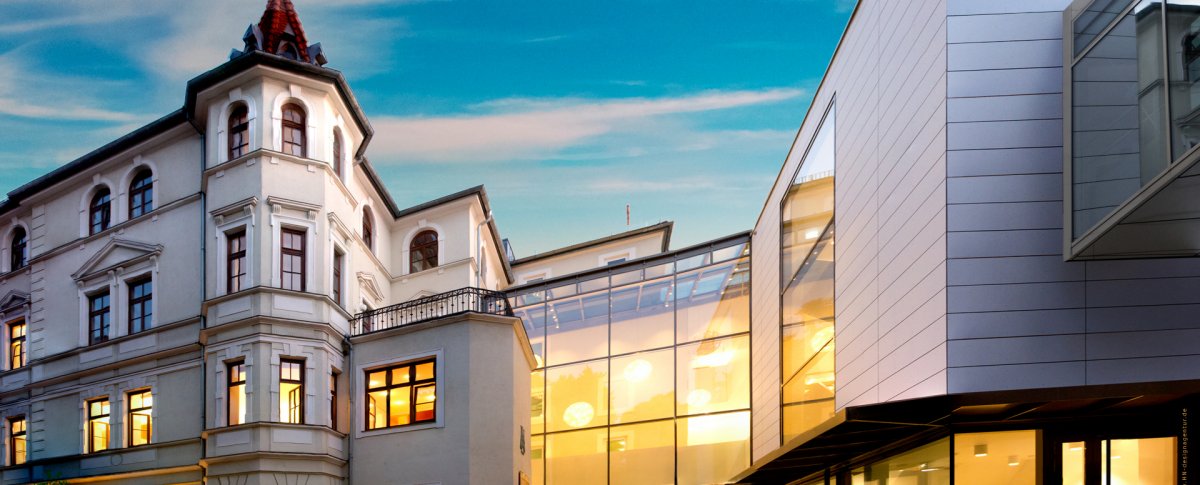
Práctica oftalmológica privada del Prof. Schaller en la Clínica de Herzog Carl Theodor-Munich


Spreebogen Ophthalmology Clinic




Lippe Detmold Clinic


Obtenga una evaluación médica de tratamiento de Queratocono en Alemania: haga una consulta con 6 médicos experimentados ahora
Ver todos los médicos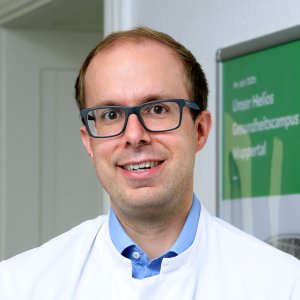
André Rosentreter Chief Of Ophthalmology
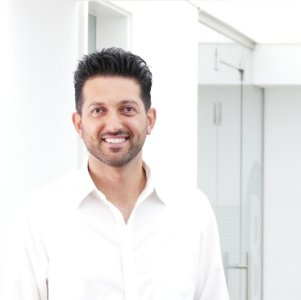
Kadir Kocadag
El Dr. med. Kadir Kocadag es oftalmólogo alemán con título de especialista. Se formó en la Universidad de Duisburg‑Essen y en la Clínica Universitaria de Oftalmología de Essen con los profesores Bornfeld y Steuhl. Ocupó un cargo clínico sénior centrado en enfermedades maculares y retinianas y en tumores oculares. Tiene amplia experiencia en cirugía refractiva y tratamientos láser oftálmicos.
Fue médico consultor en el Hospital Elisabeth de Essen. Desde 2015 ejerce en Solingen y Colonia
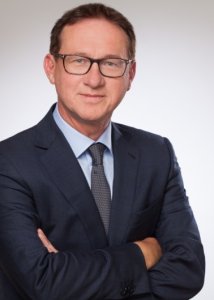
Randolf Widder
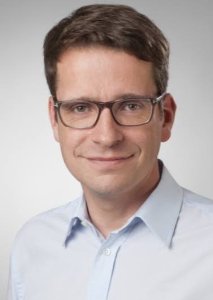
Gernot Rößler
Compartir contenido
Historias en video de pacientes de Bookimed
 Olena Sikoza
Preguntas frecuentes sobre el tratamiento de Queratocono en Alemania
¿Está disponible el cross-linking corneal (CXL) en Alemania y qué tan efectivo es para detener la progresión del queratocono?
El cross-linking corneal está ampliamente disponible en Alemania. Se originó a partir del protocolo de Dresde desarrollado en la Universidad Técnica de Dresde. Este tratamiento detiene eficazmente la progresión del queratocono en el 90% al 95% de los casos. Utiliza riboflavina y luz UV para fortalecer las fibras de colágeno de la córnea.
- Objetivos del tratamiento: La estabilización preserva la visión actual y evita la necesidad de trasplantes de córnea.
- Resultados visuales: Aproximadamente entre el 60% y el 81% de los pacientes experimentan una ligera mejora visual o un aplanamiento corneal.
- Durabilidad probada: Los datos clínicos a largo plazo muestran que los efectos de estabilización pueden durar 10 años o más.
- Protocolos avanzados: Las clínicas alemanas ofrecen protocolos tradicionales epi-off, epi-on y protocolos acelerados de exposición a UV de 10 minutos.
Opinión de expertos de Bookimed: Alemania ofrece una densidad única de centros oftalmológicos especializados como la Clínica Asklepios Nord y EuroEyes. Estas instalaciones manejan volúmenes masivos de pacientes; solo EuroEyes ha tratado a más de 500,000 pacientes. Este alto volumen a menudo permite a los cirujanos ofrecer los tres protocolos de CXL (epi-on, epi-off y acelerado) dentro de una misma instalación. Los pacientes pueden elegir el enfoque que mejor se adapte a su tiemp
¿Qué opciones quirúrgicas avanzadas se ofrecen cuando las lentes ya no corrigen la visión?
Los oftalmólogos alemanes ofrecen opciones quirúrgicas avanzadas como el cross-linking corneal (CXL), los segmentos de anillos intracorneales (ICRS) y la implantación de lentes fáquicas cuando las lentes fallan. Estos procedimientos estabilizan la estructura corneal o corrigen errores refractivos. Las clínicas modernas utilizan técnicas guiadas por topografía para restaurar la claridad y evitar la necesidad de trasplantes completos.
- Cross-linking corneal: Utiliza riboflavina y luz UV para fortalecer y estabilizar la córnea.
- Segmentos de anillos intracorneales: Implantes como Intacs aplanan el cono corneal para reducir el astigmatismo irregular.
- Lentes fáquicas (IOL): Las lentes de contacto implantables corrigen altas graduaciones preservando el cristalino natural.
- Trasplante de córnea: La cirugía avanzada DALK reemplaza el tejido dañado con menores riesgos de rechazo que los métodos tradicionales.
Perspectiva del experto de Bookimed: Clínicas alemanas como la consulta privada del profesor Schaller ofrecen altas tasas de éxito combinando tecnologías. Por ejemplo, su tasa de éxito del 99,8% en procedimientos relacionados con lentes refleja una gran experiencia con más de 13.000 pacientes al año. Elegir a un especialista como el Dr. Jørn Jørgensen, quien introdujo el LASIK en Hamburgo, garantiza el acceso a protocolos refinados para casos
¿Cuánto tiempo debe permanecer un turista médico en Alemania para la evaluación y el cross-linking?
Los turistas médicos suelen requerir una estancia de 5 a 7 días en Alemania para el cross-linking corneal. Este plazo incluye la investigación oftalmológica inicial, el procedimiento en sí y las citas de seguimiento obligatorias. Los pacientes internacionales deben permanecer en la zona hasta que la córnea comience a sanar y la lente de vendaje esté estable.
- Evaluación preoperatoria: Los exámenes oculares completos y la obtención de imágenes Pentacam suelen realizarse el primer día.
- Duración del tratamiento: El procedimiento de cross-linking suele durar 1 hora por ojo bajo anestesia local.
- Controles postoperatorios: Es obligatorio realizar un examen con lámpara de hendidura entre 24 y 48 horas después de la cirugía para comprobar la cicatrización.
- Seguridad en el vuelo: Los médicos recomiendan esperar al menos 7 días antes de volar para evitar la sequedad de la cabina.
Perspectiva del experto de Bookimed: Los pacientes pueden optimizar su estancia eligiendo clínicas con un alto volumen quirúrgico, como la Clínica EuroEyes o la Clínica Asklepios Nord. El Dr. Jørn Jørgensen de EuroEyes ha realizado la mayor cantidad de operaciones ICL y trifocales en Europa. Este nivel de experiencia a menudo se traduce en "protocolos turísticos" más eficientes que pueden condensar la evaluación y el tratamiento en 3 o 4 días.
Consenso de l
¿Cómo se supervisa la seguridad de la cirugía de trasplante de córnea en Alemania?
Alemania supervisa la seguridad de los trasplantes de córnea mediante estrictas regulaciones federales y una vigilancia diagnóstica avanzada. El tejido del donante se clasifica legalmente como producto farmacéutico. Esto garantiza un cribado riguroso de patógenos y la trazabilidad. Los centros de gran volumen, como la consulta del profesor Schaller en Múnich, utilizan microscopía especular especializada para verificar la salud del injerto antes de la cirugía.
- Regulación legal: Los injertos están sujetos a las leyes alemanas de tejidos y medicamentos para una supervisión estricta.
- Cribado de donantes: Los bancos de ojos realizan pruebas obligatorias de VIH, sífilis y hepatitis.
- Análisis biomicroscópico: Los especialistas utilizan microscopía especular para realizar un seguimiento preciso de la densidad de las células endoteliales.
- Calendario postoperatorio: Los controles de seguridad se realizan a los 3, 6, 12 y 24 meses.
Perspectiva del experto de Bookimed: Aunque las regulaciones alemanas son uniformes, las consultas privadas especializadas a menudo ofrecen una mayor continuidad en la supervisión. En la consulta del profesor Schaller, más de 13.000 pacientes al año se benefician de una profunda experiencia en trasplantes de córnea. Las clínicas con certificaciones ISO o auditorías TÜV NORD DIN EN ISO ofrecen una documentación más trans
¿Qué pruebas de calidad debo buscar al elegir un centro alemán de queratocono?
Para identificar centros alemanes de queratocono de primer nivel, busque instalaciones con certificación ISO 9001 o TÜV y cirujanos con certificaciones de la Sociedad Oftalmológica Alemana. Los centros de calidad utilizan imágenes de Scheimpflug y tomografía de coherencia óptica para el mapeo. Los hospitales de gran volumen en Hamburgo y Múnich suelen mantener departamentos especializados para el cross-linking corneal y el trasplante.
- Certificaciones especializadas: Busque instalaciones acreditadas por TÜV NORD DIN EN ISO o JCI.
- Credenciales de expertos: Cirujanos como el Dr. Ulrich Schaller son miembros de la Sociedad Oftalmológica Alemana.
- Centros de gran volumen: Clínicas de primer nivel como la Clínica Asklepios Nord tratan a más de 70.000 pacientes al año.
- Estándares tecnológicos: Los centros deben ofrecer topografía corneal e imágenes avanzadas de Pentacam Scheimpflug.
Perspectiva del experto de Bookimed: Aunque muchas clínicas generales ofrecen oftalmología, los centros especializados como EuroEyes o la consulta del profesor Schaller destacan por centrarse en cirugías refractivas y corneales. Nuestros datos muestran que los cirujanos alemanes mejor valorados suelen tener más de 30 años de experiencia y realizan un gran volumen de procedimientos de ICL y corneales. Elegir una clínica con un legado histórico, como la Herzog Carl Th
¿Cuál es el cronograma de recuperación y estabilización de la visión después de un CXL?
La recuperación del cross-linking corneal (CXL) en Alemania suele implicar una semana de curación física y de tres a seis meses para la estabilización de la visión. La agudeza visual a menudo fluctúa o empeora inicialmente debido a una opacidad corneal temporal. La mayoría de los pacientes logran una prescripción estable y un fortalecimiento corneal a largo plazo en un plazo de doce meses.
- Curación inicial: La regeneración de la capa superficial suele ocurrir dentro de los primeros tres a cinco días.
- Manejo del dolor: La incomodidad máxima dura de 24 a 48 horas, a menudo descrita como una sensación de arena.
- Fluctuación de la visión: La visión borrosa y la sensibilidad a la luz son comunes durante los primeros uno a tres meses.
- Estabilización completa: Los resultados visuales finales y los nuevos ajustes de lentes correctivas suelen ocurrir después de seis meses.
Perspectiva de expertos de Bookimed: Los datos de centros alemanes líderes como la Clínica EuroEyes y el consultorio del Profesor Schaller indican un alto volumen de más de 13,000 a 20,000 pacientes al año. Esta alta frecuencia permite a los especialistas alemanes perfeccionar los protocolos postoperatorios específicamente para el manejo de la opacidad corneal. Si bien la recuperación estándar es de seis meses, los centros con acreditaciones ISO y JCI a menudo utilizan mapeo av
¿Seguiré necesitando lentes de contacto después de un cross-linking o de la colocación de segmentos anulares?
La mayoría de los pacientes siguen necesitando lentes de contacto o gafas después de un cross-linking o de la colocación de segmentos anulares en Alemania. Estos procedimientos estabilizan principalmente la córnea en lugar de corregir completamente los defectos visuales. Por lo general, necesitará nuevos ajustes de 3 a 6 meses después de la operación, una vez que la forma de la córnea se estabilice.
- Objetivo del procedimiento: El cross-linking se centra en detener la progresión del queratocono endureciendo el tejido corneal.
- Corrección visual: Los anillos intraestromales aplanan la protuberancia corneal para mejorar la simetría general.
- Compatibilidad con lentes: La cirugía a menudo hace que el ojo sea más tolerante a las lentes de contacto cómodas.
- Resultados visuales: Las lentes rígidas permeables al gas o las lentes esclerales especializadas proporcionan la mejor claridad visual.
Perspectiva del experto de Bookimed: Los datos de centros alemanes líderes como la Clínica Asklepios Nord y la Clínica EuroEyes muestran que el volumen quirúrgico se correlaciona con la precisión en casos complejos. El Dr. Jørn Jørgensen, de EuroEyes, ha realizado la mayor cantidad de cirugías ICL y trifocales en Europa, destacando que los mejores especialistas alemanes priorizan la estabilidad a largo plazo. Si bien procedimientos como la implantación de an
¿Qué hospitales en Alemania tienen las calificaciones más altas en neurocirugía?
Alemania alberga algunos de los departamentos de neurocirugía más prestigiosos del mundo, liderados por la Charité – Universitätsmedizin Berlin y el Hospital Universitario de Heidelberg. Estos centros destacan en el tratamiento de tumores cerebrales complejos y enfermedades cerebrovasculares. Para maximizar la eficacia de sus procedimientos, utilizan tecnologías de vanguardia como la resonancia magnética intraoperatoria y la neuronavegación asistida por computadora.
- Charité Berlín: Realiza más de 5000 cirugías al año. La clínica está dirigida por el reconocido neurocirujano Dr. Peter Vaikoczy.
- Centro Médico Solingen: El Dr. Ralf Buhl ha realizado más de 4.000 cirugías, incluidas cirugías de columna mínimamente invasivas.
- Clínica Asklepios Nord: equipada con el único sistema de resonancia magnética intraoperatoria bilateral de Alemania para garantizar precisión quirúrgica en tiempo real durante la extirpación del tumor.
- Clínica Nordwest: reconocida por la revista Newsweek como un hospital líder por su innovación en tecnología de ultrasonido 3D.
Opinión experta de Bookimed: Los datos muestran que elegir centros con un alto volumen quirúrgico suele llevar a recomendaciones de tratamiento más conservadoras. En el Centro Médico Solingen, que atiende a más de 60.000 pacientes al año, los cirujanos suelen sugerir fisioterapia en lugar de cirugía
¿Cuáles son las tasas de éxito de los procedimientos neuroquirúrgicos complejos en Alemania?
En Alemania, los procedimientos neuroquirúrgicos de alta complejidad demuestran una seguridad excepcional. Las tasas de éxito en las fusiones espinales alcanzan el 99 %. La tasa de supervivencia en las resecciones de tumores cerebrales primarios es del 97 %. La independencia funcional es alta. Más del 82 % de los pacientes reciben el alta inmediatamente después del tratamiento. Los centros alemanes priorizan la preservación de la función neurológica mediante técnicas modernas de mapeo.
- Resección de tumores: los cirujanos logran una resección tumoral completa en el 87,2% de los casos de metástasis cerebrales.
- Éxito en el tratamiento de enfermedades vasculares: los hospitales alemanes informan de una tasa de supervivencia del 98,7% para aneurismas no rotos.
- Mejora del estado neurológico: casi el 43% de los pacientes experimentan una mejora de los parámetros funcionales después de resecciones complejas.
- Seguridad de las intervenciones quirúrgicas: En grandes centros quirúrgicos, las tasas de supervivencia de los pacientes después de la cirugía de columna son del 98-99%.
Opinión experta de Bookimed: Cirujanos experimentados como el Dr. Uwe Köhler, de la Clínica Asklepios Altona, realizan más de 2000 cirugías al año. Los datos muestran que estos especialistas mantienen tasas de éxito de hasta el 90 %, incluso en los tumores cerebrales más comp
¿Qué tecnologías avanzadas suelen estar disponibles en las clínicas neuroquirúrgicas alemanas?
Las clínicas neuroquirúrgicas alemanas incorporan regularmente instrumentos digitales de alta precisión y visualización en tiempo real a la práctica quirúrgica. Entre las tecnologías clave se encuentra la neuronavegación computarizada para cirugías de cerebro y médula espinal. Instituciones como la Clínica Asklepios Nord utilizan la resonancia magnética intraoperatoria para verificar la extirpación de tumores en tiempo real. Estos sistemas proporcionan a los cirujanos navegación GPS 3D.
- Neuronavegación: proporciona visualización 3D y seguimiento de instrumentos en tiempo real para lograr precisión quirúrgica hasta el nivel submilimétrico.
- Imágenes intraoperatorias: sistemas como iMRI y O-arm CT permiten la confirmación inmediata de una resección exitosa.
- Neuromonitorización: Monitorea las funciones motoras y sensoriales durante la cirugía para proteger el sistema nervioso.
- Diagnóstico de fluorescencia: se utiliza el colorante 5-ALA para resaltar los bordes del tumor para una eliminación más completa.
- Asistencia robótica: Sistemas como el Da Vinci mejoran la precisión en procedimientos complejos y mínimamente invasivos.
Opinión experta de Bookimed: Grandes centros como la Charité – Universitätsmedizin de Berlín realizan más de 4000 procedimientos neuroquirúrgicos al año, lo que crea un entorno rico en datos para p