Tratamiento de Cáncer de recto en Austria — obtenga 3 coincidencias personalizadas de clínicas


Revisado médicamente por
Fahad Mawlood
Cómo funciona
¿Cuál es el precio del diagnóstico y los tratamientos de Cáncer de recto en Austria? Descubra ahora
El costo del tratamiento del cáncer rectal en Austria generalmente incluye diagnósticos esenciales como una ecografía transrectal, que cuesta de Precio a consultar a Precio a consultar. Los procedimientos quirúrgicos primarios como la resección rectal oscilan entre $21,000 y $40,000. Los gastos totales dependen del estadio clínico, la técnica quirúrgica elegida y el nivel del centro médico. Los pacientes a menudo encuentran atención especializada concentrada en Viena, Salzburgo e Innsbruck.
Costos típicos del tratamiento del cáncer rectal en Austria
- Consulta con un oncólogo: de $430
- Ecografía transrectal (ETR): Precio a consultar
- Colonoscopia con extirpación de pólipos: Precio a consultar
- Resección rectal: $21,000 – $40,000
- Sistema robótico Da Vinci: $14,500 – $22,500
- Quimioterapia intraperitoneal hipertérmica (HIPEC): $24,000 – $37,000
- Tomoterapia: $9,500 – $15,500
- CyberKnife: $7,500 – $12,000
- NanoKnife: $25,000 – $35,000
- Inmunoterapia con Keytruda: $5,800 – $8,400
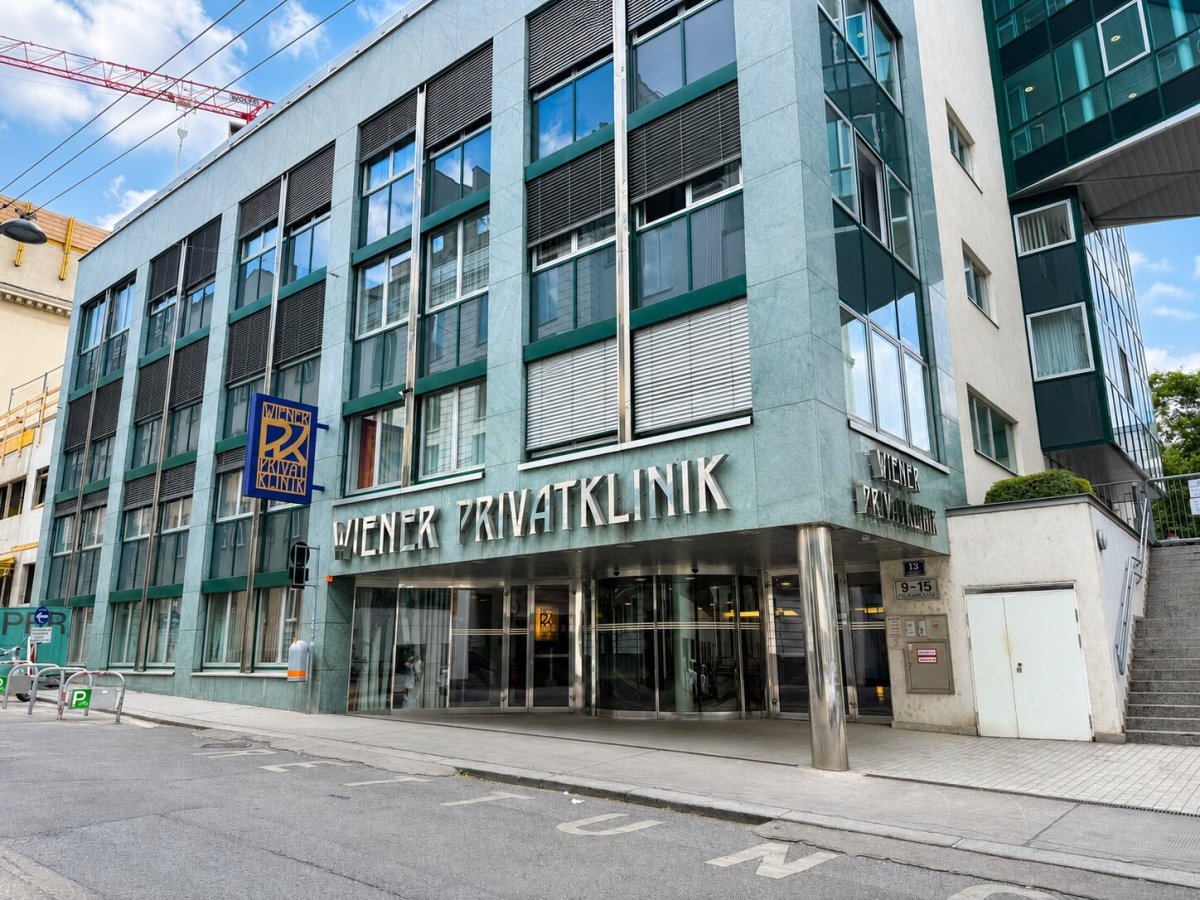
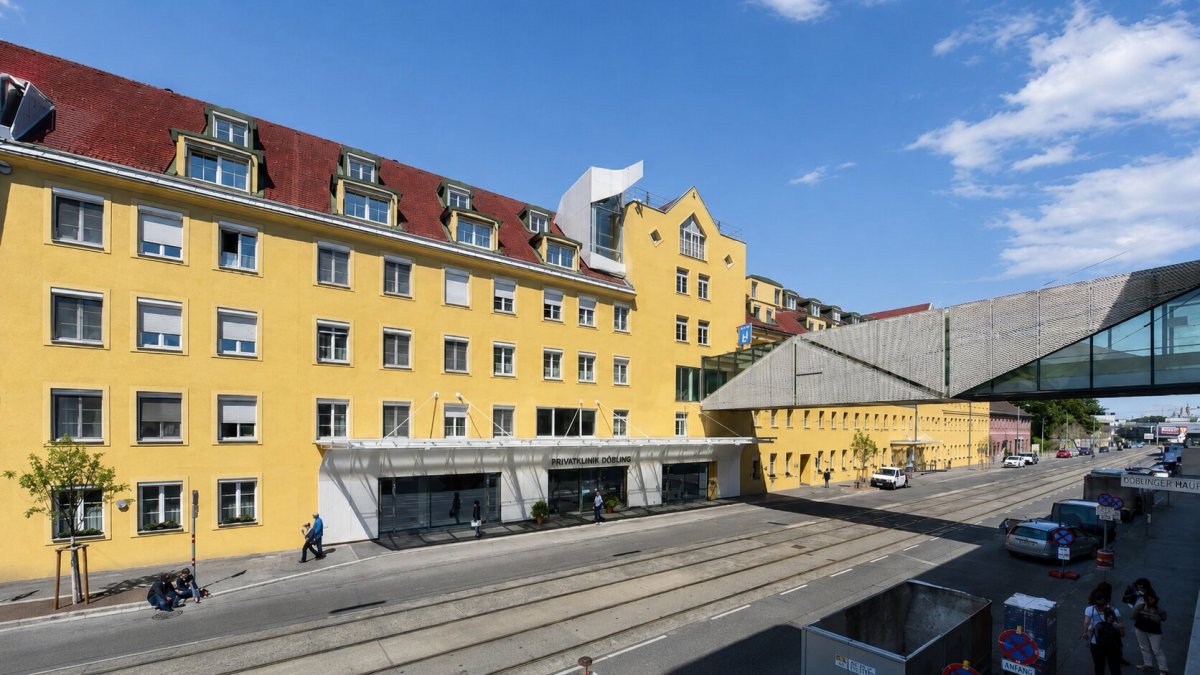
Perspectiva de los expertos de Bookimed: Los pacientes que buscan experiencia oncológica de clase mundial deben priorizar las clínicas dirigidas por profesores de la Universidad de Viena. Wiener Privatklinik es ideal para casos avanzados. Cuenta con el Centro Internacional de Oncología dirigido por el profesor Christoph Zielinski. Este centro ofrece inmunoterapia sofisticada y atención multidisciplinaria. Para los pacientes que cuidan su presupuesto, el Hospital Privado Döbling ofrece atención quirúrgica de alta calidad. Mantiene tasas de complicaciones muy por debajo de los promedios nacionales, comenzando alrededor de $7,400.
| Austria | España | Turquía | |
|---|---|---|---|
| Tomoterapia | ≈ $9,500 | ≈ $7,500 | de $6,700 |
| Sistema Robótico Da Vinci | ≈ $14,500 | ≈ $9,500 | de $23,900 |
| Resección rectal | ≈ $21,000 | de $29,000 | de $7,000 |
| Quimioterapia intraperitoneal hipertérmica (HIPEC) | ≈ $24,000 | de $81,900 | de $18,000 |
| Nanocuchillo | ≈ $25,000 | ≈ $9,500 | ≈ $9,500 |
Descubra las mejores clínicas de tratamiento de Cáncer de recto en Austria: 3 opciones verificadas y Precios






Obtenga una evaluación médica para Cáncer de recto en Austria: consulte con doctores experimentados ahora
Ver todos los médicos
Christoph Zielinski
El Prof. Zielinski dirige el departamento de oncología más grande de Austria y fundó el Comprehensive Cancer Center Vienna, especializado en tratamientos personalizados para el cáncer de recto.
- Más de 44 años de experiencia en oncología médica y hematología
- Jefe de la División Clínica de Oncología del Hospital General de Viena
- Pionero en inmunoterapia contra el cáncer y terapias individualizadas
- Presidente del Grupo Cooperativo de Oncología de Europa Central
David Kuczer
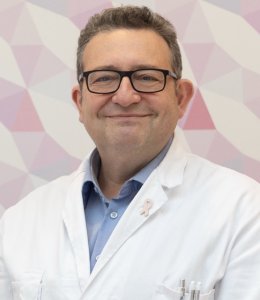
El Dr. David Kuczer es especialista en radiooncología con muchos años de experiencia en el diagnóstico y tratamiento del cáncer. Ofrece acceso rápido a radioterapia precisa, basada en los estándares científicos actuales.
Es miembro del Cancer Center de la Vienna Private Clinic. Presenta a cada paciente ante el comité de tumores interno, lo que permite una discusión interdisciplinaria por parte de un equipo de prestigio internacional y ayuda a seleccionar el mejor tratamiento.
To

Wolfgang Köstler
El Prof. Wolfgang Köstler es un destacado oncólogo austriaco especializado en terapia oncológica individualizada, con más de dos décadas de experiencia en la Wiener Privatklinik.
- Experto en terapias dirigidas para cáncer de mama y ginecológico
- Consultor senior en el departamento de oncología de la Universidad Médica de Viena
- Ha publicado extensamente sobre el desarrollo de biomarcadores y biología tumoral
- Se centra en la medicina personalizada y enfoques de inmunoterapia
Compartir contenido
Historias en video de pacientes de Bookimed
 Olena Sikoza
Preguntas frecuentes sobre el tratamiento de Cáncer de recto en Austria
¿Qué centros especializados en Austria están reconocidos como centros de tratamiento del cáncer de recto?
En Austria, entre los centros especializados en el tratamiento del cáncer de recto se encuentran la Clínica Privada de Viena y el Hospital Privado de Döbling. Estas instituciones ofrecen cirugía robótica avanzada e inmunoterapia conforme a las normas ISO. Muchas de ellas colaboran con la Universidad Médica de Viena. Estas clínicas cuentan con equipos multidisciplinarios de oncología para garantizar un tratamiento personalizado.
- Técnicas quirúrgicas: Los especialistas realizan los protocolos TaTME y ELAPE para el tratamiento de tumores rectales inferiores.
- Tecnología avanzada: Las clínicas utilizan el sistema robótico da Vinci y el sistema de radioterapia CyberKnife.
- Oncólogos experimentados: El profesor Christoph Zielinski, especialista universitario, es un pionero en el campo de la inmunoterapia individualizada contra el cáncer en Viena.
- Normas de seguridad: El Hospital Privado Döbling cumple con los objetivos de seguridad de la JCI, demostrando una baja tasa de complicaciones.
Opinión experta de Bookimed: Las principales clínicas privadas, como la Wiener Privatklinik, cuentan con profesores de la Universidad Médica de Viena. Esta estructura facilita a los pacientes el acceso a la experiencia académica. Mientras que en las instituciones públicas las listas de espera pueden llegar a los seis meses, estos centros privados ofrecen acceso in
¿Cuáles son los protocolos de tratamiento estándar que se utilizan en Austria?
El tratamiento estándar para el cáncer de recto en Austria se basa en las guías basadas en la evidencia de la Sociedad Europea de Oncología Médica (ESMO). Estas guías priorizan un enfoque multidisciplinario que involucra a paneles de oncólogos expertos. Los centros médicos combinan la quimiorradioterapia neoadyuvante con la escisión total del mesorrecto (ETM) para lograr altas tasas de supervivencia y bajas tasas de recurrencia.
- Terapia neoadyuvante: en estadio II/III, se realiza radioterapia a una dosis de 45-50 Gy en combinación con quimioterapia con capecitabina.
- Estándar quirúrgico: Los cirujanos suelen realizar la extirpación total del mesorrecto (ETM) mediante técnicas laparoscópicas o robóticas.
- Momento del tratamiento: La cirugía radical se suele realizar 8 semanas después de que los pacientes hayan completado la quimiorradioterapia neoadyuvante.
- Diagnóstico preciso: los especialistas utilizan resonancia magnética de 3T, ecografía transrectal y pruebas de detección de mutaciones del gen BRAF.
Opinión experta de Bookimed: En los principales centros vieneses, la coordinación profesional entre los departamentos de radiología y oncología es habitual. Por ejemplo, el Dr. David Kutzer, de Amethyst Radiotherapy, coordina la radioterapia directamente con la Vienna Privatklinik. Esta perfecta integración entre las distintas instituciones e
¿Es posible evitar la colostomía permanente?
En Austria, muchos pacientes con cáncer de recto logran evitar una colostomía permanente. Los cirujanos utilizan técnicas que preservan el esfínter, como la resección anterior baja, cuando los tumores se encuentran a 1-2 cm del músculo. Los sistemas robóticos modernos y la terapia preoperatoria ayudan a preservar la función intestinal natural y a prevenir la creación de un estoma permanente.
- Terapia preoperatoria: La quimioterapia o la radioterapia reducen el tamaño de los tumores, lo que permite una extirpación quirúrgica más segura.
- Precisión robótica: El sistema da Vinci ofrece imágenes de alta calidad para la cirugía pélvica con preservación de los nervios.
- Técnicas especializadas: Procedimientos como TaTME o TEM permiten extirpar tumores preservando el esfínter.
- Estomas temporales: Los cirujanos suelen utilizar ileostomías temporales durante 6 a 16 semanas para garantizar una cicatrización segura.
Opinión de expertos de Bookimed: La calidad de vida a menudo depende de un enfoque multidisciplinario, no solo de la intervención quirúrgica. En Viena, clínicas como la Wiener Privatklinik utilizan equipos oncológicos integrados liderados por expertos como el Dr. Christoph Zielinski. Esto garantiza una secuencia precisa de radioterapia, quimioterapia y cirugía. Gracias a esta coordinación, centros como el Hospital Privado Döbling mantienen
¿Qué es la estrategia de observar y esperar, y está disponible en Austria?
La estrategia de "observación y espera" es un enfoque no quirúrgico para el tratamiento del cáncer de recto. En Austria, está disponible en centros oncológicos especializados para pacientes que presentan una respuesta clínica completa tras la quimiorradiación. Este protocolo permite a los pacientes evitar la cirugía invasiva mediante una vigilancia intensiva con resonancia magnética y endoscopia.
- Criterios de selección: Se requiere una respuesta clínica completa después de la radioterapia y la quimioterapia iniciales.
- Preservación de órganos: El objetivo es evitar la colostomía permanente y mantener la función intestinal normal.
- Protocolo de seguimiento: incluye exámenes clínicos exhaustivos y estudios de imagen cada 3-4 meses.
- Disponibilidad en Austria: Las principales instituciones médicas de Viena siguen las directrices internacionales de la Sociedad Europea de Oncología Médica (ESMO).
Opinión experta de Bookimed: Elegir Austria para esta estrategia brinda acceso a algunos de los oncólogos más reconocidos de Europa. El Dr. Christoph Zelinski, de la Clínica Privada Wiener, ha publicado más de 600 artículos científicos. Este nivel de experiencia es fundamental para la estrategia de "observación y espera", ya que identificar una respuesta completa requiere la máxima precisión diagnóstica. Los datos muestran que las tas
¿Qué pruebas diagnósticas se realizan antes de comenzar la terapia?
En Austria, el diagnóstico preoperatorio del cáncer de recto se centra en la estadificación del tumor y el perfil genético. Las pruebas clave incluyen colonoscopia con biopsia, ecografía transrectal y resonancia magnética para determinar la profundidad del tumor. Los pacientes también se someten a tomografía computarizada y pruebas de mutación BRAF para determinar la inmunoterapia personalizada o la cirugía dirigida.
- Imágenes endoscópicas: La colonoscopia con biopsia confirma la malignidad y facilita la revisión del informe histopatológico.
- Estadificación local: la ecografía transrectal (TRUS) nos permite evaluar la profundidad del tumor en las paredes del recto.
- Las técnicas de imagen modernas, como la tomografía computarizada y la gammagrafía, pueden detectar la posible propagación de una infección a órganos distantes.
- Análisis molecular: Las pruebas para detectar mutaciones en el gen BRAF pueden ayudar a determinar la elegibilidad para terapias dirigidas específicas.
Opinión experta de Bookimed: Destacados especialistas austriacos, como el profesor Christoph Zelinsky, integran diagnósticos oncológicos complejos con comités multidisciplinarios de tumores. En instituciones como la Clínica Privada de Viena, estos comités analizan biomarcadores específicos junto con estudios de imagen. Esta coordinación garantiza que los tratamientos sisté
¿Se ofrecen cirugías robóticas y laparoscópicas y en qué se diferencian?
Las clínicas austriacas ofrecen cirugías robóticas y laparoscópicas para el tratamiento del cáncer de recto. Estas técnicas mínimamente invasivas utilizan pequeñas incisiones para minimizar el trauma. Los sistemas robóticos proporcionan imágenes 3D de alta resolución y están equipados con instrumental articulado. La laparoscopia utiliza cámaras 2D e instrumental recto con movilidad más limitada.
- Precisión robótica: El sistema da Vinci filtra los temblores para realizar cirugías delicadas que preservan los nervios.
- Acceso quirúrgico: Las plataformas robóticas son excelentes para operaciones en espacios pélvicos estrechos y resecciones complejas.
- Resultados clínicos: En los casos en que se utilizó cirugía robótica, se observó con frecuencia una menor tasa de conversión a cirugía abierta.
- Tiempo de recuperación: Los pacientes suelen pasar menos tiempo en el hospital y recuperan la función intestinal más rápidamente.
Opinión de los expertos de Bookimed: Los datos demuestran la necesidad de seleccionar centros con un alto volumen de pacientes para garantizar un alto nivel de excelencia quirúrgica. El Hospital Privado Döbling atiende a 16 000 pacientes anualmente y mantiene una tasa de complicaciones inferior a los estándares. Si bien la cirugía robótica puede requerir más tiempo en el quirófano, su precisión ayuda a preservar la función sexual