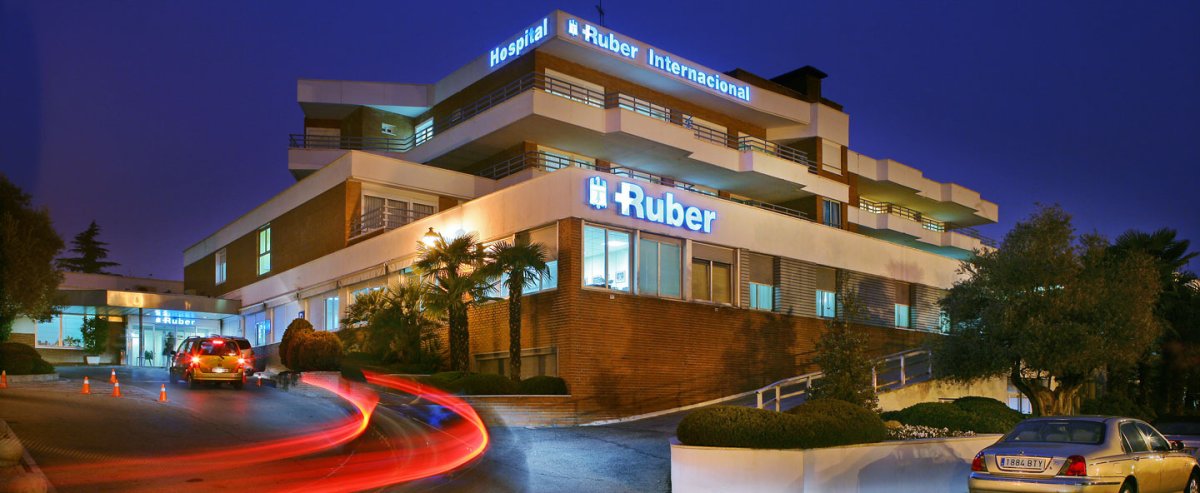
Centro Médico Teknon
España, Barcelona
Jaume Capdevila
26 años de experiencia

acreditaciones : 



Clínica certificada por : 





Revisado médicamente por
Fahad Mawlood
El costo del tratamiento del cáncer rectal en España generalmente comienza con diagnósticos esenciales como una ecografía transrectal (ETR) que oscila entre Precio a consultar y Precio a consultar. De $29,000. Los gastos totales dependen del estadio del cáncer y de la tecnología utilizada. Los pacientes a menudo obtienen ahorros del 40-70% en comparación con los Estados Unidos. Los principales centros de tratamiento se encuentran en Barcelona, Madrid y Pamplona.
Costos típicos del tratamiento del cáncer rectal en España
Perspectiva de los expertos de Bookimed: Los pacientes que buscan los resultados quirúrgicos más avanzados deben priorizar los centros que ofrecen técnicas asistidas por robot y transanales. El Hospital Quirón Barcelona es una de las mejores opciones para estos procedimientos complejos. Para casos que involucran afectación peritoneal, el Centro Médico Teknon ofrece protocolos HIPEC especializados bajo la supervisión de expertos reconocidos internacionalmente. Los pacientes que buscan terapias experimentales pueden encontrar valor en Quironsalud Madrid. Ofrecen a los pacientes elegibles acceso a ensayos clínicos basados en investigación sin costo alguno. Las instalaciones acreditadas por la JCI en España garantizan una atención de alto nivel a precios más bajos que en los EE. UU.
| España | Turquía | México | |
|---|---|---|---|
| Tomoterapia | ≈ $7,500 | de $6,700 | ≈ $9,000 |
| Sistema Robótico Da Vinci | ≈ $9,500 | de $23,900 | ≈ $11,500 |
| Resección rectal | de $29,000 | de $7,000 | ≈ $12,000 |
| Quimioterapia intraperitoneal hipertérmica (HIPEC) | de $82,100 | de $18,000 | ≈ $18,000 |
| Nanocuchillo | ≈ $9,500 | ≈ $9,500 | ≈ $12,000 |
El Dr. Jaume Capdevila es un médico oncológico digestivo y de páncreas altamente cualificado, licenciado en Medicina y Cirugía por la Universidad de Lleida y especialista en Oncología Médica por el Hospital de la Santa Creu i Sant Pau. Es miembro de varias organizaciones profesionales, incluidas EORTC, ESMO, ENETS, ASCO, GEMCAD, TTD y GETHI.

Más de 12.000 cirugías laparoscópicas realizadas – El Dr. Ballesta Lopez fue pionero en técnicas mínimamente invasivas para el cáncer de recto en el Centro Médico Teknon.
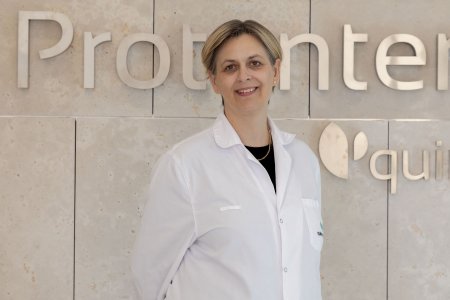
La Dra. Stephanie Lilianne E. Bolle es oncóloga radioterápica y jefa de Oncología Radioterápica del Centro de Protonterapia de Quirónsalud en Madrid. Dirige el departamento desde julio de 2024. Es el primer centro de protonterapia de España.
Doctora en Medicina, Universidad de Lieja (1998). Especialista en Oncología Radioterápica (2003). Es miembro activo de la Sociedad Europea de Oncología Pediátrica y colabora con su Grupo de Tumores Cerebrales y el Grupo de Trabajo de Oncología Radi
 Olena Sikoza
El tratamiento del cáncer de recto en España utiliza protocolos multidisciplinarios que incluyen cirugía robótica avanzada, inmunoterapia y quimiorradioterapia neoadyuvante. Los centros acreditados por la JCI en Barcelona y Madrid ofrecen técnicas especializadas como la escisión total del mesorrecto transanal (TaTME) para mejorar la precisión en la extirpación del tumor preservando la función orgánica.
Perspectiva del experto de Bookimed: España es un líder mundial en innovación quirúrgica. El Dr. Antonio de Lacy Fortuny, del Hospital Quirón Barcelona, fue pionero en la técnica TaTME. Clínicas especializadas como el Centro Médico Teknon también combinan más de 45 años de experiencia quirúrgica con oncólogos certificados por el American Board. Esta integración de estándares globales y métodos locales pioneros permite obtener altas tasas de éx
La colostomía permanente generalmente no es necesaria para el tratamiento del cáncer rectal en España. La mayoría de los pacientes reciben cirugías que preservan el esfínter, como la resección anterior baja. Los centros oncológicos españoles reportan tasas de estoma permanente inferiores al 5% en instalaciones especializadas. Los cirujanos utilizan estomas temporales para permitir la curación del intestino durante 3 a 12 meses.
Perspectiva del experto de Bookimed: España es un líder mundial en innovación en cirugía rectal. El Dr. Antonio de Lacy Fortuny en el Hospital Quirón Barcelona fue pionero en la escisión total del mesorrecto transanal (TaTME). Esta técnica permite a los cirujanos extirpar tumores muy cercanos al ano evitando bolsas permanentes. Clínicas como el Centro Médico Teknon atienden a más de 10,000 pacientes al
España reporta una tasa de supervivencia a 5 años del 62,5% al 65% para los cánceres colorrectales. La supervivencia del cáncer de recto en etapa temprana alcanza el 90% en los principales centros oncológicos españoles. Los casos avanzados de estadio III mantienen una tasa de supervivencia del 62%. Los hospitales de alto volumen utilizan cirugía asistida por robot para mejorar estos resultados.
Perspectiva del experto de Bookimed: Los datos de los principales centros españoles destacan el impacto del volumen quirúrgico en el éxito. El Dr. Antonio de Lacy Fortuny en el Hospital Quirón Barcelona ha realizado más de 15.000 procedimientos. Esta alta concentración de experiencia permite a las clínicas españolas ser pioneras en técnicas como la escisión total del mesorrecto transanal. Elegir un cirujano de alto volumen que realiza más de 1.000 cirugí
Barcelona y Madrid son los principales centros de atención especializada en cáncer de recto en España. Clínicas como el Centro Médico Teknon y el Hospital Quiron Barcelona ofrecen terapias avanzadas. Estos centros utilizan instalaciones acreditadas por la JCI y técnicas asistidas por robot como el sistema Da Vinci para mejorar la precisión quirúrgica.
Perspectiva del experto de Bookimed: Los centros de Barcelona demuestran un volumen quirúrgico excepcional que se correlaciona con la experiencia. El Dr. Antonio de Lacy Fortuny en el Hospital Quiron Barcelona realiza más de 1.000 procedimientos mínimamente invasivos al año. Esta alta frecuencia ayuda a los cirujanos a dominar técnicas complejas como la escisión total del mesorrecto transanal (TaTME).
Consenso de los pacientes: Los pacientes destacan que las cadenas de salud privadas ofrecen una coordinación
Los ensayos de preservación de órganos en España permiten a algunos pacientes evitar la cirugía o la radioterapia mediante inmunoterapia dirigida o quimioterapia intensiva. Estrategias como el «watch and wait» (observar y esperar) están disponibles para tumores que desaparecen por completo después del tratamiento inicial. La elegibilidad a menudo requiere marcadores genéticos específicos como la deficiencia de reparación de errores de emparejamiento (dMMR).
Opinión de expertos de Bookimed: Quironsalud Madrid ofrece una vía única para que los pacientes reciban tratamiento de forma gratuita participando en ensayos clínicos activos. Esta es una ventaja significativa en España, ya que centros de gran volumen como Quironsalud Barcelona también colaboran con institutos estadounidenses líderes en investigación oncológica avanzada. Los pacientes deben priorizar hospitales con acreditación de la Joint Com
Los centros oncológicos españoles utilizan tecnologías avanzadas como el sistema robótico Da Vinci Xi y la escisión total del mesorrecto transanal para maximizar la seguridad. Estas herramientas permiten una extirpación precisa del tumor preservando los nervios vitales. Los cirujanos también utilizan imágenes de fluorescencia para garantizar un flujo sanguíneo saludable durante las reconstrucciones rectales complejas.
Opinión de expertos de Bookimed: Centros españoles como el Centro Médico Teknon y el Hospital Quirón Barcelona ofrecen un gran volumen de procedimientos laparoscópicos y robóticos. Solo el Teknon ha realizado más de 12.000 cirugías laparoscópicas. Este alto volumen de pacientes a menudo conduce a una mejor preservación de los nervios autónomos. Nuestros datos muestran que médicos como el Dr.