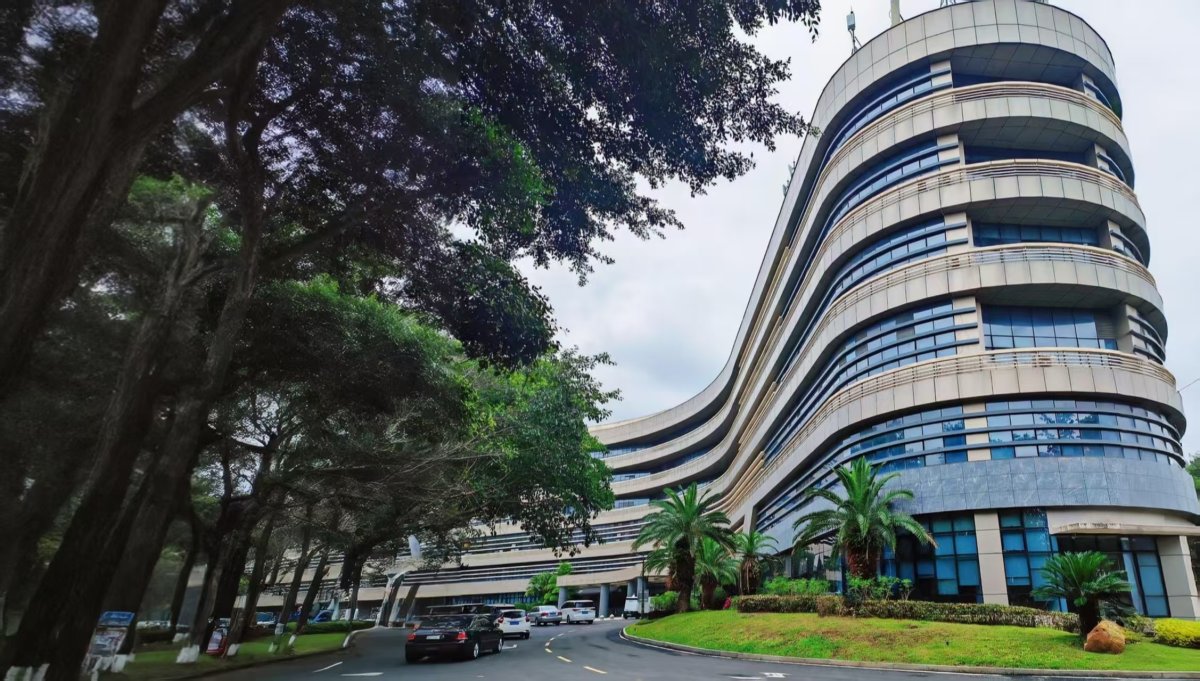
Boao International Medical Center
China, Qionghai


Revisado médicamente por
Fahad Mawlood
De $50. Los gastos totales dependen de la elección entre terapias tradicionales o cirugía espinal avanzada, lo que a menudo proporciona un ahorro del 50-70% en comparación con los Estados Unidos. Los principales centros médicos incluyen Pekín y Shanghái.
Costos típicos del tratamiento de hernia discal en China
Perspectiva de expertos de Bookimed: Los pacientes que buscan atención de alto nivel se benefician de los centros de Clase A nivel III. El Hospital Internacional Yanda (JCI) es ideal para aquellos que requieren protocolos internacionales combinados con enfoques tradicionales. Esta clínica atiende a más de 2,5 millones de pacientes al año con 3.000 camas disponibles. Es ideal para adultos que necesitan rehabilitación integral o servicios de neurología. Dichas instalaciones ofrecen tecnologías modernas para la columna vertebral a precios competitivos.
| China | España | Turquía | |
|---|---|---|---|
| Plástico vertebral | ≈ $6,200 | de $22,400 | de $4,000 |
| Laminectomía lumbar y estabilización de un nivel | ≈ $9,500 | de $31,400 | de $4,800 |
| Laminectomía cervical con estabilización de un nivel | ≈ $9,500 | de $28,100 | de $14,000 |
| Laminectomía | ≈ $8,500 | de $15,000 | de $4,500 |
| Extirpación de hernia discal con diagnóstico preoperatorio | de $9,000 | de $27,000 | de $5,000 |
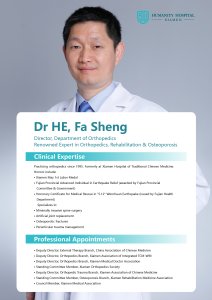
El Dr. He Fa Sheng es Director del Departamento de Ortopedia. Se especializa en ortopedia, rehabilitación y osteoporosis. Ejerce desde 1995. Anteriormente trabajó en el Hospital de Medicina Tradicional China de Xiamen.
Su enfoque clínico incluye cirugía de columna mínimamente invasiva, reemplazo articular, fracturas osteoporóticas y atención de traumatismos.
Entre sus distinciones y cargos figuran la Medalla del Trabajo del 1.º de Mayo de Xiamen y premios provinciales por rescat

El Dr. Liang Xiao Mu es el jefe de tecnologías de rehabilitación en el Hospital Internacional Yanda de Pekín. Se especializa en medicina restaurativa para accidentes cerebrovasculares, lesiones de la médula espinal y lesiones cerebrales. El Dr. Liang posee la categoría de especialista médico de más alto nivel. Es miembro de la Asociación China de Medicina de Rehabilitación.
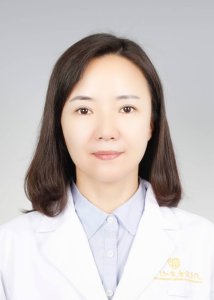
La profesora Liang Xiaoxiao es Directora del Departamento y Jefa de Servicio de Neurorrehabilitación. Cuenta con una maestría en neurología. Es experta en neuromodulación para trastornos de la conciencia, la cognición y el movimiento. Su labor se centra en casos de enfermedad cerebrovascular, enfermedad de Parkinson y afecciones relacionadas. También realiza inyecciones de toxina botulínica guiadas por ecografía para el blefaroespasmo, el espasmo hemifacial, la espasticidad de las extremidade

Escrito por Вероника Казина

Escrito por Veronika Kazina
 Olena Sikoza
En China, la cirugía no es la única opción de tratamiento para las hernias discales. Las guías médicas chinas priorizan los tratamientos conservadores y no quirúrgicos. Por lo general, los hospitales requieren un tratamiento no invasivo de 4 a 6 semanas antes de considerar la cirugía.
Opinión de expertos de Bookimed: Si bien en muchos países la fisioterapia y la medicina alternativa se practican por separado, en China están integradas. El Hospital Internacional Yanda cuenta con la acreditación JCI y tiene una categoría A, Nivel III. Esto significa que los pacientes reciben diagnósticos occidentales junto con tratamientos tradicionales chinos en un mismo centro. Este enfoque integral permite tratar hasta el 90 % de los casos sin cirugía.
Opiniones de los pacientes: Los pacientes suelen obtener buenos resul
La medicina tradicional china (MTC) no puede eliminar ni recolocar mecánicamente una hernia discal. Favorece la reabsorción natural, mediante la cual el cuerpo absorbe el material discal protruido. Los estudios demuestran que el 24 % de los pacientes experimentan una reabsorción significativa tras dos años de tratamiento intensivo con MTC. El tratamiento tiene como objetivo combatir la inflamación y mejorar la circulación.
Opinión experta de Bookimed: El Hospital Internacional Yanda en Pekín combina enfoques tradicionales chinos con protocolos internacionales. Este centro de categoría A III atiende a 2.500.000 pacientes anualmente. Nuestros datos muestran que los centros de alto volumen que utilizan este modelo integrado reportan un manejo del dolor más efectivo. Los pacientes suelen elegir estas
El tratamiento conservador dentro de la medicina tradicional china incluye métodos holísticos no quirúrgicos que combinan terapia manual y fitoterapia. Su objetivo es restaurar el qi y la circulación sanguínea para tratar las hernias discales. Este enfoque utiliza acupuntura, masaje tuina y tratamientos herbales especializados en hospitales chinos como el Hospital Internacional Yanda.
Opinión de los expertos de Bookimed: Los principales centros médicos chinos, como el Hospital Internacional Yanda, atienden hasta 2.500.000 pacientes al año. Este enorme volumen permite a las clínicas perfeccionar protocolos híbridos que combinan los estándares de seguridad acreditados por la JCI con métodos tradicionales. Los pacientes se benefician de esta escala, ya que los hospitales de Clase A III con un alto volumen de pacientes suelen ob
En China, el tratamiento para las hernias discales suele aliviar el dolor en un plazo de 2 a 6 semanas mediante métodos conservadores. La acupuntura suele proporcionar una mejoría significativa en 10 sesiones. La cirugía mínimamente invasiva puede aliviar el dolor en un 80 % en 48 horas. La recuperación completa de la función discal generalmente requiere 4 meses de tratamiento continuo.
Opinión de expertos de Bookimed: El Hospital Internacional Yanda de Pekín recibe anualmente una enorme cantidad de pacientes: 2.500.000. Este elevado flujo de pacientes en todo el país permite a las clínicas de Nivel III, Clase A, dominar protocolos integrales. Combinan la cirugía occidental acreditada por la JCI con la medicina tradicional china. Este enfoque dual suele acelerar la recuperación en las primeras etapas, en comparación con el u
China cuenta con una sólida red de hospitales terciarios especializados de primer nivel para el tratamiento de hernias discales. Estas instituciones de élite suelen albergar departamentos especializados en cirugía de columna. Centros como el Hospital Internacional Yanda ofrecen tratamientos acreditados por la JCI. Estos centros combinan protocolos quirúrgicos modernos con métodos de rehabilitación tradicionales para una recuperación óptima.
Opinión de expertos de Bookimed: El Hospital Internacional Janda destaca por sus 3000 camas. Esta enorme capacidad le permite atender a 2.500.000 pacientes al año. Si bien muchos pacientes internacionales se decantan por los hospitales públicos más prestigiosos, los centros acreditados por la JCI, como Janda, suelen ofrecer servicios más convenientes para qui
El dolor intenso requiere una evaluación clínica inmediata para prevenir daños nerviosos irreversibles. Cuando los síntomas interfieren con las actividades diarias, los hospitales chinos utilizan técnicas de imagen avanzadas, como la resonancia magnética, para evaluar la compresión nerviosa. Las intervenciones médicas específicas, como las inyecciones epidurales o la cirugía mínimamente invasiva, reemplazan los métodos tradicionales cuando el tratamiento conservador fracasa.
Opinión de expertos de Bookimed: Los mejores hospitales de China combinan la medicina tradicional y la moderna. El Hospital Internacional Yanda en Pekín integra protocolos internacionales de eficacia probada con rehabilitación. Es un centro de categorí

