Disco herniado Tratamiento en México — Costos 2026


Revisado médicamente por
Fahad Mawlood
¿Cuál es el precio del diagnóstico y los tratamientos de Disco herniado en México? Descubra ahora
El costo del tratamiento de hernia de disco en México varía según el método elegido. La terapia con células madre, que incluye 100 millones de células madre y 250 millones de exosomas, tiene un precio de 5.640 €. Las opciones quirúrgicas incluyen discectomía y recalibración de raíces nerviosas, con un precio de 9.400 €, y las prótesis cuestan entre 11.280 € y 15.040 € adicionales. Otro procedimiento quirúrgico, que incluye laminotomía, foraminotomía y discectomía en el nivel L5-S1, se ofrece a 8.460 €. Cada plan de tratamiento se adapta a las necesidades específicas del paciente, según lo determine una evaluación médica exhaustiva.
| España | Turquía | México | |
|---|---|---|---|
| Plástico vertebral | de $22,400 | de $4,000 | ≈ $7,500 |
| Laminectomía lumbar y estabilización de un nivel | ≈ $11,500 | de $4,800 | ≈ $9,000 |
| Laminectomía cervical con estabilización de un nivel | de $28,100 | ≈ $7,500 | ≈ $9,000 |
| Laminectomía | de $15,000 | de $4,500 | de $11,500 |
| Extirpación de hernia discal con diagnóstico preoperatorio | de $27,000 | de $5,000 | de $12,000 |
Sus beneficios y garantías con Bookimed
Precios directos
Bookimed no añade cargos extra a los precios de los tratamientos de Disco herniado. Las tarifas proceden de las listas de precios oficiales de las clínicas. Pagará directamente en la clínica por su tratamiento a su llegada al país.
Sólo clínicas y médicos verificados
Bookimed está comprometido con su seguridad. Solo trabajamos con las clínicas que mantienen altos estándares internacionales en el tratamiento de Disco herniado y cuentan con las licencias necesarias para atender a pacientes internacionales en todo el mundo.
Asistencia 24/7 gratuita
Bookimed ofrece asistencia experta gratuita. Un coordinador médico personal le apoya antes, durante y después de su tratamiento, resolviendo cualquier problema. Nunca estará solo en su viaje médico de tratamiento de Disco herniado.

Su coordinador médico personal de Bookimed
- Le apoya en cada etapa
- Ayuda a elegir la clínica y el médico adecuados
- Asegura un acceso rápido y conveniente a la información
Descubra las mejores clínicas de tratamiento de Disco herniado en México: 2 opciones verificadas y Precios



GDL Neurocirugía de Alta Especialidad
Obtenga una evaluación médica para Disco herniado en México: consulte con doctores experimentados ahora
Ver todos los médicos
Marco Tulio Marroquin Batres
El doctor es un cirujano plástico galardonado que se especializa en procedimientos faciales y corporales. Certificado por el Consejo Mexicano de Cirugía Plástica, Estética y Reconstructiva, el doctor es reconocido como uno de los mejores cirujanos en la Ciudad de México, particularmente conocido por su experiencia en liposucción, rinoplastia y cirugías de levantamiento de glúteos brasileño (BBL).<\/p>
Actualmente practicando en el Centro Médico Salutaris, el doctor tiene un título
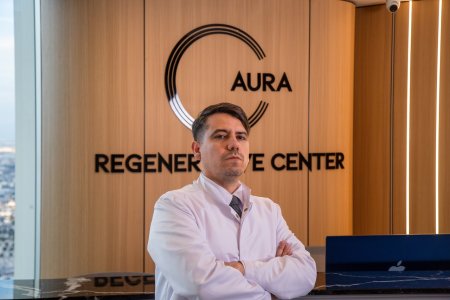
Fernando Antonio Hernández Martínez
El Dr. Fernando Antonio Hernández Martínez es un médico con licencia en México. Tiene una sólida trayectoria en Urgencias, cuidados agudos, toma de decisiones críticas y evaluación clínica rápida. Realiza evaluaciones precisas y seguras de casos complejos.
Se desempeña como médico responsable en Aura Regenerative Center, en Monterrey. Evalúa a candidatos para terapias celulares avanzadas, incluidas células madre mesenquimales de la gelatina de Wharton y protocolos basados en exosomas.

Joaquin Ayala Del Muro
El Dr. Joaquín Ayala Del Muro es un cirujano plástico certificado en el Hospital de la Familia. Es conocido por sus procedimientos complejos de rejuvenecimiento facial y contorno corporal. El Dr. Ayala Del Muro completó una beca en Brasil bajo la tutela del fallecido Ivo Pitanguy. Mantiene un historial médico con cero demandas o muertes de pacientes.
- Especializado en estiramientos faciales de plano profundo (deep plane facelifts), "mommy makeovers" y cirugía post-bariátrica.
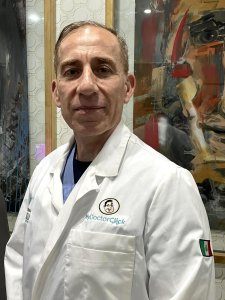
Dr Roberto Hernandez-pena
El Dr. Roberto Hernandez-Pena es neurocirujano. Obtuvo su título de médico en la Universidad Autónoma de Baja California y completó la residencia en neurocirugía en la Ciudad de México, seguida de una subespecialidad en neurología y neurocirugía en Phoenix, Arizona.
Forma parte de un equipo de neurocirugía de dos cirujanos junto con el Dr. Nestor Rodriguez, quien realizó una subespecialidad en Río de Janeiro, Brasil. Juntos aportan más de 18 años de experiencia quirúrgica y son reconoc
Artículos relacionados

¿Cuánto cuesta el tratamiento de la hernia discal?
Escrito por Вероника Казина

Métodos y precios para el tratamiento de la hernia de disco en Israel: discectomía, laminectomía
Escrito por Veronika Kazina
Compartir contenido
Historias en video de pacientes de Bookimed
 Olena Sikoza
Preguntas frecuentes sobre el tratamiento de Disco herniado en México
¿Es segura la cirugía de columna en México?
La cirugía de columna en México es segura cuando es realizada por neurocirujanos certificados en instalaciones acreditadas. Los hospitales privados de alto nivel utilizan neuronavigación O-arm y siguen estándares internacionales de higiene. Muchos cirujanos mantienen credenciales duales en México y Estados Unidos. Los pacientes generalmente se recuperan en el país durante 5 a 10 días antes de volar.
- Credenciales del cirujano: La certificación por parte del Consejo Mexicano de Ortopedia y Traumatología (CONAOT) es esencial.
- Estándares de las instalaciones: Los centros de primer nivel cuentan con la acreditación CSG del Consejo de Salubridad General de México.
- Equipos especializados: Los equipos neuroquirúrgicos líderes a menudo incluyen especialistas con becas de instituciones de los Estados Unidos.
- Precisión diagnóstica: Los resultados seguros dependen de ECG preoperatorios, resonancias magnéticas y consultas con neurocirujanos experimentados.
Perspectiva del experto de Bookimed: Los datos sugieren que las clínicas en ciudades fronterizas como el Hospital de la Familia operan como `micro-hospitales` boutique con una alta proporción de cirujanos por paciente. Estas instalaciones a menudo emplean equipos especializados de dos cirujanos para procedimientos complejos de hernia discal. Este enfoque colaborativo permite que un cirujano se con
¿Qué opciones de tratamiento están disponibles para una hernia discal en México?
México ofrece un espectro completo de tratamientos para hernias discales. Estos van desde terapias regenerativas no quirúrgicas, como inyecciones de células madre, hasta cirugías avanzadas mínimamente invasivas. Centros especializados en Guadalajara y Mexicali ofrecen microdiscectomía, laminectomía y reemplazo de disco artificial. La mayoría de las instalaciones mantienen estrictos estándares de salud de COFEPRIS y CSG.
- Opciones regenerativas: La terapia con células madre utiliza células mesenquimales para reparar el tejido discal dañado de forma natural.
- Técnicas quirúrgicas: Los cirujanos realizan microdiscectomías y procedimientos endoscópicos a través de pequeñas incisiones para una recuperación más rápida.
- Preservación del movimiento: El reemplazo de disco artificial ayuda a mantener la movilidad de la columna en lugar de una fusión permanente.
- Precisión diagnóstica: Los protocolos preoperatorios incluyen consultas con neurocirujanos, revisiones de resonancia magnética y pruebas de laboratorio completas.
Perspectiva del experto de Bookimed: Elegir una clínica cerca de la frontera puede simplificar la logística de los seguimientos postoperatorios. Por ejemplo, el Hospital de la Familia en Mexicali se encuentra a pasos de la frontera con California. Esto permite a los pacientes acceder a equipos de neurocirugía de alto nivel con beca
¿Cuánto tiempo dura la recuperación después de una cirugía de hernia discal en México?
La recuperación después de una cirugía de hernia discal en México generalmente permite realizar actividades ligeras en un plazo de 1 a 4 semanas. La mayoría de los pacientes retoman sus rutinas diarias normales entre 8 y 12 semanas después de la operación. Los pacientes internacionales generalmente reciben el alta médica para volar a casa después de 7 a 10 días de monitoreo local.
- Movilidad inmediata: Los pacientes a menudo comienzan a caminar pocas horas después de los procedimientos de discectomía mínimamente invasivos.
- Estancia hospitalaria: Las instalaciones quirúrgicas generalmente requieren de 1 a 2 noches para observación postoperatoria.
- Transición laboral: Los profesionales de oficina a menudo regresan al trabajo remoto o ligero para la semana 3.
- Restauración completa: Los deportes de alto impacto y levantar objetos pesados generalmente están restringidos durante 3 a 6 meses.
Perspectiva del experto de Bookimed: Los datos clínicos de GDL High Specialty Neurosurgery muestran que los equipos especializados atienden a casi 700 pacientes al año. Los centros de alto volumen a menudo favorecen la caminata inmediata y la fisioterapia temprana. Este enfoque proactivo puede conducir a una recuperación funcional más rápida que los protocolos tradicionales de reposo prolongado en cama. Los pacientes que eligen equipos como el del Hospital
¿Qué debo preguntarle a mi cirujano de columna mexicano antes de comprometerme con un tratamiento?
Verifique que su cirujano de columna mexicano cuente con la certificación del Consejo Mexicano de Cirugía Neurológica. Confirme si ha completado becas internacionales en técnicas específicas de columna. Pregunte sobre su volumen rutinario de procedimientos como discectomía o laminectomía. Los pacientes deben establecer un cronograma claro de viaje postoperatorio antes de comprometerse.
- Verificación de certificación: Solicite prueba de certificación del Consejo Mexicano de Cirugía Neurológica.
- Experiencia quirúrgica: Pregunte si el neurocirujano ha realizado más de 1,000 procedimientos espinales exitosos.
- Revisión diagnóstica: Asegúrese de que el cirujano revise personalmente las resonancias magnéticas para confirmar la fuente del dolor.
- Seguridad en el viaje: Confirme una ventana de recuperación de 7 a 10 días antes de volar a casa.
Perspectiva de expertos de Bookimed: Busque equipos neuroquirúrgicos que operen como un dúo permanente. Los centros de alto volumen como el Hospital de la Familia utilizan equipos de dos cirujanos con más de 15 años de experiencia compartida. Este enfoque colaborativo a menudo garantiza una mejor monitorización intraoperatoria y continuidad quirúrgica. Clínicas especializadas como GDL High Specialty Neurosurgery gestionan casi 700 pacientes al año. Este volumen indica protocolos refinados para casos complejo
¿Es la terapia con células madre una alternativa realista a la cirugía de columna en México?
La terapia con células madre es una opción no quirúrgica para hernias discales leves y degeneración temprana. Utiliza células madre mesenquimales para reducir la inflamación y promover la reparación biológica. Aunque evita incisiones invasivas, sigue siendo una alternativa solo para casos estructurales específicos sin compresión nerviosa severa.
- Mecanismo de tratamiento: Las inyecciones tienen como objetivo reparar los tejidos biológicamente en lugar de mediante estabilización mecánica.
- Marco regulatorio: Las directrices de COFEPRIS en México permiten recuentos celulares ampliados de hasta 300 millones.
- Candidatos ideales: Los pacientes con enfermedad degenerativa del disco o ciática a menudo obtienen los mejores resultados.
- Tiempo de recuperación: los beneficios completos suelen aparecer entre 6 y 12 meses después del procedimiento.
Perspectiva de expertos de Bookimed: Los datos de centros de alto volumen como GDL High Specialty Neurosurgery, que atiende a casi 700 pacientes al año, sugieren que los resultados exitosos dependen de diagnósticos precisos. Vemos que los mejores neurocirujanos como el Dr. Roberto Hernandez-pena a menudo combinan la formación mexicana con becas internacionales para cerrar la brecha entre la experiencia regenerativa y la quirúrgica. Esta doble especialización garantiza que los pacientes solo reciban células