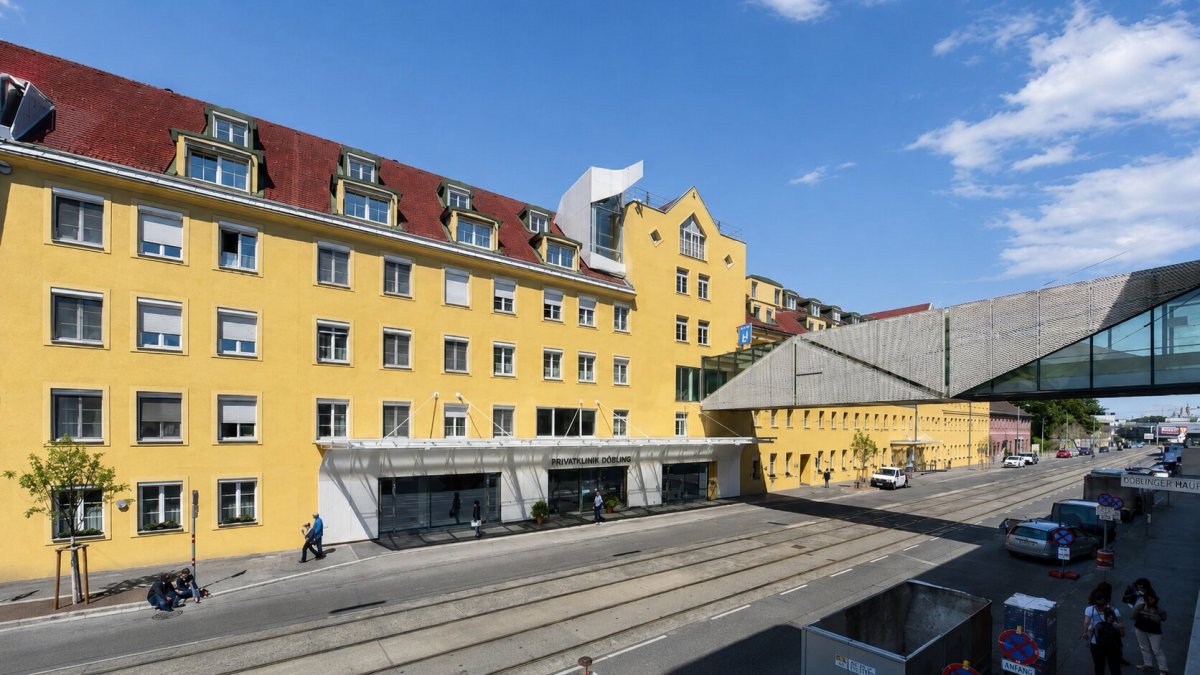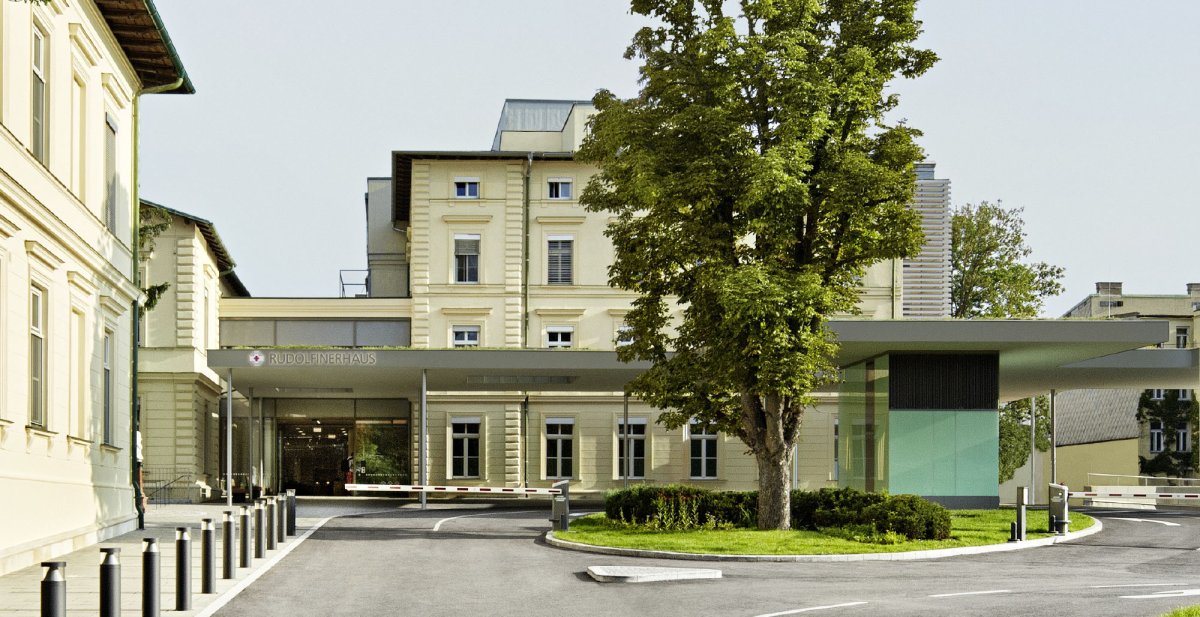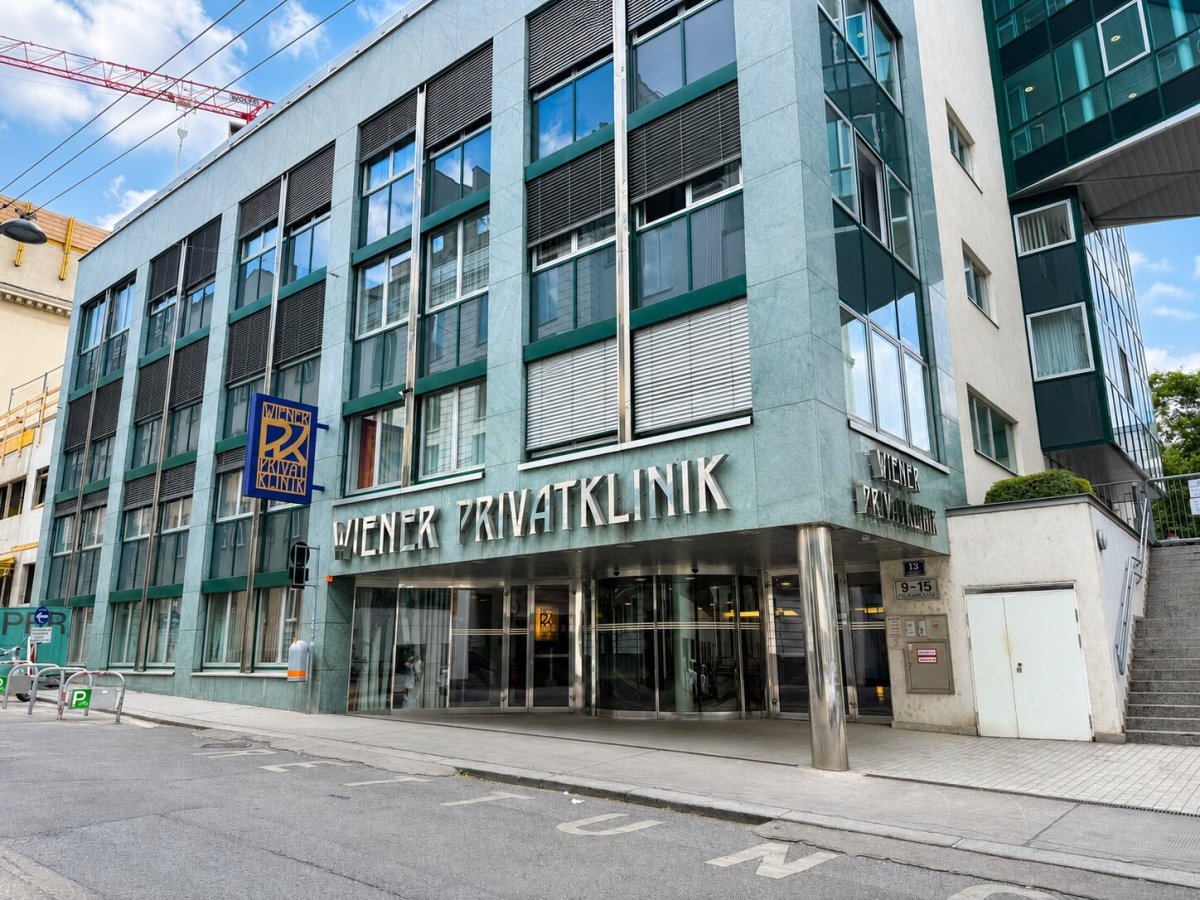
Clínica privada Wiener (Wiener Privatklinik)
Austria, Viena
Manfred Muehlbauer
41 años de experiencia

Clínica certificada por : 





Revisado médicamente por
Fahad Mawlood
El costo del tratamiento de hernia discal en Austria suele oscilar desde una consulta de diagnóstico especializada de $230 a $380 hasta intervenciones quirúrgicas como una discectomía o laminectomía que van desde $8,200 a $14,500. Los gastos totales dependen del nivel de la clínica, la complejidad del procedimiento y la rehabilitación necesaria. Los pacientes a menudo encuentran ahorros del 20-30% en comparación con la atención privada en el Reino Unido o EE. UU., principalmente en el centro médico de Viena.
Costos típicos del tratamiento de hernia discal en Austria
Perspectiva de los expertos de Bookimed: Los pacientes que requieren microcirugía avanzada deben priorizar a especialistas como el Dr. Manfred Muehlbauer en la Wiener Privatklinik. Ofrece 30 años de experiencia en técnicas espinales mínimamente invasivas. Para aquellos que buscan una atención integral, los paquetes suelen ofrecer un mejor valor. Un paquete disponible incluye laminectomía y diagnóstico preoperatorio por aproximadamente $900. Los centros de alto volumen como el Hospital General de Viena son ideales para casos complejos. Estas instituciones atienden a más de 500,000 pacientes al año con atención estandarizada por ISO.
| Austria | España | Turquía | |
|---|---|---|---|
| Plástico vertebral | ≈ $4,500 | de $22,400 | de $4,000 |
| Laminectomía lumbar y estabilización de un nivel | ≈ $14,500 | de $31,400 | de $4,800 |
| Laminectomía cervical con estabilización de un nivel | ≈ $16,500 | de $28,100 | de $14,000 |
| Laminectomía | ≈ $8,500 | de $15,000 | de $4,500 |
| Extirpación de hernia discal con diagnóstico preoperatorio | ≈ $9,500 | de $27,000 | de $5,000 |
El Dr. Manfred Muehlbauer se especializa en cirugía de columna y cuenta con décadas de experiencia en procedimientos neuroquirúrgicos mínimamente invasivos en la Wiener Privatklinik.

Escrito por Вероника Казина

Escrito por Veronika Kazina
 Olena Sikoza
Los cirujanos austriacos recomiendan la cirugía para una hernia de disco cuando los tratamientos conservadores fallan después de 6 a 12 semanas. Se requiere una intervención inmediata para el síndrome de cauda equina que involucra disfunción de la vejiga. La debilidad muscular severa o los déficits neurológicos progresivos también desencadenan protocolos quirúrgicos urgentes para prevenir daños permanentes.
Opinión Experta de Bookimed: El volumen clínico en centros importantes como el Hospital General de Viena (AKH), que atiende a más de 595,000 pacientes anualmente, garantiza que los cirujanos mantengan una alta competencia en casos complejos. Aunque los diagnósticos preoperatorios básicos y paquetes de cirugía pueden comenzar alrededor de $900, a menudo sirven como un punto de entrada especializado para procedimientos específicos como la laminectomía. Siempre confirme
En Austria, los principales tratamientos no quirúrgicos para las hernias discales incluyen fisioterapia especializada, manejo intervencionista del dolor y medicación. Las clínicas austriacas se centran en un protocolo conservador de 8 semanas. Este enfoque combina ejercicios al estilo McKenzie con estabilización específica del tronco. Las inyecciones mínimamente invasivas guiadas por imágenes son el tratamiento estándar para el dolor persistente.
Opinión experta de Bookimed: El gran volumen de pacientes en centros importantes como el Hospital General de Viena (AKH), que atiende a 595.000 pacientes al año, permite a los médicos tratar una amplia gama de afecciones de la columna vertebral. Especialistas como el Dr. Manfred Mühlbauer, del Hospital Privado de Viena, cuentan con más de 30 años de
Las principales técnicas quirúrgicas para el tratamiento de la hernia discal en Austria incluyen la microdiscectomía y la cirugía endoscópica de columna. Los especialistas priorizan los métodos mínimamente invasivos para garantizar una recuperación más rápida. Los principales centros de Viena e Innsbruck utilizan técnicas microscópicas, estabilización espinal y neurocirugía reconstructiva para tratar eficazmente afecciones complejas de la columna vertebral.
Opinión experta de Bookimed: Los datos muestran una clara diferencia entre los distintos tipos de instituciones médicas en Viena. Los grandes centros públicos, como el Hospital General de Viena (AKH), atienden a un gran volumen de pacientes, más de 595.000 al año. En cambio, las instituciones privadas, como la Wiener Pr
Los pacientes sometidos a cirugía de hernia discal en Austria suelen permanecer hospitalizados entre 1 y 4 días. La recuperación para retomar un trabajo sedentario lleva de 2 a 4 semanas. La recuperación completa para volver a practicar deporte y realizar actividades físicas suele requerir 12 semanas de rehabilitación estructurada y fisioterapia.
Opinión de expertos de Bookimed: Los principales centros austriacos, como Wiener Privatklinik y el Hospital Privado Döbling, priorizan la descompresión microscópica para minimizar el traumatismo tisular. Los datos demuestran que estas instituciones mantienen altos estándares de seguridad, y Döbling registra tasas de complicaciones muy inferiores a las habituales. Esta precisión permite, a menudo, una estancia hospitalaria de una so
Entre las clínicas de cirugía de columna mejor valoradas de Austria se encuentran la Wiener Privatklinik y el Hospital Privado Döbling en Viena. Estas instituciones se especializan en microdiscectomía y estabilización espinal. Cuentan con la certificación ISO y han recibido calificaciones destacadas de Newsweek. Los neurocirujanos expertos suelen tratar hernias discales complejas mediante técnicas mínimamente invasivas.
Opinión de expertos de Bookimed: Si bien el Hospital General de Viena atiende la mayor cantidad de casos complejos, las clínicas privadas como la Wiener Privatklinik ofrecen un acceso más rápido a profesores universitarios. Nuestros datos muestran que estas instituciones privadas mantienen un alto nivel de médicos: más de 400 especialistas con tan solo 130 camas. Esto garantiza una planificación quirúrgica