Tratamiento de Disco herniado en Turquía — obtenga 3 coincidencias personalizadas de clínicas


Revisado médicamente por
Fahad Mawlood
Cómo funciona
¿Cuál es el precio del diagnóstico y los tratamientos de Disco herniado en Turquía? Descubra ahora
El costo del tratamiento de hernia discal en Turquía varía según el procedimiento específico y los requisitos médicos. Los diagnósticos iniciales, incluidas las consultas y pruebas, generalmente oscilan entre 95 € y 190 €. La discectomía con microcirugía lumbar tiene un precio entre 4.750 € y 6.650 €. Para procedimientos más complejos, como la estabilización dinámica o la discectomía endoscópica L5-S1, los precios pueden alcanzar los 11.400 €. El plan de tratamiento se adapta después de una evaluación exhaustiva de la condición y necesidades del paciente.
| España | Turquía | México | |
|---|---|---|---|
| Plástico vertebral | de $22,400 | de $4,000 | ≈ $7,500 |
| Laminectomía lumbar y estabilización de un nivel | ≈ $11,500 | de $4,800 | ≈ $9,000 |
| Laminectomía cervical con estabilización de un nivel | de $28,100 | ≈ $7,500 | ≈ $9,000 |
| Laminectomía | de $15,000 | de $4,500 | de $11,500 |
| Extirpación de hernia discal con diagnóstico preoperatorio | de $27,000 | de $5,000 | de $12,000 |
Descubra las mejores clínicas de tratamiento de Disco herniado en Turquía: 60 opciones verificadas y Precios


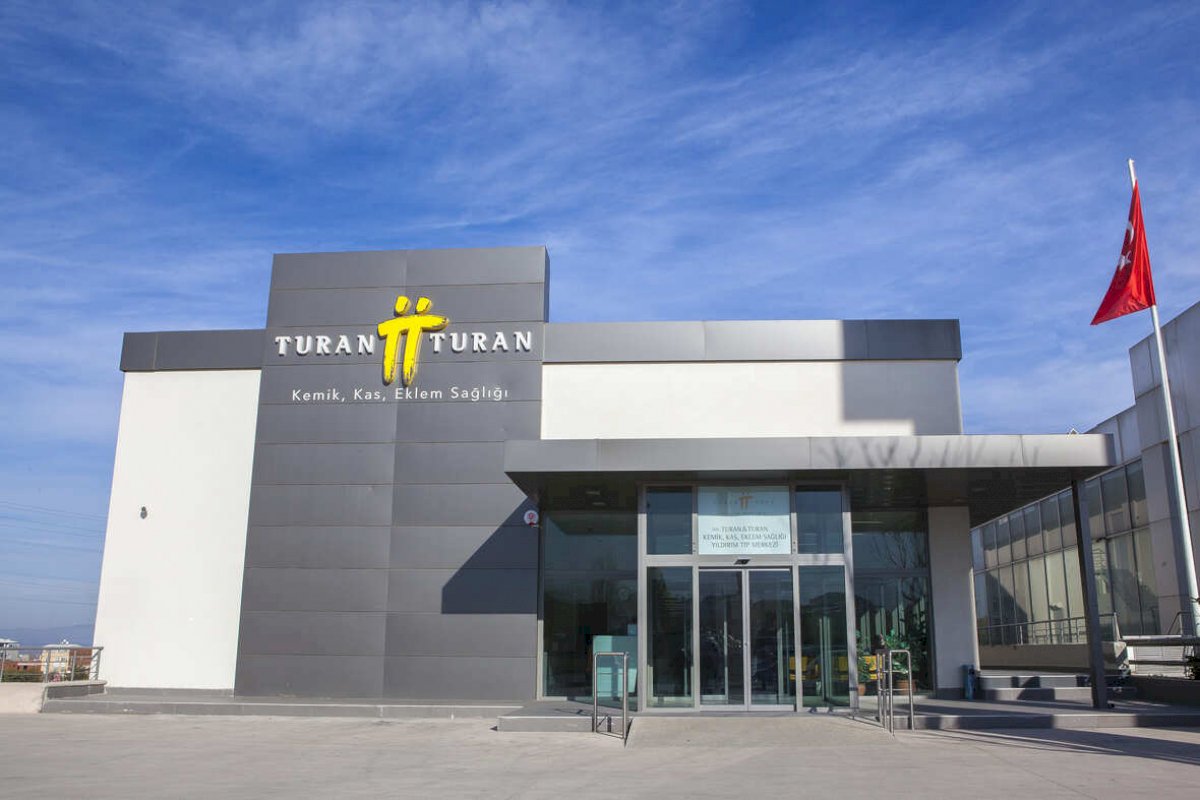
Turan Turan Health Group





Memorial Ataşehir Hospital
Zafer Orkun Toktas


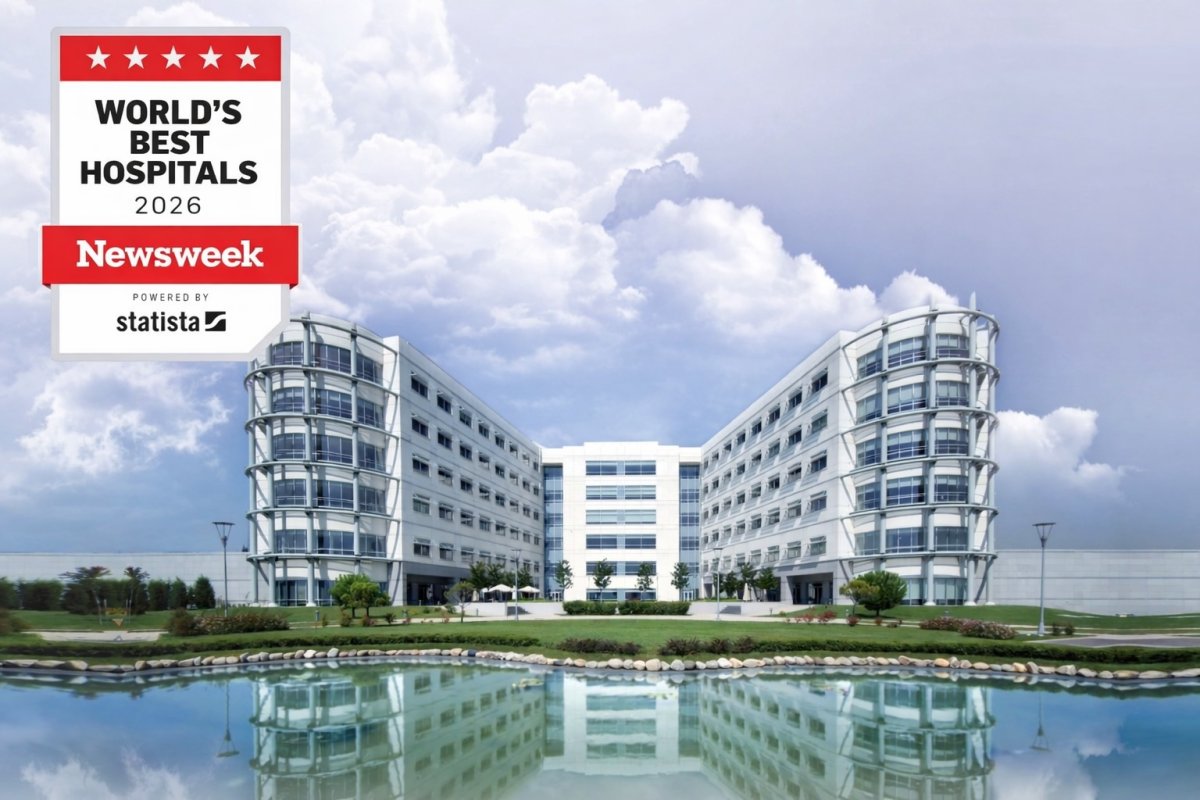



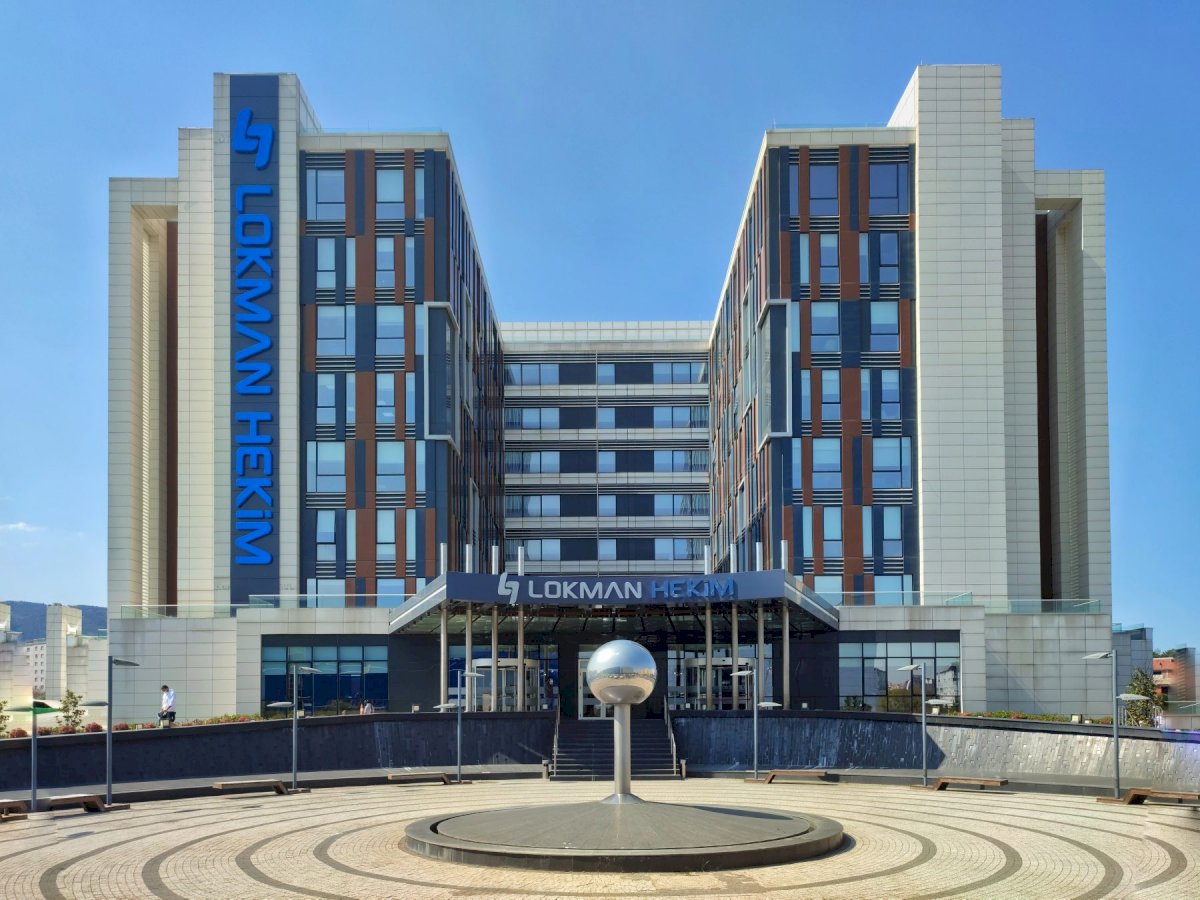
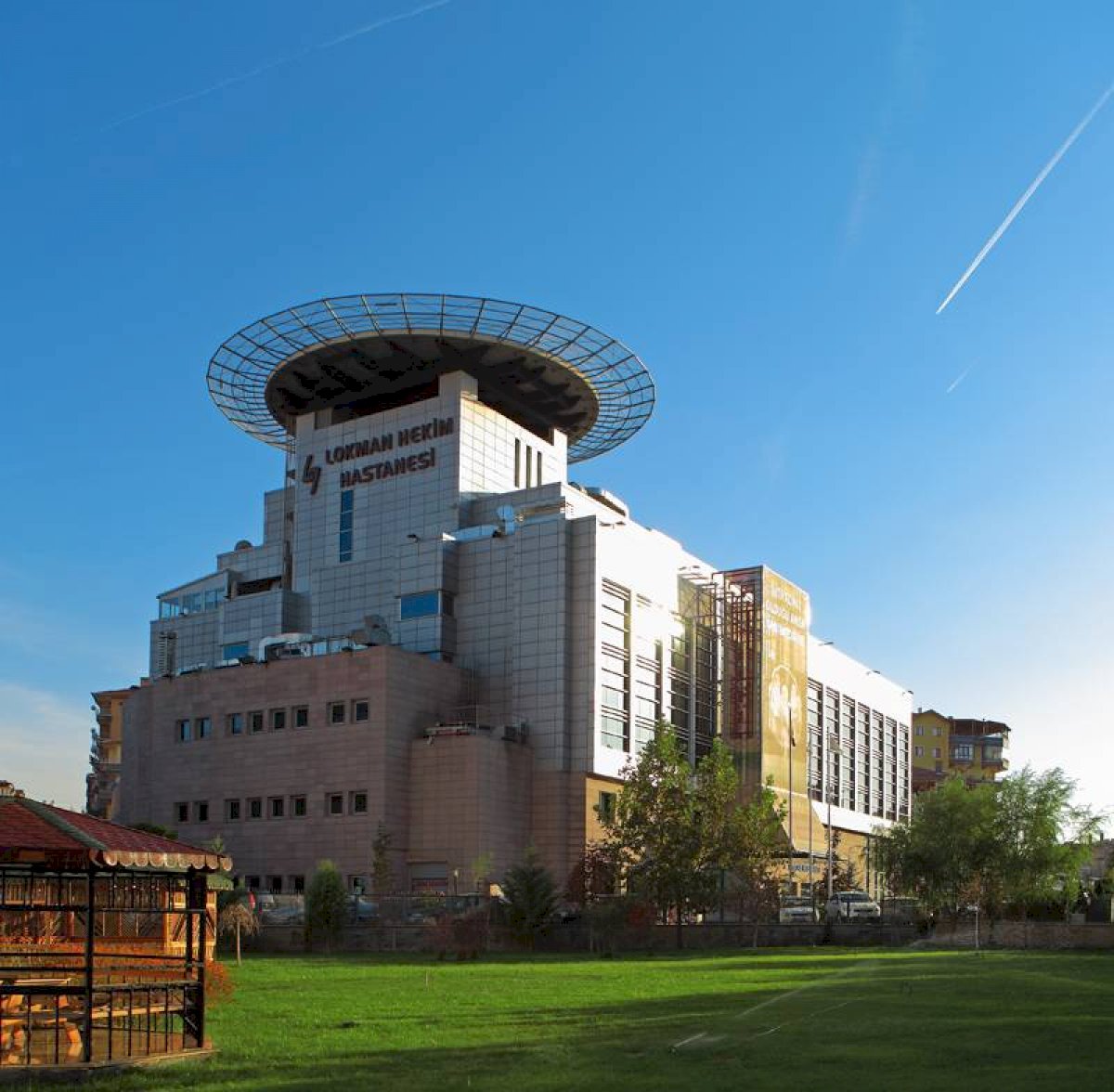
Hospital Lokman Hekim de Estambul (Lokman Hekim Istanbul Hospital)



Obtenga una evaluación médica de tratamiento de Disco herniado en Turquía: haga una consulta con 84 médicos experimentados ahora
Ver todos los médicos
Murat Yaman
El Dr. Murat Yaman es un experimentado cirujano plástico y estético. Es conocido por su experiencia en cirugías de abdominoplastia y el empleo de técnicas quirúrgicas avanzadas para obtener resultados óptimos. Ha realizado un número impresionante de diversas cirugías, incluyendo más de 1 500 operaciones de nariz y aumento de senos, 500 estiramientos faciales, 1 000 cirugías de lifting, y alrededor de 1 000 liposucciones utilizando la tecnología VASER lipo.

Yusuf Bayram
El Dr. Yusuf Bayram ha realizado más de 1.000 cirugías ortopédicas en el Hisar Hospital Intercontinental. Se especializa en enfermedades de la columna vertebral y procedimientos artroscópicos. El Dr. Bayram obtuvo su título de médico en la prestigiosa Universidad de Mármara. Trata afecciones complejas como escoliosis, cifosis y fracturas vertebrales. El Hospital Hisar cuenta con la acreditación JCI por cumplir con altos estándares de seguridad y tratamiento.
- Experto en artroscopia
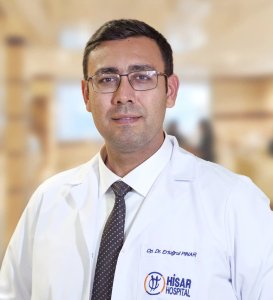
Ertugrul Pinar
Más de 900 tratamientos realizados: la Dra. Pinar se especializa en cirugía de columna en el Hisar Hospital Intercontinental.
- _doctor_9704_años_ de experiencia en neurocirugía
- Experta en enfermedades de la columna tanto en adultos como en niños
- Formada en la Universidad de Mármara, una de las facultades de medicina líderes en Turquía
- Maneja casos complejos, incluidos tumores cerebrales y de columna
Zafer Orkun Toktas
El médico es un neurocirujano experimentado con más de 15 años de práctica clínica en Turquía. A lo largo de una distinguida carrera, el médico ha trabajado en diversas instituciones médicas de alto perfil, incluyendo el Hospital Memorial Ataşehir, el Hospital VM Medical Park Pendik y el Hospital Bahçeşehir University Medical Park Göztepe.
Especializado en procedimientos neuroquirúrgicos, el médico cuenta con una amplia experiencia en el manejo de condiciones neurológicas complejas y en
Reseñas
Todas las reseñasArtículos relacionados

¿Cuánto cuesta el tratamiento de la hernia discal?
Escrito por Вероника Казина

Métodos y precios para el tratamiento de la hernia de disco en Israel: discectomía, laminectomía
Escrito por Veronika Kazina
Compartir contenido
Historias en video de pacientes de Bookimed
 Olena Sikoza
Preguntas frecuentes sobre el tratamiento de Disco herniado en Turquía
¿Qué técnicas quirúrgicas avanzadas están disponibles en Turquía para las hernias discales?
Turquía ofrece intervenciones espinales avanzadas como la discectomía lumbar endoscópica transforaminal (TELD) y cirugías asistidas por robot utilizando el sistema Mazor X Stealth. Estos procedimientos mínimamente invasivos utilizan incisiones de tan solo 4 mm. Los pacientes a menudo logran un alivio del dolor del 90% y pueden caminar en 24 horas.
- Técnicas endoscópicas: Los cirujanos utilizan cámaras de alta definición para la discectomía cervical y lumbar percutánea.
- Precisión robótica: Sistemas como ExcelsiusGPS garantizan una precisión del 99% durante la colocación compleja de hardware espinal.
- Estándar de oro microscópico: La discectomía y fusión cervical anterior microquirúrgica (ACDF) proporciona una precisión quirúrgica extrema.
- Opciones no quirúrgicas: La nucleoplastia por plasma y la ablación por radiofrecuencia ofrecen alivio sin las incisiones abiertas tradicionales.
Perspectiva del experto de Bookimed: Las tasas de éxito de las discectomías en Turquía son excepcionalmente altas. Por ejemplo, el Dr. Cahit Kural en el Hospital Universitario Lokman Hekim de Ankara mantiene una tasa de éxito del 99,9%. Este nivel de precisión a menudo está respaldado por grandes volúmenes de pacientes. Los centros de alta capacidad como el Hospital Hisar Intercontinental atienden a más de 250,000 pacientes al año. Esto permite a los cirujanos ad
¿Cuál es la tasa de éxito documentada y los principales riesgos de estos procedimientos?
Los tratamientos de hernia discal en Turquía demuestran tasas de éxito de entre el 85% y el 99,9%, dependiendo del enfoque quirúrgico específico. Procedimientos como la microdiscectomía y la cirugía endoscópica son estándar. Los neurocirujanos líderes mantienen altos perfiles de seguridad en instalaciones acreditadas por la JCI. La mayoría de los pacientes vuelven a caminar en un plazo de dos días.
- Tasa de éxito: 99,9% de éxito documentado para discectomía en hospitales universitarios especializados.
- Plazo de recuperación: Los pacientes suelen recibir el alta en un plazo de 6 días tras la instalación de un disco de titanio.
- Riesgos principales: La reherniación ocurre en el 10% al 20% de los casos dentro del primer año.
- Complicaciones clínicas: Los riesgos potenciales incluyen infección, entumecimiento nervioso o problemas poco frecuentes relacionados con la anestesia.
Perspectiva del experto de Bookimed: Aunque muchas clínicas destacan el éxito general, los resultados más fiables provienen de cirujanos con un alto volumen de procedimientos. Por ejemplo, el Dr. Cahit Kural en el Hospital Universitario Lokman Hekim de Ankara tiene una tasa de éxito del 99,9%. Elegir a un especialista que realiza más de 500 cirugías al año garantiza significativamente mejores resultados a largo plazo.
Consenso de los pacientes: Los
¿Qué credenciales o certificaciones debo buscar al verificar una clínica o cirujano turco?
Verificar a los neurocirujanos turcos requiere confirmar su Certificado de Especialización en Cirugía Cerebral y Nerviosa y su registro en la Asociación Médica Turca. Las clínicas deben poseer un Certificado de Autorización de Turismo de Salud Internacional del Ministerio de Salud. Las instalaciones de primer nivel a menudo mantienen la acreditación de la Joint Commission International y afiliaciones académicas con instituciones globales.
- Licencia de la clínica: Confirme el Certificado de Autorización de Turismo de Salud Internacional del Ministerio de Salud.
- Juntas de cirujanos: Busque miembros de la Sociedad Turca de Neurocirugía o de la Asociación Europea de Sociedades de Neurocirugía.
- Seguridad de las instalaciones: Priorice los hospitales acreditados por la Joint Commission International para protocolos de seguridad quirúrgica estandarizados.
- Volumen clínico: Los principales centros como el Anadolu Medical Center atienden a más de 65.000 pacientes al año.
Perspectiva de expertos de Bookimed: Si bien muchos se centran en los nombres de los hospitales, las credenciales específicas del cirujano brindan mayor seguridad. El Prof. Dr. Ilhan Elmaci fue el primero en Turquía acreditado por la Asociación Europea de Sociedades de Neurocirugía. De manera similar, el Prof. Dr. Deniz Konya completó una beca de columna vertebral en la Facultad d
¿Qué incluye un paquete típico de tratamiento de hernia discal para pacientes internacionales?
Los paquetes estándar de tratamiento de hernia discal en Turquía suelen incluir el procedimiento quirúrgico, anestesia general o local, y pruebas diagnósticas como ECG, radiografías de tórax y análisis de sangre. La mayoría de los paquetes también cubren de 1 a 3 noches de hospitalización, traslados VIP entre el aeropuerto y la clínica, y una consulta de seguimiento dentro de los 7 días. Los honorarios del neurocirujano y del anestesista están incluidos de forma estándar.
- Componentes quirúrgicos: Incluye microdiscectomía, cirugía endoscópica o técnicas de ablación por radiofrecuencia.
- Paquete de diagnóstico: Cubre análisis de sangre preoperatorios, bioquímica, ECG y radiografías de tórax.
- Estancia hospitalaria: Por lo general, proporciona 1 a 2 noches en una habitación privada con atención de enfermería.
- Logística incluida: Los traslados VIP entre el aeropuerto, el hotel y la clínica son estándar.
- Apoyo lingüístico: Coordinadores personales o traductores facilitan la comunicación con el personal médico.
Perspectiva del experto de Bookimed: Los datos muestran una brecha de valor significativa entre los hospitales universitarios y los centros especializados en cuanto a la recuperación postoperatoria. Por ejemplo, el paquete de 6.500 dólares del Hospital Universitario Lokman Hekim de Ankara incluye pensión complet
¿Cuánto tiempo debo permanecer en Turquía para una cirugía de hernia discal y el seguimiento?
Los pacientes suelen permanecer en Turquía entre 7 y 10 días para una cirugía de hernia discal. Este plazo permite realizar el diagnóstico preoperatorio, el procedimiento quirúrgico y la recuperación postoperatoria. La mayoría de los viajeros reciben el alta para volar tras un examen de seguimiento final entre 5 y 8 días después de la operación.
- Estancia hospitalaria: Espere de 1 a 2 noches para procedimientos de microdiscectomía mínimamente invasivos.
- Observación clínica: Los casos complejos o las fusiones espinales pueden requerir de 3 a 5 noches de hospitalización.
- Cronograma de seguimiento: Los cirujanos realizan revisiones de heridas y exámenes físicos 5 días después de la cirugía.
- Autorización de viaje: La autorización completa para vuelos internacionales suele ocurrir entre los días 7 y 10.
Perspectiva del experto de Bookimed: Elegir paquetes con estancias en hotel integradas simplifica la recuperación de nuestros pacientes. Por ejemplo, el Hospital Universitario Lokman Hekim de Ankara combina 2 noches de hospital con 3 noches de hotel. Esta transición estructurada garantiza que la supervisión profesional siga siendo accesible durante la ventana crítica de 5 días después de la operación.
Consenso de los pacientes: Los pacientes señalan que, aunque la atención médica es excelente, contar con un traductor es
¿Cuándo puedo caminar y qué tan pronto puedo volver al trabajo después de la cirugía?
Los pacientes en Turquía generalmente comienzan a caminar entre 24 y 48 horas después de una cirugía de hernia discal. El trabajo de oficina a menudo se puede reanudar en 2 a 4 semanas. Los trabajos físicamente exigentes generalmente requieren de 6 a 12 semanas para un regreso seguro a la actividad completa.
- Movilización temprana: La mayoría de los pacientes comienzan a caminar distancias cortas dentro de las 24 horas para prevenir coágulos sanguíneos.
- Alta hospitalaria: Los pacientes a menudo reciben el alta después de 1 a 2 días de observación clínica.
- Trabajo de oficina: Las tareas remotas o de oficina son típicas después de 2 a 4 semanas de recuperación.
- Trabajo manual: Levantar objetos pesados o trabajos de construcción requieren esperar al menos de 3 a 6 meses.
Perspectiva del experto de Bookimed: Los centros de neurocirugía turcos como el Anadolu Medical Center o el Hospital Universitario Lokman Hekim favorecen la microcirugía mínimamente invasiva. Estas técnicas permiten estancias hospitalarias extremadamente cortas de solo 1 a 2 días. Aunque los pacientes a menudo se sienten listos para trabajar antes, nuestros datos muestran que las tasas de éxito del 99,9% observadas con cirujanos como el Dr. Cahit Kural dependen de evitar estrictamente levantar objetos pesados durante las primeras 6 semanas después de la operación.
¿Es siempre necesaria la cirugía de hernia discal?
La cirugía para una hernia discal no siempre es necesaria. Aproximadamente entre el 80% y el 90% de los casos mejoran con tratamientos no quirúrgicos como fisioterapia o medicación. Los médicos suelen recomendar de 6 a 12 semanas de cuidados conservadores antes de considerar la intervención quirúrgica en la mayoría de los pacientes.
- Éxito del tratamiento: El Hospital Universitario Lokman Hekim de Ankara reporta una tasa de éxito del 99,9% en discectomías.
- Enfoque conservador: La mayoría de los casos se resuelven de forma natural a medida que el cuerpo reabsorbe el material discal desplazado.
- Indicadores de emergencia: La cirugía es necesaria en caso de pérdida de control de la vejiga o debilidad progresiva.
- Diagnóstico avanzado: Las clínicas utilizan resonancia magnética y PET-CT para confirmar si la compresión nerviosa requiere cirugía.
Perspectiva del experto de Bookimed: Los pacientes a menudo pasan por alto intervenciones no quirúrgicas como la ablación por radiofrecuencia o la nucleoplastia por plasma disponibles en Turquía. Nuestros datos muestran que estos procedimientos, ofrecidos en centros como Turan Turan Health Group, brindan opciones intermedias. Sirven de puente entre la fisioterapia y la cirugía invasiva para el dolor persistente.
Consenso de los pacientes: Los pacientes enfatizan que, aunque mucha