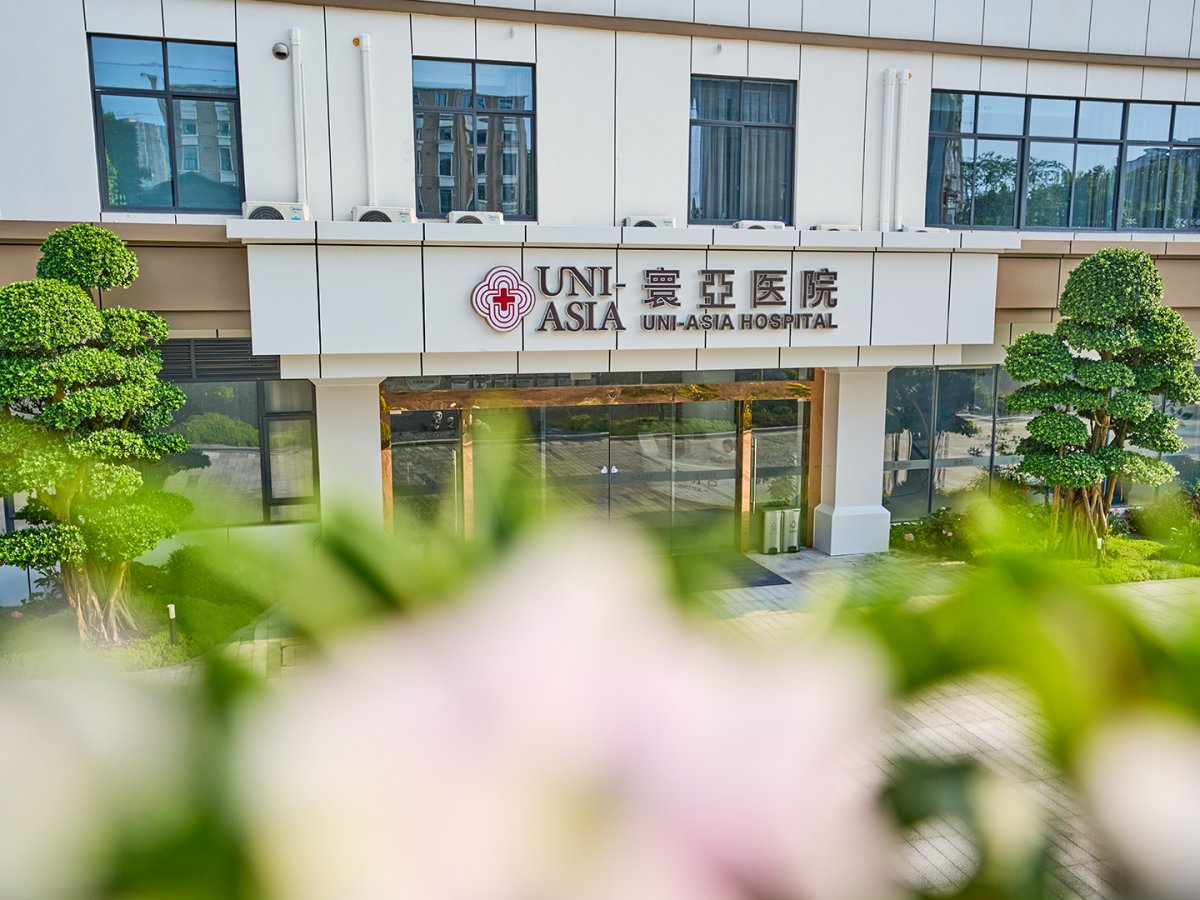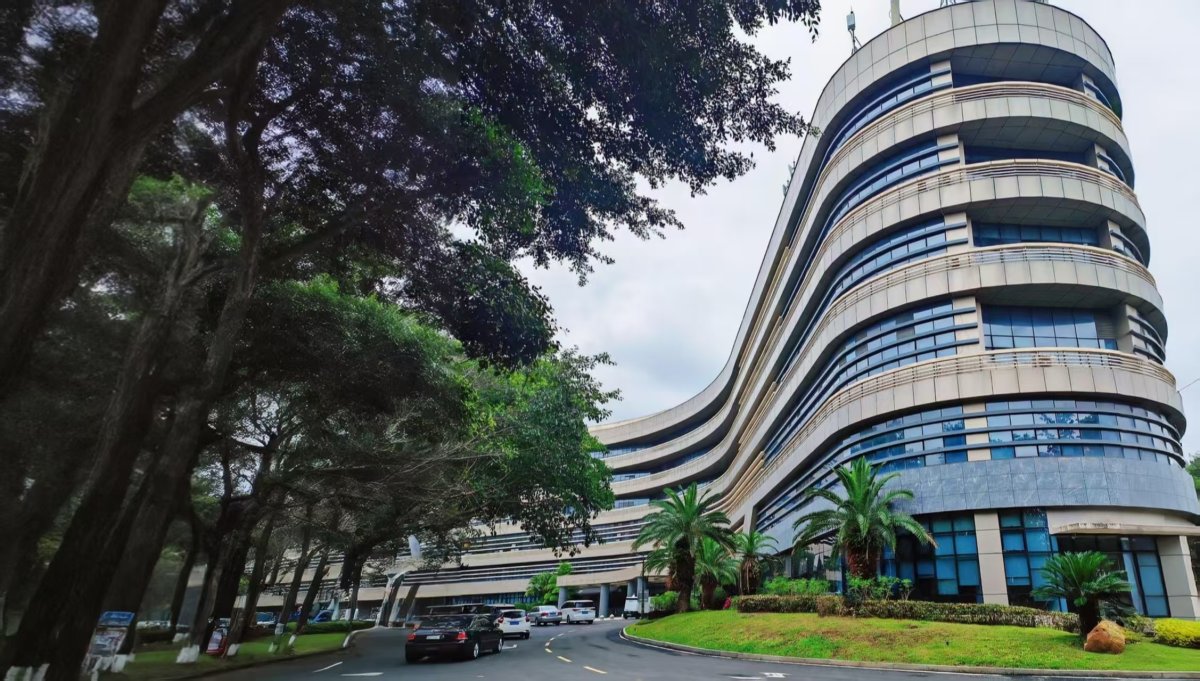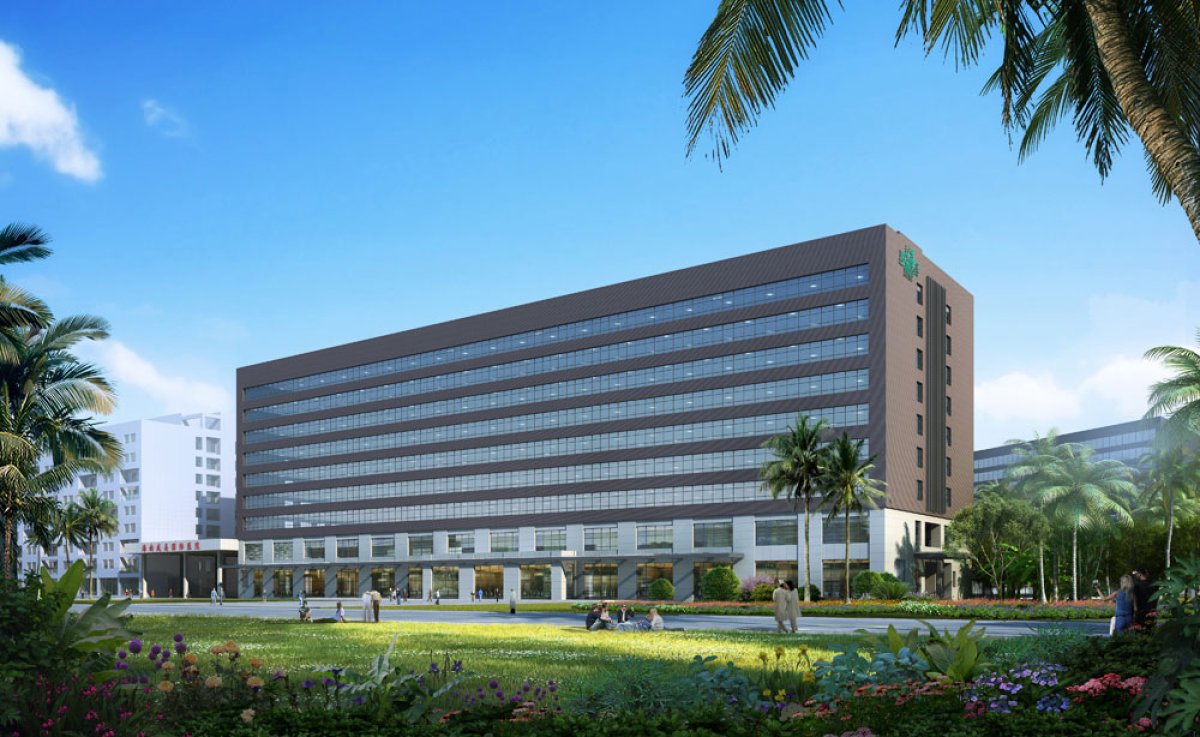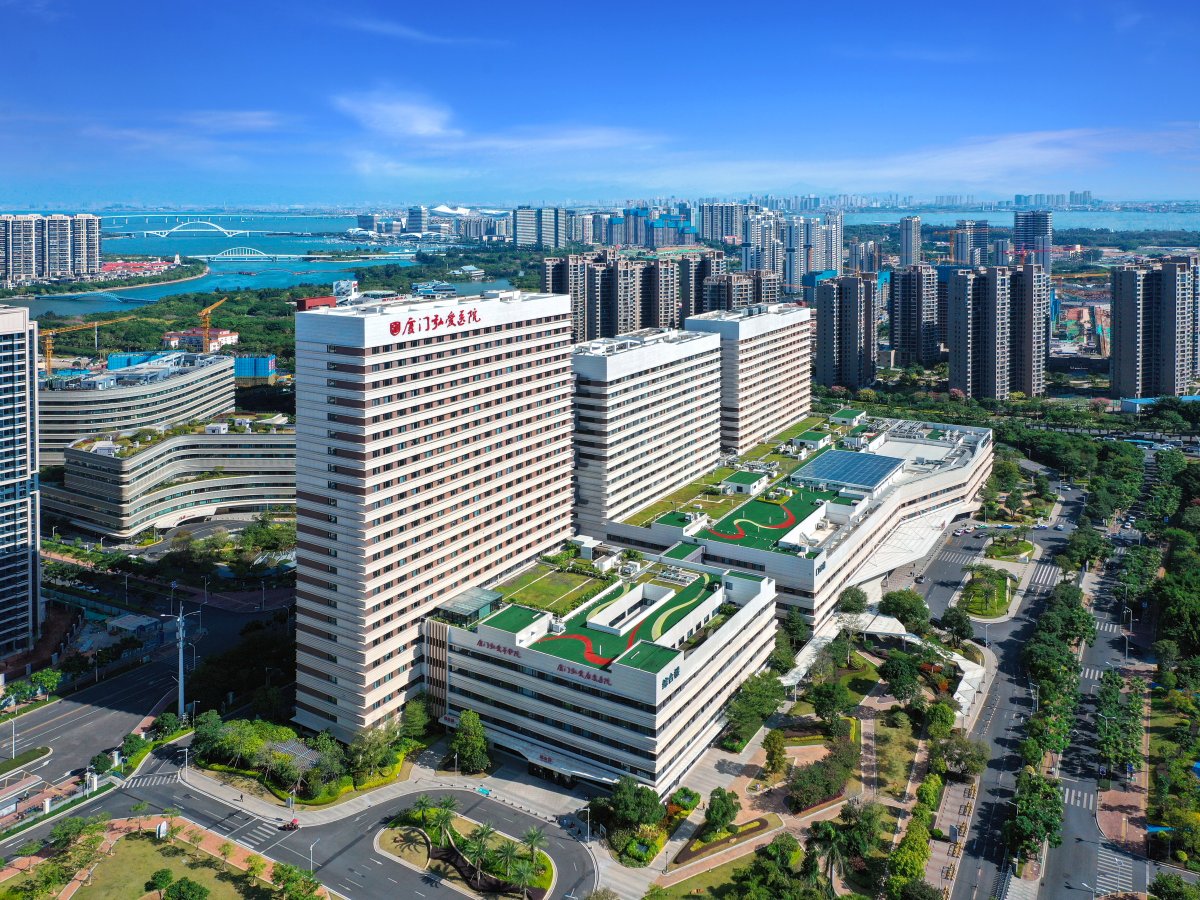
Hospital Xiamen Humanity
China, Xiamen


Revisado médicamente por
Fahad Mawlood
El costo del tratamiento del cáncer de laringe en China generalmente incluye diagnósticos como la tomografía computarizada (TC) de tórax, que oscila entre Precio a consultar y Precio a consultar, e intervenciones quirúrgicas como la laringectomía, con un costo de $11,000 a $18,500. Los gastos totales dependen de la etapa del cáncer, el nivel del hospital y el enfoque terapéutico elegido. Los pacientes internacionales suelen ahorrar aproximadamente entre un 75% y un 80% en comparación con los Estados Unidos. Guangzhou y Xiamen son los principales centros médicos para este tratamiento.
Costos típicos del tratamiento del cáncer de laringe en China
Perspectiva de los expertos de Bookimed: Los pacientes en etapas avanzadas que buscan alternativas a la quimioterapia tradicional encuentran un gran valor en China. El Hospital de Cáncer Fuda se especializa en criocirugía y tecnologías NanoKnife para casos en etapa avanzada. Para aquellos que requieren radiación precisa, el Hospital Xiamen Humanity ofrece protocolos expertos de IMRT y SBRT. Esto es supervisado por oncólogos altamente reconocidos como el profesor Liu Shi Xin. Los paquetes de varios días en centros acreditados por la JCI a menudo incluyen cirugía, diagnósticos y servicios de traducción. Estas instalaciones brindan una atención integral a una fracción de los costos occidentales.
| China | España | Turquía | |
|---|---|---|---|
| Terapia con haz de protones | ≈ $28,000 | de $43,300 | de $25,000 |
| Radioterapia para el cáncer de garganta. | ≈ $14,000 | de $14,000 | de $5,000 |
| Quimioterapia para el cáncer de laringe | ≈ $4,500 | de $1,600 | ≈ $2,800 |
| Operación de cáncer de garganta | ≈ $9,500 | de $25,000 | de $10,000 |
| Laringectomia | ≈ $11,000 | ≈ $18,000 | de $12,000 |
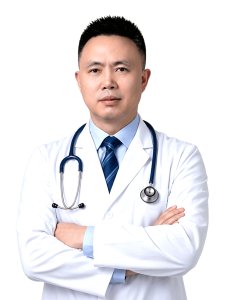
Médico jefe y profesor. Experto de nivel 1 en el Centro Oncológico del West China Hospital, Sichuan University (clasificado n.º 2 en China). Completó un posdoctorado en radiología intervencionista en el Chinese PLA General Hospital. Dirige equipos multidisciplinarios (MDT) para tumores complejos. Experto en oncología intervencionista mínimamente invasiva para cánceres de hígado, pulmón y páncreas.
Acreditaciones: Miembro del consejo, WATA. Miembro de los comités de CACA y CMDA sobre in

El profesor Luo Xiaoping es un radiólogo intervencionista reconocido a nivel nacional y una autoridad destacada en el oeste de China. Comenzó a realizar intervenciones vasculares pioneras a principios de la década de 1990. Ayudó a fundar el Grupo de Intervencionismo del Segundo Hospital Afiliado de la Universidad Médica de Chongqing.
Ha realizado más de 100 000 procedimientos intervencionistas, incluidos unos 4 000 casos complejos. Sus competencias clave incluyen TACE para el carcinoma

El Dr. He Weibing es pionero de la crioablación con argón‑helio en China, con más de 20 años de práctica en primera línea. Fue miembro fundador del Hospital Oncológico Fuda (Guangzhou). Cofundó su Centro de Tratamiento Tumoral Mínimamente Invasivo y fue subdirector ejecutivo. También ayudó a crear el Grupo de Ablación de la Asociación China contra el Cáncer. Ha sido operador principal en más de 10.000 procedimientos.
Se especializa en crioablación tumoral y domina la braquiterapia con

El profesor Xiao Yueyong es médico jefe del Departamento de Radiodiagnóstico del Hospital General del EPL de China. Es un experto líder en oncología intervencionista mínimamente invasiva. Es el primer presidente de WATA (2025–). Preside la Sociedad Internacional (2020–) y la Sociedad Asiática (2012–) de Crioterapia. También es subjefe del Grupo de Expertos de la NHC sobre regulaciones de ablación tumoral (2009–).
Ha realizado más de 100 000 procedimientos mínimamente invasivos guiados
 Olena Sikoza
Los hospitales chinos utilizan imágenes de banda estrecha (NBI) y laringoestroboscopia de alta definición para detectar el cáncer de laringe en etapa temprana. Para la estadificación, los centros utilizan resonancia magnética de 3T, tomografía computarizada de doble energía y exploraciones PET/CT. Estos protocolos siguen las directrices de la Sociedad China de Oncología Clínica (CSCO) para garantizar un mapeo preciso del tumor.
Perspectiva del experto de Bookimed: La precisión diagnóstica en China está impulsada por el gran volumen de pacientes en los centros terciarios. El Hospital Xiamen Humanity atiende a alrededor de 1.000.000 de pacientes al año. Esta escala masiva permite a especialistas como el Dr. Liu Shi Xin refinar la precisión de la estadificación. Los centros principales a menudo integran PET/
La preservación de la laringe es un estándar en China gracias a técnicas quirúrgicas avanzadas. Los centros líderes utilizan laringectomías parciales y cirugía láser transoral para extirpar tumores mientras protegen el habla. Equipos altamente especializados también realizan trasplantes de laringe y reconstrucciones subtotal. Estos métodos priorizan el mantenimiento de las funciones naturales de respiración y deglución.
Perspectiva del experto de Bookimed: El volumen de pacientes impacta significativamente la precisión quirúrgica en China. El Hospital Xiamen Humanity atiende a alrededor de 1,000,000 de pacientes anualmente. Los centros de alto volumen a menudo poseen mayor experiencia en reconstrucciones complejas de cabeza y cuello. Las instalaciones acreditadas por la JCI, como el Hospital Fuda Cancer, se centran en alternativas mínimamente invasivas a la cirugía radical
La terapia de protones está disponible y es clínicamente segura para el cáncer de laringe en centros oncológicos chinos especializados. Esta radiación avanzada apunta a los tumores con extrema precisión utilizando el efecto del pico de Bragg. Se detiene a una profundidad definida. Esto evita que la radiación salga a través de los tejidos sanos de la garganta o las cuerdas vocales.
Perspectiva del experto de Bookimed: El liderazgo profesional es la señal de calidad más confiable en China. El Hospital Xiamen Humanity está dirigido por el Dr. Liu Shi Xin. Es vicepresidente del Comité de Terapia de Partículas en China. Esto confirma que la clínica opera al más alto nivel nacional para tratamientos con protones y partículas. Esta integración clínica a menudo supera la mera pres
La rehabilitación de la voz después de una laringectomía total implica principalmente tres opciones: punción traqueoesofágica (TEP), electrolaringe o habla esofágica. La TEP con prótesis de voz es el estándar de oro para un sonido natural. El éxito depende de la anatomía, la curación y el acceso a logopedas especializados.
Perspectiva del experto de Bookimed: Si bien la TEP ofrece el habla más natural, centros como el Xiamen Humanity Hospital se centran en la oncología integrada. Las grandes instalaciones que atienden a 1.000.000 de pacientes al año suelen tener un mayor acceso a equipos multidisciplinarios. Es vital revisar si un centro ofrece opciones mínimamente invasivas como la criocirugía o NanoKnife. Estas tecnologías en el Fuda Cancer Hospital sugieren un enfoque en la preservación de tejidos que ayuda a la recuperación.
La inmunoterapia está aprobada y disponible para el cáncer de laringe en China. La Administración Nacional de Productos Médicos (NMPA) ha autorizado varios inhibidores de puntos de control inmunológico. Estos tratamientos se dirigen al carcinoma de células escamosas de cabeza y cuello recurrente o metastásico. Esta clasificación incluye los cánceres de células escamosas de la laringe.
Opinión del experto de Bookimed: China se ha convertido en un líder mundial en el desarrollo nacional de medicamentos PD-1. Clínicas como el Xiamen Humanity Hospital están incluso acreditadas para ensayos clínicos de fase I-IV. Esto significa que los pacientes a menudo acceden a los protocolos de inmunoterapia más recientes a través de ensayos clínicos o medicamentos nacionales de acceso temprano. Estos medicamento