Cáncer de laringe Tratamiento en India — Costos 2026


Revisado médicamente por
Fahad Mawlood
¿Cuál es el precio del diagnóstico y los tratamientos de Cáncer de laringe en India? Descubra ahora
| India | España | Turquía | |
|---|---|---|---|
| Terapia con haz de protones | ≈ $22,000 | de $43,300 | de $25,000 |
| Radioterapia para el cáncer de garganta. | ≈ $4,200 | de $14,000 | de $5,000 |
| Quimioterapia para el cáncer de laringe | ≈ $3,200 | de $1,600 | ≈ $2,800 |
| Operación de cáncer de garganta | ≈ $5,500 | de $25,000 | de $10,000 |
| Laringectomia | ≈ $7,500 | ≈ $18,000 | de $12,000 |
Sus beneficios y garantías con Bookimed
Precios directos
Bookimed no añade cargos extra a los precios de los tratamientos de Cáncer de laringe. Las tarifas proceden de las listas de precios oficiales de las clínicas. Pagará directamente en la clínica por su tratamiento a su llegada al país.
Sólo clínicas y médicos verificados
Bookimed está comprometido con su seguridad. Solo trabajamos con las clínicas que mantienen altos estándares internacionales en el tratamiento de Cáncer de laringe y cuentan con las licencias necesarias para atender a pacientes internacionales en todo el mundo.
Asistencia 24/7 gratuita
Bookimed ofrece asistencia experta gratuita. Un coordinador médico personal le apoya antes, durante y después de su tratamiento, resolviendo cualquier problema. Nunca estará solo en su viaje médico de tratamiento de Cáncer de laringe.

Su coordinador médico personal de Bookimed
- Le apoya en cada etapa
- Ayuda a elegir la clínica y el médico adecuados
- Asegura un acceso rápido y conveniente a la información
Descubra las mejores clínicas de tratamiento de Cáncer de laringe en India: 12 opciones verificadas y Precios













Dr. Rela Institute & Medical Centre

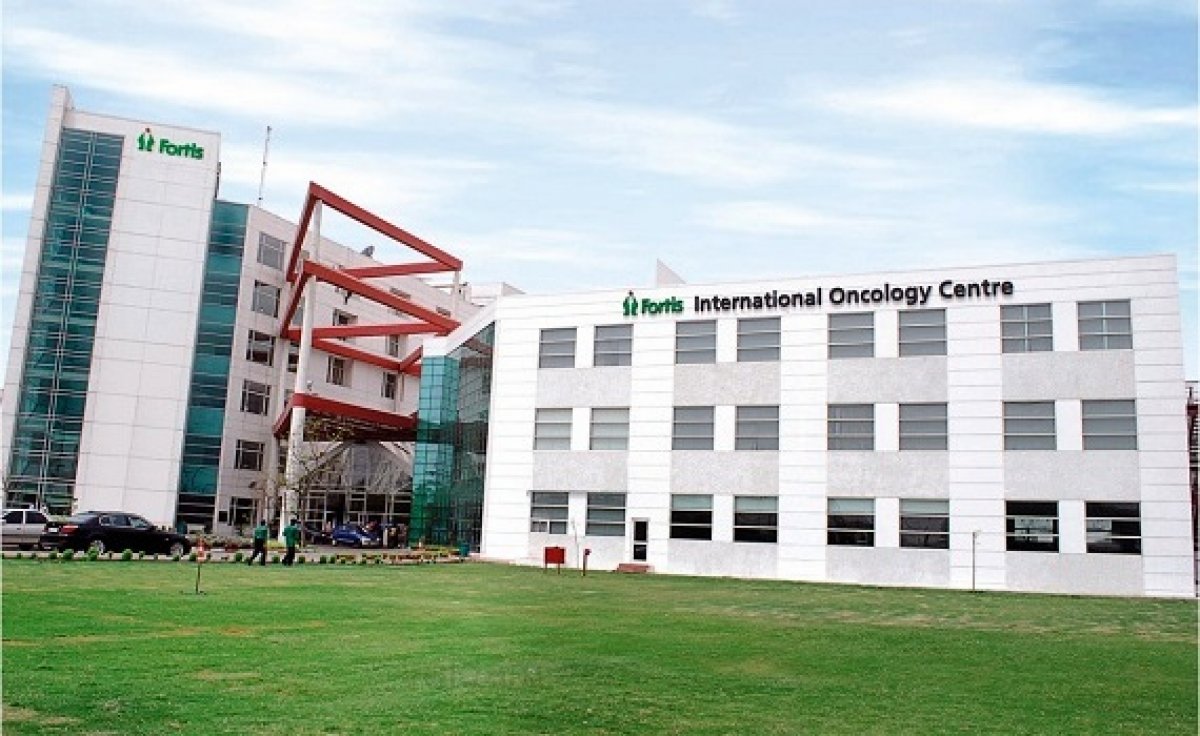
Hospital Fortis
Obtenga una evaluación médica de tratamiento de Cáncer de laringe en India: haga una consulta con 12 médicos experimentados ahora
Ver todos los médicos
Ranjita Pawar
La Dra. Ranjita Pawar es directora y psicóloga en ZorbaCare en Pune. Se especializa en recuperación de adicciones, terapia familiar y salud mental adolescente. La Dra. Pawar posee un doctorado (PhD) en Psicología y una maestría (MSc) en Psicología Aplicada por la NMIMS, Mumbai. Dirige los programas de psicoterapia en ZorbaCare, una institución con certificación ISO 9001:2015.
- Trata trastornos por consumo de alcohol, drogas y opioides.
- Trata afecciones de salud mental, como


Venkatesh Movva
Compartir contenido
Historias en video de pacientes de Bookimed
 Olena Sikoza
Preguntas frecuentes sobre el tratamiento de Cáncer de laringe en India
¿Cuáles son los principales métodos de tratamiento para el cáncer de laringe en la India?
Los tratamientos primarios para el cáncer de laringe en la India se centran en protocolos específicos según el estadio y en la preservación de la voz. Los especialistas utilizan la microcirugía láser transoral para estadios tempranos y la laringectomía total para casos avanzados. Los enfoques integrados incluyen radioterapia de intensidad modulada, quimiorradioterapia concurrente e inmunoterapia dirigida en centros oncológicos acreditados por la JCI.
- Cirugía en estadios tempranos: La microcirugía láser transoral elimina tumores pequeños mientras protege la función de las cuerdas vocales.
- Técnicas de radiación: La radioterapia de intensidad modulada ofrece altas tasas de curación mientras preserva la voz natural.
- Procedimientos avanzados: La laringectomía total se utiliza para tumores agresivos que han destruido la estructura laríngea.
- Terapia sistémica: Los anticuerpos monoclonales dirigidos y la inmunoterapia tratan el cáncer de laringe recurrente o metastásico.
Perspectiva del experto de Bookimed: Los centros oncológicos indios, como el Dr. Rela Institute & Medical Centre, proporcionan aceleradores lineales de alta precisión con una exactitud de 1 mm para la irradiación de tumores. Esta precisión técnica es vital para los casos de laringe donde milímetros separan el tumor de estructuras críticas del habla. Además, instalaciones co
¿Perderé mi voz después del tratamiento?
La preservación de la voz depende del tipo de tratamiento y la ubicación del tumor. La cirugía láser mínimamente invasiva o la radiación a menudo pueden mantener la función vocal. La laringectomía total resulta en la pérdida de la voz natural. Los centros oncológicos de la India priorizan protocolos de preservación de órganos para mantener a los pacientes hablando con claridad utilizando tecnología avanzada como la radiación Halcyon.
- Tipo de tratamiento: La cirugía láser y la radioterapia a menudo preservan la laringe.
- Laringectomía total: La voz natural se pierde pero se restaura mediante prótesis o electrolaringe.
- Efectos post-radiación: Los pacientes pueden experimentar ronquera temporal o fatiga vocal después del tratamiento.
- Rehabilitación: Los logopedas proporcionan ejercicios para fortalecer las cuerdas vocales durante la recuperación.
- Precisión quirúrgica: Los sistemas robóticos permiten a los cirujanos extirpar tumores mientras preservan el tejido sano.
Perspectiva del experto de Bookimed: Los datos clínicos de los principales centros indios como HCG Manavata y el Dr. Rela Institute muestran un fuerte cambio hacia la cirugía robótica y los aceleradores lineales de alta precisión. El Dr. Surender Dabas, quien posee récords en cirugías laríngeas robóticas, utiliza técnicas que se dirigen específicamente
¿Cuál es la tasa de éxito del tratamiento del cáncer de laringe en la India?
Las tasas de éxito del cáncer de laringe en la India alcanzan del 70% al 90% en casos de etapa temprana. Los promedios nacionales se mantienen más bajos, entre el 28% y el 30%. Esto ocurre porque muchos pacientes buscan atención durante etapas avanzadas. Los principales centros oncológicos de la India reportan una supervivencia mucho mayor al tratar tumores glóticos localizados.
- Supervivencia en etapa temprana: Los cánceres de laringe localizados muestran una tasa de éxito favorable del 70% al 90%.
- Resultados en etapa avanzada: La supervivencia oscila entre el 30% y el 60% para la propagación regional o a distancia.
- Ubicación del tumor: Los cánceres glóticos tienen una tasa de supervivencia del 58% debido a los síntomas tempranos de ronquera.
- Experiencia diagnóstica: Centros como el Apollo Hospital Indraprastha utilizan PET-CT avanzado para una estadificación precisa.
Perspectiva del experto de Bookimed: Las tasas de éxito en la India están fuertemente vinculadas al volumen quirúrgico y a la experiencia especializada. El Dr. Surender Dabas, del BLK Super Speciality Hospital, ha realizado más de 8,000 cirugías de cabeza y cuello. Los cirujanos con gran volumen de casos suelen lograr una mejor preservación de la voz. Elegir a un especialista con más de 1,000 procedimientos puede mejorar significativamente los resultados funcionales despué
¿Cuánto tiempo debo permanecer en la India para recibir atención médica?
El tratamiento del cáncer de laringe en la India suele requerir una estancia de 3 a 6 semanas. Las cirugías menores pueden requerir solo de 7 a 10 días. Los procedimientos complejos o la radioterapia a menudo prolongan las estancias más allá de 1 mes. Las visas electrónicas médicas permiten una estancia continua de 60 días.
- Fase de diagnóstico: Las pruebas integrales mediante PET/TC y las consultas con especialistas toman de 3 a 5 días.
- Recuperación quirúrgica: La estancia hospitalaria para una laringectomía o cirugía robótica suele durar de 7 a 14 días.
- Radioterapia: Las sesiones diarias con aceleradores lineales o Halcyon requieren de 5 a 7 semanas.
- Flexibilidad de visa: Las visas médicas en papel permiten estancias de hasta 1 año para terapias a largo plazo.
Perspectiva de expertos de Bookimed: Los pacientes a menudo pasan por alto que los cirujanos robóticos como el Dr. Surender Dabas en el BLK Super Speciality Hospital pueden reducir los tiempos de recuperación. Si bien la cirugía estándar es efectiva, las técnicas robóticas transorales a menudo permiten una curación más rápida y estancias hospitalarias más cortas. Elegir un centro con más de 700 camas, como el Apollo Hospital Indraprastha, garantiza el acceso inmediato al apoyo postoperatorio necesario.
Consenso de los pacientes: Los pacientes señalan que l
¿Qué instituciones médicas de primer nivel tratan el cáncer de laringe en la India?
Las principales instituciones médicas para el cáncer de laringe en la India incluyen Manipal Hospitals, Apollo Hospital Indraprastha y Medanta Hospital. Estos centros cuentan con acreditaciones JCI y NABH. Ofrecen tratamientos avanzados como la terapia de protones y la cirugía robótica. Oncólogos expertos garantizan una atención precisa y la preservación de la voz para los pacientes.
- Manipal Hospitals: El tercer proveedor más grande de la India con más de 55 años de experiencia en oncología.
- Apollo Hospital Indraprastha: La red más grande del sur de Asia con instalaciones acreditadas por la JCI y robótica avanzada.
- Medanta Hospital: Un centro de 1.600 camas especializado en cirugías reconstructivas microvasculares complejas.
- Fortis Gurgaon: Clasificado a nivel mundial por su tecnología y dirigido por equipos quirúrgicos oncológicos dedicados.
Perspectiva del experto de Bookimed: Si bien los grandes centros en Delhi y Mumbai manejan grandes volúmenes, el HCG Manavata Cancer Centre en Nashik atiende a 75.000 pacientes al año. Nuestros datos muestran que los centros regionales especializados a menudo ofrecen equipos oncológicos más enfocados. El Dr. Surender Dabas es un referente destacado, con récords por la mayor cantidad de cirugías robóticas transorales en Asia.
Consenso de los pacientes: Los pacientes enfatizan
¿Qué modificaciones en el estilo de vida deben realizarse durante el cuidado?
El tratamiento del cáncer de laringe en la India requiere el cese inmediato del tabaco y ajustes dietéticos significativos para controlar las dificultades para tragar. Los pacientes deben priorizar los alimentos blandos ricos en proteínas y 150 minutos de actividad semanal. Los centros indios acreditados por la JCI, como los hospitales Apollo, integran tecnologías avanzadas como Halcyon para proteger el tejido sano durante la recuperación.
- Apoyo nutricional: Priorice los alimentos purés y ricos en proteínas para facilitar la deglución después de la cirugía.
- Cese del tabaco: Deje de consumir tabaco inmediatamente para prevenir recurrencias y complicaciones.
- Actividad física: Intente realizar 150 minutos de movimiento moderado a la semana para aumentar la inmunidad.
- Preservación de la voz: Siga protocolos estrictos de terapia del habla para restaurar la comunicación después de una laringectomía.
- Gestión del estrés: Utilice la atención plena y duerma de 7 a 9 horas para reducir la inflamación.
Perspectiva del experto de Bookimed: Los centros de oncología de la India, como el Hospital Manipal Goa, ahora utilizan la IA de IBM Watson para personalizar los protocolos de recuperación. Esta tecnología analiza miles de casos para predecir qué cambios dietéticos apoyarán mejor su tratamiento específico, ya sea que se some