Cáncer de laringe Tratamiento en Corea del Sur — Costos 2026


Revisado médicamente por
Fahad Mawlood
¿Cuál es el precio del diagnóstico y los tratamientos de Cáncer de laringe en Corea del Sur? Descubra ahora
El costo del tratamiento del cáncer de laringe en la República de Corea generalmente comienza con diagnósticos esenciales como una tomografía PET-CT que oscila entre $1,100 y $1,300. De $16,000. Los gastos totales dependen de la etapa del cáncer y la tecnología hospitalaria, ofreciendo a menudo ahorros del 40-60% en comparación con los EE. UU. Los mejores centros de tratamiento se encuentran en Seúl e Incheon.
Costos típicos del tratamiento del cáncer de laringe en la República de Corea
- Tomografía PET-CT: $1,100 – $1,300
- Biopsia: de $370
- Revisión histopatológica: de $350
- Consulta con un oncólogo: $50 – $75
- Tomografía computarizada (TC) de la parte del cuerpo: Precio a consultar
- Operación de cáncer de garganta: de $16,000
- Terapia con haz de protones: $22,000 – $45,000
- Gammagrafía: de $120
- Análisis de sangre extendido: de $200
- ECG: de $30
Perspectiva de expertos de Bookimed: Los pacientes que requieren una reconstrucción compleja de cabeza y cuello se benefician de equipos multidisciplinarios en los grandes centros de Seúl. El Samsung Medical Center utiliza el sistema quirúrgico Da Vinci para la extirpación precisa y mínimamente invasiva de tumores. Para casos avanzados, centros como el SNUH ofrecen las estadísticas de tratamiento más altas del país. Los pacientes internacionales encuentran valor en instalaciones acreditadas por la JCI como el Severance Hospital, que atiende a más de 1.6 millones de pacientes ambulatorios al año.
| Corea del Sur | España | Turquía | |
|---|---|---|---|
| Terapia con haz de protones | ≈ $22,000 | de $43,300 | de $25,000 |
| Radioterapia para el cáncer de garganta. | ≈ $14,000 | de $14,000 | de $5,000 |
| Quimioterapia para el cáncer de laringe | ≈ $6,500 | de $1,600 | ≈ $2,800 |
| Operación de cáncer de garganta | de $16,000 | de $25,000 | de $10,000 |
| Laringectomia | ≈ $24,000 | ≈ $18,000 | de $12,000 |
Sus beneficios y garantías con Bookimed
Precios directos
Bookimed no añade cargos extra a los precios de los tratamientos de Cáncer de laringe. Las tarifas proceden de las listas de precios oficiales de las clínicas. Pagará directamente en la clínica por su tratamiento a su llegada al país.
Sólo clínicas y médicos verificados
Bookimed está comprometido con su seguridad. Solo trabajamos con las clínicas que mantienen altos estándares internacionales en el tratamiento de Cáncer de laringe y cuentan con las licencias necesarias para atender a pacientes internacionales en todo el mundo.
Asistencia 24/7 gratuita
Bookimed ofrece asistencia experta gratuita. Un coordinador médico personal le apoya antes, durante y después de su tratamiento, resolviendo cualquier problema. Nunca estará solo en su viaje médico de tratamiento de Cáncer de laringe.

Su coordinador médico personal de Bookimed
- Le apoya en cada etapa
- Ayuda a elegir la clínica y el médico adecuados
- Asegura un acceso rápido y conveniente a la información
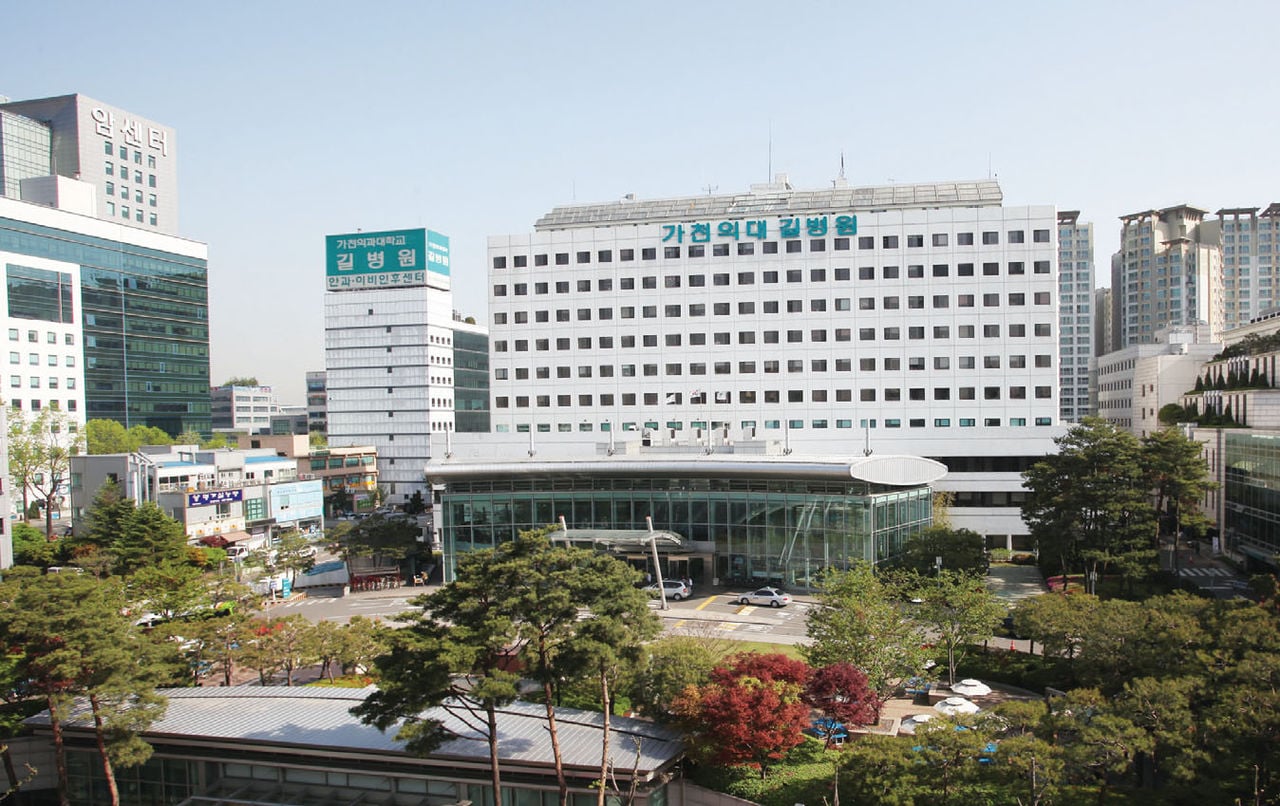
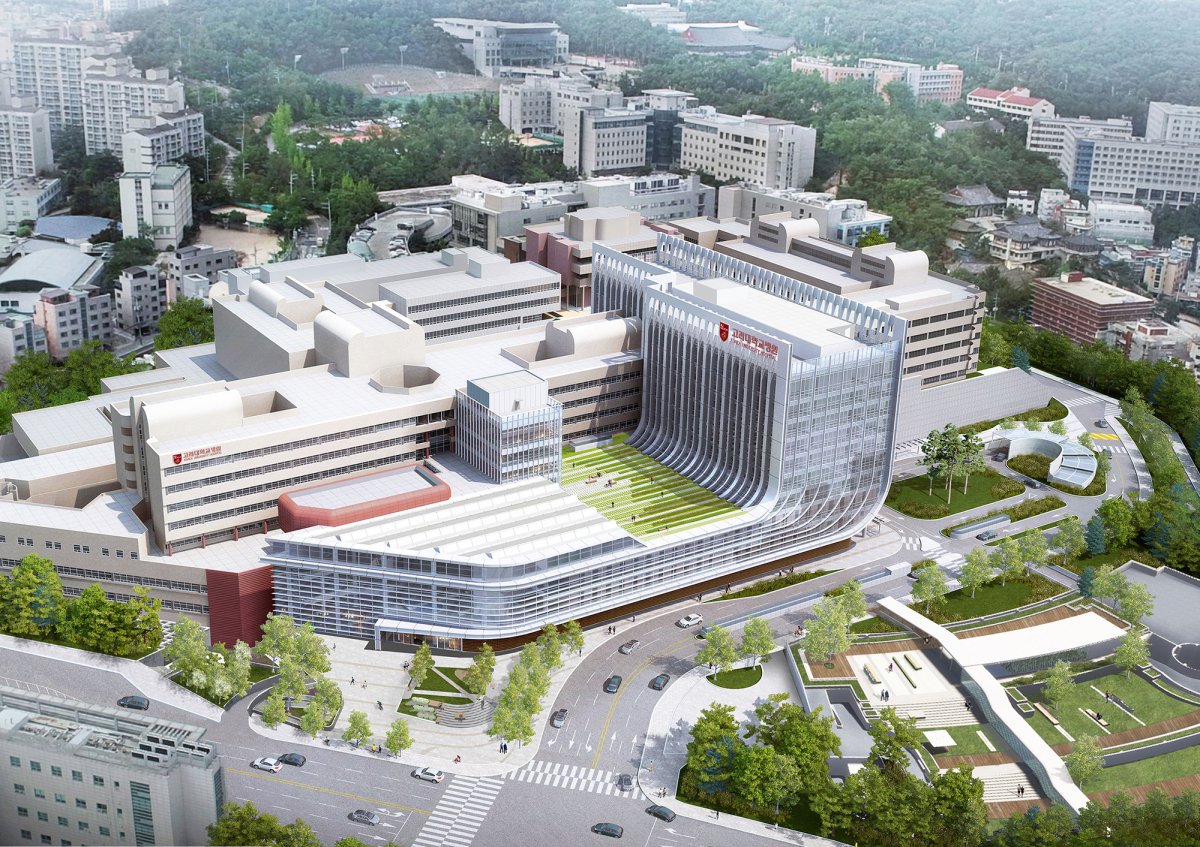
Descubra las mejores clínicas de tratamiento de Cáncer de laringe en Corea del Sur: 10 opciones verificadas y Precios











Blanche Dental Clinic
Obtenga una evaluación médica para Cáncer de laringe en Corea del Sur: consulte con doctores experimentados ahora
Ver todos los médicos
An Song-yeol

Young Ik Son
El profesor Young Ik Son se especializa exclusivamente en oncología otorrinolaringológica en el Samsung Medical Center.
- Profesor de Otorrinolaringología con enfoque en cáncer de laringe
- Afiliado al Samsung Medical Center, un hospital de primer nivel en Corea del Sur
- Amplia experiencia en el tratamiento de casos laríngeos complejos
Dong Lark Lee
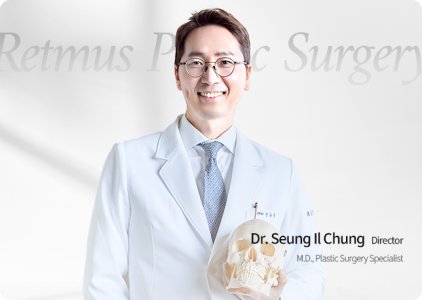
Seung Il Chung
Compartir contenido
Historias en video de pacientes de Bookimed
 Olena Sikoza
Preguntas frecuentes sobre el tratamiento de Cáncer de laringe en Corea del Sur
¿Qué métodos de tratamiento innovadores se utilizan para el cáncer de laringe en Corea del Sur?
Corea del Sur trata el cáncer de laringe mediante cirugía robótica de preservación de órganos y radiación de alta precisión. Centros como el Samsung Medical Center utilizan sistemas Da Vinci para procedimientos transorales. Estos métodos priorizan la preservación del habla y la función respiratoria. Los centros avanzados suelen integrar la terapia de protones para minimizar la toxicidad tisular.
- Cirugía robótica: Los sistemas Da Vinci permiten la extirpación precisa de tumores a través de la boca.
- Microcirugía láser: Los láseres de alta energía extirpan los tumores manteniendo intacto el tejido vocal sano.
- Terapia de protones: La radiación dirigida protege la médula espinal y las glándulas salivales vitales.
- Radiación adaptativa: Los sistemas y VMAT ajustan los haces diariamente para adaptarse a las formas cambiantes de los tumores.
Perspectiva del experto de Bookimed: El Samsung Medical Center atiende a más de 2.000.000 de pacientes al año y mantiene un Centro Oncológico Integral de primer nivel. Su alto volumen de pacientes permite a cirujanos como el Dr. Young Ik Son perfeccionar técnicas transorales especializadas. Esta profunda experiencia garantiza que los pacientes reciban planes de tratamiento diseñados específicamente para evitar traqueostomías permanentes.
Consenso de los pacientes: Los pacientes enfati
¿Se puede tratar el cáncer de laringe en Corea del Sur sin extirpar la laringe?
El tratamiento del cáncer de laringe en Corea del Sur se centra en la preservación de órganos mediante protocolos clínicos avanzados. Los pacientes pueden evitar una laringectomía total utilizando procedimientos mínimamente invasivos o quimiorradiación concurrente. Los centros especializados en Seúl priorizan el mantenimiento de las funciones naturales de la voz y la deglución tanto para casos tempranos como para casos avanzados específicos.
- Microcirugía láser: Los cirujanos utilizan láseres de dióxido de carbono para eliminar tumores en etapas tempranas mientras preservan las cuerdas vocales.
- Sistemas robóticos: El sistema Da Vinci permite la extirpación de tumores a través de la boca sin incisiones en el cuello.
- Terapia de haz de protones: La radiación precisa se dirige a las células malignas mientras protege los tejidos y estructuras sanas circundantes de la garganta.
- Laringectomía parcial: Los cirujanos extirpan solo las partes enfermas, lo que permite a los pacientes respirar y hablar de forma natural.
Perspectiva del experto de Bookimed: Una ventaja importante en Corea del Sur es el gran volumen de datos digitalizados utilizados para la planificación quirúrgica. El Hospital de la Universidad Nacional de Seúl ha mantenido registros electrónicos completos desde 2004. Esta profundidad de datos ayuda a los equipos multidisciplinarios
¿Cuál es la tasa de éxito del tratamiento del cáncer de laringe en Corea del Sur?
Los centros oncológicos de Corea del Sur logran tasas de éxito quirúrgico del 85% al 90% para el cáncer de laringe. La tasa nacional de supervivencia a 5 años alcanza el 69%, superando los promedios mundiales. Los casos localizados en etapa temprana muestran tasas de supervivencia de hasta el 91,7%. Los hospitales líderes enfatizan la preservación de la voz para el 97% de los pacientes elegibles.
- Supervivencia según la etapa: El éxito en la etapa temprana oscila entre el 84,1% y el 91,7% con una intervención rápida.
- Impacto anatómico: El cáncer glótico (cuerdas vocales) reporta altas tasas de supervivencia entre el 79,2% y el 80,2%.
- Preservación de órganos: Los protocolos avanzados preservan la laringe en el 70% de los casos complejos seleccionados.
- Capacidad de las instalaciones: El Samsung Medical Center realiza 45.800 operaciones al año en unidades oncológicas especializadas.
Perspectiva de expertos de Bookimed: El análisis de los datos de volumen revela una concentración significativa de experiencia en Seúl. El Asan Medical Center realiza más de 65.000 operaciones al año. Este volumen extremo de procedimientos se correlaciona directamente con su tasa de éxito quirúrgico del 90%. Los pacientes que buscan resultados que preserven la voz deben tener en cuenta que el Samsung Medical Center utiliza sistemas Novalis y Da Vinci. Estas tecn
¿Qué rehabilitación del habla y la deglución está disponible después de una cirugía de cáncer de laringe en Corea del Sur?
Los centros médicos de Corea del Sur ofrecen una rehabilitación estandarizada del habla y la deglución a través de equipos multidisciplinarios. Los programas incluyen la punción traqueoesofágica (TEP), entrenamiento con electrolaringe y ejercicios especializados para la disfagia. Centros líderes como el Severance Hospital y el Samsung Medical Center integran estas terapias en una atención oncológica integral para asegurar la recuperación.
- Opciones de habla: Los especialistas ofrecen punción traqueoesofágica, dispositivos de electrolaringe y entrenamiento en habla esofágica.
- Evaluación de la deglución: Los estudios videofluoroscópicos y las evaluaciones endoscópicas por fibra óptica verifican el tránsito seguro del bolo.
- Ejercicios musculares: Los terapeutas utilizan maniobras de deglución esforzada y de Mendelsohn para fortalecer la coordinación de los músculos de la garganta.
- Gestión dietética: Los dietistas modifican las texturas de los alimentos y la viscosidad de los líquidos para prevenir la aspiración durante la recuperación.
Perspectiva del experto de Bookimed: La rehabilitación en Corea del Sur está altamente centralizada en las principales instituciones con sede en Seúl. El Hospital de la Universidad Nacional de Seúl y el Centro Médico Asan atienden a miles de pacientes diariamente. Este volumen masivo garantiza que los logoped