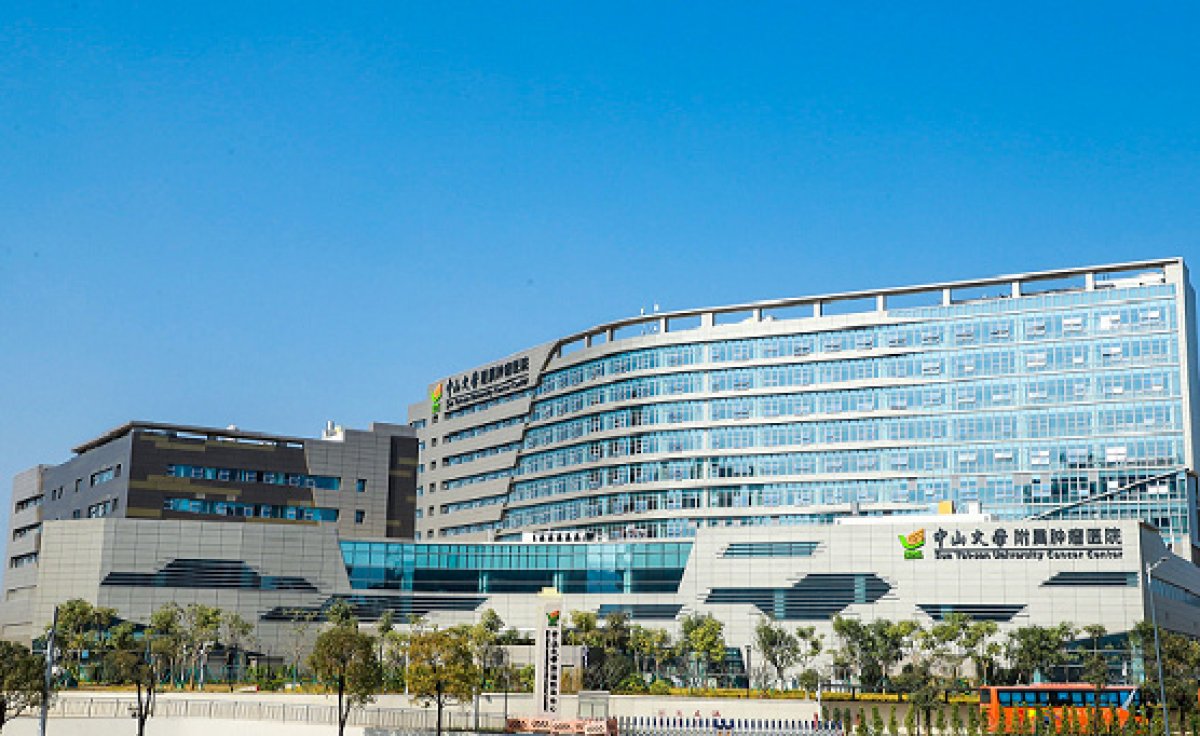
Fuda Cancer Hospital
China, Cantón


Revisado médicamente por
Fahad Mawlood
De $250. Los gastos totales dependen de la etapa del cáncer, el nivel del hospital y si se utilizan técnicas robóticas avanzadas. Los pacientes de países occidentales suelen obtener ahorros del 50 al 85%. Los principales centros de tratamiento se encuentran en Guangzhou, Pekín y Shanghái.
Costos típicos del tratamiento del cáncer testicular en China
Perspectiva de los expertos de Bookimed: Los pacientes en etapas avanzadas encuentran un valor superior en centros acreditados por la Joint Commission International (JCI), como el Fuda Cancer Hospital. Esta instalación se especializa en más de 10 terapias mínimamente invasivas además de la quimioterapia estándar. Para casos complejos, es recomendable elegir expertos como el profesor Liu Shi Xin en el Xiamen Humanity Hospital. Su liderazgo en oncología radioterápica garantiza protocolos de tratamiento de alta precisión para pacientes internacionales.
| China | España | Turquía | |
|---|---|---|---|
| Radioterapia para el cáncer de testículo | ≈ $6,500 | de $4,000 | ≈ $4,500 |
| Radioterapia para el cáncer colorrectal | ≈ $11,500 | de $7,500 | de $5,000 |
| Quimioterapia para el cáncer de testículo | ≈ $6,500 | ≈ $6,500 | ≈ $3,500 |
| Quimioterapia para el cáncer de mama | ≈ $14,800 | de $1,700 | de $3,000 |
| Prótesis testicular | ≈ $1,800 | de $5,000 | de $5,300 |
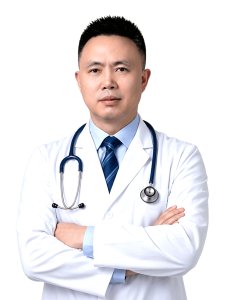
Médico jefe y profesor. Experto de nivel 1 en el Centro Oncológico del West China Hospital, Sichuan University (clasificado n.º 2 en China). Completó un posdoctorado en radiología intervencionista en el Chinese PLA General Hospital. Dirige equipos multidisciplinarios (MDT) para tumores complejos. Experto en oncología intervencionista mínimamente invasiva para cánceres de hígado, pulmón y páncreas.
Acreditaciones: Miembro del consejo, WATA. Miembro de los comités de CACA y CMDA sobre in
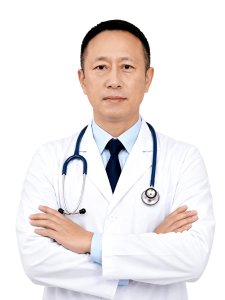
El Dr. He Weibing es pionero de la crioablación con argón‑helio en China, con más de 20 años de práctica en primera línea. Fue miembro fundador del Hospital Oncológico Fuda (Guangzhou). Cofundó su Centro de Tratamiento Tumoral Mínimamente Invasivo y fue subdirector ejecutivo. También ayudó a crear el Grupo de Ablación de la Asociación China contra el Cáncer. Ha sido operador principal en más de 10.000 procedimientos.
Se especializa en crioablación tumoral y domina la braquiterapia con
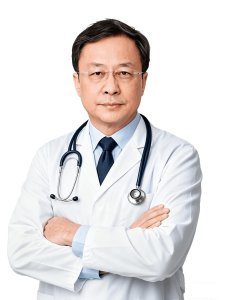
El profesor Luo Xiaoping es un radiólogo intervencionista reconocido a nivel nacional y una autoridad destacada en el oeste de China. Comenzó a realizar intervenciones vasculares pioneras a principios de la década de 1990. Ayudó a fundar el Grupo de Intervencionismo del Segundo Hospital Afiliado de la Universidad Médica de Chongqing.
Ha realizado más de 100 000 procedimientos intervencionistas, incluidos unos 4 000 casos complejos. Sus competencias clave incluyen TACE para el carcinoma
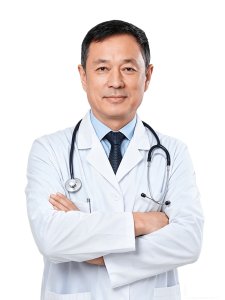
El profesor Xiao Yueyong es médico jefe del Departamento de Radiodiagnóstico del Hospital General del EPL de China. Es un experto líder en oncología intervencionista mínimamente invasiva. Es el primer presidente de WATA (2025–). Preside la Sociedad Internacional (2020–) y la Sociedad Asiática (2012–) de Crioterapia. También es subjefe del Grupo de Expertos de la NHC sobre regulaciones de ablación tumoral (2009–).
Ha realizado más de 100 000 procedimientos mínimamente invasivos guiados

Escrito por Anna Leonova
 Olena Sikoza
Los hospitales chinos identifican los tipos de cáncer testicular mediante patología después de una orquiectomía inguinal radical. Los expertos clasifican más del 90% de los casos como tumores de células germinales. La estadificación sigue los estándares internacionales TNMS. Este sistema evalúa el tumor primario, los ganglios linfáticos, las metástasis a distancia y los marcadores tumorales séricos.
Perspectiva del experto de Bookimed: Los centros acreditados por la JCI, como el Fuda Cancer Hospital, se especializan en casos avanzados donde la quimioterapia tradicional podría ser reemplazada por terapias mínimamente invasivas. Los datos muestran que estas instalaciones a menudo utilizan NanoKnife y criocirugía para presentaciones complejas. Muchos paciente
El tratamiento del cáncer testicular en China suele preservar la producción de testosterona a largo plazo cuando queda un testículo sano. La extirpación quirúrgica de un testículo permite que el otro compense las necesidades hormonales. La quimioterapia o la radioterapia pueden suprimir temporalmente la producción de esperma. La preservación de la fertilidad debe organizarse antes de comenzar los protocolos clínicos intensivos.
Opinión de expertos de Bookimed: Aunque muchos se centran en la cirugía, el principal riesgo hormonal a largo plazo proviene de los regímenes de quimioterapia avanzada. En centros acreditados por la JCI como el Fuda Cancer Hospital, los médicos utilizan terapias mínimamente invasivas como la criocirugía. Estos enfoques dirigidos a veces pueden reducir el impacto sist
Los pacientes internacionales superan las barreras idiomáticas y los requisitos de visado a través de departamentos internacionales dedicados en los hospitales y protocolos estructurados de invitación médica. Facilitadores especializados gestionan la traducción para el registro y los registros médicos. Las invitaciones oficiales del hospital y la prueba de elegibilidad financiera son esenciales para obtener las visas de viaje médico necesarias.
Perspectiva del experto de Bookimed: Los centros acreditados por la JCI, como el Fuda Cancer Hospital en Guangzhou, atienden a más de 30.000 pacientes internacionales. Este alto volumen a menudo significa que el personal administrativo está más familiarizado con el papeleo internacional. Elegir un centro con un ala internacional dedicada simplifica el proceso de registro inicial. Aquí es donde suelen ocurrir
La Medicina Tradicional China (MTC) se integra de forma segura con los protocolos occidentales para el cáncer testicular mediante un enfoque de apoyo no ingerible. La acupuntura y los ejercicios de mente y cuerpo como el Tai Chi controlan eficazmente los efectos secundarios de la quimioterapia. Las hierbas ingeribles requieren una estricta revisión oncológica para prevenir la toxicidad hepática o interacciones medicamentosas peligrosas.
Perspectiva del experto de Bookimed: Los datos clínicos de centros acreditados por la JCI, como el Fuda Cancer Hospital, destacan un cambio hacia terapias mínimamente invasivas de alta tecnología. Las clínicas utilizan hipertermia por microondas y criocirugía junto con protocolos occidentales en lugar de remedios herbales tradicionales. Este enfoque en la tecnología de precisión garantiza