Tratamiento de Cáncer testicular en Austria — obtenga 3 coincidencias personalizadas de clínicas


Revisado médicamente por
Fahad Mawlood
Cómo funciona
¿Cuál es el precio del diagnóstico y los tratamientos de Cáncer testicular en Austria? Descubra ahora
De $260. Las intervenciones quirúrgicas primarias, como una orquiectomía, van desde $9,000 hasta $15,000, mientras que una linfadenectomía más compleja cuesta de $7,500 a $12,500. Los gastos totales dependen del protocolo de terapia y del nivel de la clínica. Los pacientes a menudo ahorran entre un 20 y un 30% en comparación con los EE. UU. La mayor parte de la atención especializada se concentra en Viena.
Costos típicos del tratamiento del cáncer testicular en Austria
- Consulta con un oncólogo: de $260
- Orquiectomía: $9,000 – $15,000
- Extirpación de tumor testicular: $7,800 – $12,500
- Linfadenectomía: $7,500 – $12,500
- Prótesis testicular: $3,600 – $5,600
- Radioterapia: de $6,700
- Quimioterapia: $9,500 – $18,000
Perspectiva de expertos de Bookimed: Los pacientes que buscan medicina personalizada se benefician de la Wiener Privatklinik, donde el profesor Wolfgang Köstler aplica su experiencia del Memorial Sloan-Kettering en terapias dirigidas. Para aquellos que priorizan la seguridad, el Hospital Privado Döbling reporta tasas de complicaciones significativamente inferiores a los valores nominales. Los casos avanzados que requieren atención multidisciplinaria se atienden mejor en Viena, donde especialistas de la Universidad Médica de Viena brindan un tratamiento de alta competencia en prestigiosos entornos privados.
| Austria | España | Turquía | |
|---|---|---|---|
| Radioterapia para el cáncer de testículo | de $6,700 | de $4,000 | ≈ $4,500 |
| Radioterapia para el cáncer colorrectal | de $6,700 | de $7,500 | de $5,000 |
| Quimioterapia para el cáncer de testículo | ≈ $9,000 | ≈ $6,500 | ≈ $3,500 |
| Quimioterapia para el cáncer de mama | ≈ $9,500 | de $1,700 | de $3,000 |
| Prótesis testicular | ≈ $3,600 | de $5,000 | de $5,300 |
Descubra las mejores clínicas de tratamiento de Cáncer testicular en Austria: 4 opciones verificadas y Precios
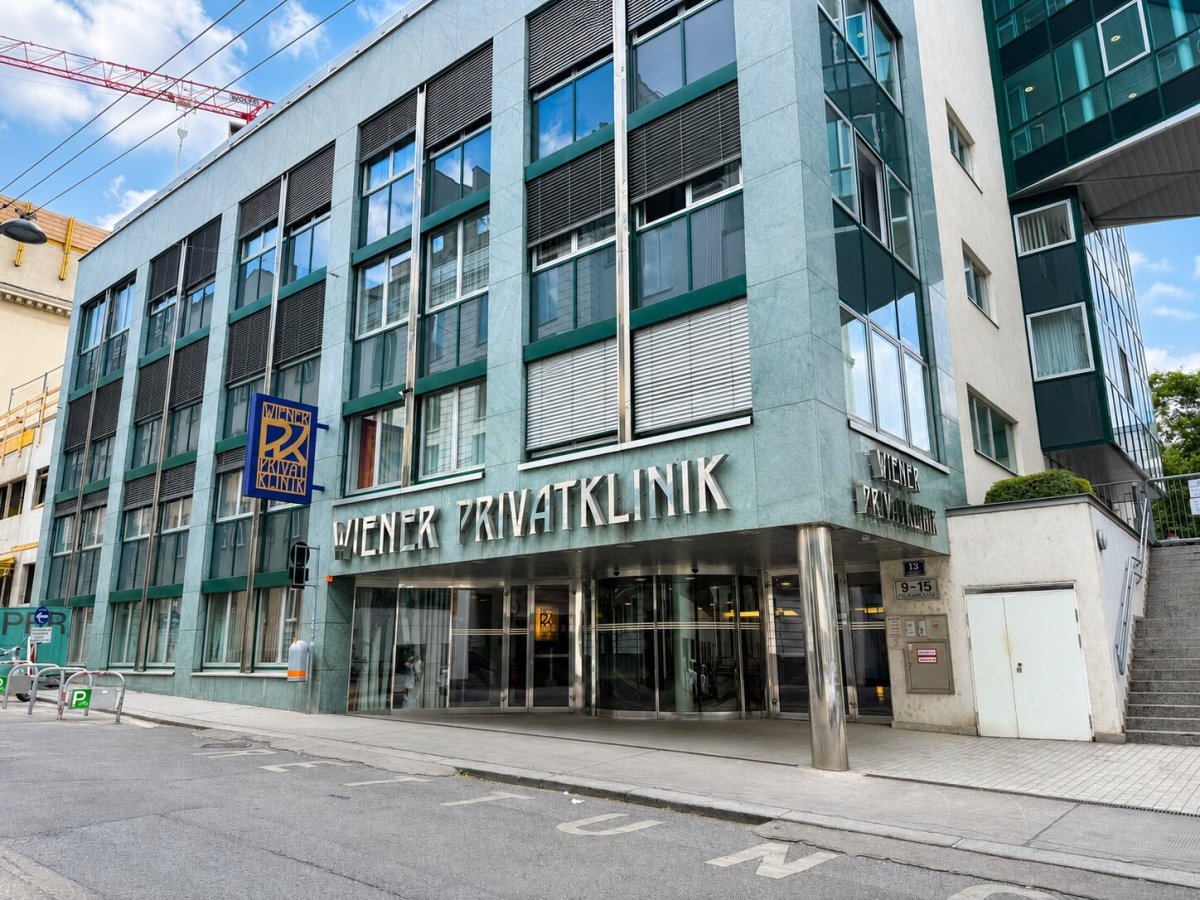







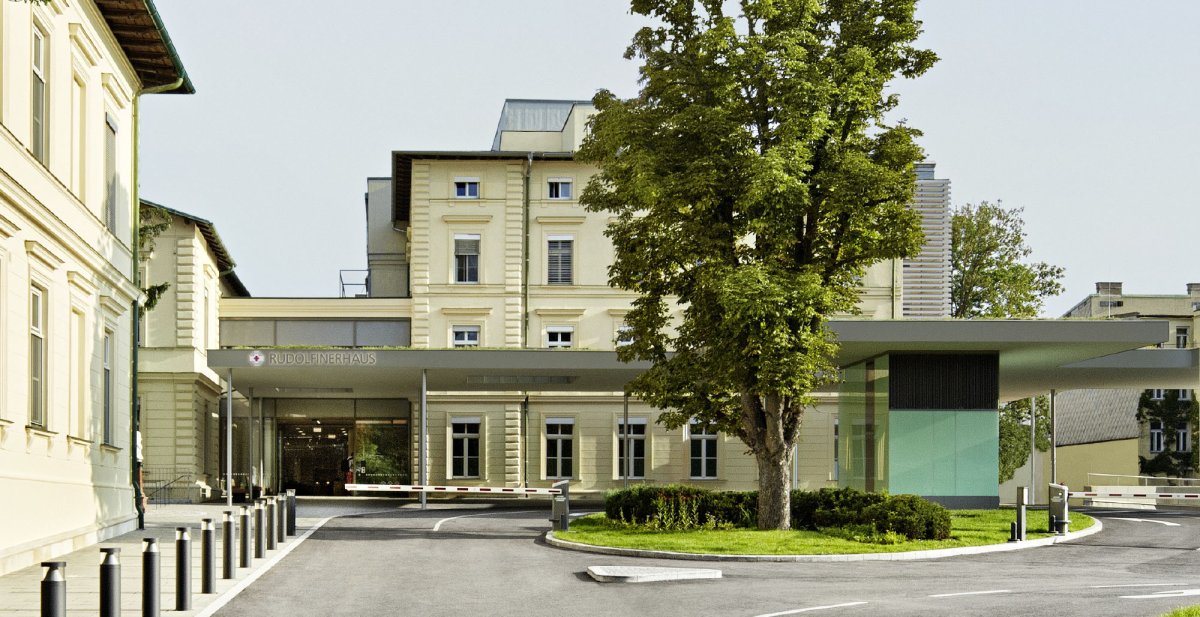
Obtenga una evaluación médica para Cáncer testicular en Austria: consulte con doctores experimentados ahora
Ver todos los médicos
Wolfgang Köstler
Oncólogo reconocido internacionalmente con más de _doctor_1748_ años de experiencia liderando divisiones clínicas e investigaciones en terapias oncológicas dirigidas. Practica medicina personalizada en Wiener Privatklinik.
- Experto en oncología de tumores sólidos, especialmente cáncer de mama y ginecológico
- Profesor asociado en la Universidad Médica de Viena, contribuyendo a nuevas estrategias de tratamiento
- Subjefe de la División Clínica de Oncología, avanzando en la investigación oncológica traslacional
- Especializado en el desarrollo de biomarcadores y terapia sistémica individualizada

Alexander Hauswirth
El Prof. asociado (Priv.-Doz.) Dr. Alexander W. Hauswirth es especialista en medicina interna y hemato-oncología en JUVENIS. Desde 2010 es médico sénior responsable de Hematología/Hemostaseología y Oncología en la Clínica de Medicina Interna I de la Universidad Médica de Viena/AKH Viena, el hospital más grande de Austria.
Obtuvo su título de médico por la Universidad de Viena en 1999. Recibió la venia docendi (habilitación) en 2010 y fue nombrado profesor asociado en 2012. Completó una
Artículos relacionados

Guía de costos del tratamiento de cáncer testicular: precios y mejores hospitales
Escrito por Anna Leonova
Compartir contenido
Historias en video de pacientes de Bookimed
 Olena Sikoza
Preguntas frecuentes sobre el tratamiento de Cáncer testicular en Austria
¿Qué directrices médicas siguen los hospitales austriacos para el tratamiento del cáncer testicular?
En los hospitales austriacos, el tratamiento del cáncer testicular se realiza de acuerdo con las guías clínicas de la Asociación Europea de Urología (EAU). Estas guías recomiendan la orquiectomía inguinal radical como intervención quirúrgica primaria. Los especialistas utilizan los protocolos de la Sociedad Europea de Oncología Médica (ESMO) para la quimioterapia de tumores de células germinales avanzados.
- Procedimiento quirúrgico estándar: Los cirujanos realizan una orquiectomía inguinal radical a través de una incisión inguinal.
- Estadificación diagnóstica: Los protocolos requieren la monitorización obligatoria de los marcadores AFP, hCG y LDH.
- Terapia sistémica: En casos avanzados, se utilizan regímenes basados en cisplatino, como BEP o VIP.
- Investigación colaborativa: Austria participa en el estudio de cohorte suizo-austríaco-alemán sobre el cáncer testicular.
Opinión experta de Bookimed: Los indicadores de calidad para el tratamiento del cáncer testicular en Viena están vinculados a la carga de trabajo del centro. Clínicas como Wiener Privatklinik y Döbling Private Hospital mantienen altos estándares de seguridad gracias a la certificación ISO. Los datos muestran que los centros especializados con departamentos de oncología propios registran menores tasas de complicaciones. Esto es crucial, ya que una estadificación precisa determina
¿Qué tipo de cirugía se utiliza para diagnosticar y tratar el tumor primario?
La orquiectomía inguinal radical es el procedimiento quirúrgico principal para diagnosticar y tratar el cáncer testicular. Este procedimiento, de doble propósito, consiste en extirpar el testículo sospechoso por completo mediante una incisión en la ingle. Posteriormente, los cirujanos envían el tejido para un examen histopatológico con el fin de confirmar la extensión y el estadio del cáncer.
- Tipo de procedimiento: La orquiectomía inguinal radical es el método de referencia para el diagnóstico.
- Abordaje quirúrgico: Los cirujanos utilizan una incisión inguinal para evitar que el cáncer se propague.
- Función diagnóstica: Los patólogos analizan el tejido extirpado para determinar su tipo final.
- Objetivo del tratamiento: En el caso de tumores en fase inicial, la extirpación del testículo suele proporcionar una curación completa.
Opinión de expertos de Bookimed: La coordinación entre los equipos de patología y cirugía en Viena es crucial para una estadificación rápida. En la Clínica Privada de Viena, el tratamiento lo brindan oncólogos de renombre como el Dr. Wolfgang Köstler, y los resultados de patología determinan de inmediato la terapia sistémica o dirigida personalizada. Recomendamos solicitar una prótesis testicular antes de la cirugía inicial para lograr el mejor resultado estético.
Comentarios de los pacientes: L
¿Mi tratamiento será realizado por un equipo multidisciplinario?
El tratamiento del cáncer testicular en Austria se lleva a cabo mediante un enfoque multidisciplinario. Las principales clínicas vienesas utilizan consultas oncológicas que reúnen a urólogos, oncólogos y radiólogos. Esta experiencia compartida garantiza una estadificación precisa y un tratamiento personalizado para cada paciente. Centros especializados coordinan las intervenciones quirúrgicas, la quimioterapia y los protocolos de seguimiento a largo plazo.
- Revisión por el comité de oncología: Varios especialistas revisan los resultados de las pruebas de imagen y de patología antes de tomar una decisión final sobre el tratamiento.
- Experiencia quirúrgica: Los urólogos del Hospital Privado de Döbling realizan orquiectomías y linfadenectomías de gran precisión.
- Coordinación de tratamientos oncológicos: Especialistas como el Dr. Wolfgang Köstler gestionan la terapia sistémica y la inmunoterapia.
- Planificación de la radioterapia: Centros como Amethyst Radiotherapy Austria incorporan técnicas avanzadas de radioterapia en sus planes de tratamiento.
Opinión de expertos de Bookimed: Si bien muchas clínicas ofrecen oncología general, elegir un centro con más de 25 departamentos especializados, como la Vienna Privatklinik, ofrece una clara ventaja. Emplean a aproximadamente 400 médicos, muchos de ellos profesores. Esta alta concentración de especiali
¿Puede el tratamiento afectar mi fertilidad?
En Austria, los tratamientos contra el cáncer testicular, como la quimioterapia o la orquiectomía, pueden afectar significativamente la fertilidad. Si bien la extirpación de un testículo suele preservar el otro, la radioterapia y la quimioterapia pueden interrumpir la producción de esperma de forma temporal o permanente. Los especialistas en Viena recomiendan la criopreservación antes de cualquier procedimiento oncológico.
- Efectos de la cirugía: La orquiectomía extirpa un testículo, pero a menudo preserva la fertilidad a través del testículo restante.
- Riesgos de la quimioterapia: Los regímenes de tratamiento comunes, como el BEP, pueden causar reducciones temporales o a largo plazo en el recuento de espermatozoides.
- Radioterapia: La radiación pélvica puede dañar las células productoras de esperma si el tejido sano no está protegido adecuadamente.
- Tiempo de recuperación: La recuperación de la producción de esperma suele ser lenta y la recuperación total puede tardar de 1 a 2 años.
Opinión experta de Bookimed: Los datos de las principales instituciones médicas vienesas, como la Wiener Privatklinik y el Hospital Privado Döbling, demuestran su firme compromiso con un enfoque multidisciplinario del tratamiento. Muchos oncólogos, incluidos profesores de la Universidad Médica de Viena, hacen hincapié en la preservación temprana de la fertilidad.
¿Es posible la preservación de la fertilidad en Austria antes del tratamiento?
La preservación de la fertilidad es legal en Austria y se practica ampliamente antes del tratamiento del cáncer testicular. Según la Ley Austriaca de Medicina Reproductiva, los pacientes sometidos a terapia gonadotóxica o cirugía tienen derecho expreso a la congelación de esperma. Este procedimiento requiere indicaciones médicas específicas.
- Derecho a la liberación legal: Los pacientes sometidos a quimioterapia o cirugía tienen derecho expreso a que se congelen sus gametos.
- Métodos de almacenamiento: En Viena existen centros especializados que ofrecen servicios de almacenamiento de esperma y criopreservación de embriones.
- Aspectos financieros: Por lo general, el seguro no cubre los costos de almacenamiento; los pacientes pagan el almacenamiento de su propio bolsillo.
- Tratamientos disponibles: Centros como la Wiener Privatklinik ofrecen atención oncológica que coordina el tratamiento del cáncer.
Opinión de expertos de Bookimed: Si bien la criolipólisis electiva es limitada, las clínicas privadas austriacas, como Wiener Privatklinik y Döbling Private Hospital, integran estrechamente sus redes de oncología y FIV. Nuestros datos muestran que estos hospitales priorizan los diagnósticos rápidos, como la PET/CT y la biopsia. Esta eficiencia es crucial, ya que la preservación de la fertilidad generalmente debe completarse en un breve lapso de tie
¿Es la vigilancia activa una alternativa a la quimioterapia inmediata?
En Austria, la vigilancia activa es una alternativa estándar a la quimioterapia inmediata para el cáncer testicular en estadio 1. Esta estrategia se utiliza tras la orquiectomía para extirpar el tumor. Evita la toxicidad sistémica y mantiene altas tasas de supervivencia gracias a un seguimiento riguroso mediante biomarcadores sanguíneos y técnicas de imagen modernas.
- Criterios de selección: Principalmente seminomas en estadio 1 y casos de tumores no seminomatosos de bajo riesgo.
- Las herramientas de monitorización incluyen tomografías computarizadas abdominales frecuentes y resonancias magnéticas cerebrales con contraste.
- Marcadores tumorales: Los análisis de sangre periódicos permiten controlar los niveles de las proteínas AFP, hCG y LDH.
- Calidad de la clínica: Instituciones como la Wiener Privatklinik ofrecen centros oncológicos especializados para el seguimiento de los pacientes.
- Acceso a expertos: Los pacientes consultan con profesores de la Universidad Médica de Viena para determinar la etapa de su enfermedad.
Opinión de expertos de Bookimed: Los datos de las principales clínicas vienesas muestran con frecuencia que especialistas como el Dr. Wolfgang Köstler hacen hincapié en protocolos de terapia sistémica individualizados. Si bien muchos consideran la quimioterapia obligatoria, los centros oncológicos austr