Cáncer testicular Tratamiento en India — Costos 2026


Revisado médicamente por
Fahad Mawlood
¿Cuál es el precio del diagnóstico y los tratamientos de Cáncer testicular en India? Descubra ahora
| India | España | Turquía | |
|---|---|---|---|
| Radioterapia para el cáncer de testículo | ≈ $4,500 | de $4,000 | ≈ $4,500 |
| Radioterapia para el cáncer colorrectal | ≈ $4,500 | de $7,500 | de $5,000 |
| Quimioterapia para el cáncer de testículo | ≈ $3,000 | ≈ $6,500 | ≈ $3,500 |
| Quimioterapia para el cáncer de mama | ≈ $3,200 | de $1,700 | de $3,000 |
| Prótesis testicular | ≈ $1,500 | de $5,000 | de $5,300 |
Sus beneficios y garantías con Bookimed
Precios directos
Bookimed no añade cargos extra a los precios de los tratamientos de Cáncer testicular. Las tarifas proceden de las listas de precios oficiales de las clínicas. Pagará directamente en la clínica por su tratamiento a su llegada al país.
Sólo clínicas y médicos verificados
Bookimed está comprometido con su seguridad. Solo trabajamos con las clínicas que mantienen altos estándares internacionales en el tratamiento de Cáncer testicular y cuentan con las licencias necesarias para atender a pacientes internacionales en todo el mundo.
Asistencia 24/7 gratuita
Bookimed ofrece asistencia experta gratuita. Un coordinador médico personal le apoya antes, durante y después de su tratamiento, resolviendo cualquier problema. Nunca estará solo en su viaje médico de tratamiento de Cáncer testicular.

Su coordinador médico personal de Bookimed
- Le apoya en cada etapa
- Ayuda a elegir la clínica y el médico adecuados
- Asegura un acceso rápido y conveniente a la información
Descubra las mejores clínicas de tratamiento de Cáncer testicular en India: 9 opciones verificadas y Precios









Dr. Rela Institute & Medical Centre

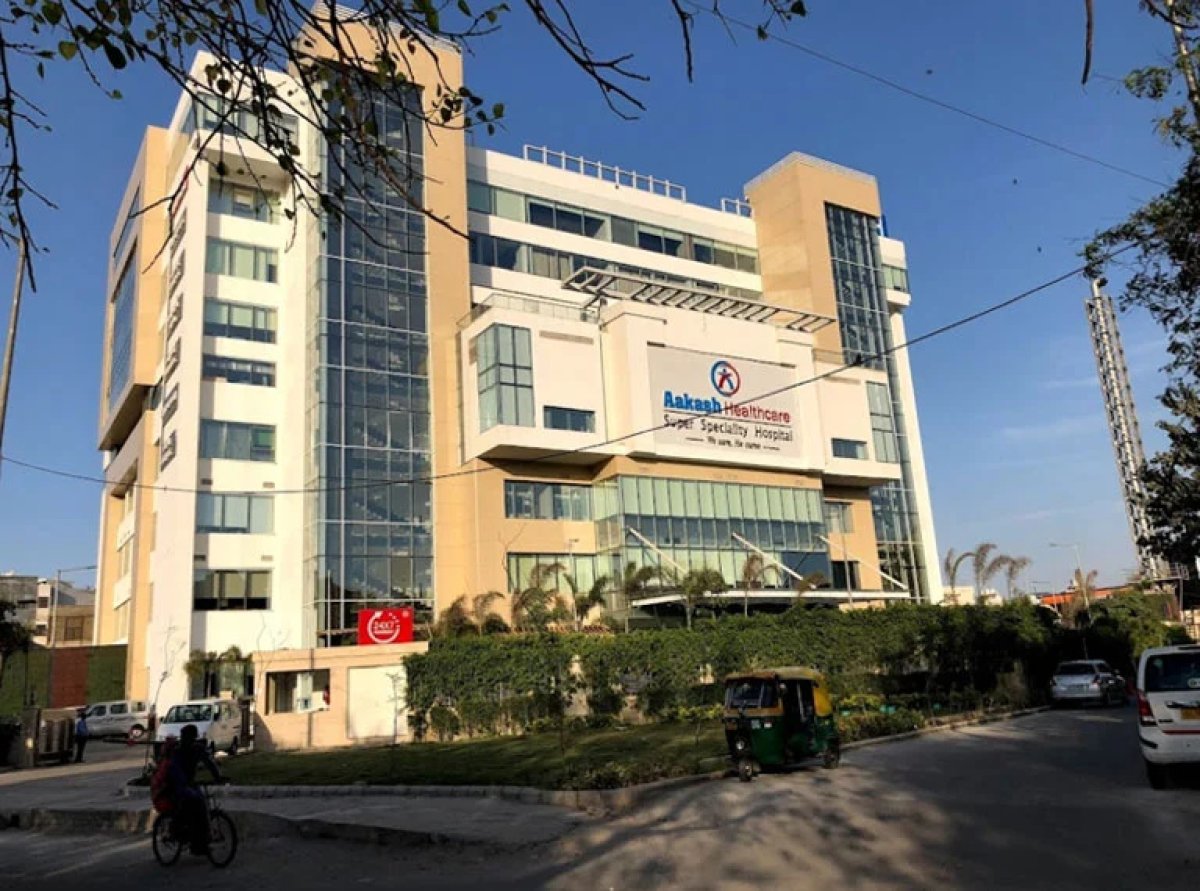
Helal Healthcare
Obtenga una evaluación médica de tratamiento de Cáncer testicular en India: haga una consulta con 10 médicos experimentados ahora
Ver todos los médicos
Shalabh Agrawal
El Dr. Shalabh Agrawal se especializa en el tratamiento del cáncer testicular como parte de un reconocido equipo de urología en los hospitales Artemis.
- Parte de un equipo dirigido por el profesor S. V. Kotwal, un veterano de la urología con 30 años de experiencia
- Utiliza métodos mínimamente invasivos y láser para el tratamiento de cálculos
- Trata diversos cánceres urológicos, incluido el cáncer testicular
- Realiza cirugías complejas como cistectomía radical y nefrectomía

Manav Suryavanshi
El Dr. Manav Suryavanshi, director asociado del Instituto de Urología y Nefrología del Hospital Medanta, se especializa en afecciones urológicas con un enfoque en el cáncer testicular.
- Experto en procedimientos urológicos avanzados
- Rol de liderazgo en un hospital de primer nivel
- Dedicado a la atención al paciente de alta calidad

Sridhar P.S.
El Dr. Sridhar P.S. se especializa en radioterapia para el cáncer testicular, aportando un amplio enfoque académico y clínico a cada caso en el HCG Manavata Cancer Centre.
- Más de _doctor_3397_ años de experiencia en oncología y radioterapia
- Posee múltiples cualificaciones, incluido un DNB en Radioterapia
- Miembro activo de sociedades oncológicas clave como la Asociación de Oncología Radioterápica de la India
- Formado en instituciones prestigiosas, incluida la Universidad Hindú de Benarés

Chaitainya Borde
Ha realizado más de 30,000 escáneres PET y tratado a 1,000 pacientes con cáncer de tiroides – el Dr. Borde se especializa en imagenología y terapias nucleares avanzadas.
- _doctor_2774_años_ de experiencia en medicina nuclear
- Experto en terapias con radioyodo y Lu-177
- Autor de artículos en diversas revistas médicas
- Experto en todo tipo de escáneres nucleares e imagenología PET-CT
Artículos relacionados

Guía de costos del tratamiento de cáncer testicular: precios y mejores hospitales
Escrito por Anna Leonova
Compartir contenido
Historias en video de pacientes de Bookimed
 Olena Sikoza
Preguntas frecuentes sobre el tratamiento de Cáncer testicular en India
¿Cuál es la tasa de éxito del tratamiento del cáncer testicular en la India?
La India reporta una tasa de supervivencia del 95% para el cáncer testicular. Esto se alinea con los puntos de referencia globales para la recuperación de tumores sólidos. Los centros especializados logran un éxito del 95% al 99% en casos de etapa temprana. Los tratamientos avanzados para etapas metastásicas mantienen una alta tasa de supervivencia del 70% al 85%.
- Supervivencia en etapa temprana: Los casos localizados muestran tasas de éxito entre el 95% y el 99%.
- Supervivencia en etapa avanzada: La quimioterapia basada en platino logra un éxito del 70% al 85% en casos metastásicos.
- Perspectiva a largo plazo: Los registros indican una tasa de supervivencia general a 5 años del 88% en poblaciones clínicas mixtas.
- Precisión diagnóstica: Clínicas como HCG Manavata gestionaron más de 30,000 escaneos PET para una estadificación precisa.
Perspectiva del experto de Bookimed: El éxito en la India depende de elegir redes multidisciplinarias en lugar de hospitales generales. Los datos muestran que instituciones como Manipal y Global Hospital atienden a más de 2,000,000 de pacientes al año. Estos centros de alto volumen ofrecen cirugía robótica especializada y criopreservación. Esto es vital, ya que los pacientes a menudo pasan por alto el banco de esperma antes de que comience la quimioterapia.
Consenso de los pacientes: L
¿El tratamiento del cáncer testicular me dejará infértil?
El tratamiento del cáncer testicular puede afectar la fertilidad, pero muchos hombres conservan la capacidad de engendrar hijos de forma natural. La extirpación de un testículo generalmente no causa infertilidad. Sin embargo, la quimioterapia y la radiación pueden reducir temporal o permanentemente la producción de esperma. Los especialistas indios recomiendan encarecidamente la criopreservación de esperma antes de comenzar cualquier procedimiento.
- Extirpación quirúrgica: La orquiectomía generalmente deja el segundo testículo para producir suficientes espermatozoides.
- Riesgos de la quimioterapia: Los regímenes basados en platino a menudo reducen el recuento de espermatozoides durante 1 a 2 años.
- Protección radiológica: Los centros indios utilizan un blindaje preciso para el testículo restante durante la terapia.
- Preservación nerviosa: Cirujanos especializados realizan la extirpación de ganglios linfáticos para proteger las funciones de eyaculación.
Opinión de expertos de Bookimed: Las señales de calidad en la India están fuertemente vinculadas a los altos volúmenes de pacientes. Centros líderes como Manipal Hospitals y Global Hospital Chennai atienden de 80.000 a 2.000.000 de pacientes al año. Esta escala masiva permite a oncólogos como el Dr. Raj Nagarkar realizar más de 50.000 cirugías. Una experiencia tan profunda a menudo conduce a
¿Cuáles son los principales tipos de cáncer testicular y por qué son importantes?
El cáncer testicular incluye principalmente seminomas y no seminomas, que se originan en las células germinales productoras de esperma. La distinción es vital ya que determina la velocidad de crecimiento del tumor y la sensibilidad a la radiación. La identificación guía a cirujanos como el Dr. Shalabh Agrawal a elegir entre vigilancia, quimioterapia o cirugía robótica especializada.
- Seminomas: Tumores de crecimiento lento que suelen aparecer entre los 25 y 45 años.
- No seminomas: Tipos agresivos que ocurren en hombres más jóvenes, a menudo requiriendo intervención rápida.
- Tumores estromales: Variantes raras que se desarrollan en el tejido de soporte, a menudo requiriendo enfoques quirúrgicos específicos.
- Sensibilidad al tratamiento: Los seminomas responden bien a la radiación; los no seminomas a menudo requieren quimioterapia intensiva.
Perspectiva de expertos de Bookimed: Centros en India como Global Hospital Chennai y Fortis Gurgaon utilizan aceleradores lineales para la irradiación de tumores con una precisión de 1 mm. Esta precisión es crítica para los seminomas, que son altamente sensibles a la radiación. Los pacientes se benefician de cirujanos de alto volumen como el Dr. Raj Nagarkar, quien ha realizado más de 50,000 procedimientos. Grandes redes como Manipal Hospitals atienden a 2,000,000 de pacientes al año, proporcionando la pr
¿Tendré que perder todo mi testículo durante el tratamiento?
La orquiectomía inguinal radical es el tratamiento estándar para la sospecha de cáncer testicular en la India. Los cirujanos extirpan todo el testículo afectado y el cordón espermático. Este procedimiento evita que las células cancerosas se propaguen a través de los vasos linfáticos. También proporciona un diagnóstico definitivo mientras protege la integridad del tejido escrotal.
- Enfoque quirúrgico: La extirpación se realiza a través de una pequeña incisión en la parte inferior de la ingle.
- Preservación de la fertilidad: Un testículo sano preserva la producción normal de testosterona y esperma.
- Seguridad diagnóstica: La extirpación completa evita los riesgos de biopsia que podrían diseminar células cancerosas.
- Opciones estéticas: Las prótesis rellenas de solución salina pueden restaurar una apariencia y un peso naturales.
Perspectiva del experto de Bookimed: Los pacientes en la India se benefician de equipos de oncología integrados donde los urólogos y especialistas en medicina nuclear como el Dr. Chaitannya Borde colaboran estrechamente. Mientras que clínicas como el Global Hospital Chennai manejan grandes volúmenes de cirugías complejas, el enfoque en centros como HCG Manavata está en la imagen metabólica. Esto asegura que los cirujanos solo procedan a la orquiectomía cuando las tomografías PET-CT confirman que la masa es sospechosa,
¿El tratamiento arruinará mi vida sexual o mi capacidad para tener erecciones?
El tratamiento del cáncer testicular en la India rara vez arruina su vida sexual o su capacidad para tener erecciones. Las técnicas quirúrgicas modernas suelen preservar los nervios necesarios para la función sexual. Si el testículo restante está sano, mantiene niveles hormonales y capacidad de erección normales en la mayoría de los pacientes.
- Impacto de la orquiectomía: La extirpación de un testículo no causa automáticamente disfunción eréctil.
- Opciones de tratamiento: Las clínicas indias ofrecen linfadenectomía con preservación de nervios y aceleradores lineales avanzados.
- Equilibrio hormonal: El testículo restante generalmente compensa para mantener niveles normales de testosterona.
- Atención de apoyo: Los especialistas utilizan la tecnología IBM Watson para adaptar la recuperación y la rehabilitación.
Perspectiva del experto de Bookimed: Si bien los pacientes se centran en la cirugía, nuestros datos del HCG Manavata Cancer Centre muestran más de 100.000 pacientes tratados con un alto enfoque en la supervivencia. La experiencia importa más que la tecnología; médicos como el Dr. Raj Nagarkar, con más de 50.000 procedimientos, perfeccionan técnicas para proteger los delicados nervios pélvicos. Este alto volumen quirúrgico en los centros indios a menudo resulta en una mejor preservación de la función sexual en comparación con las clínica
¿Qué tipo de quimioterapia se utiliza para el cáncer testicular en la India?
Los oncólogos en la India tratan el cáncer testicular utilizando protocolos internacionales basados en platino. El tratamiento estándar de primera línea es el régimen BEP. Este combina bleomicina, etopósido y cisplatino. Se utilizan combinaciones alternativas como EP o VIP para pacientes con consideraciones específicas de salud pulmonar o niveles de riesgo más altos.
- Protocolo estándar: El régimen BEP combina tres medicamentos durante tres a cuatro ciclos.
- Alternativas especializadas: Los protocolos EP y VIP evitan la bleomicina para proteger la función pulmonar.
- Atención en etapa temprana: El carboplatino como agente único actúa como terapia adyuvante para seminomas en estadio I.
- Terapia de rescate: Los regímenes TIP o VeIP sirven como opciones de segunda línea para la recurrencia.
Perspectiva de expertos de Bookimed: La selección de tratamientos avanzados en la India a menudo incorpora inteligencia artificial para mejorar los resultados. El Hospital Manipal Goa utiliza IBM Watson for Oncology para analizar datos clínicos y seleccionar la quimioterapia más efectiva para cada caso individual. Esta precisión técnica es rara y ayuda a los médicos a elegir entre el BEP estándar o protocolos de rescate más intensivos basados en evidencia en tiempo real.
Consenso de los pacientes: Los pacientes señalan que es importan
¿Cuánto tiempo dura la recuperación física después de la cirugía?
La recuperación física después de una cirugía testicular en la India suele tomar de 2 a 4 semanas para las actividades diarias. La mayoría de los pacientes retoman el trabajo de oficina dentro de la semana posterior a una orquiectomía. La curación completa del tejido y el regreso al ejercicio extenuante o al levantamiento de objetos pesados generalmente requieren de 6 a 8 semanas.
- Fase aguda: El alta hospitalaria generalmente ocurre dentro de las 24 a 48 horas para casos estándar.
- Curación de heridas: Los sitios de incisión generalmente se cierran y los puntos externos se retiran dentro de los 10 días.
- Regreso al trabajo: Las tareas de oficina sedentarias suelen ser manejables después de 7 días de descanso en casa.
- Límites físicos: Los cirujanos aconsejan evitar levantar objetos pesados durante al menos 6 semanas después de la operación.
Perspectiva del experto de Bookimed: El volumen de pacientes en la India es masivo, y solo los hospitales Manipal atienden a 2,000,000 de pacientes al año. Los grandes centros a menudo utilizan sistemas robóticos para la linfadenectomía con el fin de reducir los tiempos de recuperación. Especialistas como el Dr. Laxman Bellamkonda en el Global Hospital Chennai se centran en estas técnicas mínimamente invasivas. Este alto volumen quirúrgico garantiza que los equipos de urología indios mantengan una exper