Cáncer testicular Tratamiento en Corea del Sur — Costos 2026


Revisado médicamente por
Fahad Mawlood
¿Cuál es el precio del diagnóstico y los tratamientos de Cáncer testicular en Corea del Sur? Descubra ahora
El costo del tratamiento del cáncer testicular en la República de Corea generalmente comienza con diagnósticos esenciales como una tomografía PET-CT que oscila entre $1,100 y $1,300. Las intervenciones quirúrgicas primarias, como una orquiectomía, suelen costar entre $2,800 y $5,000. Los gastos totales dependen de la etapa del cáncer y la tecnología utilizada, ofreciendo ahorros estimados del 30-50% en comparación con los EE. UU. Seúl e Incheon son las ciudades líderes para estos procedimientos.
Costos típicos del tratamiento del cáncer testicular en la República de Corea
- Consulta con un oncólogo: $50 – $75
- Tomografía PET-CT: $1,100 – $1,300
- Revisión histopatológica: de $350
- Biopsia: de $370
- Tomografía computarizada abdominal: de $220
- Resonancia magnética cerebral con contraste: de $500
- Orquiectomía: $2,800 – $5,000
- Prótesis testicular: $2,800 – $4,500
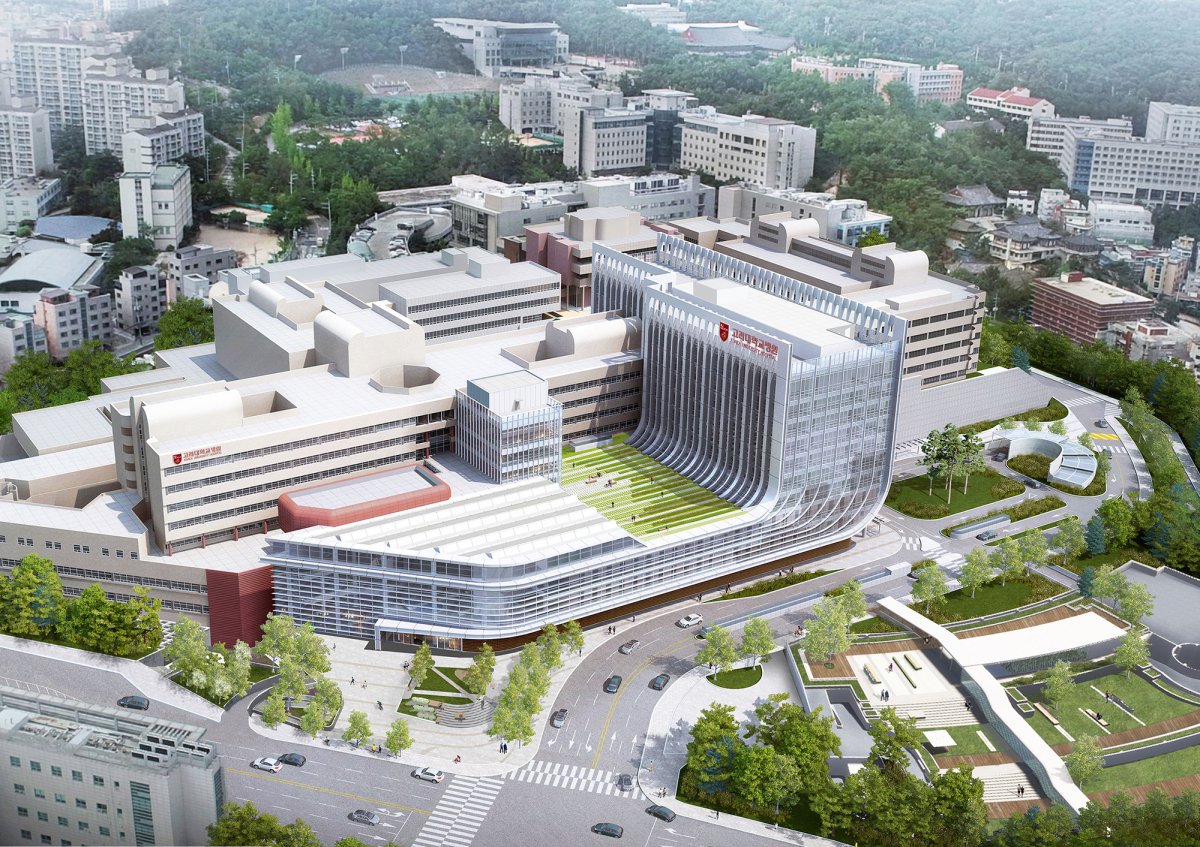
Perspectiva de los expertos de Bookimed: Los pacientes que buscan los estándares clínicos más altos deben priorizar las instituciones con sede en Seúl, como el Samsung Medical Center. Este centro trata a más de 2 millones de pacientes al año y utiliza el sistema quirúrgico Da Vinci. Para cánceres urogenitales complejos, el Ewha Womans University Medical Center ofrece experiencia especializada en cirugía mínimamente invasiva. El Korea University Anam Hospital es ideal para aquellos que requieren cirugía avanzada asistida por robot. El Asan Medical Center brinda atención multidisciplinaria de alto volumen para etapas avanzadas.
| Corea del Sur | España | Turquía | |
|---|---|---|---|
| Radioterapia para el cáncer de testículo | ≈ $7,500 | de $4,000 | ≈ $4,500 |
| Radioterapia para el cáncer colorrectal | ≈ $9,000 | de $7,500 | de $5,000 |
| Quimioterapia para el cáncer de testículo | ≈ $6,500 | ≈ $6,500 | ≈ $3,500 |
| Quimioterapia para el cáncer de mama | de $3,000 | de $1,700 | de $3,000 |
| Prótesis testicular | ≈ $2,800 | de $5,100 | de $5,300 |
Sus beneficios y garantías con Bookimed
Precios directos
Bookimed no añade cargos extra a los precios de los tratamientos de Cáncer testicular. Las tarifas proceden de las listas de precios oficiales de las clínicas. Pagará directamente en la clínica por su tratamiento a su llegada al país.
Sólo clínicas y médicos verificados
Bookimed está comprometido con su seguridad. Solo trabajamos con las clínicas que mantienen altos estándares internacionales en el tratamiento de Cáncer testicular y cuentan con las licencias necesarias para atender a pacientes internacionales en todo el mundo.
Asistencia 24/7 gratuita
Bookimed ofrece asistencia experta gratuita. Un coordinador médico personal le apoya antes, durante y después de su tratamiento, resolviendo cualquier problema. Nunca estará solo en su viaje médico de tratamiento de Cáncer testicular.

Su coordinador médico personal de Bookimed
- Le apoya en cada etapa
- Ayuda a elegir la clínica y el médico adecuados
- Asegura un acceso rápido y conveniente a la información
Descubra las mejores clínicas de tratamiento de Cáncer testicular en Corea del Sur: 10 opciones verificadas y Precios












Artículos relacionados

Guía de costos del tratamiento de cáncer testicular: precios y mejores hospitales
Escrito por Anna Leonova
Compartir contenido
Historias en video de pacientes de Bookimed
 Olena Sikoza
Preguntas frecuentes sobre el tratamiento de Cáncer testicular en Corea del Sur
¿Dónde están los mejores hospitales en Corea del Sur para el tratamiento del cáncer testicular?
Los mejores hospitales de Corea del Sur para el cáncer testicular incluyen el Samsung Medical Center, el Severance Hospital y el Seoul National University Hospital. Estas instalaciones acreditadas por la JCI brindan atención multidisciplinaria. Utilizan cirugía robótica y terapia de protones. Los diagnósticos avanzados como el PET-CT y la revisión histopatológica garantizan una estadificación precisa para los pacientes internacionales.
- Samsung Medical Center: Clasificado entre los mejores hospitales del mundo según Newsweek. Atiende a más de 2,000,000 de pacientes al año.
- Severance Hospital: Emplea sistemas robóticos Da Vinci. Fue el primer hospital coreano con acreditación JCI.
- Asan Medical Center: El centro multidisciplinario más grande de Corea. Realiza más de 65,000 operaciones cada año.
- Ewha Womans University: Se centra en los cánceres urogenitales. Ofrece cirugía mínimamente invasiva a través de pequeñas incisiones.
Opinión de expertos de Bookimed: Un alto volumen de pacientes es una señal de calidad crítica en Corea para afecciones raras. El Samsung Medical Center y el Asan Medical Center gestionan más de 2,000,000 y 180,000 pacientes anuales respectivamente. Esta escala masiva garantiza que los departamentos de patología tengan experiencia especializada en tipos raros de tumores testiculares. Esto conduce a una estadificación má
¿Cuáles son las opciones de tratamiento comunes disponibles en Corea?
El tratamiento del cáncer testicular en Corea del Sur sigue protocolos de alta velocidad que incluyen orquiectomía, quimioterapia y cirugía robótica avanzada. Los principales centros oncológicos de Seúl utilizan imágenes PET/CT y sistemas quirúrgicos Da Vinci. Instituciones como el Samsung Medical Center y el Severance Hospital mantienen la acreditación de la Joint Commission International para la atención urogenital compleja.
- Intervención quirúrgica: La orquiectomía inguinal radical es el tratamiento principal para eliminar el tumor rápidamente.
- Diagnóstico avanzado: Las exploraciones PET/CT y abdominales de alta resolución garantizan una estadificación precisa para la detección de propagación.
- Sistemas robóticos: El Korea University Anam Hospital utiliza métodos robóticos especializados para cirugías oncológicas precisas.
- Oncología médica: Los protocolos de quimioterapia de múltiples ciclos abordan casos avanzados con altas tasas de éxito.
Perspectiva del experto de Bookimed: Los hospitales surcoreanos como el Seoul National University Hospital pueden gestionar grandes volúmenes de pacientes, tratando a más de 10.000 personas al día. Esta alta rotación crea una competencia quirúrgica excepcional. Los datos muestran que los principales centros como el Asan Medical Center realizan más de 65.000 operaciones al año. Este volumen garantiza
¿El tratamiento del cáncer testicular en Corea afectará la fertilidad o la función sexual?
El tratamiento del cáncer testicular en Corea generalmente preserva la función sexual. La mayoría de los pacientes mantienen erecciones y libido normales después de una orquiectomía. Existen riesgos para la fertilidad debido a la quimioterapia o la radiación. Los centros coreanos priorizan la criopreservación de esperma en instalaciones acreditadas por la Joint Commission International para asegurar opciones de paternidad futura antes de que comience el tratamiento.
- Impacto de la orquiectomía: La extirpación de un solo testículo generalmente mantiene suficiente testosterona para un desempeño sexual normal.
- Preservación de la fertilidad: Las clínicas sugieren activamente la criopreservación de esperma antes de las sesiones de quimioterapia o radiación pélvica.
- Tecnología avanzada: Los sistemas robóticos mínimamente invasivos como Da Vinci ayudan a proteger los nervios durante la cirugía.
- Salud hormonal: El testículo restante a menudo compensa para garantizar un impulso y energía normales.
Perspectiva del experto de Bookimed: El Samsung Medical Center y el Hospital de la Universidad Nacional de Seúl atienden a millones de pacientes anualmente. Su gran volumen significa que los cirujanos realizan frecuentemente técnicas de preservación nerviosa. Esta experiencia es vital para evitar la eyaculación retrógrada. Elegir un centro de alto volum
¿Cuánto dura el proceso de tratamiento general?
El tratamiento del cáncer testicular en Corea del Sur suele durar desde unas pocas semanas hasta algunos meses. Centros altamente eficientes como el Samsung Medical Center priorizan la intervención quirúrgica rápida. Los plazos totales dependen de la estadificación, los resultados de patología y si la quimioterapia sigue al procedimiento inicial de orquiectomía.
- Fase quirúrgica: La orquiectomía generalmente requiere de 1 a 2 días de hospitalización para la recuperación.
- Estadificación diagnóstica: La patología y la estadificación por PET-TC suelen tomar de 1 a 2 semanas después de la cirugía.
- Ciclos de quimioterapia: Si es necesario, la quimioterapia suele durar de 9 a 12 semanas en múltiples ciclos.
- Fase de vigilancia: Los escaneos de seguimiento y los controles de marcadores continúan durante varios años después del tratamiento.
Opinión de expertos de Bookimed: Los centros oncológicos de Corea del Sur se especializan en atención de alto volumen y digitalizada que minimiza los retrasos administrativos. El Hospital de la Universidad Nacional de Seúl y el Centro Médico Asan gestionan miles de pacientes diariamente. Esta escala permite una normalización rápida de los marcadores tumorales y transiciones más rápidas entre la cirugía y la quimioterapia en comparación con muchas instalaciones europeas.
Consenso de los pacientes
¿Necesito hablar coreano para recibir tratamiento?
No necesita hablar coreano para recibir tratamiento contra el cáncer testicular en Corea del Sur. Los principales hospitales acreditados por la JCI en Seúl cuentan con centros de atención médica internacional dedicados. Estas instalaciones emplean coordinadores de habla inglesa y traductores médicos para gestionar las consultas de oncología, los informes de patología y la planificación quirúrgica.
- Departamentos internacionales: Clínicas como el Severance Hospital tienen centros especializados para pacientes extranjeros.
- Servicios de traducción: Los grandes hospitales proporcionan interpretación médica profesional para discusiones oncológicas complejas.
- Documentación médica: Los centros de primer nivel a menudo proporcionan resultados de diagnóstico y resúmenes de alta en inglés.
- Certificación profesional: Instituciones como el Korea University Anam Hospital mantienen acreditaciones JCI y GHA.
Opinión de expertos de Bookimed: Aunque los médicos en centros como el Samsung Medical Center a menudo hablan inglés, es posible que el personal administrativo no lo haga. Los datos muestran que los grandes hospitales multidisciplinarios, como el SNUH o el Asan Medical Center, atienden a más de 10.000 pacientes al día. Este alto volumen significa que tienen sistemas establecidos para la logística internacional de los que carecen las clínicas locale
¿Puedo acceder a ensayos clínicos para el cáncer testicular en Corea?
Los pacientes pueden acceder a ensayos clínicos de fase 2 y 3 para el cáncer testicular en Corea a través de importantes centros académicos. Instalaciones como el Asan Medical Center y el Samsung Medical Center realizan investigaciones sobre tumores de células germinales. La participación requiere cumplir con estrictos criterios de elegibilidad bajo la supervisión de una Junta de Revisión Institucional.
- Centros especializados: Grandes instituciones como el Asan Medical Center realizan una extensa investigación oncológica.
- Criterios de elegibilidad: Los pacientes deben coincidir con marcadores tumorales específicos y un historial de tratamiento previo.
- Estándares regulatorios: Los ensayos siguen los protocolos de seguridad de la Organización Internacional de Normalización y la Joint Commission International.
- Infraestructura digital: El Hospital Bundang de la Universidad Nacional de Seúl utiliza sistemas digitales avanzados para el cribado de pacientes.
Perspectiva de expertos de Bookimed: El volumen de investigación de Corea es masivo; solo el Hospital Severance atiende a 4.000.000 de pacientes ambulatorios al año. La alta rotación de pacientes en centros como el Samsung Medical Center, que atiende a más de 2.000.000 de pacientes, acelera la inscripción en los ensayos. Esta escala a menudo brinda a los pacientes un acceso más rápido a nu
¿Qué debo preparar para mi primera cita?
La preparación para su primera cita por cáncer testicular en la República de Corea requiere reunir registros médicos, imágenes de diagnóstico e informes de patología. Los pacientes deben traer tomografías computarizadas (TC) o resonancias magnéticas (RM) y los resultados de los análisis de sangre. Esto permite a los oncólogos avanzar rápidamente hacia la estadificación y la planificación del tratamiento.
- Documentación médica: Traiga los informes originales de ecografías, TC o RM y los valores de laboratorio.
- Cronología de los síntomas: Anote cuándo notó bultos, cambios en el dolor o patrones de hinchazón.
- Planificación de la fertilidad: Prepárese para hablar sobre el banco de esperma antes de comenzar la cirugía o la quimioterapia.
- Preparación diagnóstica: Espere exámenes físicos, pruebas de marcadores tumorales o imágenes inmediatas.
Perspectiva del experto de Bookimed: Los principales centros coreanos como el Samsung Medical Center o el Asan Medical Center atienden a miles de pacientes ambulatorios diariamente. Este alto volumen significa que las citas avanzan muy rápidamente. Los pacientes deben llegar con todos los registros pre-traducidos al inglés o coreano para evitar retrasos en su cronograma de tratamiento.
Consenso de los pacientes: Los pacientes enfatizan que los oncólogos trabajan más rápido cuando ve