Tratamiento de Cáncer testicular en Israel — obtenga 3 coincidencias personalizadas de clínicas


Revisado médicamente por
Fahad Mawlood
Cómo funciona
¿Cuál es el precio del diagnóstico y los tratamientos de Cáncer testicular en Israel? Descubra ahora
De $1,500
Costos típicos del tratamiento del cáncer testicular en Israel
- Escáner PET-CT: de $1,500
- Consulta con un oncólogo: de $700
- Revisión histopatológica: de $500
- Tomografía computarizada (TC): de $550
Perspectiva de los expertos de Bookimed: Los pacientes que buscan atención de alta precisión deben considerar el Sourasky Medical Center, que reporta una tasa de éxito oncológico del 90%. Para casos urológicos complejos, expertos como el Dr. David Sarid ofrecen experiencia especializada en urología oncológica con formación en el Reino Unido. Las opciones privadas como el Assuta Medical Center brindan la mayor flexibilidad para programar cirugías. Los pacientes en etapas tempranas se benefician más de las vías de diagnóstico rápido disponibles en estas instalaciones acreditadas por la JCI.
| Israel | España | Turquía | |
|---|---|---|---|
| Radioterapia para el cáncer de testículo | ≈ $9,000 | de $4,000 | ≈ $4,500 |
| Radioterapia para el cáncer colorrectal | ≈ $14,000 | de $7,500 | de $5,000 |
| Quimioterapia para el cáncer de testículo | ≈ $9,000 | ≈ $6,500 | ≈ $3,500 |
| Quimioterapia para el cáncer de mama | ≈ $22,500 | de $1,700 | de $3,000 |
| Prótesis testicular | ≈ $3,200 | de $5,000 | de $5,300 |
Descubra las mejores clínicas de tratamiento de Cáncer testicular en Israel: 13 opciones verificadas y Precios







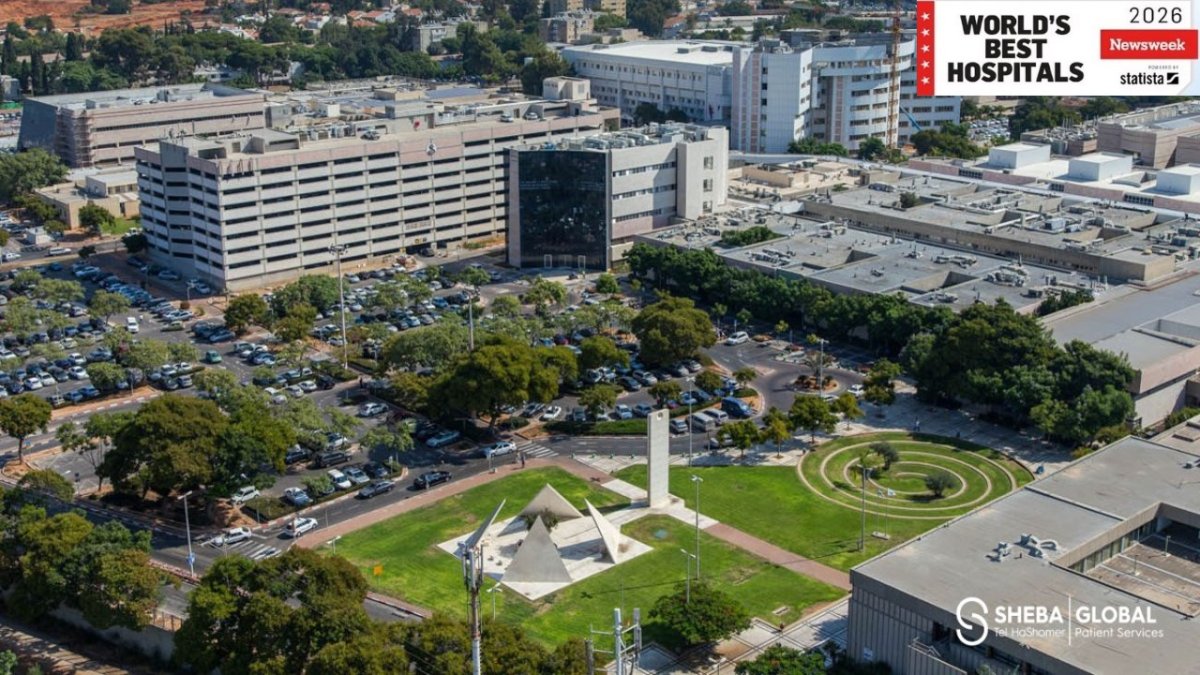






Soroka Medical Center


Herzliya Medical Center
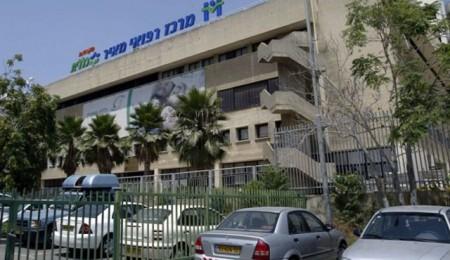
Meir Medical Center

Kaplan Medical Center
Obtenga una evaluación médica de tratamiento de Cáncer testicular en Israel: haga una consulta con 12 médicos experimentados ahora
Ver todos los médicos
David Sarid
El Dr. Sarid dirige el departamento de oncología, urología y radioterapia del Centro Médico Ichilov, aportando una amplia experiencia en el tratamiento del cáncer testicular.
- Especializado en urología oncológica en la Universidad de Oxford
- Investigador principal de ensayos clínicos en terapias contra el cáncer
- Ha publicado más de 30 artículos sobre el tratamiento del cáncer
- Miembro de sociedades oncológicas europeas y estadounidenses

Ofer Merimsky
El Prof. Merimsky dirige la Unidad de Oncología de Tejidos Blandos y Huesos en el Centro Médico Sourasky, con un enfoque especializado en cánceres raros.
- 41 años dedicados a la oncología de sarcomas y tumores raros
- Formación de especialización en el Institut Gustave Roussy, el centro de sarcomas líder en Europa
- Miembro de la facultad de sarcomas de la ESMO y de grupos de investigación internacionales
- Numerosas publicaciones sobre tratamientos novedosos para el sarcoma

Amit Tirosh
El Prof. Amit Tirosh es endocrinólogo sénior y jefe del Servicio de Tumores Neuroendocrinos en el Centro Médico Sheba. Se especializa en tumores neuroendocrinos (TNE).
Su trabajo se centra en los síndromes hereditarios de TNE. Está afiliado a los NIH en investigación sobre MEN1. Integra un panel internacional de expertos en VHL y ayudó a redactar las guías de manejo de VHL. Es el contacto principal en la clínica multidisciplinaria de VHL de Sheba.
Dirige el Laboratorio de Bioinf
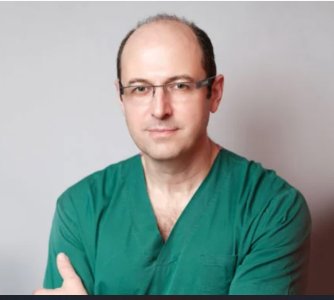
Yuri Goldes
El Dr. Yuri Goldes es cirujano general con más de 20 años de experiencia clínica. Se especializa en cirugía gastrointestinal alta y oncológica. Es subdirector del Departamento de Cirugía General y Trasplante del Centro Médico Sheba en Tel Aviv y dirige la Unidad de Cirugía Gastrointestinal Alta. En 2025 fue incluido en la lista de los Mejores Médicos de Forbes Israel. Está entre los mejores cirujanos gastrointestinales de Israel según Forbes. En 2019 recibió el premio “Médico del Año” del Min
Artículos relacionados

Guía de costos del tratamiento de cáncer testicular: precios y mejores hospitales
Escrito por Anna Leonova
Compartir contenido
Historias en video de pacientes de Bookimed
 Olena Sikoza
Preguntas frecuentes sobre el tratamiento de Cáncer testicular en Israel
¿Cuáles son los principales métodos de tratamiento utilizados en Israel para el cáncer testicular?
Israel trata el cáncer testicular utilizando la orquiectomía inguinal radical como estándar quirúrgico principal. Centros especializados como el Sourasky Medical Center reportan tasas de supervivencia de entre el 90% y el 95%. Los protocolos avanzados incluyen la linfadenectomía retroperitoneal asistida por robot y la quimioterapia de alta dosis con soporte de células madre.
- Intervención quirúrgica: La orquiectomía inguinal elimina el tumor mientras previene la propagación local del cáncer.
- Quimioterapia avanzada: Los especialistas utilizan el protocolo BEP que incluye bleomicina, etopósido y cisplatino.
- RPLND robótica: Los cirujanos utilizan sistemas Da Vinci para la extirpación precisa de los ganglios linfáticos.
- Preservación de la fertilidad: Las clínicas proporcionan rutinariamente la criopreservación de esperma antes de comenzar terapias sistémicas intensivas.
Perspectiva del experto de Bookimed: Los centros oncológicos israelíes como Sheba y Sourasky manejan volúmenes masivos de pacientes; Sheba trata a 1,9 millones de pacientes anualmente. Esta escala permite a los cirujanos especializarse estrechamente en cánceres urológicos raros. Aunque muchos pacientes se centran en la cirugía inicial, el beneficio a largo plazo en Israel es la integración del perfil genético y la tecnología CAR-T disponible en sitios como Sheba para casos re
¿Afectará el tratamiento a mi fertilidad?
Los tratamientos para el cáncer testicular, como la orquiectomía, suelen preservar la fertilidad si queda un testículo sano. Sin embargo, la quimioterapia, la radioterapia y las cirugías extensas, como la linfadenectomía con preservación de nervios, pueden afectar la producción o el transporte de espermatozoides. Los expertos recomiendan congelar esperma antes de comenzar estas terapias sistémicas o pélvicas para asegurar opciones reproductivas futuras.
- Criopreservación de esperma: Congele muestras inmediatamente después del diagnóstico para mitigar los riesgos de terapias posteriores.
- Impacto de la orquiectomía: La extirpación de un testículo generalmente permite que el restante mantenga la fertilidad.
- Riesgos de la quimioterapia: Los fármacos sistémicos pueden causar azoospermia temporal o permanente en el 50 % de los casos.
- Cirugía con preservación de nervios: Los cirujanos en centros como el Sheba Medical Center utilizan técnicas para evitar la disfunción eyaculatoria.
Perspectiva del experto de Bookimed: Aunque la mayoría de los pacientes se centran en la cirugía, nuestros datos del Sourasky Medical Center sugieren que el período de recuperación más significativo son los primeros 18 meses después de la quimioterapia. Elegir a un especialista como el Dr. Zohar Dotan, quien dirige la Sociedad Israelí de Uro-Oncología, garantiza el ac
¿Cómo afectará la cirugía a mi apariencia física y a mi función sexual?
La cirugía para el cáncer testicular en Israel preserva la apariencia física y la función sexual mediante técnicas avanzadas de preservación nerviosa y reconstrucción cosmética. La mayoría de los pacientes mantienen erecciones y sensaciones normales después de una orquiectomía unilateral. Opciones como las prótesis testiculares y los procedimientos robóticos mínimamente invasivos ayudan a garantizar resultados estéticos simétricos y una recuperación física más rápida.
- Apariencia física: Los cirujanos utilizan pequeñas incisiones de 1 a 2 pulgadas (2.5–5 cm) que generalmente se desvanecen en unos pocos meses.
- Restauración cosmética: Clínicas como Assuta ofrecen prótesis testiculares para mantener la simetría escrotal natural.
- Función sexual: Las técnicas de preservación nerviosa en el Sourasky Medical Center minimizan los riesgos de eyaculación seca.
- Equilibrio hormonal: El testículo restante generalmente compensa la producción de testosterona en unas pocas semanas.
Perspectiva del experto de Bookimed: Los centros oncológicos israelíes como Sheba y Sourasky priorizan los enfoques de preservación de órganos y nervios para proteger la fertilidad futura y la salud sexual. El Dr. Zohar Dotan y el Dr. Jack Baniel se especializan en urología robótica, lo que reduce el trauma tisular en comparación con la cirugía tradicional. Los datos muestran
¿Es la cirugía de preservación de órganos una opción en lugar de la orquiectomía?
La cirugía de preservación de órganos es una opción en Israel para casos específicos de cáncer testicular. Este procedimiento, conocido como orquiectomía parcial, prioriza la función hormonal y reproductiva. Se considera principalmente para masas pequeñas no palpables o pacientes con un solo testículo funcional.
- Elegibilidad del paciente: Los candidatos suelen tener tumores pequeños o masas testiculares bilaterales.
- Preservación funcional: La producción natural de testosterona se mantiene en el 80% al 90% de los casos.
- Seguridad quirúrgica: Los cirujanos utilizan la sección congelada intraoperatoria (FSE) para verificar el estado de los márgenes tumorales.
- Rendimiento oncológico: Centros líderes como Sourasky reportan una tasa de éxito promedio del 90% en tratamientos oncológicos.
Perspectiva del experto de Bookimed: Los centros oncológicos israelíes como Sourasky y el Sheba Medical Center atienden a más de 1,8 millones de pacientes al año. Su alto volumen quirúrgico permite una revisión histopatológica especializada de biopsias previas. Esta segunda opinión a menudo determina si un enfoque de preservación de órganos es seguro antes de que comience la cirugía. Es un paso crítico para los pacientes que buscan evitar la terapia de reemplazo hormonal de por vida.
Consenso de los pacientes: Los pacientes valoran el a
¿Qué preguntas debo hacer en mi primera consulta en Israel?
Durante su primera consulta en Israel, pregunte sobre las técnicas quirúrgicas de preservación nerviosa y la experiencia de su uro-oncólogo. Aclare sus marcadores tumorales específicos como AFP y HCG. Confirme la estadificación y discuta las opciones de preservación de la fertilidad. Los centros israelíes a menudo utilizan métodos asistidos por robot para procedimientos complejos.
- Preservación de la fertilidad: Pregunte si es necesaria la criopreservación de esperma antes de la quimioterapia o radioterapia.
- Enfoque quirúrgico: Pregunte si la linfadenectomía retroperitoneal robótica (RPLND) es una opción viable.
- Marcadores tumorales: Solicite una interpretación detallada de los niveles de AFP, HCG y LDH.
- Experiencia del médico: Confirme si su cirujano ha realizado más de 1,000 operaciones uro-oncológicas.
Perspectiva del experto de Bookimed: Nuestros datos muestran que los centros oncológicos israelíes como Sheba y Sourasky operan con volúmenes masivos de pacientes, a menudo superando el 1,000,000 anual. Este alto volumen permite a médicos como el Dr. Zohar Dotan especializarse en cirugías robóticas de nicho que preservan órganos. Al reservar su visita, verifique si la clínica posee la acreditación JCI. Esto asegura que el centro cumpla con estrictos estándares globales de seguridad para procedimientos oncológicos complejos.
¿Qué tan pronto puede comenzar el tratamiento en hospitales privados frente a los públicos en Israel?
Los hospitales privados en Israel suelen comenzar el diagnóstico de cáncer testicular en un plazo de 4 a 5 días hábiles. Los hospitales estatales a menudo enfrentan colas más largas. Las consultas con especialistas públicos pueden tardar de 24 a 40 días. Elegir centros privados permite a los pacientes programar cirugías inmediatamente después del diagnóstico.
- Velocidad de diagnóstico: Los centros privados completan los exámenes dentro de 1 semana después de la llegada.
- Tiempos de espera públicos: Los especialistas comunitarios tienen un promedio de 24 días para una cita inicial.
- Tipo de hospital: Las instalaciones sin fines de lucro ofrecen esperas un 32% más cortas que el promedio nacional.
- Variación regional: Tel Aviv y Haifa brindan un acceso más rápido que las regiones periféricas.
Perspectiva del experto de Bookimed: Los datos muestran que los centros de gran volumen como el Centro Médico Assuta realizan 92,000 operaciones al año. Esta escala masiva permite a las instalaciones privadas evitar las esperas de 40 días observadas en el sector público en Tel Aviv. Los pacientes a menudo eligen estos centros específicamente para seleccionar su propio cirujano y tipo de habitación.
Consenso de los pacientes: Los pacientes señalan que la rapidez de la atención privada reduce la ansiedad de la espera. Muchos enfatiza
¿Por qué Israel es uno de los principales destinos para la neurocirugía?
Israel es un centro líder en neurocirugía gracias a su combinación de avances médicos de alta tecnología y una experiencia quirúrgica de primer nivel. Instalaciones avanzadas como el Centro Médico Sheba utilizan sistemas de navegación basados en IA y resonancia magnética intraoperatoria en tiempo real. Centros especializados reportan una tasa de éxito del 98% en procedimientos complejos, como la craneotomía con el paciente despierto y el tratamiento de trastornos del movimiento.
- Tecnología avanzada: Las clínicas utilizan ultrasonido enfocado guiado por resonancia magnética (MRgFUS) y sistemas robóticos para realizar incisiones.
- Experiencia quirúrgica: Cirujanos como el Dr. Zvi Ram lideran asociaciones internacionales con más de 25 años de experiencia.
- Acceso rápido: Los pacientes internacionales generalmente pueden programar cirugías complejas de cerebro o columna en un plazo de 2 a 4 semanas.
- Atención médica acreditada: Grandes centros como Sourasky (Ichilov) y Assuta están acreditados por la JCI, lo que confirma su seguridad.
Opinión experta de Bookimed: Los datos muestran una clara diferencia entre las opciones de tratamiento públicas y privadas en Israel. Centros privados, como el Centro Médico Assuta, realizan más de 92.000 cirugías al año y permiten a los pacientes elegir a un cirujano líder específico. Esto supone una ventaja signi
¿Qué tipos de enfermedades neuroquirúrgicas se tratan en Israel?
Los neurocirujanos israelíes tratan una amplia gama de afecciones, desde tumores cerebrales y de médula espinal hasta trastornos funcionales complejos. Los centros especializados utilizan tecnologías de vanguardia, como el bisturí de rayos gamma, la estimulación cerebral profunda y la resonancia magnética intraoperatoria, para un diagnóstico altamente preciso de la epilepsia, la enfermedad de Parkinson y las patologías cerebrovasculares.
- Enfermedades oncológicas: tratamiento de gliomas, meningiomas y tumores hipofisarios mediante resección de la base del cráneo.
- Trastornos funcionales: tratamiento de la enfermedad de Parkinson y del temblor esencial mediante estimulación cerebral profunda.
- Patologías de columna: corrección de escoliosis, hernias discales y tumores espinales mediante sistemas robóticos.
- Tratamiento de las enfermedades cerebrovasculares: tratamiento quirúrgico de aneurismas cerebrales y malformaciones arteriovenosas mediante intervenciones endovasculares.
- Neurocirugía pediátrica: atención especializada en hidrocefalia y anomalías congénitas en centros pediátricos especializados.
Opinión experta de Bookimed: Los hospitales israelíes suelen combinar diversas especialidades para abordar casos complejos. En el Centro Médico Sourasky, neurocirujanos como el Dr. Zvi Lidar combinan neurocirugía y ortopedi
¿Qué hospitales en Israel son más conocidos por sus departamentos de neurocirugía?
Israel alberga centros neuroquirúrgicos de renombre mundial, como el Centro Médico Sourasky, el Centro Médico Sheba y el Centro Médico Hadassah. Estas instituciones son líderes mundiales en el tratamiento de tumores cerebrales complejos, enfermedades de la columna vertebral y trastornos del movimiento. Utilizan tecnologías de vanguardia como el bisturí de rayos gamma, sistemas robóticos y resonancia magnética intraoperatoria.
- Suraski (Ichilov): realiza más de 2.500 operaciones neuroquirúrgicas al año en Tel Aviv con una tasa de éxito del 98%.
- Centro Médico Sheba: clasificado entre los diez mejores hospitales del mundo, trata a 1,9 millones de pacientes al año.
- Centro Médico Hadassah: Nominado al Premio Nobel de la Paz. Líder en neurocirugía pediátrica y terapia génica.
- Centro Médico Assuta: el centro médico privado más grande de Israel. Especializado en cirugías mínimamente invasivas de columna y cerebro.
- Hospital Infantil Schneider: un centro líder en neurocirugía pediátrica que trata a 275.000 niños al año.
Opinión experta de Bookimed: Nuestros datos muestran que, si bien la mayoría de los pacientes buscan tratamiento en Tel Aviv, el Centro Médico Rambam en Haifa ofrece una atención única para neurotraumatismos. Cuenta con una unidad especializada en cuidados neurocríticos que atiende a aproximadamente un milló
¿Quiénes son los principales neurocirujanos en Israel?
Entre los neurocirujanos israelíes más destacados se encuentran los profesores Zvi Ram, Shlomi Constantini e Itzhak Fried, del Centro Médico Sourasky. Estos especialistas ocupan puestos de liderazgo en la Asociación Europea de Sociedades de Neurocirugía (EANS) y la Sociedad Mundial de Neurocirugía Estereotáctica y Funcional (WSSFN). Utilizan técnicas avanzadas de mapeo intraoperatorio y sistemas robóticos.
- Profesor Zvi Ram: experto en cirugía mínimamente invasiva de tumores cerebrales y terapia genética para el cáncer.
- Profesor Shlomi Constantini: Se especializa en procedimientos neuroendoscópicos pediátricos complejos y microcirugía para tumores cerebrales.
- Profesor Itzhak Fried: una autoridad en cirugía de epilepsia, mapeo cerebral funcional y estimulación cerebral profunda.
- Dr. Eli Ashkenazi: Cirujano ortopédico líder en el Hospital Assuta, especializado en el innovador sistema TOPS.
Opinión de los expertos de Bookimed: Los datos de Sourasky y Sheba indican una fuerte correlación entre un alto volumen quirúrgico y la seguridad del paciente. Por ejemplo, Sourasky realiza más de 34.000 cirugías oncológicas al año con una tasa de éxito del 90 %. Los pacientes que requieren la extirpación de un tumor complejo deberían priorizar centros como estos, donde los cirujanos realizan cientos de procedimientos especializados al año.