Tratamiento de Cáncer testicular en España — obtenga 3 coincidencias personalizadas de clínicas


Revisado médicamente por
Fahad Mawlood
Cómo funciona
¿Cuál es el precio del diagnóstico y los tratamientos de Cáncer testicular en España? Descubra ahora
El costo del tratamiento del cáncer testicular en España generalmente comienza con diagnósticos esenciales como una tomografía por emisión de positrones (PET/CT) que oscila entre $1,100 y $3,000. De $10,100. Los gastos finales dependen del estadio clínico, los requisitos de prótesis y el nivel del centro elegido. Los pacientes a menudo ahorran entre un 30 y un 50% en comparación con los costos de la atención médica privada en EE. UU. Los mejores centros de tratamiento se encuentran en Madrid, Barcelona y Pamplona.
Costos típicos del tratamiento del cáncer testicular en España
- PET/CT: $1,100 – $3,000
- Consulta con un oncólogo: $280 – $450
- Revisión histopatológica: de $340
- Biopsia: de $1,700
- Orquiectomía: de $10,100
- Extirpación de tumor testicular: de $22,400
- Linfadenectomía: de $11,200
- Radioterapia para cáncer testicular: de $4,000
- Prótesis testicular: de $5,000
Perspectiva de los expertos de Bookimed: Los pacientes que buscan resultados quirúrgicos de alta precisión deben priorizar los centros acreditados por la JCI, como el Hospital Quirón Barcelona. El Dr. Antonio Alcaraz en Quirón Barcelona es un pionero mundial con más de 500 operaciones urogenitales exitosas utilizando sistemas robóticos. Para casos complejos que requieren ensayos clínicos o investigación avanzada, Quironsalud Madrid ofrece acceso único a protocolos experimentales. La Clínica Universidad de Navarra refleja una atención de primera calidad con calificaciones de 5 estrellas y experiencia especializada en oncohematología. GenesisCare ofrece opciones específicas para aquellos que requieren tecnologías de radioterapia especializadas como CyberKnife.
| España | Turquía | México | |
|---|---|---|---|
| Radioterapia para el cáncer de testículo | de $4,000 | ≈ $4,500 | ≈ $6,500 |
| Radioterapia para el cáncer colorrectal | de $7,500 | de $5,000 | ≈ $6,000 |
| Quimioterapia para el cáncer de testículo | ≈ $6,500 | ≈ $3,500 | ≈ $6,500 |
| Quimioterapia para el cáncer de mama | de $1,700 | de $3,000 | ≈ $4,500 |
| Prótesis testicular | de $5,000 | de $5,300 | de $5,800 |
Descubra las mejores clínicas de tratamiento de Cáncer testicular en España: 9 opciones verificadas y Precios






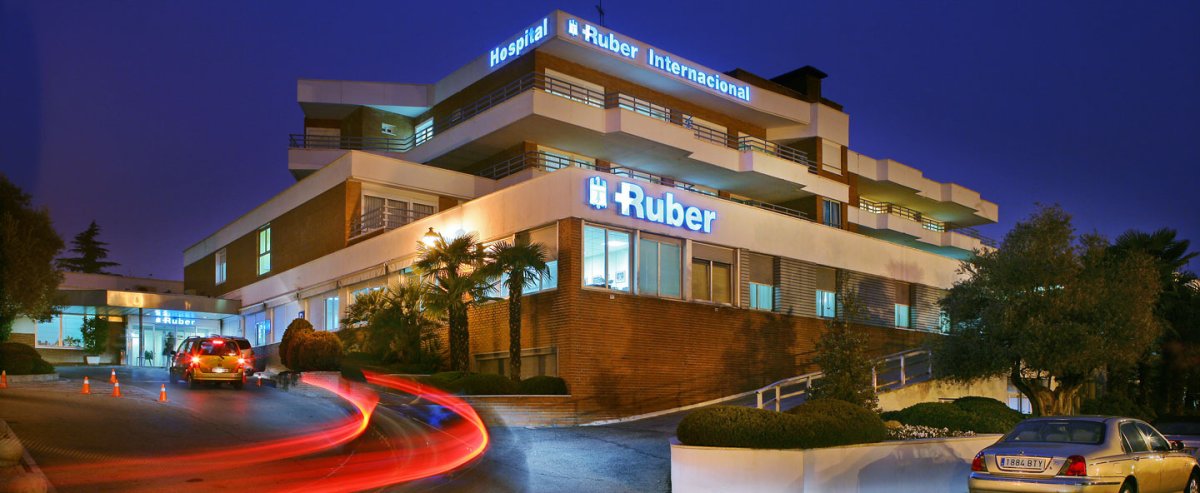


Hospital Sant Joan de Déu Barcelona



Hospital Quiron Barcelona
Antonio Alcaraz








GenesisCare Clinics


Obtenga una evaluación médica para Cáncer testicular en España: consulte con doctores experimentados ahora
Ver todos los médicos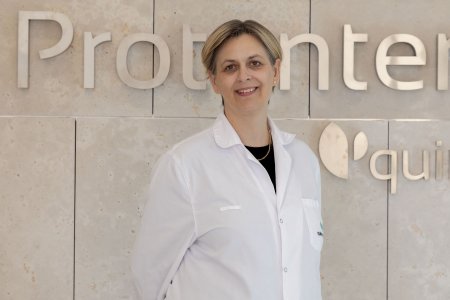
Stephanie Lilianne E Bolle
La Dra. Stephanie Lilianne E. Bolle es oncóloga radioterápica y jefa de Oncología Radioterápica del Centro de Protonterapia de Quirónsalud en Madrid. Dirige el departamento desde julio de 2024. Es el primer centro de protonterapia de España.
Doctora en Medicina, Universidad de Lieja (1998). Especialista en Oncología Radioterápica (2003). Es miembro activo de la Sociedad Europea de Oncología Pediátrica y colabora con su Grupo de Tumores Cerebrales y el Grupo de Trabajo de Oncología Radi
Antonio Alcaraz
38 años especializado en oncología urológica – El Dr. Alcaraz ha realizado más de 500 cirugías de cánceres urogenitales, incluyendo técnicas mínimamente invasivas.
- Experto en cirugía asistida por robot utilizando el sistema Da Vinci
- Especializado en el tratamiento del cáncer de próstata y cáncer de testículo
- Jefe de Urología en el Centro Médico Teknon de Barcelona
- Miembro de la Asociación Europea de Urología y la Asociación Americana de Urología

José Pascual Rebollo Liceaga
El Dr. Joseba Rebollo Liceaga aporta más de _doctor_9719_ años de experiencia en oncología, especializándose en cáncer testicular en Quironsalud Torrevieja.
- Jefe de Oncología en la Clínica San Miguel de Navarra durante _doctor_9719_ años
- Especialista en Oncología Médica por la Clínica Universidad de Navarra
- Autor de investigaciones sobre electroquimioterapia y tratamientos multidisciplinares
- Actualmente ejerce en Quirónsalud Alicante
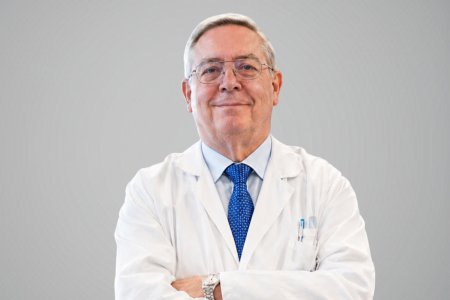
Jesús Moreno Sierra
El Dr. Jesús Moreno Sierra es cirujano urológico en el Hospital Memorial Publio Cordón de Madrid. Trata cánceres de próstata, vejiga y riñón mediante cirugía robótica. El Dr. Moreno Sierra trabaja en un centro acreditado por la JCI que cumple con los estándares internacionales de seguridad y calidad.
- Realiza prostatectomías y nefrectomías robóticas utilizando el sistema quirúrgico Da Vinci.
- Trata casos oncológicos, incluyendo cáncer testicular y neoplasias malignas de vejig
Artículos relacionados

Guía de costos del tratamiento de cáncer testicular: precios y mejores hospitales
Escrito por Anna Leonova
Compartir contenido
Historias en video de pacientes de Bookimed
 Olena Sikoza
Preguntas frecuentes sobre el tratamiento de Cáncer testicular en España
¿Cuál es la tasa de éxito del tratamiento del cáncer testicular en España?
España reporta una tasa de supervivencia a 5 años excepcional de aproximadamente el 95% para pacientes con cáncer testicular. El éxito del tratamiento alcanza el 100% en etapas localizadas. Los centros españoles acreditados como el Centro Médico Teknon y la Clínica Universidad de Navarra siguen protocolos oncológicos europeos unificados para garantizar resultados consistentes.
- Éxito en etapa 1: La detección temprana resulta en tasas de supervivencia entre el 95% y el 100%.
- Éxito en etapa avanzada: Los casos metastásicos aún logran altas tasas de curación que superan el 75% al 80%.
- Experiencia especializada: Cirujanos como el Dr. Antonio Alcaraz realizan un alto volumen de intervenciones utilizando la robótica Da Vinci.
- Tipificación tumoral: Los tumores seminomas responden excepcionalmente bien con tasas de curación a menudo superiores al 95%.
Perspectiva del experto de Bookimed: Los datos muestran que España ocupa el quinto lugar mundial en solicitudes médicas en nuestra red. Un patrón clave es la colaboración entre centros privados españoles y las principales instituciones estadounidenses. Por ejemplo, el Hospital Quirón Barcelona trabaja con el Instituto de Oncología Baselga. Esto asegura que los pacientes accedan a ensayos clínicos y protocolos avanzados a menudo no disponibles en entornos estándar.
Consenso de los pac
¿Qué tipos de tratamiento están disponibles en España para el cáncer testicular?
España ofrece una atención integral para el cáncer testicular centrada en la orquiectomía inguinal radical y terapias sistémicas multidisciplinarias. Los centros oncológicos ofrecen opciones quirúrgicas avanzadas como la linfadenectomía asistida por robot Da Vinci. Los urólogos y oncólogos médicos especialistas siguen las directrices europeas para ofrecer planes personalizados que incluyen quimioterapia y radiación precisa.
- Extirpación quirúrgica: La orquiectomía inguinal radical sigue siendo el estándar de oro para la extirpación del tumor.
- Sistemas robóticos: Clínicas como Quiron Barcelona utilizan Da Vinci para la disección de ganglios mínimamente invasiva.
- Protocolos de quimioterapia: Los equipos de oncología suelen utilizar ciclos basados en platino como el BEP para casos metastásicos.
- Urólogos expertos: El Dr. Antonio Alcaraz aporta más de 30 años de experiencia quirúrgica.
Opinión de expertos de Bookimed: Aunque muchos centros ofrecen la orquiectomía estándar, las clínicas de primer nivel de Barcelona, como el Centro Médico Teknon y Quiron Barcelona, realizan más de 23.000 operaciones al año. Este alto volumen a menudo conduce a un mejor acceso a técnicas de preservación de órganos y a un seguimiento andrológico especializado. Para los casos de no seminoma que requieren cirugía abdominal compleja, elegir un centro acreditado por
¿Qué tecnologías avanzadas utilizan las clínicas españolas durante el tratamiento?
Las clínicas españolas utilizan sistemas robóticos avanzados como Da Vinci para cirugías urológicas de alta precisión y PET-CT para una estadificación precisa del cáncer. Centros como el Centro Médico Teknon y el Hospital Quiron Barcelona integran protocolos acreditados por la JCI. Estos centros ofrecen tratamientos especializados, incluyendo linfadenectomía asistida por robot y radioterapia dirigida.
- Sistemas robóticos: Los cirujanos utilizan Da Vinci para cirugías precisas y mínimamente invasivas de cáncer testicular.
- Imagenología avanzada: El PET-CT y la resonancia magnética proporcionan un mapeo detallado para una estadificación precisa del tumor y seguimiento.
- Tecnología de radioterapia: Las clínicas GenesisCare emplean tomoterapia y CyberKnife para la destrucción localizada y no invasiva de tumores.
- Investigación clínica: Quironsalud Madrid ofrece acceso a terapias basadas en ensayos para casos oncológicos complejos.
Perspectiva del experto de Bookimed: Los centros oncológicos españoles como el Hospital Quiron Barcelona aprovechan un alto volumen de 40.000 pacientes anuales para perfeccionar las técnicas robóticas. El Dr. Antonio Alcaraz ha realizado más de 500 operaciones utilizando el sistema Da Vinci. Esta experiencia concentrada sugiere que los departamentos de urología especializados en Barcelona ofrecen una mayor competencia
¿Afectará el tratamiento a mi fertilidad y puedo preservar esperma en España?
Los tratamientos contra el cáncer testicular, como la quimioterapia y la radioterapia, a menudo afectan la producción de esperma o causan daños nerviosos. La ley española, específicamente la Ley de Reproducción Humana Asistida, permite la criopreservación de esperma de por vida. Las clínicas especializadas en España priorizan a los pacientes oncológicos para garantizar que las muestras se conserven antes de que comience la terapia médica.
- Prioridad en oncofertilidad: Las clínicas españolas aceleran el proceso de banco de esperma para evitar retrasar la terapia contra el cáncer.
- Leyes de almacenamiento: La ley española permite el almacenamiento de muestras de por vida sin riesgo de deterioro de la calidad.
- Procedimientos avanzados: Especialistas como el Dr. Antonio Alcaraz utilizan sistemas robóticos para cirugías con preservación de nervios.
- Infraestructura clínica: Centros como el Hospital Quiron Barcelona ofrecen servicios integrados de reproducción asistida y oncología.
Perspectiva del experto de Bookimed: Aunque muchos pacientes se centran en la cirugía en sí, nuestros datos muestran que los centros de alto volumen como el Centro Médico Teknon o la Clínica Universidad de Navarra ofrecen una ventaja significativa para la salud a largo plazo. Estas instituciones atienden hasta 700,000 pacientes al año y combinan la oncología con labo
¿Perderé mi deseo sexual o necesitaré terapia de reemplazo hormonal de por vida?
El tratamiento del cáncer testicular en España suele preservar el deseo sexual y la función hormonal. Un testículo sano suele producir suficiente testosterona para una libido normal. Rara vez se requiere terapia de reemplazo hormonal a largo plazo. Los especialistas utilizan técnicas de preservación nerviosa durante la linfadenectomía para proteger la función sexual y la sensibilidad.
- Estabilidad hormonal: Un testículo restante mantiene niveles suficientes de testosterona para la mayoría de los pacientes.
- Precisión quirúrgica: Los cirujanos utilizan sistemas robóticos Da Vinci para procedimientos mínimamente invasivos y de preservación nerviosa.
- Monitoreo del tratamiento: Los oncólogos realizan un seguimiento de los niveles de testosterona, LH y FSH durante las citas de control regulares.
- Protección de la fertilidad: Los médicos recomiendan la criopreservación de esperma antes de comenzar la quimioterapia o cirugías abdominales extensas.
Perspectiva del experto de Bookimed: Los centros oncológicos españoles como el Centro Médico Teknon y el Hospital Quiron Barcelona integran la cirugía asistida por robot en la atención urológica. El Dr. Antonio Alcaraz, quien ha realizado más de 500 operaciones exitosas, utiliza el sistema Da Vinci para minimizar el daño tisular. Esta tecnología de alta precisión es clave para preservar los nervios resp
¿Cuáles son los mejores centros de España para el tratamiento del cáncer testicular?
España cuenta con centros acreditados por la JCI como el Centro Médico Teknon y la Clínica Universidad de Navarra, especializados en cáncer testicular. Estas instalaciones ofrecen orquiectomía avanzada, linfadenectomía asistida por robot y diagnóstico molecular. Los urólogos líderes utilizan el sistema Da Vinci para garantizar una extirpación precisa del tumor y una recuperación rápida.
- Experiencia en robótica: El Dr. Antonio Alcaraz realiza cirugías uro-oncológicas complejas utilizando técnicas asistidas por robot.
- Especialidad pediátrica: El SJD Barcelona Children Hospital proporciona atención molecular especializada para el cáncer testicular en adolescentes.
- Oncología integral: Quiron Barcelona integra el diagnóstico molecular con el prestigioso Baselga Institute of Oncology.
- Excelencia académica: La Clínica Universidad de Navarra está clasificada entre los mejores hospitales privados de España.
Perspectiva del experto de Bookimed: Aunque muchos eligen clínicas según la ciudad, el volumen de tumores de células germinales tratados es un indicador de calidad más sólido. La Clínica Universidad de Navarra ha atendido a más de 700.000 pacientes internacionales, lo que sugiere una base de datos diagnóstica masiva. Esta experiencia a menudo conduce a una estadificación más precisa para casos de seminoma y no seminoma en comparación con cent
¿Con qué rapidez puede comenzar el tratamiento para pacientes privados internacionales en España?
Los pacientes privados internacionales en España comienzan el diagnóstico de cáncer testicular en un plazo de 24 a 72 horas. La cirugía o la quimioterapia suelen comenzar en un plazo de 1 a 2 semanas. Los hospitales privados evitan las listas de espera públicas para proporcionar un acceso rápido. Los centros altamente especializados completan los diagnósticos completos en menos de 2 días.
- Velocidad de diagnóstico: Los diagnósticos completos de 360 grados, incluyendo PET-TC y resonancia magnética, a menudo se terminan en 48 horas.
- Cronograma quirúrgico: Los procedimientos como la orquiectomía o la linfadenectomía asistida por robot suelen realizarse en un plazo de 7 a 14 días.
- Acceso directo: Los pacientes privados reservan directamente con oncólogos especializados sin necesidad de una derivación de un médico de cabecera.
- Apoyo administrativo: Los departamentos internacionales dedicados en grandes redes como Quirónsalud agilizan el papeleo y la logística.
Perspectiva del experto de Bookimed: El alto volumen de pacientes oncológicos en España crea un patrón de eficiencia único. Clínicas como el Hospital Quiron Barcelona y el Centro Médico Teknon gestionan más de 20.000 operaciones al año. Esta carga clínica permite a cirujanos como el Dr. Antonio Alcaraz, con más de 30 años de experiencia, mantener vías quirúrgicas optimizadas que muchos