Craneoestenosis Tratamiento en Alemania — Costos 2026


Revisado médicamente por
Fahad Mawlood
¿Cuál es el precio del diagnóstico y los tratamientos de Craneoestenosis en Alemania? Descubra ahora
Sus beneficios y garantías con Bookimed
Precios directos
Bookimed no añade cargos extra a los precios de los tratamientos de Craneoestenosis. Las tarifas proceden de las listas de precios oficiales de las clínicas. Pagará directamente en la clínica por su tratamiento a su llegada al país.
Sólo clínicas y médicos verificados
Bookimed está comprometido con su seguridad. Solo trabajamos con las clínicas que mantienen altos estándares internacionales en el tratamiento de Craneoestenosis y cuentan con las licencias necesarias para atender a pacientes internacionales en todo el mundo.
Asistencia 24/7 gratuita
Bookimed ofrece asistencia experta gratuita. Un coordinador médico personal le apoya antes, durante y después de su tratamiento, resolviendo cualquier problema. Nunca estará solo en su viaje médico de tratamiento de Craneoestenosis.

Su coordinador médico personal de Bookimed
- Le apoya en cada etapa
- Ayuda a elegir la clínica y el médico adecuados
- Asegura un acceso rápido y conveniente a la información
Descubra las mejores clínicas de tratamiento de Craneoestenosis en Alemania: 8 opciones verificadas y Precios












Obtenga una evaluación médica para Craneoestenosis en Alemania: consulte con doctores experimentados ahora
Ver todos los médicos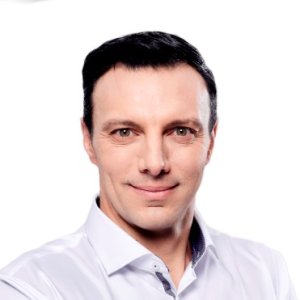
Elias Lemonas

Peter Vajkoczy
El Prof. Vajkoczy dirige el Departamento de Neurocirugía de la Charité, uno de los mejores hospitales de Europa, donde se realizan más de 4.000 neurocirugías al año.
- Especializado en trastornos cerebrovasculares y tumores cerebrales
- Galardonado con el premio a la investigación para jóvenes neurocirujanos
- Jefe de Neurocirugía desde 2008
- Formado en la Universidad Ludwig Maximilian de Múnich
Compartir contenido
Historias en video de pacientes de Bookimed
 Olena Sikoza
Preguntas frecuentes sobre el tratamiento de Craneoestenosis en Alemania
¿Qué tipos de cirugía de craneoestenosis están disponibles en Alemania?
Las clínicas alemanas ofrecen opciones quirúrgicas avanzadas para la craneoestenosis adaptadas a la edad del niño. Los tratamientos estándar incluyen la suturectomía endoscópica mínimamente invasiva para bebés menores de 6 meses. Los niños mayores suelen recibir una remodelación abierta de la bóveda craneal. Los procedimientos se llevan a cabo en hospitales universitarios especializados y centros neuroquirúrgicos certificados.
- Suturectomía endoscópica: Incisiones mínimas permiten la extracción ósea en bebés menores de 6 meses.
- Terapia con casco: El moldeado postoperatorio guía el crecimiento del cráneo tras procedimientos mínimamente invasivos.
- Remodelación de la bóveda craneal: Cirugía reconstructiva abierta que remodela el cráneo en casos de mayor edad o complejidad.
- Avance fronto-orbitario: Técnica especializada para corregir las estructuras óseas de la frente y las cuencas oculares.
Perspectiva del experto de Bookimed: Enfóquese en hospitales afiliados a universidades como Charité o Essen para estos casos pediátricos complejos. Estos centros gestionan grandes volúmenes de pacientes; Charité atiende a más de 800,000 pacientes al año. El Prof. Dr. Peter Vajkoczy en Charité lidera un equipo que realiza más de 4,000 neurocirugías al año. Este alto volumen a menudo se correlaciona con una mayor precisión quirúrgica en delicadas reconstru
¿Qué tan seguras son las operaciones de craneoestenosis en los hospitales alemanes?
Las operaciones de craneoestenosis en los hospitales alemanes son excepcionalmente seguras, con tasas de supervivencia superiores al 99% en centros especializados. La neurocirugía pediátrica avanzada y los protocolos estandarizados hacen que las complicaciones graves sean poco frecuentes. La seguridad es máxima en los hospitales universitarios de gran volumen, donde los equipos multidisciplinarios gestionan eficazmente los riesgos de las intervenciones tempranas.
- Seguridad del procedimiento: Las clínicas alemanas reportan una tasa de éxito del 99% en las intervenciones de craneoestenosis.
- Riesgo mínimamente invasivo: Los enfoques endoscópicos para bebés menores de 4 meses reducen significativamente la necesidad de transfusiones.
- Gestión de complicaciones: Equipos especializados de cuidados intensivos gestionan la inflamación perioperatoria leve en el 8% de los casos.
- Equipos quirúrgicos expertos: El personal de la Charité Berlin realiza más de 4,000 neurocirugías al año bajo la dirección del Prof. Dr. Peter Vajkoczy.
Perspectiva de expertos de Bookimed: Los hospitales universitarios alemanes como la Charité Berlin o Essen ofrecen un margen de seguridad debido a que tratan a más de 370,000 pacientes cada año. Estas instalaciones mantienen más de 3,000 camas y más de 50 departamentos en espera. Esta infraestructura masiva garantiza el acc
¿Se utilizan la planificación 3D y la IA para la reconstrucción craneal en Alemania?
Las clínicas alemanas utilizan la planificación 3D y la IA para una reconstrucción craneal precisa y el tratamiento de la craneoestenosis. Los cirujanos utilizan el mapeo quirúrgico virtual para crear implantes específicos para cada paciente a partir de datos de TC. Centros líderes como el Hospital Universitario de Essen y la Charité de Berlín integran la IA para automatizar el diseño de implantes y mejorar la precisión quirúrgica.
- Mapeo virtual: El software convierte escaneos 2D en modelos digitales 3D detallados del cráneo.
- Reflejo simétrico: Las herramientas impulsadas por IA reflejan secciones sanas del cráneo para diseñar implantes perfectamente proporcionados.
- Materiales biocompatibles: Los implantes personalizados se imprimen en 3D utilizando titanio, PEEK o polímeros médicos.
- Navegación intraoperatoria: Los cirujanos utilizan planes 3D con seguimiento en tiempo real para una precisión de colocación submilimétrica.
Perspectiva del experto de Bookimed: Alemania ocupa un lugar destacado a nivel mundial en neurocirugía porque centros universitarios como la Charité de Berlín y el Hospital Universitario de Essen combinan grandes volúmenes de pacientes con la investigación en IA. Aunque muchas clínicas ofrecen modelado 3D, estas instituciones académicas utilizan la IA para reducir el tiempo de diseño de implantes de 45 minutos a menos
¿Quién forma el equipo de tratamiento para la craneoestenosis en Alemania?
Los equipos alemanes de tratamiento de la craneoestenosis en hospitales universitarios están formados por expertos craneofaciales interdisciplinarios. Un neurocirujano y un cirujano maxilofacial siempre lideran la fase quirúrgica. Trabajan con anestesiólogos pediátricos para gestionar los niveles de líquidos. Este enfoque colaborativo garantiza tanto la protección cerebral como la simetría del cráneo.
- Neurocirujano principal: Gestiona la seguridad cerebral y el control de la presión intracraneal.
- Cirujano craneofacial: Reconstruye el esqueleto facial y restaura la simetría del cráneo.
- Anestesiólogo pediátrico: Supervisa el volumen sanguíneo y el dolor durante procedimientos largos.
- Genetista humano: Identifica mutaciones subyacentes en casos sindrómicos como el síndrome de Apert.
Perspectiva de expertos de Bookimed: Los datos de la Charité - Universitätsmedizin Berlin muestran que su equipo de neurocirugía realiza más de 4.000 procedimientos al año. Un alto volumen quirúrgico es un indicador de calidad crítico en Alemania. En las mejores clínicas, neurocirujanos pediátricos como el Prof. Dr. Med. Peter Vajkoczy colaboran con hasta 100 departamentos especializados. Esta profundidad de integración garantiza que especialistas, desde oftalmología hasta asesoramiento genético, estén disponibles en el mismo edificio.
Consenso d
¿Qué hospitales alemanes son los más recomendados para la cirugía craneal pediátrica compleja?
Charité – Universitätsmedizin Berlin y el Hospital Universitario de Heidelberg son los más recomendados para la cirugía craneal pediátrica compleja. Estas instituciones utilizan equipos multidisciplinarios de neurocirujanos y especialistas craneofaciales. Ofrecen planificación quirúrgica 3D avanzada para craneosinostosis y reconstrucciones de cráneo de alta complejidad en instalaciones acreditadas por la JCI.
- Charité Berlín: Líder con más de 4,000 neurocirugías anuales y apoyo especializado en subespecialidades pediátricas.
- Hospital Universitario de Heidelberg: Actúa como un importante centro europeo para la imagenología craneofacial reconstructiva.
- LMU Múnich: Colabora con hospitales infantiles especializados para afecciones craneales congénitas y tumores.
- Hospital Universitario de Friburgo: Gestiona defectos óseos craneales raros y anomalías complejas del sistema nervioso central.
Perspectiva del experto de Bookimed: Alemania ocupa el segundo lugar a nivel mundial en solicitudes de neurocirugía pediátrica, en gran parte debido a sus centros universitarios de alto volumen. Aunque Charité Berlín es el más famoso, el Hospital Universitario de Essen destaca por su infraestructura digital. Utiliza IA y edificios inteligentes para coordinar una planificación compleja. Algunas familias eligen clínicas como las de Renania del Norte-Westfalia
¿Qué se incluye habitualmente en un paquete médico para un niño internacional que se somete a una cirugía de craneosinostosis en Alemania?
Los paquetes médicos para la craneosinostosis en Alemania incluyen imágenes 3D preoperatorias, honorarios quirúrgicos y anestesia pediátrica. También cubren la hospitalización específica en salas especializadas y unidades de cuidados intensivos. Los servicios internacionales suelen proporcionar cartas de invitación para visas y asistencia de traducción para las familias durante la estancia del niño en el hospital.
- Imágenes de diagnóstico: Incluye tomografías computarizadas 3D o resonancias magnéticas para una planificación quirúrgica precisa.
- Intervención quirúrgica: Cubre los honorarios del neurocirujano, equipos multidisciplinarios y todos los materiales de quirófano.
- Estancia hospitalaria: Incluye generalmente de 7 a 14 días de monitoreo y atención hospitalaria.
- Alojamiento para padres: Los paquetes suelen proporcionar alojamiento y comida para un padre durante la recuperación.
- Apoyo logístico: Las inclusiones estándar cuentan con documentación de visa, traducción médica y traslados al aeropuerto.
Opinión de expertos de Bookimed: Las clínicas alemanas como la Charité de Berlín tratan a más de 5,600 niños al año utilizando precios fijos G-DRG. Aunque muchos esperan costos elevados por complicaciones, el sistema de depósito obligatorio a menudo resulta en reembolsos. Si un niño se recupera más rápido que el pe
¿Qué hospitales en Alemania tienen las calificaciones más altas en neurocirugía?
Alemania alberga algunos de los departamentos de neurocirugía más prestigiosos del mundo, liderados por la Charité – Universitätsmedizin Berlin y el Hospital Universitario de Heidelberg. Estos centros destacan en el tratamiento de tumores cerebrales complejos y enfermedades cerebrovasculares. Para maximizar la eficacia de sus procedimientos, utilizan tecnologías de vanguardia como la resonancia magnética intraoperatoria y la neuronavegación asistida por computadora.
- Charité Berlín: Realiza más de 5000 cirugías al año. La clínica está dirigida por el reconocido neurocirujano Dr. Peter Vaikoczy.
- Centro Médico Solingen: El Dr. Ralf Buhl ha realizado más de 4.000 cirugías, incluidas cirugías de columna mínimamente invasivas.
- Clínica Asklepios Nord: equipada con el único sistema de resonancia magnética intraoperatoria bilateral de Alemania para garantizar precisión quirúrgica en tiempo real durante la extirpación del tumor.
- Clínica Nordwest: reconocida por la revista Newsweek como un hospital líder por su innovación en tecnología de ultrasonido 3D.
Opinión experta de Bookimed: Los datos muestran que elegir centros con un alto volumen quirúrgico suele llevar a recomendaciones de tratamiento más conservadoras. En el Centro Médico Solingen, que atiende a más de 60.000 pacientes al año, los cirujanos suelen sugerir fisioterapia en lugar de cirugía
¿Cuáles son las tasas de éxito de los procedimientos neuroquirúrgicos complejos en Alemania?
En Alemania, los procedimientos neuroquirúrgicos de alta complejidad demuestran una seguridad excepcional. Las tasas de éxito en las fusiones espinales alcanzan el 99 %. La tasa de supervivencia en las resecciones de tumores cerebrales primarios es del 97 %. La independencia funcional es alta. Más del 82 % de los pacientes reciben el alta inmediatamente después del tratamiento. Los centros alemanes priorizan la preservación de la función neurológica mediante técnicas modernas de mapeo.
- Resección de tumores: los cirujanos logran una resección tumoral completa en el 87,2% de los casos de metástasis cerebrales.
- Éxito en el tratamiento de enfermedades vasculares: los hospitales alemanes informan de una tasa de supervivencia del 98,7% para aneurismas no rotos.
- Mejora del estado neurológico: casi el 43% de los pacientes experimentan una mejora de los parámetros funcionales después de resecciones complejas.
- Seguridad de las intervenciones quirúrgicas: En grandes centros quirúrgicos, las tasas de supervivencia de los pacientes después de la cirugía de columna son del 98-99%.
Opinión experta de Bookimed: Cirujanos experimentados como el Dr. Uwe Köhler, de la Clínica Asklepios Altona, realizan más de 2000 cirugías al año. Los datos muestran que estos especialistas mantienen tasas de éxito de hasta el 90 %, incluso en los tumores cerebrales más comp
¿Qué tecnologías avanzadas suelen estar disponibles en las clínicas neuroquirúrgicas alemanas?
Las clínicas neuroquirúrgicas alemanas incorporan regularmente instrumentos digitales de alta precisión y visualización en tiempo real a la práctica quirúrgica. Entre las tecnologías clave se encuentra la neuronavegación computarizada para cirugías de cerebro y médula espinal. Instituciones como la Clínica Asklepios Nord utilizan la resonancia magnética intraoperatoria para verificar la extirpación de tumores en tiempo real. Estos sistemas proporcionan a los cirujanos navegación GPS 3D.
- Neuronavegación: proporciona visualización 3D y seguimiento de instrumentos en tiempo real para lograr precisión quirúrgica hasta el nivel submilimétrico.
- Imágenes intraoperatorias: sistemas como iMRI y O-arm CT permiten la confirmación inmediata de una resección exitosa.
- Neuromonitorización: Monitorea las funciones motoras y sensoriales durante la cirugía para proteger el sistema nervioso.
- Diagnóstico de fluorescencia: se utiliza el colorante 5-ALA para resaltar los bordes del tumor para una eliminación más completa.
- Asistencia robótica: Sistemas como el Da Vinci mejoran la precisión en procedimientos complejos y mínimamente invasivos.
Opinión experta de Bookimed: Grandes centros como la Charité – Universitätsmedizin de Berlín realizan más de 4000 procedimientos neuroquirúrgicos al año, lo que crea un entorno rico en datos para p
¿Qué formación especializada reciben los neurocirujanos en ejercicio en Alemania?
En Alemania, los neurocirujanos deben completar una residencia especializada de seis años tras graduarse de la facultad de medicina. Este programa estructurado incluye cuidados intensivos, práctica clínica y una revista quirúrgica obligatoria. Posteriormente, los candidatos aprueban un examen estatal para obtener el título de residente (Facharzt für Neurochirurgie).
- Residencia clínica: requiere de 48 a 72 meses de práctica neuroquirúrgica especializada.
- Cuidados intensivos: incluye una pasantía obligatoria de 6 meses en una unidad de cuidados intensivos neuroquirúrgicos.
- Revista quirúrgica: los cirujanos documentan cientos de cirugías, incluidas craneotomías y cirugías de columna.
- Examen de licencia: Los solicitantes deben aprobar un examen médico oral y práctico administrado por el estado.
Opinión experta de Bookimed: La formación neuroquirúrgica alemana se centra en una amplia experiencia quirúrgica. Por ejemplo, el Dr. Ralf Buhl, del Centro Médico Solingen, ha realizado más de 4000 cirugías. El Dr. Jürgen Kiwit, del Hospital Meoklinik, cuenta con más de 25 años de experiencia. Este riguroso sistema garantiza que los especialistas de los principales centros aborden casos complejos con una precisión demostrada.
Comentarios de los pacientes: Los pacientes se sienten seguros al saber que sus médicos han recibido año