Craneoestenosis Tratamiento en India — Costos 2026


Revisado médicamente por
Fahad Mawlood
¿Cuál es el precio del diagnóstico y los tratamientos de Craneoestenosis en India? Descubra ahora
Sus beneficios y garantías con Bookimed
Precios directos
Bookimed no añade cargos extra a los precios de los tratamientos de Craneoestenosis. Las tarifas proceden de las listas de precios oficiales de las clínicas. Pagará directamente en la clínica por su tratamiento a su llegada al país.
Sólo clínicas y médicos verificados
Bookimed está comprometido con su seguridad. Solo trabajamos con las clínicas que mantienen altos estándares internacionales en el tratamiento de Craneoestenosis y cuentan con las licencias necesarias para atender a pacientes internacionales en todo el mundo.
Asistencia 24/7 gratuita
Bookimed ofrece asistencia experta gratuita. Un coordinador médico personal le apoya antes, durante y después de su tratamiento, resolviendo cualquier problema. Nunca estará solo en su viaje médico de tratamiento de Craneoestenosis.

Su coordinador médico personal de Bookimed
- Le apoya en cada etapa
- Ayuda a elegir la clínica y el médico adecuados
- Asegura un acceso rápido y conveniente a la información
Descubra las mejores clínicas de tratamiento de Craneoestenosis en India: 21 opciones verificadas y Precios










Dr. Rela Institute & Medical Centre
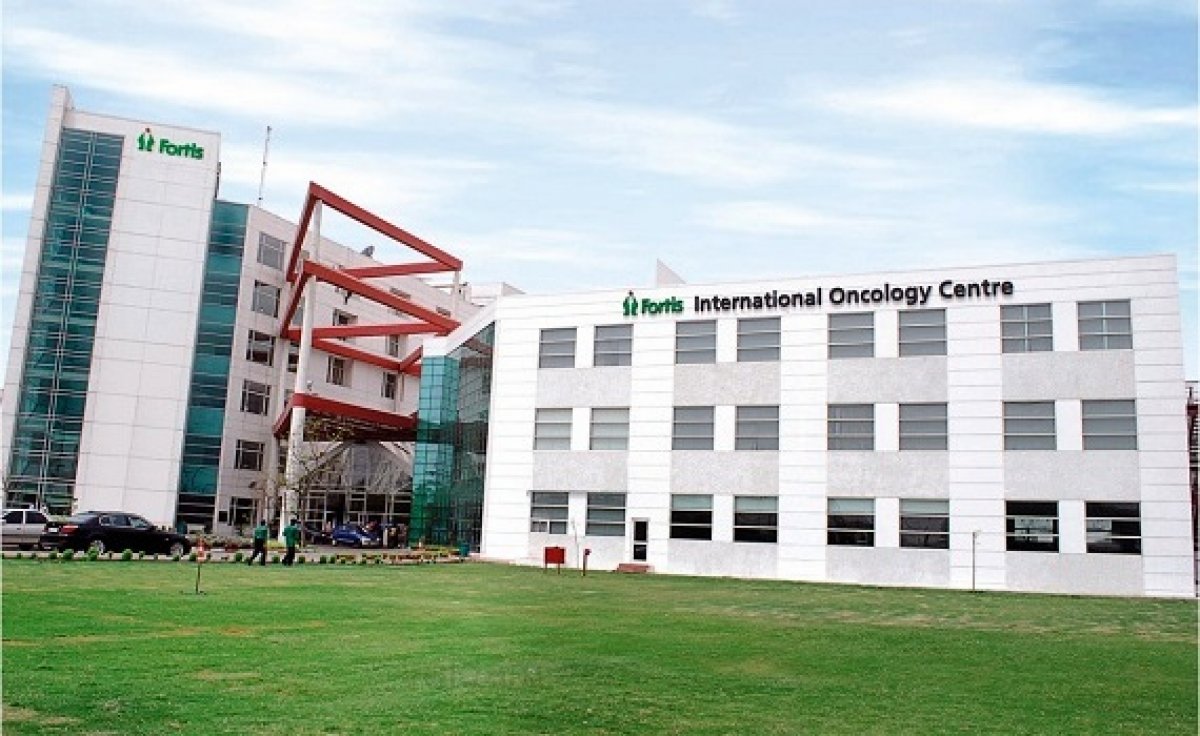
Hospital Fortis
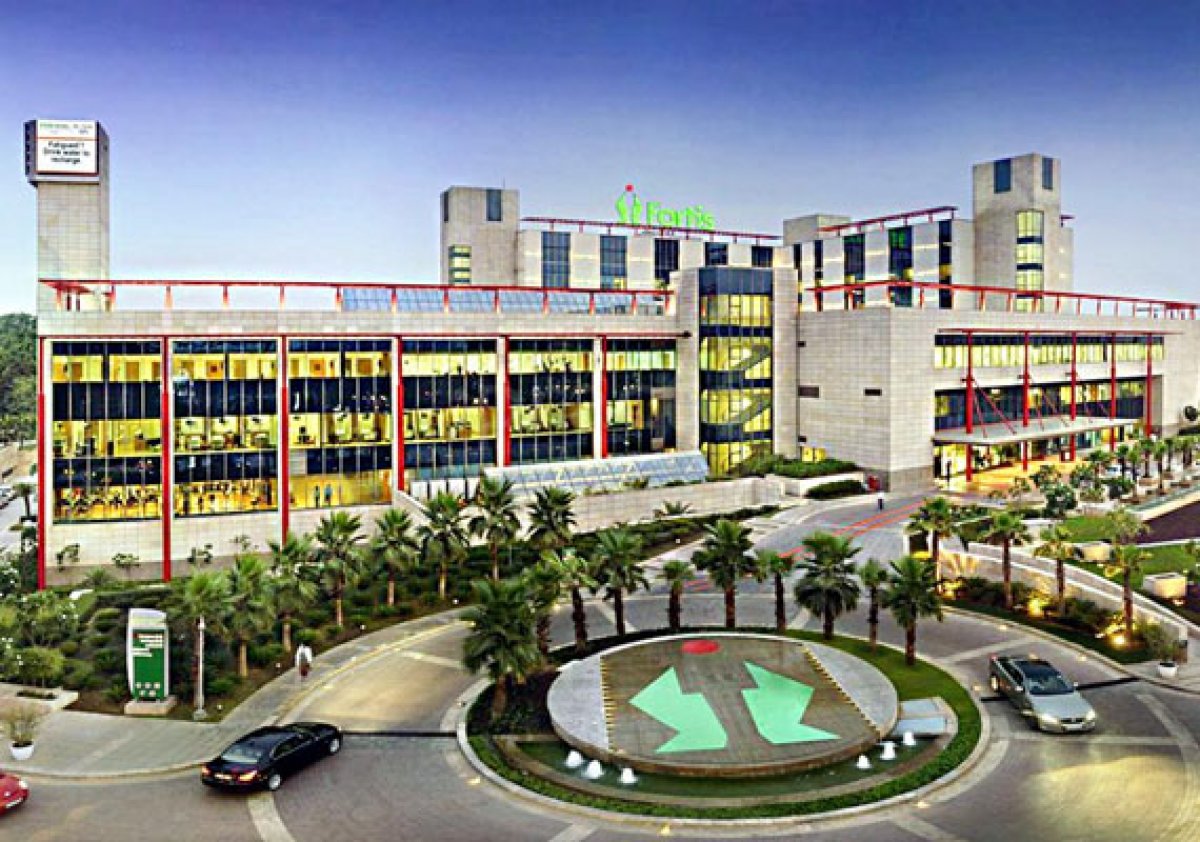
Instituto de Investigación Fortis Memorial
Compartir contenido
Historias en video de pacientes de Bookimed
 Olena Sikoza
Preguntas frecuentes sobre el tratamiento de Craneoestenosis en India
¿Cuál es la mejor edad para que mi hijo se someta a una cirugía de craneoestenosis en la India?
La mejor edad para la cirugía de craneoestenosis en la India suele oscilar entre los 3 y los 12 meses. Los especialistas recomiendan la intervención antes de los 12 meses. Este momento aprovecha el rápido crecimiento cerebral. Una cirugía temprana garantiza los mejores resultados estéticos. La mayoría de los centros indios siguen estrictos protocolos internacionales de neurocirugía pediátrica.
- Ventana de cirugía endoscópica: Se realiza mejor entre los 2 y 4 meses de edad.
- Ventana de reconstrucción abierta: Más común entre los 6 y 9 meses por seguridad.
- Maleabilidad ósea: Los bebés más pequeños tienen huesos más blandos que se remodelan mucho más fácilmente.
- Casos complejos: Los casos sindrómicos pueden requerir cirugía dentro de las primeras semanas.
Perspectiva del experto de Bookimed: Los hospitales Manipal y el Global Hospital Chennai manejan grandes volúmenes de casos complejos. Nuestros datos muestran que estas instalaciones priorizan la obtención de imágenes avanzadas como TC y RM desde el principio. El Instituto Dr. Rela incluso realiza trasplantes neonatales, lo que demuestra una alta precisión quirúrgica para los bebés. Elegir centros con capacidades de impresión 3D, como Aster CMI, puede mejorar la precisión quirúrgica para niños mayores.
Consenso de los pacientes: Los padres enfatizan que esperar puede
¿Qué pruebas diagnósticas realizará el hospital en la India?
Los hospitales en la India diagnostican la craneoestenosis mediante un examen físico seguido de tomografías computarizadas (TC) en 3D para identificar las suturas fusionadas. Los centros acreditados como el Dr. Rela Institute utilizan resonancias magnéticas y TC de alta resolución para la planificación quirúrgica. Los cirujanos también solicitan paneles sanguíneos y pruebas genéticas si sospechan de síndromes subyacentes.
- Examen clínico: Los especialistas evalúan la forma de la cabeza, el estado de la fontanela y la asimetría facial.
- TC 3D: Las imágenes de baja dosis confirman la fusión y guían una reconstrucción quirúrgica precisa.
- Evaluación oftalmológica: Los exámenes oculares verifican si hay aumento de la presión intracraneal o hinchazón del nervio óptico.
- Pruebas genéticas: Los análisis de sangre identifican mutaciones si existen múltiples suturas o anomalías en las extremidades.
- Laboratorios preoperatorios: El hemograma completo (CBC) y los perfiles de coagulación garantizan la seguridad quirúrgica.
Perspectiva del experto de Bookimed: Los hospitales indios como Manipal o Fortis Gurgaon manejan volúmenes masivos de pacientes, superando a menudo los 13,000 casos anuales. Esta escala significa que los neurocirujanos ven variaciones raras de craneoestenosis con más frecuencia que muchos homólogos occidental
¿Cuál es la tasa de éxito del tratamiento de la craneoestenosis en la India?
El tratamiento de la craneoestenosis en la India arroja resultados cosméticos y funcionales exitosos para el 85% al 95% de los pacientes. Los hospitales de atención terciaria informan una tasa de supervivencia superior al 99%. La mayoría de los procedimientos se realizan sin complicaciones. Los resultados son mejores cuando la cirugía se realiza entre los 3 y 6 meses de edad.
- Éxito clínico: Alrededor del 85% de los pacientes logran resultados de alto grado en la escala de Sloan.
- Tasa de supervivencia: Los principales institutos indios informan tasas de supervivencia entre el 99,2% y el 99,9%.
- Satisfacción de los padres: Las puntuaciones medias de satisfacción suelen aumentar de 5,1 a 9,1 después de la operación.
- Tasa de reoperación: La revisión es necesaria solo para el 7,7% de los casos de craneosinostosis no sindrómica.
Perspectiva del experto de Bookimed: Aunque la India cuenta con más de 10 centros acreditados importantes, el éxito a menudo depende del volumen de casos de la instalación especializada. Por ejemplo, el Dr. Rela Institute & Medical Centre se especializa en casos pediátricos complejos. El Global Hospital Chennai atiende a 80.000 pacientes al año. Elegir un centro de alto volumen en un área metropolitana garantiza el acceso a soporte de UCI pediátrica. Esto es vital para controlar eficazmente la presión intracraneal.
¿Pueden los niños tratados por craneoestenosis llevar una vida normal?
La mayoría de los niños con craneoestenosis llevan una vida sana y normal tras una corrección quirúrgica oportuna. La intervención temprana dentro del primer año es fundamental para un desarrollo cerebral óptimo. Una cirugía exitosa restaura eficazmente la forma del cráneo y previene complicaciones. Los niños suelen alcanzar todos los hitos del desarrollo típicos y tienen una esperanza de vida normal.
- Momento del tratamiento: Los mejores resultados se obtienen cuando la cirugía se realiza dentro de los primeros 12 meses.
- Desarrollo cognitivo: La mayoría de los niños con craneoestenosis no sindrómica alcanzan una inteligencia y un funcionamiento normales.
- Apariencia física: La cirugía craneofacial moderna restaura la forma natural de la cabeza con cicatrices quirúrgicas bien ocultas.
- Atención continua: Los chequeos periódicos aseguran que el cerebro y el cráneo sigan creciendo correctamente.
Perspectiva del experto de Bookimed: El volumen de pacientes es un fuerte indicador de la competencia quirúrgica en la India. Los hospitales Manipal atienden a 2.000.000 de pacientes al año y mantienen la acreditación NABH. Este alto volumen a menudo se correlaciona con técnicas quirúrgicas refinadas en neurocirugía pediátrica. El Dr. Rela Institute & Medical Centre incluso tiene un récord en cirugías hepáticas pediátricas complejas. Esta profund
¿Qué especialistas realizan la cirugía?
La cirugía de craneoestenosis en la India es realizada por un equipo multidisciplinario especializado. Un neurocirujano pediátrico suele encargarse de la apertura del cráneo y del trabajo intracraneal. Colabora con un cirujano craneofacial o plástico que lidera la fase reconstructiva para remodelar la cabeza y los huesos faciales del niño.
- Neurocirujano pediátrico: Gestiona la seguridad cerebral y abre las suturas fusionadas dentro del cráneo.
- Cirujano craneofacial: Remodela la estructura ósea para garantizar un crecimiento cerebral y una apariencia normales.
- Anestesiólogo pediátrico: Garantiza la seguridad y el manejo del dolor para los bebés durante procedimientos craneales complejos.
- Cirujano maxilofacial: Ayuda cuando las correcciones involucran la mandíbula o una reconstrucción ósea facial compleja.
Opinión del experto de Bookimed: Los centros terciarios indios como Fortis Gurgaon y Manipal Hospitals mantienen una infraestructura significativa para la neurocirugía compleja. Fortis Gurgaon está clasificado entre los hospitales técnicamente más avanzados a nivel mundial. Este entorno de alta tecnología es crucial porque la reparación exitosa de la craneoestenosis requiere una planificación quirúrgica en 3D. Instalaciones como Aster CMI incluso utilizan impresión 3D para modelar el cráneo antes de la primera incisión.
C
¿Cuánto tiempo permanecerá mi hijo en el hospital?
Las estancias hospitalarias para el tratamiento de la craneoestenosis en la India suelen durar de 3 a 7 días. La mayoría de los niños pasan 1 noche en la unidad de cuidados intensivos pediátricos para su observación. El alta depende de la estabilidad de los signos vitales, un control eficaz del dolor y la capacidad del niño para alimentarse sin dificultad.
- Tipo de procedimiento: Las reparaciones endoscópicas a menudo requieren de 1 a 3 días de atención hospitalaria.
- Enfoque quirúrgico: La remodelación abierta de la bóveda craneal suele requerir de 4 a 7 días de recuperación.
- Monitoreo clínico: Los médicos se centran en controlar la hinchazón de los ojos y realizar chequeos neurológicos después de la cirugía.
- Hitos de recuperación: El alta ocurre solo después de que el equipo quirúrgico confirma niveles de hidratación estables.
Perspectiva del experto de Bookimed: Elegir un centro de alto volumen como Manipal Hospitals o Global Hospital Chennai es crucial para la neurocirugía pediátrica compleja. Estos centros manejan miles de casos neuroquirúrgicos anualmente y a menudo tienen alas de recuperación pediátrica dedicadas. Los datos muestran que los complejos médicos indios más grandes con más de 1,000 camas proporcionan la infraestructura de cuidados intensivos pediátricos especializada necesaria para manejar eficazmente la hinchazón posto
¿Necesitará mi hijo usar un casco después de la cirugía?
El uso de casco después de una cirugía de craneosinostosis en la India depende totalmente de la técnica quirúrgica. Los procedimientos endoscópicos mínimamente invasivos suelen requerir cascos de moldeado personalizados. La reconstrucción tradicional abierta de la bóveda craneal remodela físicamente el cráneo durante la cirugía. Este enfoque estándar generalmente elimina la necesidad de terapia con casco postoperatoria.
- Cirugía endoscópica: Requiere cascos de moldeado personalizados para guiar el crecimiento cerebral hacia áreas planas.
- Horario de uso: Los bebés deben usar el dispositivo 23 horas al día para una formación efectiva.
- Duración del tratamiento: La terapia con casco generalmente dura entre 3 y 12 meses después de la cirugía.
- Reconstrucción abierta: Los cirujanos remodelan el cráneo inmediatamente, por lo que generalmente no se requieren cascos.
- Frecuencia de ajuste: Los padres visitan a un ortesista cada pocas semanas para los ajustes de crecimiento necesarios.
Perspectiva del experto de Bookimed: Aunque la cirugía robótica está disponible en los principales centros de la India como Medanta y Fortis Gurgaon, la elección de la terapia con casco depende más del tipo de incisión que de la tecnología utilizada. Los padres deben priorizar ciudades como Gurgaon o Bengaluru, donde los ortesistas especializ