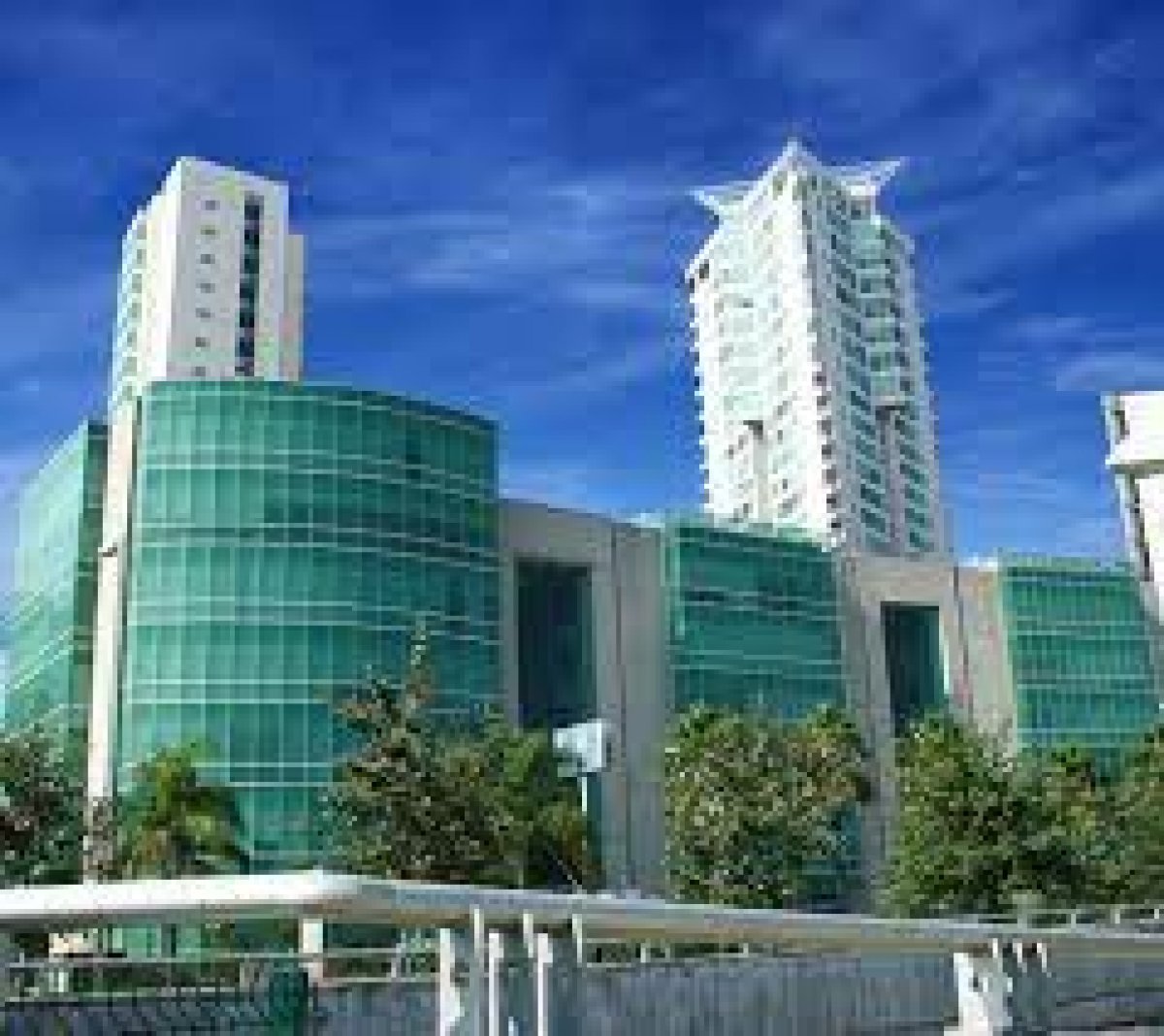
GDL Neurocirugía de Alta Especialidad
México, Guadalajara


Revisado médicamente por
Fahad Mawlood
Bookimed no añade cargos extra a los precios de los tratamientos de Craneoestenosis. Las tarifas proceden de las listas de precios oficiales de las clínicas. Pagará directamente en la clínica por su tratamiento a su llegada al país.
Bookimed está comprometido con su seguridad. Solo trabajamos con las clínicas que mantienen altos estándares internacionales en el tratamiento de Craneoestenosis y cuentan con las licencias necesarias para atender a pacientes internacionales en todo el mundo.
Bookimed ofrece asistencia experta gratuita. Un coordinador médico personal le apoya antes, durante y después de su tratamiento, resolviendo cualquier problema. Nunca estará solo en su viaje médico de tratamiento de Craneoestenosis.


El Dr. Karim Noe Zamora Amezcua es neurocirujano en GDL High Specialty Neurosurgery en Guadalajara. Trata afecciones del cerebro y la columna vertebral en adultos y niños. El Dr. Zamora Amezcua realiza neurocirugía vascular y neurooncología. Ejerce en una clínica que atiende aproximadamente a 700 pacientes al año.
 Olena Sikoza
La cirugía de craneosinostosis en México es segura cuando se realiza en centros de neurocirugía pediátrica de alto volumen. Las clínicas especializadas como GDL High Specialty Neurosurgery emplean neurocirujanos certificados. La seguridad depende de la disponibilidad de UCI pediátrica y la experiencia específica del equipo. Muchos centros ofrecen diagnósticos por TC avanzados y técnicas endoscópicas mínimamente invasivas.
Perspectiva del experto de Bookimed: Los datos muestran que las clínicas especializadas en Guadalajara, como GDL High Specialty Neurosurgery, se enfocan exclusivamente en casos de alta complejidad. Esta concentración de experiencia es un indicador de seguridad más fuerte que el tamaño general del hospital. El Dr. Karim Noe Zamora Amezcua representa una tendencia específica de cirujanos que se enfocan únicamente en su
Los neurocirujanos pediátricos mexicanos son especialistas altamente capacitados con 11 a 15 años de educación médica avanzada. Expertos como el Dr. Karim Noe Zamora Amezcua a menudo completan residencias de neurocirugía de 6 años y subespecialidades pediátricas. La mayoría están certificados por el Consejo Mexicano de Cirugía Neurológica para garantizar la seguridad.
Perspectiva del experto de Bookimed: El alto volumen de pacientes en clínicas especializadas en Guadalajara indica una experiencia práctica significativa. GDL High Specialty Neurosurgery maneja más de 650 casos al año con solo 2 médicos principales. Esta alta densidad de casos sugiere un nivel de experiencia que solo se encuentra en los principales centros quirúrgicos.
Consenso de los pacientes: Los padres recomiendan preguntar con qué frecuencia un cirujano trata específi
Los neurocirujanos en México realizan cirugía endoscópica mínimamente invasiva para la craneosinostosis en centros especializados. Esta técnica utiliza pequeñas incisiones para eliminar las suturas fusionadas. Es más efectiva en bebés menores de 6 meses. Por lo general, resulta en una menor pérdida de sangre y una recuperación más rápida.
Opinión de expertos de Bookimed: El centro GDL High Specialty Neurosurgery en Guadalajara atiende a 690 pacientes anualmente. Este volumen sugiere una alta experiencia neuroquirúrgica. El Dr. Karim Noe Zamora Amezcua representa el talento especializado disponible allí. Un alto volumen de pacientes a menudo se correlaciona con mejores resultados en procedimientos complejos en bebés.
Consenso de los pacientes: El momento oportuno es crítico porque la reparación endoscópica requiere una intervención temprana y el uso de un casco postoperator
La cirugía de craneoestenosis se realiza idealmente durante la primera infancia, específicamente entre los 3 y 6 meses de edad. Esta ventana permite enfoques endoscópicos mínimamente invasivos. La intervención temprana utiliza el rápido crecimiento cerebral para ayudar a remodelar el cráneo de forma natural. La evaluación por un especialista debe ocurrir inmediatamente ante la sospecha para confirmar el diagnóstico.
Perspectiva del experto de Bookimed: Aunque México tiene menos centros especializados en neurocirugía pediátrica, instalaciones como GDL High Specialty Neurosurgery en Guadalajara atienden a 690 pacientes anualmente. El alto volumen de pacientes en estas clínicas especializadas a menudo indica rutas de diagnóstico optimizadas. Seleccionar un centro con un neurocirujano dedicado, como el Dr. Karim Noe Zamora Amezcua, asegura q
Los niños pueden llevar una vida normal después de la cirugía de craneosinostosis. La mayoría de los pacientes logran un desarrollo cerebral estándar y alcanzan los hitos de crecimiento típicos. Una intervención oportuna asegura una expansión saludable del cráneo. Esto evita la presión sobre el cerebro y apoya la salud cognitiva. Los centros de neurocirugía mexicanos utilizan diagnósticos por TC avanzados para planificar estos procedimientos.
Perspectiva del experto de Bookimed: Las clínicas de neurocirugía pediátrica enfocadas como GDL High Specialty Neurosurgery en Guadalajara manejan un alto volumen de pacientes. Tratan a casi 700 pacientes al año. Esta alta frecuencia en casos neuroquirúrgicos específicos es un indicador clave de competencia quirúrgica. A menudo conduce a los resultados consistentes que los padres buscan cuando viajan para recibir atención. Especialistas como el Dr. Kari
Los padres suelen notar una forma anormal de la cabeza que persiste o empeora con el tiempo. Los signos clave incluyen crestas óseas visibles a lo largo de las suturas del cráneo y asimetría facial. Una fontanela que desaparece o una protuberancia inusual en la frente a menudo provoca una consulta profesional con especialistas como el Dr. Karim Noe Zamora Amezcua.
Perspectiva del experto de Bookimed: Los centros de neurocirugía mexicanos como GDL High Specialty Neurosurgery tratan a casi 700 pacientes al año. Los datos sugieren que las clínicas especializadas en Guadalajara se centran mucho en las tomografías computarizadas (TC) de diagnóstico temprano. Esto ayuda a distinguir las simples zonas planas de las fusiones de suturas complejas antes de que aumente la presión intracraneal.
Consenso de los pacientes: Muchos padres confunden inicialmente estos signos con un simple apl