Craneoestenosis Tratamiento en Israel — Costos 2026


Revisado médicamente por
Fahad Mawlood
¿Cuál es el precio del diagnóstico y los tratamientos de Craneoestenosis en Israel? Descubra ahora
Sus beneficios y garantías con Bookimed
Precios directos
Bookimed no añade cargos extra a los precios de los tratamientos de Craneoestenosis. Las tarifas proceden de las listas de precios oficiales de las clínicas. Pagará directamente en la clínica por su tratamiento a su llegada al país.
Sólo clínicas y médicos verificados
Bookimed está comprometido con su seguridad. Solo trabajamos con las clínicas que mantienen altos estándares internacionales en el tratamiento de Craneoestenosis y cuentan con las licencias necesarias para atender a pacientes internacionales en todo el mundo.
Asistencia 24/7 gratuita
Bookimed ofrece asistencia experta gratuita. Un coordinador médico personal le apoya antes, durante y después de su tratamiento, resolviendo cualquier problema. Nunca estará solo en su viaje médico de tratamiento de Craneoestenosis.

Su coordinador médico personal de Bookimed
- Le apoya en cada etapa
- Ayuda a elegir la clínica y el médico adecuados
- Asegura un acceso rápido y conveniente a la información
Descubra las mejores clínicas de tratamiento de Craneoestenosis en Israel: 3 opciones verificadas y Precios







Obtenga una evaluación médica de tratamiento de Craneoestenosis en Israel: haga una consulta con 9 médicos experimentados ahora
Ver todos los médicos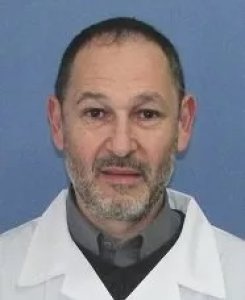
Zvi Cohen
El Prof. Zvi Cohen es director del Departamento de Neurocirugía y de la Unidad de Neurooncología del Centro Médico Sheba. Neurocirujano y experto en neurooncología, fue incluido en la lista de los Mejores Médicos 2025 de Forbes Israel. Lidera investigación clínica sobre terapias farmacológicas para tumores cerebrales malignos y fundó el banco de tejidos de tumores cerebrales de Sheba.
Es especialista certificado en neurocirugía. Se formó en la Universidad de Tel Aviv y realizó subespec

Roth Jonathan
El Dr. Roth es un neurocirujano líder con formación especializada y avanzada en las delicadas técnicas endoscópicas necesarias para la cirugía de cráneo en bebés.
- Beca en cirugía endoscópica de base de cráneo en el Cornell Medical Center
- Beca adicional en neurocirugía pediátrica en NYU Langone Health
- Miembro activo de las sociedades europea e internacional de neurocirugía pediátrica
- Doble especialización en neurocirugía y neurocirugía pediátrica
- Realiza procedimientos en el Centro Médico Sourasky (Ichilov)

Felix Bokstein
El Dr. Bokstein es el jefe de la Clínica de Neurooncología en el renombrado Centro Médico Sourasky (Ichilov).
- Dirige una clínica dedicada dentro de un hospital de primer nivel
- Posee una profunda experiencia en condiciones craneales complejas
- Acceso a equipos avanzados de neurocirugía y oncología del hospital
- Se centra en la atención integral y multidisciplinaria del paciente

Shlomi Constantini
El profesor Constantini es un líder en neurocirugía pediátrica, centrado en afecciones congénitas como la craneoestenosis en el Sourasky Medical Center.
- Especializado en operaciones craneales microquirúrgicas y reconstructivas para niños
- Formado en neuroendoscopia avanzada y microneurocirugía en toda Europa
- Poseedor del prestigioso premio Mahaly Best Clinical Research Award de la AANS
- Miembro de la Sociedad Europea de Neurocirugía Pediátrica (ESPN)
- Aporta experiencia en investigación sobre estudios cerebrales y neuroendoscopia
Compartir contenido
Historias en video de pacientes de Bookimed
 Olena Sikoza
Preguntas frecuentes sobre el tratamiento de Craneoestenosis en Israel
¿Cuáles son las principales opciones quirúrgicas para la craneoestenosis en Israel?
Las principales opciones quirúrgicas en Israel incluyen la suturectomía endoscópica mínimamente invasiva para bebés y la reconstrucción abierta tradicional de la bóveda craneal para niños mayores. Centros líderes como el Sourasky Medical Center y Hadassah utilizan imágenes 3D avanzadas para adaptar los procedimientos. Estos especialistas priorizan la intervención temprana para apoyar el desarrollo cerebral saludable.
- Cirugía endoscópica: Recomendada para bebés de 2 a 6 meses para minimizar cicatrices y pérdida de sangre.
- Reconstrucción de la bóveda craneal: Estándar para casos complejos o niños mayores de 6 meses para remodelar el hueso.
- Cirugía asistida por resortes: Resortes metálicos especializados expanden gradualmente el cráneo a través de pequeñas incisiones para permitir el crecimiento.
- Terapia con casco: Cascos de moldeo personalizados postoperatorios guían la forma del cráneo durante 6 a 12 meses después de la endoscopia.
Perspectiva del experto de Bookimed: La neurocirugía pediátrica israelí destaca debido al alto volumen de casos complejos manejados por líderes académicos. El profesor Shlomi Constantini en el Sourasky Medical Center se especializó en trastornos óseos neonatales. Esta profundidad de experiencia es crítica porque los centros de alto volumen que realizan más de 20 procedimientos al año suelen mantener tasas de é
¿Cuál es la edad óptima para la intervención quirúrgica?
La edad óptima para la cirugía de craneoestenosis es entre los 3 y 12 meses. La intervención temprana aprovecha el rápido crecimiento cerebral y la alta plasticidad del cráneo. La reparación endoscópica es ideal entre los 2 y 4 meses. La reconstrucción abierta, más invasiva, suele realizarse entre los 9 y 12 meses para obtener mejores resultados.
- Ventana endoscópica: Se realiza de forma óptima entre los 2 y 4 meses para una extracción mínimamente invasiva.
- Plasticidad sutural: La cirugía antes de los 6 meses utiliza la maleabilidad de los huesos para obtener resultados estéticos superiores.
- Riesgos de complejidad: Retrasar la operación más allá de los 12 meses aumenta la pérdida de sangre y las necesidades de transfusión.
- Momento del diagnóstico: Los cirujanos recomiendan tomografías computarizadas tempranas para planificar las intervenciones antes de que el cráneo se endurezca.
Perspectiva de expertos de Bookimed: Los centros médicos israelíes como Sourasky realizan más de 34.000 operaciones al año con gran éxito. El Prof. Dr. Shlomi Constantini se especializa en la estructura ósea neonatal e intervenciones reconstructivas. Su experiencia en neuroendoscopia avanzada permite incisiones más seguras y pequeñas en bebés menores de 6 meses. Elegir un centro de alto volumen en Tel Aviv garantiza el acceso a neurocirujanos pediátricos especia
¿Necesitará mi hijo un casco después de la cirugía?
Los requisitos de uso de casco dependen de la técnica quirúrgica elegida para la craneoestenosis. Los cirujanos en centros israelíes acreditados por la Joint Commission International (JCI) utilizan cascos de moldeo principalmente después de la cirugía endoscópica mínimamente invasiva. La remodelación abierta de la bóveda craneal generalmente logra la remodelación durante la operación, lo que hace que los cascos postoperatorios sean innecesarios.
- Mínimamente invasiva: La extracción endoscópica requiere un casco para guiar el crecimiento del cráneo.
- Cirugía abierta: La remodelación de la bóveda craneal remodela físicamente el hueso sin necesidad de cascos.
- Duración del uso del casco: El tratamiento suele durar entre 3 y 12 meses para los niños.
- Horario diario: Los niños suelen usar el casco personalizado durante 23 horas al día.
Perspectiva de expertos de Bookimed: Los neurocirujanos israelíes como el Prof. Shlomi Constantini del Sourasky Medical Center aprovechan una amplia formación en Europa y EE. UU. para ofrecer reconstrucciones tanto endoscópicas como abiertas. Los datos muestran que, si bien los paquetes endoscópicos pueden comenzar con costos quirúrgicos iniciales más bajos, requieren una inversión a largo plazo en ortesis personalizadas. Elegir un especialista con becas internacionales garantiza el acceso a un moldeo intraoperato
¿Cuáles son las tasas de éxito y seguridad reportadas en los centros israelíes?
Los centros israelíes de neurocirugía pediátrica reportan una tasa de seguridad del 95,5 al 95,6 % para intervenciones quirúrgicas según los puntos de referencia nacionales. Estas instalaciones mantienen tasas de supervivencia para procedimientos médicos mayores que superan los promedios globales de la OCDE. Centros como el Sheba Medical Center han alcanzado el 100 % de los objetivos de calidad nacionales.
- Seguridad del paciente: Una encuesta de 2025 indica que el 86 % de los pacientes se sienten seguros durante la hospitalización.
- Objetivos de calidad: El Sheba Medical Center alcanzó recientemente el 100 % de los indicadores de calidad médica nacionales.
- Clasificación hospitalaria: El Sourasky Medical Center es reconocido constantemente entre los mejores hospitales del mundo.
- Credenciales de expertos: Cirujanos como el Dr. Zvi Cohen son especialistas certificados y aparecen en las listas de Forbes.
Perspectiva del experto de Bookimed: La neurocirugía israelí destaca porque los directores principales a menudo tienen becas dobles de los principales centros de EE. UU. El Dr. Zvi Cohen del Sheba Medical Center recibió formación en MD Anderson y Beth Israel. Esta formación internacional de alto nivel explica por qué los hospitales israelíes cumplen sistemáticamente el 100 % de los objetivos de calidad nacionales.
Consenso de
¿Cuánto tiempo estaremos en el hospital?
Los pacientes suelen permanecer en hospitales israelíes de 3 a 7 días para una cirugía de craneoestenosis. La mayoría de los niños pasan las primeras 24 a 48 horas en la unidad de cuidados intensivos para su monitoreo. El alta depende de la estabilidad de los signos vitales, un manejo eficaz del dolor y la capacidad del niño para alimentarse adecuadamente.
- Cuidados intensivos: Los primeros 1 a 2 días se centran en controlar la hinchazón y los signos vitales después de la cirugía.
- Mínimamente invasiva: Los procedimientos endoscópicos a menudo permiten una estancia más corta de menos de 72 horas.
- Remodelación craneal: La cirugía reconstructiva abierta generalmente requiere una estancia hospitalaria completa de 5 días.
- Hitos de recuperación: El alta ocurre una vez que el equipo médico confirma una alimentación y actividad estables.
Perspectiva de expertos de Bookimed: Si bien muchos padres se centran en la duración de la cirugía, la elección entre clínicas como Sourasky o Hadassah a menudo depende de la especialización en técnicas endoscópicas frente a las abiertas. El profesor Shlomi Constantini en Sourasky se especializa en trastornos óseos neonatales y neuroendoscopia. Elegir un cirujano con esta doble experiencia específica puede reducir potencialmente las estancias hospitalarias en 2 días en comparación con los métodos abiertos tradic
¿Qué hospitales israelíes se especializan en el tratamiento de la craneoestenosis?
Israel se especializa en el tratamiento de la craneoestenosis en centros acreditados por la JCI como el Sourasky Medical Center y el Shaare Zedek Medical Center. Estas instalaciones utilizan modelado cerebral en 3D para una planificación quirúrgica precisa. Neurocirujanos expertos realizan intervenciones reconstructivas complejas. Entre los especialistas destacados se encuentran el Dr. Shlomi Constantini y el Dr. Jonathan Roth.
- Neurocirugía especializada: Sourasky trata a más de 11,000 niños al año con un enfoque en trastornos óseos.
- Credenciales de expertos: Cirujanos como el Dr. Shlomi Constantini son miembros de la ESPN y la ISPN.
- Diagnóstico avanzado: Los protocolos incluyen consultas neuroquirúrgicas y tomografías computarizadas de alta resolución de los senos paranasales.
- Precisión quirúrgica: Los equipos realizan operaciones microquirúrgicas e intervenciones reconstructivas complejas para trastornos neonatales.
Perspectiva del experto de Bookimed: Aunque muchos buscan la reputación general del hospital, el enfoque específico del cirujano en la estructura ósea neonatal es más importante. El Dr. Shlomi Constantini en el Sourasky Medical Center se especializa específicamente en trastornos congénitos de la estructura ósea. Tiene un índice H de 29. Este nivel de enfoque académico y clínico es raro. A menudo resulta en una mayor precis
¿Pueden los niños tratados por craneoestenosis esperar una vida normal?
Los niños tratados por craneoestenosis pueden esperar una vida normal con un desarrollo físico y cognitivo adecuado. La intervención quirúrgica temprana permite que el cerebro crezca sin restricciones. La mayoría de los niños tratados alcanzan una inteligencia típica. Participan en deportes y siguen trayectorias educativas estándar sin limitaciones médicas a largo plazo.
- Intervención temprana: La cirugía antes de los 12 meses garantiza los mejores resultados funcionales y estéticos.
- Métodos de tratamiento: Los centros israelíes utilizan la extracción endoscópica mínimamente invasiva o la craneotomía reconstructiva.
- Protección cerebral: La corrección oportuna del cráneo alivia la presión intracraneal para prevenir retrasos en el desarrollo.
- Cirujanos expertos: Especialistas como el profesor Shlomi Constantini se centran específicamente en los trastornos óseos congénitos.
Perspectiva de expertos de Bookimed: Los departamentos de neurocirugía israelíes, como el Sourasky Medical Center, integran la resonancia magnética intraoperatoria y sistemas de navegación en casos pediátricos. Esta tecnología permite a los cirujanos verificar la corrección de la estructura del cráneo en tiempo real. Esta precisión es la razón por la que los centros especializados reportan altas tasas de éxito en intervenciones reconstructivas complejas. Para los padres,
¿Por qué Israel es uno de los principales destinos para la neurocirugía?
Israel es un centro líder en neurocirugía gracias a su combinación de avances médicos de alta tecnología y una experiencia quirúrgica de primer nivel. Instalaciones avanzadas como el Centro Médico Sheba utilizan sistemas de navegación basados en IA y resonancia magnética intraoperatoria en tiempo real. Centros especializados reportan una tasa de éxito del 98% en procedimientos complejos, como la craneotomía con el paciente despierto y el tratamiento de trastornos del movimiento.
- Tecnología avanzada: Las clínicas utilizan ultrasonido enfocado guiado por resonancia magnética (MRgFUS) y sistemas robóticos para realizar incisiones.
- Experiencia quirúrgica: Cirujanos como el Dr. Zvi Ram lideran asociaciones internacionales con más de 25 años de experiencia.
- Acceso rápido: Los pacientes internacionales generalmente pueden programar cirugías complejas de cerebro o columna en un plazo de 2 a 4 semanas.
- Atención médica acreditada: Grandes centros como Sourasky (Ichilov) y Assuta están acreditados por la JCI, lo que confirma su seguridad.
Opinión experta de Bookimed: Los datos muestran una clara diferencia entre las opciones de tratamiento públicas y privadas en Israel. Centros privados, como el Centro Médico Assuta, realizan más de 92.000 cirugías al año y permiten a los pacientes elegir a un cirujano líder específico. Esto supone una ventaja signi
¿Qué tipos de enfermedades neuroquirúrgicas se tratan en Israel?
Los neurocirujanos israelíes tratan una amplia gama de afecciones, desde tumores cerebrales y de médula espinal hasta trastornos funcionales complejos. Los centros especializados utilizan tecnologías de vanguardia, como el bisturí de rayos gamma, la estimulación cerebral profunda y la resonancia magnética intraoperatoria, para un diagnóstico altamente preciso de la epilepsia, la enfermedad de Parkinson y las patologías cerebrovasculares.
- Enfermedades oncológicas: tratamiento de gliomas, meningiomas y tumores hipofisarios mediante resección de la base del cráneo.
- Trastornos funcionales: tratamiento de la enfermedad de Parkinson y del temblor esencial mediante estimulación cerebral profunda.
- Patologías de columna: corrección de escoliosis, hernias discales y tumores espinales mediante sistemas robóticos.
- Tratamiento de las enfermedades cerebrovasculares: tratamiento quirúrgico de aneurismas cerebrales y malformaciones arteriovenosas mediante intervenciones endovasculares.
- Neurocirugía pediátrica: atención especializada en hidrocefalia y anomalías congénitas en centros pediátricos especializados.
Opinión experta de Bookimed: Los hospitales israelíes suelen combinar diversas especialidades para abordar casos complejos. En el Centro Médico Sourasky, neurocirujanos como el Dr. Zvi Lidar combinan neurocirugía y ortopedi
¿Qué hospitales en Israel son más conocidos por sus departamentos de neurocirugía?
Israel alberga centros neuroquirúrgicos de renombre mundial, como el Centro Médico Sourasky, el Centro Médico Sheba y el Centro Médico Hadassah. Estas instituciones son líderes mundiales en el tratamiento de tumores cerebrales complejos, enfermedades de la columna vertebral y trastornos del movimiento. Utilizan tecnologías de vanguardia como el bisturí de rayos gamma, sistemas robóticos y resonancia magnética intraoperatoria.
- Suraski (Ichilov): realiza más de 2.500 operaciones neuroquirúrgicas al año en Tel Aviv con una tasa de éxito del 98%.
- Centro Médico Sheba: clasificado entre los diez mejores hospitales del mundo, trata a 1,9 millones de pacientes al año.
- Centro Médico Hadassah: Nominado al Premio Nobel de la Paz. Líder en neurocirugía pediátrica y terapia génica.
- Centro Médico Assuta: el centro médico privado más grande de Israel. Especializado en cirugías mínimamente invasivas de columna y cerebro.
- Hospital Infantil Schneider: un centro líder en neurocirugía pediátrica que trata a 275.000 niños al año.
Opinión experta de Bookimed: Nuestros datos muestran que, si bien la mayoría de los pacientes buscan tratamiento en Tel Aviv, el Centro Médico Rambam en Haifa ofrece una atención única para neurotraumatismos. Cuenta con una unidad especializada en cuidados neurocríticos que atiende a aproximadamente un milló