Tratamiento de Craneoestenosis en Turquía — obtenga 3 coincidencias personalizadas de clínicas


Revisado médicamente por
Fahad Mawlood
Cómo funciona
¿Cuál es el precio del diagnóstico y los tratamientos de Craneoestenosis en Turquía? Descubra ahora
El costo total del tratamiento de la craneoestenosis en Turquía varía según el plan médico específico elegido. Una consulta con un neurocirujano cuesta aproximadamente 150 € a 190 €. La intervención quirúrgica para la craneosinostosis varía de 13,200 € a 23,600 €. El costo incluye hospitalización, alojamiento y consultas con el médico. El costo final se determinará según las recomendaciones del médico para el caso del paciente.
Descubra las mejores clínicas de tratamiento de Craneoestenosis en Turquía: 34 opciones verificadas y Precios


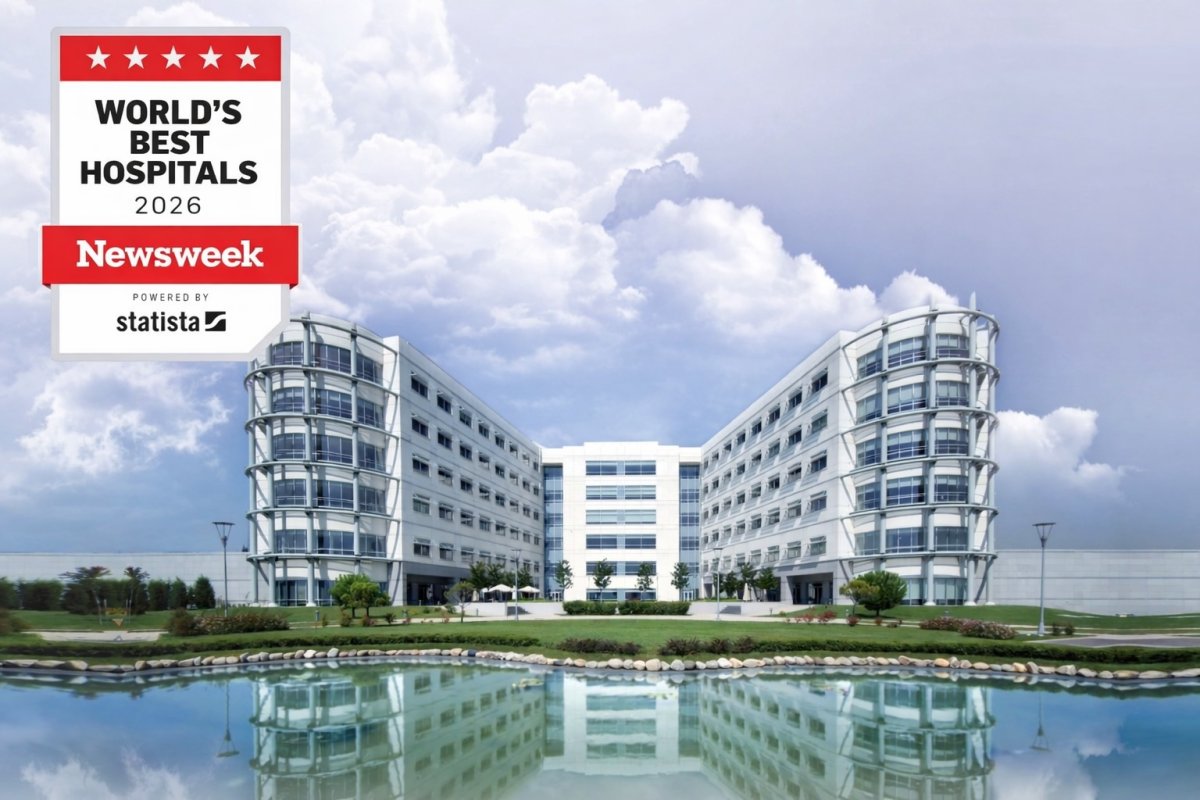







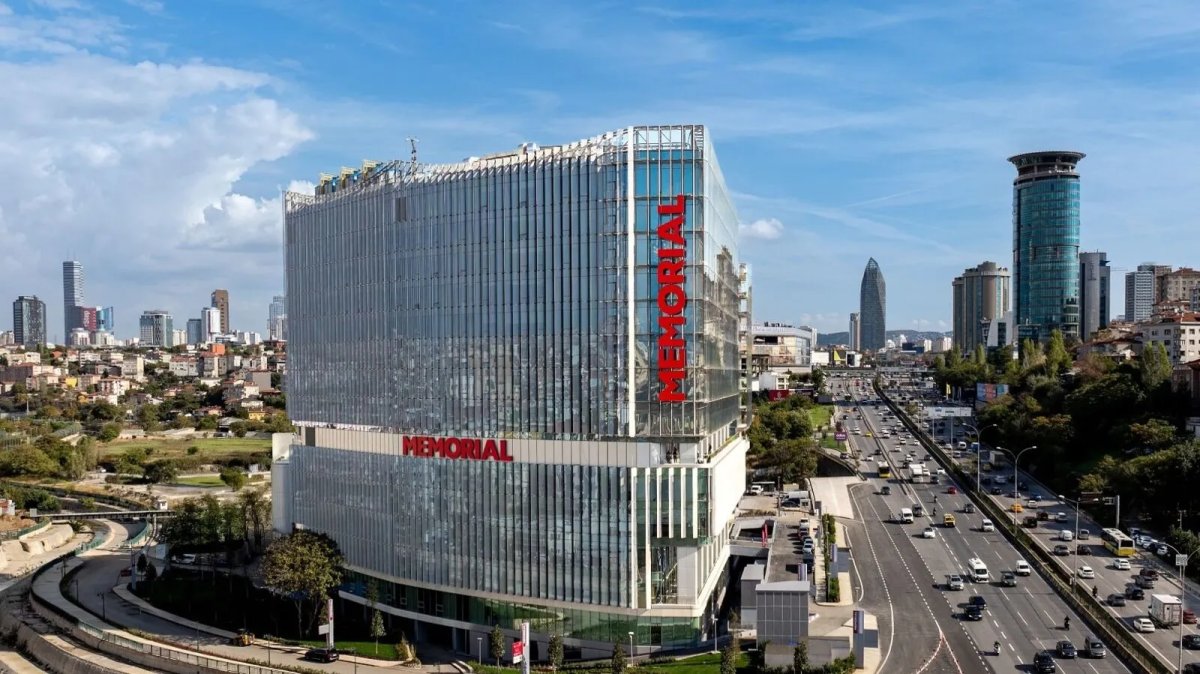
Memorial Göztepe Hospital



Hospital Lokman Hekim de Estambul (Lokman Hekim Istanbul Hospital)





Obtenga una evaluación médica de tratamiento de Craneoestenosis en Turquía: haga una consulta con 44 médicos experimentados ahora
Ver todos los médicos
Ertugrul Pinar
El Dr. Ertugrul Pinar es neurocirujano en el Hisar Hospital Intercontinental de Estambul. Trata a pacientes adultos y pediátricos con enfermedades complejas del cerebro y la columna vertebral. El Dr. Pinar se centra en tumores cerebrales, aneurismas vasculares y patologías de la base del cráneo. Trabaja en un hospital acreditado por la JCI que atiende a más de 500.000 pacientes al año.
- Realiza procedimientos especializados, incluyendo la resección transnasal de tumores y la reparac
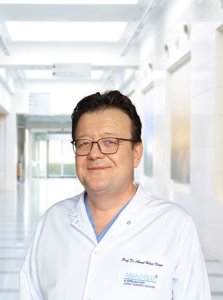
Ahmet Hilmi Kaya
El Prof. Dr. Ahmet Hilmi Kaya es profesor de neurocirugía en el Centro Médico Anadolu, en Gebze (Turquía). Obtuvo el título de médico (MD) en la Universidad de Estambul, Cerrahpaşa (programa en inglés), donde realizó la residencia en neurocirugía entre 1996 y 2003. Fue nombrado profesor en 2015. Realizó estancias de observación en la Universidad de Maastricht en 2007 y 2009.
Su actividad clínica abarca la neurocirugía funcional y estereotáxica, incluida la estimulación cerebral profund

Erhan Arslan
El Prof. Dr. Arslan se especializa en neurocirugía pediátrica y anomalías congénitas en el Hospital VM Medical Park Pendik.
- Más de _doctor_8213_ años de experiencia en neurocirugía
- Formado en el Hospital Central de la Universidad de Helsinki
- Experto en técnicas de neurocirugía mínimamente invasiva
- Autor de numerosas publicaciones sobre intervenciones neuroquirúrgicas
- Miembro de la Asociación Turca de Neurocirugía

Dogan Gucluhan Guclu
El Dr. Guclu se especializa en neurocirugía pediátrica – incluyendo casos complejos como espina bífida y tumores cerebrales pediátricos – en el Hospital VM Medical Park Florya.
- Neurocirujano certificado con más de _doctor_8296_ años de experiencia
- Experto en extirpación de tumores cerebrales mínimamente invasiva y endoscópica
- Realiza radiocirugía Gamma Knife para un tratamiento preciso y no invasivo
- Amplia investigación publicada en revistas de neurocirugía
Reseñas
Todas las reseñasCompartir contenido
Historias en video de pacientes de Bookimed
 Olena Sikoza
Preguntas frecuentes sobre el tratamiento de Craneoestenosis en Turquía
¿Cuál es la mejor edad para que un niño sea operado de craneoestenosis en Turquía?
La edad óptima para la cirugía de craneoestenosis en Turquía es generalmente entre los 3 y los 12 meses. Los especialistas prefieren la intervención temprana mientras el cráneo sigue siendo maleable. La cirugía temprana utiliza el rápido crecimiento cerebral para ayudar en la remodelación. El momento específico depende de la técnica quirúrgica utilizada por el neurocirujano.
- Cirugía endoscópica: Los cirujanos realizan este enfoque mínimamente invasivo antes de los 3 meses de edad.
- Remodelación de la bóveda craneal: Los médicos suelen programar este procedimiento abierto para bebés de 6 a 12 meses.
- Sinostosis sagital: Los neurocirujanos pediátricos turcos a menudo citan los 9 meses como la ventana quirúrgica ideal.
- Casos sindrómicos: Las condiciones complejas de suturas múltiples pueden requerir cirugía dentro de las primeras semanas.
Perspectiva del experto de Bookimed: Las instalaciones turcas como el Istanbul Florence Nightingale Hospital y Medipol Mega se especializan en neurocirugía pediátrica de alto volumen. Los datos muestran que el Prof. Dr. Ilhan Elmaci y el Prof. Dr. Cevdet Gokcek tienen cada uno más de 30 años de experiencia. Esta experiencia es vital porque los cirujanos experimentados pueden realizar reconstrucciones complejas de manera segura incluso en recién nacidos. Los padres deben priorizar a cirujanos con diversas fo
¿Qué técnicas quirúrgicas están disponibles en Turquía?
Los neurocirujanos turcos tratan la craneoestenosis utilizando técnicas microquirúrgicas y endoscópicas avanzadas en instalaciones acreditadas por la JCI. Centros especializados como el Hospital Memorial Şişli emplean sistemas robóticos Da Vinci XI y resonancia magnética de 3 Teslas con soporte de IA para mayor precisión. Los especialistas pediátricos suelen utilizar cirugía mínimamente invasiva de base de cráneo para garantizar la máxima seguridad y recuperación.
- Cirugía robótica: El Hospital Memorial Şişli utiliza sistemas Da Vinci XI para procedimientos craneales de alta precisión.
- Cirugía de base de cráneo: El profesor Dr. Mustafa Bozbuga está especializado en técnicas complejas de base de cráneo y neurovasculares.
- Imagenología avanzada: Las clínicas utilizan tomografía computarizada de 512 cortes y PET/CT digital para una planificación preoperatoria detallada.
- Experiencia afiliada: El Anadolu Medical Center mantiene una afiliación clínica con los estándares del Johns Hopkins Hospital.
Perspectiva del experto de Bookimed: Los departamentos de neurocirugía turcos priorizan la tecnología integrada sobre la simple presencia de equipos. Por ejemplo, el Hospital Memorial Şişli combina un quirófano híbrido con MR Linac y resonancia magnética impulsada por IA. Esta sinergia permite a los cirujanos verificar los resultados quirúrgicos en ti
¿Cómo se comparan los resultados quirúrgicos en Turquía con los de Europa Occidental o Estados Unidos?
Los resultados quirúrgicos turcos para la craneoestenosis rivalizan con los de Europa Occidental y EE. UU. en centros acreditados por la JCI. Los especialistas de gran volumen a menudo realizan miles de procedimientos craneales complejos. Instalaciones como el Anadolu Medical Center mantienen afiliaciones con Johns Hopkins Medicine para garantizar protocolos clínicos internacionales.
- Tasas de éxito: Memorial Ataşehir reporta una tasa de éxito del 99% en procedimientos neuroquirúrgicos complejos relacionados con órganos.
- Experiencia clínica: El Dr. Cevdet Gokcek ha realizado con éxito miles de cirugías cerebrales complejas.
- Tecnología avanzada: Los centros utilizan resonancia magnética de 3T, tomografía computarizada de 512 cortes y neuravegación para una reconstrucción craneal precisa.
- Volumen de especialistas: El Hospital Universitario Medipol Mega atiende a más de 1 millón de pacientes anualmente en 70 departamentos.
Opinión experta de Bookimed: Si bien los centros occidentales ofrecen altos estándares, los hospitales turcos como el Istanbul Florence Nightingale ofrecen ventajas técnicas únicas. Utilizan el sistema de imagen EOS para reducir la exposición a la radiación durante el seguimiento ortopédico y craneal. Este es un beneficio de seguridad crítico para pacientes pediátricos que requieren múltiples escaneos de seguimiento duran
¿Cuál es la tasa de éxito de la cirugía de craneostenosis en Turquía?
La cirugía de craneostenosis en Turquía mantiene tasas de éxito superiores al 95 % en centros especializados en neurocirugía pediátrica. Cirujanos altamente capacitados informan tasas de supervivencia superiores al 97,6 % para estos procedimientos complejos. Las técnicas avanzadas reducen eficazmente la presión intracraneal y logran la remodelación craneal requerida para los pacientes pediátricos.
- Eficacia quirúrgica: Los centros reportan un alto éxito en la obtención de la forma de cabeza deseada.
- Tasas de supervivencia: Las unidades pediátricas mantienen tasas de supervivencia superiores al 97,5 % anual.
- Estancia hospitalaria: Los pacientes suelen permanecer hospitalizados de 3 a 5 días.
- Tiempo de recuperación: La recuperación quirúrgica completa se logra generalmente en un plazo de 4 semanas.
Opinión de los expertos de Bookimed: El éxito en Turquía está impulsado por un volumen quirúrgico extremadamente alto. Profesores como el Dr. Bekir Tugcu dirigen departamentos con más de 1.200 camas en total. Este alto flujo de pacientes permite a los cirujanos ganar experiencia en casos más rápido que en muchos centros europeos. Este volumen se correlaciona directamente con una mayor competencia técnica en la remodelación craneal.
Consenso de los pacientes: Los padres enfatizan que la habilidad quirúrgica es solo la mita
¿Qué documentación médica deben preparar las familias internacionales antes de venir a Turquía?
Las familias que tratan la craneoestenosis en Turquía deben preparar registros médicos digitales y físicos. Los documentos esenciales incluyen escáneres de TC y resonancias magnéticas recientes en discos. Traiga los informes radiológicos originales, las tablas de crecimiento de la cabeza y las evaluaciones del desarrollo. Se requiere un historial quirúrgico detallado y listas de medicamentos traducidas para la planificación preoperatoria.
- Datos de imagen: Lleve los discos físicos de las tomografías computarizadas o resonancias magnéticas, no solo los informes escritos.
- Tendencias de crecimiento: Proporcione las medidas de la circunferencia de la cabeza y las tablas de crecimiento registradas a lo largo del tiempo.
- Historial quirúrgico: Documente los procedimientos previos, incluidas las fechas, las técnicas utilizadas y cualquier transfusión de sangre.
- Registros de especialistas: Incluya evaluaciones recientes de oftalmología y neurología para evaluar el progreso del desarrollo.
Perspectiva de expertos de Bookimed: Los centros de neurocirugía turcos como Medipol Mega e Istanbul Florence Nightingale manejan volúmenes masivos de pacientes. Medipol por sí solo atiende a 1.000.000 de pacientes al año. Las clínicas grandes a menudo ofrecen unidades pediátricas especializadas. Los pacientes deben solicitar los resultados digitales de la reson