Tumores neuroendocrinos pancreáticos en Israel: las 4 mejores clínicas para su tratamiento


Revisado médicamente por
Fahad Mawlood
Cómo funciona
¿Cuál es el precio del diagnóstico y los tratamientos de Tumores neuroendocrinos pancreáticos en Israel? Descubra ahora
Pancreatic neuroendocrine tumors treatment cost in Israel ranges from $17,000 to $25,000 for surgical tumor enucleation, while advanced radiotherapy options like CyberKnife run from $17,000 to $25,000. Total expenses depend on tumor stage, the need for specialized nuclear medicine like Actinium-225 Therapy, and whether patients choose private or public medical centers. Patients typically save 20-40% compared to US costs. Top treatment centers are located in Tel Aviv, Ramat Gan, and Jerusalem.
Typical Pancreatic Neuroendocrine Tumors Treatment Costs in Israel
- Enucleation of tumor on pancreas: $17,000 – $25,000
- CyberKnife: $17,000 – $25,000
- Actinium-225 Therapy: $28,000 – $42,000
Bookimed Expert Insight: Patients requiring complex surgical intervention benefit from specialized packages at JCI-accredited centers. Sheba Medical Center offers a Whipple surgery and assessment package starting around $45,000. This includes care from Professor Ido Nachmany, a leading authority in gastrointestinal neuroendocrine tumor surgery. For advanced cases, centers like Sourasky Medical Center provide multidisciplinary expertise in radionuclide therapies and robotic-assisted resections.
| Israel | España | Turquía | |
|---|---|---|---|
| Terapia con Actinio-225 | ≈ $28,000 | ≈ $28,000 | de $20,500 |
| Nanocuchillo | de $30,000 | ≈ $9,500 | ≈ $9,500 |
| Enucleación de tumor en páncreas | ≈ $17,000 | ≈ $11,500 | de $15,000 |
| CyberKnife | ≈ $17,000 | de $14,800 | de $4,900 |
Descubra las mejores clínicas de tratamiento de Tumores neuroendocrinos pancreáticos en Israel: 4 opciones verificadas y Precios









Obtenga una evaluación médica de tratamiento de Tumores neuroendocrinos pancreáticos en Israel: haga una consulta con 19 médicos experimentados ahora
Ver todos los médicos
Ari Raphael
Líder de la Iniciativa Nacional de Medicina Genómica de Israel – El Dr. Raphael se especializa en perfiles genómicos avanzados para tumores neuroendocrinos pancreáticos en el Centro Médico Sourasky.
- Profesor titular en la Facultad de Medicina de la Universidad de Tel Aviv
- Investigador principal en múltiples ensayos clínicos en oncología
- Experto en biopsias líquidas y perfiles genómicos tumorales integrales
- Miembro de la Sociedad Europea de Oncología Médica (ESMO) y de la IASLC

Pelles Sharon
La Dra. Pelles Sharon se especializa en tumores neuroendocrinos pancreáticos, ofreciendo tratamientos avanzados como la cirugía de Whipple y HIPEC en el Centro Médico Sourasky.
- Experiencia en una amplia gama de cirugías y terapias oncológicas
- Realiza investigación clínica para mejorar la comprensión de los ensayos por parte de los pacientes
- Proporciona planes de tratamiento personalizados que incluyen inmunoterapia y terapia dirigida

Ofer Merimsky
El Prof. Merimsky dirige la Unidad de Oncología de Tejidos Blandos y Huesos en el Centro Médico Sourasky, el programa de sarcomas más grande de Israel.
- Más de _doctor_28_años_ de especialización en tumores neuroendocrinos
- Miembro del cuerpo docente de la ESMO para el tratamiento de sarcomas
- Formación de subespecialización en el Institut Gustave Roussy de París
- Numerosas publicaciones sobre tratamientos de tumores raros

Arnon Nagler Md
El Dr. Arnon Nagler es hematólogo en el Centro Médico Sheba en Israel. Es profesor en la Universidad de Tel Aviv y un reconocido experto en trasplantes. El Dr. Nagler fundó el primer banco público de sangre de cordón umbilical de Israel. También realizó los primeros trasplantes de sangre de cordón umbilical en el país. Completó su formación posdoctoral en la Universidad de Stanford y está certificado por el consejo en hematología.
- Pionero en protocolos de trasplante alogénico de in
Compartir contenido
Historias en video de pacientes de Bookimed
 Olena Sikoza
Preguntas frecuentes sobre el tratamiento de Tumores neuroendocrinos pancreáticos en Israel
¿Qué terapias avanzadas para los tumores neuroendocrinos pancreáticos están disponibles en Israel?
Las terapias avanzadas para los tumores neuroendocrinos pancreáticos en Israel incluyen la terapia con radionúclidos receptores de péptidos (PRRT) con Lutecio-177 y Actinio-225. Centros especializados realizan procedimientos de Whipple robóticos y ablación con NanoKnife. Estas instalaciones mantienen la acreditación JCI y utilizan comités de tumores multidisciplinarios para protocolos de tratamiento personalizados.
- Radiación dirigida: La PRRT con Lutecio-177 Dotatate administra radiación precisa directamente a las células tumorales.
- Cirugía robótica: Los cirujanos realizan procedimientos de Whipple mínimamente invasivos para garantizar tiempos de recuperación más rápidos para los pacientes.
- Tecnología de ablación: NanoKnife utiliza corrientes eléctricas para destruir tumores cerca de vasos sanguíneos sensibles de forma segura.
- Isótopos avanzados: La terapia alfa con Actinio-225 está disponible para casos refractarios de tumores neuroendocrinos.
Perspectiva de expertos de Bookimed: Los centros de oncología israelíes como el Sheba Medical Center a menudo lideran la combinación de PRRT con inmunoterapia. La Dra. Inna Ospovat en el Sourasky Medical Center fue pionera en la PRRT en la región. Esta experiencia clínica permite a los pacientes acceder a protocolos complejos no disponibles en la mayoría de los países. Nuestros datos muestran que
¿Es la cirugía una opción común para los pNET en Israel y qué tipos se realizan?
La cirugía es el tratamiento curativo principal para los tumores neuroendocrinos pancreáticos localizados en Israel. Los centros oncológicos especializados siguen protocolos internacionales, priorizando la resección quirúrgica para tumores funcionales o grandes. Las instalaciones acreditadas por la JCI realizan procedimientos complejos utilizando técnicas robóticas y laparoscópicas mínimamente invasivas para maximizar la preservación de órganos.
- Procedimiento de Whipple: Elimina tumores en la cabeza del páncreas, parte del intestino y la vesícula biliar.
- Enucleación: Resección conservadora que se dirige a tumores pequeños manteniendo el páncreas intacto.
- Pancreatectomía distal: Elimina el cuerpo y la cola del páncreas, a menudo incluyendo el bazo.
- Cirugía robótica: Sistemas avanzados permiten la extirpación precisa del tumor con incisiones más pequeñas.
Perspectiva del experto de Bookimed: La experiencia quirúrgica israelí en pNET está altamente concentrada en centros públicos de gran volumen como Sourasky y Sheba. El Dr. Joseph Klauzner en Sourasky y el Dr. Ido Nachmany en Sheba son reconocidos por realizar miles de cirugías gastrointestinales complejas. Elegir a estos expertos de alto volumen es vital, ya que la experiencia quirúrgica se correlaciona directamente con el éxito de las resecciones pancreáticas.
Consenso de
¿Qué hospitales en Israel son reconocidos por el tratamiento de tumores neuroendocrinos pancreáticos?
El Sheba Medical Center, el Sourasky Medical Center y el Hadassah Medical Center son los principales hospitales israelíes para tumores neuroendocrinos pancreáticos. Estas instalaciones acreditadas por la JCI ofrecen atención certificada por la Sociedad Europea de Tumores Neuroendocrinos (ENETS). Se especializan en tratamientos de alta precisión como la terapia con radionúclidos de receptores de péptidos (PRRT) y la cirugía robótica de Whipple.
- Acreditación especializada: Hadassah y Sheba son reconocidos como Centros de Excelencia ENETS para TNE.
- Teranóstica avanzada: Las clínicas ofrecen PRRT con Lutecio-177 y terapias sistémicas dirigidas para casos metastásicos.
- Liderazgo quirúrgico: El Dr. Ido Nachmany en Sheba realiza resecciones complejas robóticas y mínimamente invasivas.
- Tecnología innovadora: El Sourasky Medical Center utiliza CyberKnife y da Vinci Xi para la ablación precisa de tumores.
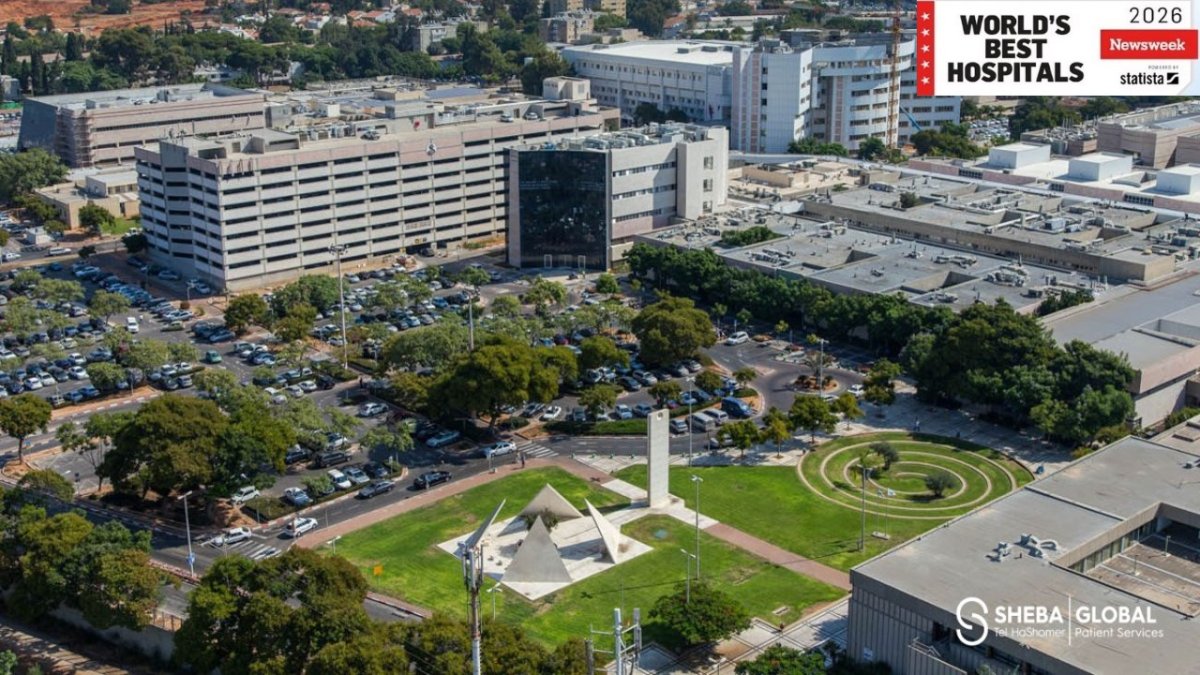
Perspectiva del experto de Bookimed: Aunque muchos eligen Sheba por su puesto número 7 en el ranking mundial, el valor real reside en su asesoramiento genético especializado. Nuestros datos muestran que Sheba proporciona pruebas específicas para síndromes familiares como MEN1 y VHL. Esto es vital porque estas mutaciones a menudo causan tumores recurrentes que requieren un seguimiento a largo plazo en lugar de una sola cirugía. Si su historial fa
¿Cómo puedo verificar la experiencia de un médico con tumores neuroendocrinos pancreáticos en Israel?
Verifique la experiencia de un médico en Israel comprobando sus certificaciones en oncología o endocrinología. Confirme sus afiliaciones con centros como el Centro Médico Sheba o el Centro Médico Sourasky. La experiencia especializada en tumores neuroendocrinos pancreáticos a menudo se valida mediante investigaciones publicadas en revistas revisadas por pares.
- Afiliación hospitalaria: Confirme la pertenencia a unidades de tumores especializadas en hospitales israelíes acreditados por la JCI.
- Credenciales específicas: Busque especialistas como el Dr. Amit Tirosh, que dirigen servicios dedicados.
- Formación avanzada: Muchos expertos completan becas en instituciones como Harvard o los NIH.
- Producción científica: Los médicos experimentados a menudo publican más de 20 artículos sobre la genética de los tumores neuroendocrinos.
Perspectiva del experto de Bookimed: Los especialistas israelíes a menudo desempeñan funciones duales en la atención clínica y la política de salud nacional. Por ejemplo, el Dr. Ido Wolf preside el Consejo Nacional de Enfermedades Malignas. Elegir a un médico con tal estatus de liderazgo garantiza que su plan de tratamiento siga los protocolos más recientes y actualizados.
Consenso de los pacientes: Los pacientes sugieren buscar el nombre de un cirujano en bases de datos médicas para ver sus volú
¿Qué apoyo logístico está disponible para pacientes internacionales que buscan tratamiento para pNET en Israel?
Los pacientes internacionales que buscan tratamiento para tumores neuroendocrinos pancreáticos (pNET) en Israel reciben coordinación logística a través de departamentos dedicados. Estos equipos gestionan las invitaciones de visa médica para tratamientos urgentes como PRRT o la cirugía de Whipple. El apoyo incluye gestión de casos multilingüe y revisiones remotas de expedientes en centros acreditados por la JCI.
- Invitación de visa: Las clínicas proporcionan documentación oficial para acelerar las visas médicas para la terapia de pNET.
- Apoyo lingüístico: Los traductores ayudan a los pacientes en inglés, ruso y árabe durante las consultas de oncología.
- Coordinación financiera: Los hospitales ofrecen estimaciones de costos detalladas para el Lutecio-177 y procedimientos quirúrgicos especializados.
- Gestión de pacientes: Los gestores de casos personales realizan un seguimiento de los resultados de laboratorio y coordinan los cronogramas de atención multidisciplinaria.
Perspectiva del experto de Bookimed: Aunque el Sheba Medical Center se encuentra entre los 10 mejores a nivel mundial, sus paquetes quirúrgicos para pNET, como los realizados con el profesor Dr. Ido Nachmany, a menudo excluyen el alojamiento y los traslados a pesar del precio de 40.000 $. Los pacientes deben presupuestar 14 noches en un hotel local para garantizar una recuperaci
¿Por qué Israel es uno de los principales destinos para la neurocirugía?
Israel es un centro líder en neurocirugía gracias a su combinación de avances médicos de alta tecnología y una experiencia quirúrgica de primer nivel. Instalaciones avanzadas como el Centro Médico Sheba utilizan sistemas de navegación basados en IA y resonancia magnética intraoperatoria en tiempo real. Centros especializados reportan una tasa de éxito del 98% en procedimientos complejos, como la craneotomía con el paciente despierto y el tratamiento de trastornos del movimiento.
- Tecnología avanzada: Las clínicas utilizan ultrasonido enfocado guiado por resonancia magnética (MRgFUS) y sistemas robóticos para realizar incisiones.
- Experiencia quirúrgica: Cirujanos como el Dr. Zvi Ram lideran asociaciones internacionales con más de 25 años de experiencia.
- Acceso rápido: Los pacientes internacionales generalmente pueden programar cirugías complejas de cerebro o columna en un plazo de 2 a 4 semanas.
- Atención médica acreditada: Grandes centros como Sourasky (Ichilov) y Assuta están acreditados por la JCI, lo que confirma su seguridad.
Opinión experta de Bookimed: Los datos muestran una clara diferencia entre las opciones de tratamiento públicas y privadas en Israel. Centros privados, como el Centro Médico Assuta, realizan más de 92.000 cirugías al año y permiten a los pacientes elegir a un cirujano líder específico. Esto supone una ventaja signi
¿Qué tipos de enfermedades neuroquirúrgicas se tratan en Israel?
Los neurocirujanos israelíes tratan una amplia gama de afecciones, desde tumores cerebrales y de médula espinal hasta trastornos funcionales complejos. Los centros especializados utilizan tecnologías de vanguardia, como el bisturí de rayos gamma, la estimulación cerebral profunda y la resonancia magnética intraoperatoria, para un diagnóstico altamente preciso de la epilepsia, la enfermedad de Parkinson y las patologías cerebrovasculares.
- Enfermedades oncológicas: tratamiento de gliomas, meningiomas y tumores hipofisarios mediante resección de la base del cráneo.
- Trastornos funcionales: tratamiento de la enfermedad de Parkinson y del temblor esencial mediante estimulación cerebral profunda.
- Patologías de columna: corrección de escoliosis, hernias discales y tumores espinales mediante sistemas robóticos.
- Tratamiento de las enfermedades cerebrovasculares: tratamiento quirúrgico de aneurismas cerebrales y malformaciones arteriovenosas mediante intervenciones endovasculares.
- Neurocirugía pediátrica: atención especializada en hidrocefalia y anomalías congénitas en centros pediátricos especializados.
Opinión experta de Bookimed: Los hospitales israelíes suelen combinar diversas especialidades para abordar casos complejos. En el Centro Médico Sourasky, neurocirujanos como el Dr. Zvi Lidar combinan neurocirugía y ortopedi
¿Qué hospitales en Israel son más conocidos por sus departamentos de neurocirugía?
Israel alberga centros neuroquirúrgicos de renombre mundial, como el Centro Médico Sourasky, el Centro Médico Sheba y el Centro Médico Hadassah. Estas instituciones son líderes mundiales en el tratamiento de tumores cerebrales complejos, enfermedades de la columna vertebral y trastornos del movimiento. Utilizan tecnologías de vanguardia como el bisturí de rayos gamma, sistemas robóticos y resonancia magnética intraoperatoria.
- Suraski (Ichilov): realiza más de 2.500 operaciones neuroquirúrgicas al año en Tel Aviv con una tasa de éxito del 98%.
- Centro Médico Sheba: clasificado entre los diez mejores hospitales del mundo, trata a 1,9 millones de pacientes al año.
- Centro Médico Hadassah: Nominado al Premio Nobel de la Paz. Líder en neurocirugía pediátrica y terapia génica.
- Centro Médico Assuta: el centro médico privado más grande de Israel. Especializado en cirugías mínimamente invasivas de columna y cerebro.
- Hospital Infantil Schneider: un centro líder en neurocirugía pediátrica que trata a 275.000 niños al año.
Opinión experta de Bookimed: Nuestros datos muestran que, si bien la mayoría de los pacientes buscan tratamiento en Tel Aviv, el Centro Médico Rambam en Haifa ofrece una atención única para neurotraumatismos. Cuenta con una unidad especializada en cuidados neurocríticos que atiende a aproximadamente un milló
¿Quiénes son los principales neurocirujanos en Israel?
Entre los neurocirujanos israelíes más destacados se encuentran los profesores Zvi Ram, Shlomi Constantini e Itzhak Fried, del Centro Médico Sourasky. Estos especialistas ocupan puestos de liderazgo en la Asociación Europea de Sociedades de Neurocirugía (EANS) y la Sociedad Mundial de Neurocirugía Estereotáctica y Funcional (WSSFN). Utilizan técnicas avanzadas de mapeo intraoperatorio y sistemas robóticos.
- Profesor Zvi Ram: experto en cirugía mínimamente invasiva de tumores cerebrales y terapia genética para el cáncer.
- Profesor Shlomi Constantini: Se especializa en procedimientos neuroendoscópicos pediátricos complejos y microcirugía para tumores cerebrales.
- Profesor Itzhak Fried: una autoridad en cirugía de epilepsia, mapeo cerebral funcional y estimulación cerebral profunda.
- Dr. Eli Ashkenazi: Cirujano ortopédico líder en el Hospital Assuta, especializado en el innovador sistema TOPS.
Opinión de los expertos de Bookimed: Los datos de Sourasky y Sheba indican una fuerte correlación entre un alto volumen quirúrgico y la seguridad del paciente. Por ejemplo, Sourasky realiza más de 34.000 cirugías oncológicas al año con una tasa de éxito del 90 %. Los pacientes que requieren la extirpación de un tumor complejo deberían priorizar centros como estos, donde los cirujanos realizan cientos de procedimientos especializados al año.
¿Cuáles son los requisitos para los pacientes internacionales entrantes que buscan atención neuroquirúrgica?
Los pacientes extranjeros que requieran tratamiento neuroquirúrgico en Israel deben presentar documentación médica completa, incluyendo resultados recientes de resonancia magnética o tomografía computarizada, traducidos al inglés. La hospitalización requiere un examen clínico por especialistas para confirmar la idoneidad del tratamiento. Los hospitales suelen exigir el pago completo por adelantado o un depósito considerable antes de confirmar las fechas de la cirugía o emitir la visa.
- Historiales médicos: proporcionar informes detallados y resultados de imágenes traducidos al inglés dentro de las 48 horas para su revisión clínica.
- Comprobante financiero: Proporcione comprobante de fondos por un monto aproximado de _precio_desde_ a _precio_hasta_ para el tratamiento.
- Asistencia para visas: Clínicas como Sourasky Medical Center (Ichilov) emiten cartas oficiales para obtener una visa médica B-2.
- Fase de consulta: La evaluación inicial a menudo se realiza a través de una consulta en línea con cirujanos como el Dr. Strauss Ido.
Opinión experta de Bookimed: Los datos muestran que las principales instituciones médicas israelíes, como el Centro Médico Sheba y el Centro Médico Hadassah, atienden a un gran número de pacientes, superando el millón al año. Esta alta demanda implica que las clínicas priorizan los casos complejos o poco frecuentes sobr