Tumores neuroendocrinos pancreáticos en Turquía: las 30 mejores clínicas para su tratamiento


Revisado médicamente por
Fahad Mawlood
Cómo funciona
¿Cuál es el precio del diagnóstico y los tratamientos de Tumores neuroendocrinos pancreáticos en Turquía? Descubra ahora
El costo de tratar los tumores neuroendocrinos pancreáticos en Turquía varía según los procedimientos específicos y los planes de tratamiento. Un escaneo PET-CT comienza alrededor de 615 €, y un PET-CT especializado que utiliza una sustancia radiactiva (Ga-68 DOTA-TATE) para detectar tumores neuroendocrinos puede tener un precio de 1.610 €. Las sesiones de quimioterapia varían de 2.365 € a 3.595 €. La inmunoterapia está entre 6.150 € y 6.615 € por sesión. El plan de tratamiento se personaliza en base a una evaluación individual de la condición del paciente.
| España | Turquía | México | |
|---|---|---|---|
| Terapia con Actinio-225 | ≈ $28,000 | de $20,500 | ≈ $14,000 |
| Nanocuchillo | ≈ $9,500 | ≈ $9,500 | ≈ $12,000 |
| Enucleación de tumor en páncreas | ≈ $11,500 | de $15,000 | ≈ $9,500 |
| CyberKnife | de $14,800 | de $4,900 | ≈ $9,500 |
Descubra las mejores clínicas de tratamiento de Tumores neuroendocrinos pancreáticos en Turquía: 30 opciones verificadas y Precios
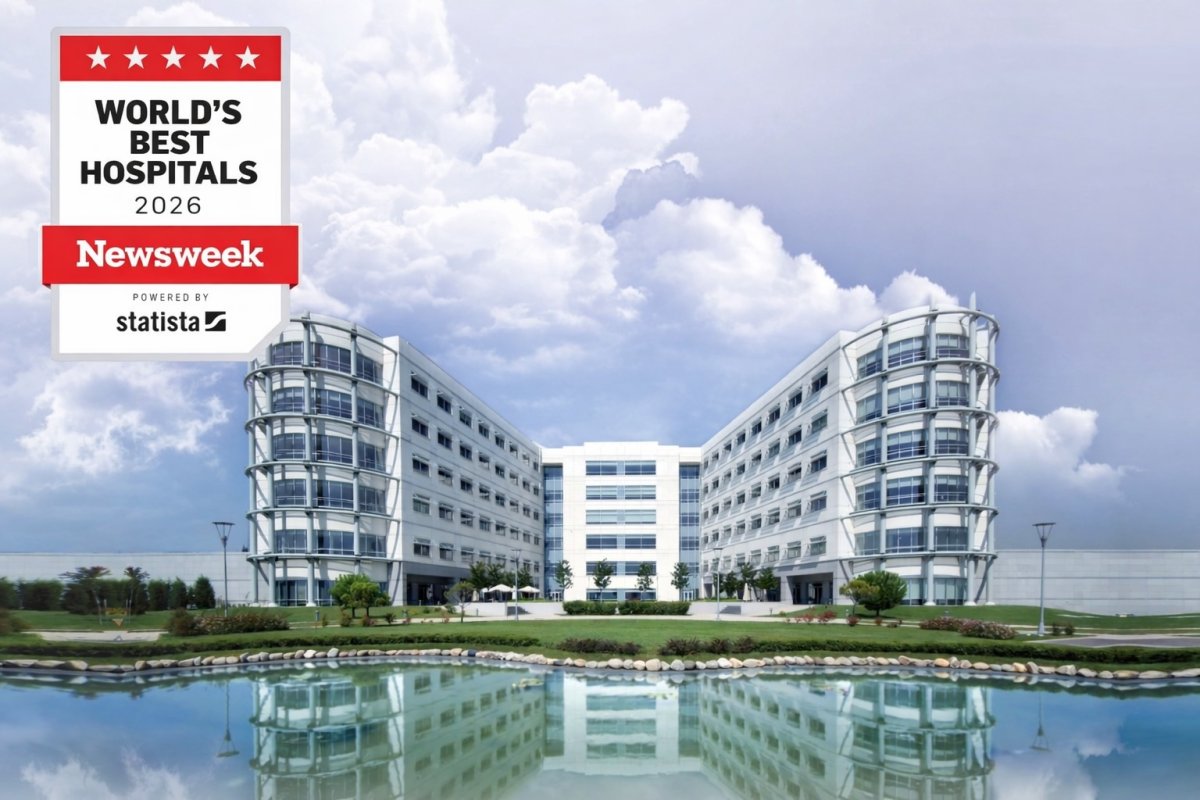










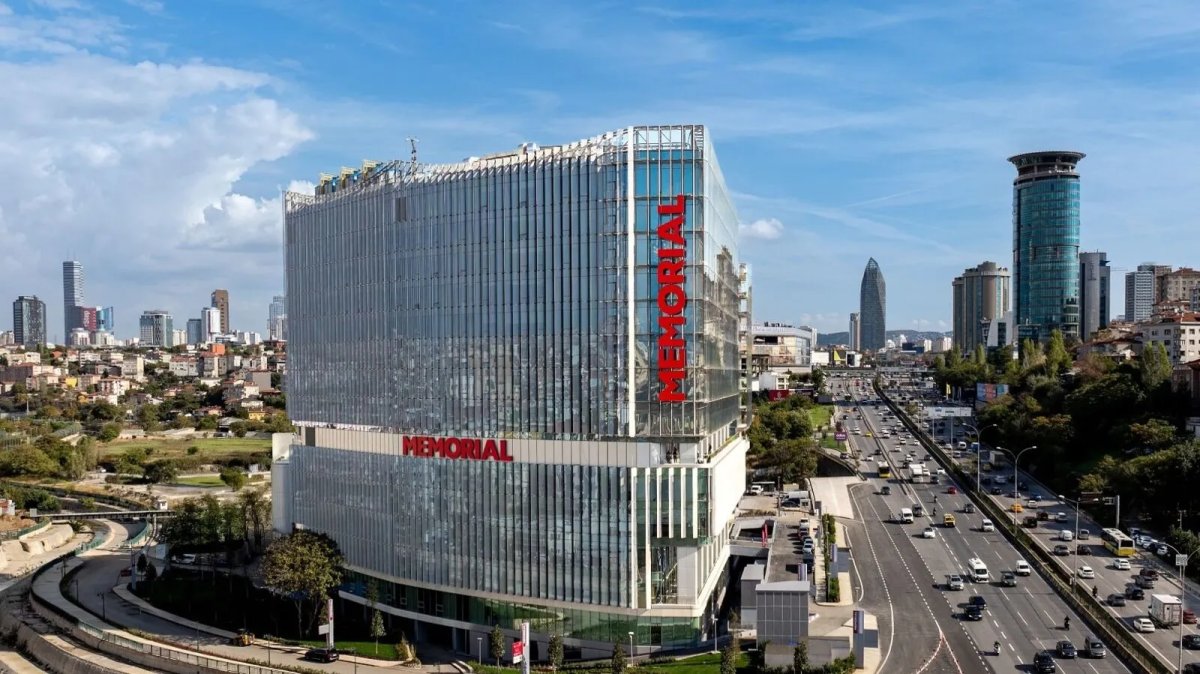
Memorial Göztepe Hospital




Memorial Ankara Hospital
Obtenga una evaluación médica de tratamiento de Tumores neuroendocrinos pancreáticos en Turquía: haga una consulta con 46 médicos experimentados ahora
Ver todos los médicos
Bulent Karagoz
El Dr. Bülent Karagöz se especializa en inmunología tumoral y terapias dirigidas para tumores neuroendocrinos pancreáticos en el Centro Médico Anadolu.
- Más de 33 años de experiencia en oncología médica
- Profesor en la Facultad de Medicina de la Universidad Okan de Estambul
- Ex jefe de Oncología Médica en el Hospital de Formación GATA Haydarpaşa
- Ha publicado más de 40 trabajos de investigación sobre el cáncer
- Miembro de la Asociación Turca de Oncología Médica

Cuneyt Turkmen
El Dr. Cuneyt Turkmen es especialista en medicina nuclear en el Hospital Memorial Şişli de Estambul. Ha publicado más de 80 artículos científicos sobre oncología e imagenología. El Dr. Turkmen completó una beca profesional en el Hospital Universitario Sahlgrenska en Suecia. Se centra en la terapia dirigida con radionúclidos para cánceres de hígado, próstata y tiroides.
- Realiza radioembolización y terapia con Lutecio-177 para casos de cáncer avanzado.
- Experto en radiación co
Kezban Berberoglu
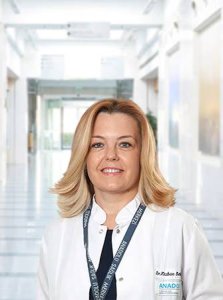
La Dra. Kezban Berberoglu es profesora de medicina nuclear en el Centro Médico Anadolu de Estambul. Completó su formación en la Facultad de Medicina de la Universidad Johns Hopkins en Baltimore. La Dra. Berberoglu se especializa en oncología nuclear y cardiología nuclear. Trata cánceres de tiroides y próstata mediante terapias con radioisótopos. Es miembro de la Asociación Europea de Medicina Nuclear.
- Realiza terapias con Lutecio-177 y Actinio-225 para pacientes oncológicos.

Abdulcabbar Kartal
El Dr. Abdulcabbar Kartal es cirujano colorrectal y general en el Anadolu Medical Center. Se especializa en HIPEC y cirugía bariátrica. Ha realizado más de 500 procedimientos bariátricos. El Dr. Kartal posee la certificación de la Sociedad Europea de Coloproctología (FEBS-C). Trabaja en una clínica afiliada a Johns Hopkins Medicine.
- Ha completado más de 650 operaciones quirúrgicas en los principales hospitales de Turquía.
- Certificado por la Asociación Quirúrgica Turca po
Reseñas
Todas las reseñasCompartir contenido
Historias en video de pacientes de Bookimed
 Olena Sikoza
Preguntas frecuentes sobre el tratamiento de Tumores neuroendocrinos pancreáticos en Turquía
¿Cuáles son las principales modalidades de tratamiento ofrecidas en Turquía para los tumores neuroendocrinos pancreáticos (PanNETs)?
Turquía ofrece tratamientos especializados para tumores neuroendocrinos pancreáticos (PanNETs) utilizando un enfoque multidisciplinario. Las opciones principales incluyen cirugía oncológica, terapia con radionucleidos del receptor de péptidos (PRRT) y terapia molecular dirigida. Los centros acreditados por la JCI en Estambul utilizan exploraciones PET DOTA para una estadificación precisa y Actinium-225 o Lutetium-177 para casos avanzados.
- Resección quirúrgica: Los cirujanos realizan procedimientos de Whipple, pancreatectomías distales y enucleación para tumores localizados.
- Radioisótopos avanzados: Centros como el Centro Médico Anadolu proporcionan terapia con Actinium-225 para el cáncer neuroendocrino metastásico.
- Imagenología nuclear: Los especialistas utilizan imágenes PET DOTA y exploraciones de receptores de somatostatina para la estadificación precisa del tumor.
- Terapia dirigida: Los oncólogos médicos prescriben everolimus o sunitinib para inhibir las vías de crecimiento tumoral avanzado.
Perspectiva del experto de Bookimed: Mientras que muchos países solo ofrecen Lutetium-177, los centros turcos especializados brindan terapia avanzada con Actinium-225. Los datos muestran que clínicas como el Centro Médico Anadolu mantienen estrictos estándares de Johns Hopkins para estos protocolos de medicina nuclear. Esto proporciona una altern
¿Qué hospitales turcos tienen una reputación reconocida por el tratamiento de tumores neuroendocrinos pancreáticos (PanNET)?
Los mejores hospitales turcos para tumores neuroendocrinos pancreáticos (PanNET) incluyen el Anadolu Medical Center, Memorial Şişli y el Medipol Mega University Hospital. Estos centros acreditados por JCI ofrecen terapias avanzadas como Actinio-225 y CyberKnife. Cuentan con expertos especializados de la Clínica Mayo y MD Anderson, y brindan atención multidisciplinaria en Estambul.
- Anadolu Medical Center: Afiliado a Johns Hopkins Medicine, ofrece terapia con Actinio-225 para cáncer neuroendocrino.
- Medipol Mega University: Proporciona radiación CyberKnife avanzada y medicina nuclear especializada para carcinomas complejos.
- Memorial Şişli Hospital: Cuenta con oncólogos con más de 25 años de experiencia y PET/CT digital para una estadificación precisa.
- Hisar Hospital Intercontinental: Alberga una unidad dedicada hepatopancreatobiliar fundada por cirujanos formados en la Clínica Mayo.
Perspectiva del experto de Bookimed: El Anadolu Medical Center destaca porque su programa de medicina nuclear sigue los estándares directos de Johns Hopkins. Mientras que muchas clínicas ofrecen oncología general, Anadolu proporciona paquetes específicos de Actinio-225 por alrededor de $23,000 a $24,700. Nuestros datos muestran que la Dra. Kezban Berberoglu es una opción frecuente para estas terapias con radionucleidos. Este nivel de especialización es raro fue
¿Tienen experiencia los equipos de oncología turcos con tumores neuroendocrinos pancreáticos avanzados o metastásicos?
Los equipos de oncología turcos ofrecen una amplia experiencia en el tratamiento de tumores neuroendocrinos pancreáticos (pNET) avanzados. Los centros especializados utilizan una infraestructura acreditada por la JCI y juntas de tumores multidisciplinarias. Ofrecen terapias avanzadas como Actinium-225 y Lutetium-177 (PRRT). Los expertos a menudo cuentan con certificaciones de la Sociedad Europea de Oncología Médica (ESMO) y siguen protocolos internacionales.
- Terapia dirigida con radionucleidos: Las terapias con Actinium-225 y Lutetium-177 se dirigen específicamente a las células metastásicas.
- Técnicas quirúrgicas especializadas: Los cirujanos realizan enucleaciones tumorales complejas y resecciones pancreáticas mayores.
- Imagenología tumoral avanzada: Las instalaciones utilizan escáneres PET DOTA para una estadificación precisa de los tumores neuroendocrinos.
- Antecedentes académicos expertos: Profesores como el Dr. Sezer Sağlam lideran programas educativos internacionales sobre tumores neuroendocrinos.
Perspectiva del experto de Bookimed: Los datos de los pacientes sugieren que el Anadolu Medical Center es una opción destacada para casos metastásicos. Sigue los estándares de Johns Hopkins y mantiene protocolos específicos para la terapia con Actinium-225. Esto es poco común, ya que la mayoría de las clínicas solo ofrecen Lutetium-177. Su
¿Cuál es la duración habitual de la hospitalización si se requiere una resección quirúrgica?
La hospitalización tras una cirugía de tumor neuroendocrino pancreático en Turquía suele durar de 5 a 10 días. Las resecciones mínimamente invasivas a menudo permiten el alta en un plazo de 3 a 5 días. Los procedimientos complejos como la cirugía de Whipple suelen requerir de 7 a 10 noches de hospitalización para una recuperación segura.
- Tipo de procedimiento: La pancreatectomía distal generalmente requiere de 4 a 7 días de monitorización hospitalaria.
- Enfoque quirúrgico: Los métodos laparoscópicos y robóticos suelen reducir las estancias de 2 a 3 días.
- Criterios de alta: Los pacientes deben tolerar la alimentación oral y controlar el dolor sin medicación intravenosa.
- Manejo de drenajes: Los cirujanos a menudo esperan a que los drenajes quirúrgicos estén estables antes de autorizar el alta.
Opinión experta de Bookimed: Aunque las estancias hospitalarias son estándar, los especialistas en Turquía como el Dr. Kivanc Derya Peker a menudo requieren de 5 a 7 días adicionales en un hotel cercano. Este margen de seguridad permite retirar los drenajes y realizar los exámenes finales antes de que los pacientes vuelen a casa. Este enfoque ayuda a identificar fugas pancreáticas tardías que, de otro modo, podrían ocurrir durante el vuelo.
Consenso de los pacientes: Los pacientes señalan que, aunque la estancia hospitalaria s