Tumores neuroendocrinos pancreáticos en España: las 4 mejores clínicas para su tratamiento


Revisado médicamente por
Fahad Mawlood
Cómo funciona
¿Cuál es el precio del diagnóstico y los tratamientos de Tumores neuroendocrinos pancreáticos en España? Descubra ahora
El coste del tratamiento de los tumores neuroendocrinos pancreáticos en España es aproximadamente un 40-60% menor que en EE. UU. o el Reino Unido. De $14,800. Los gastos totales dependen del estadio del tumor, la intervención quirúrgica necesaria y la elección del hospital. Barcelona y Madrid son los principales centros para esta atención oncológica especializada.
Costes típicos del tratamiento de tumores neuroendocrinos pancreáticos en España
- CyberKnife: de $14,800
- Terapia con Actinio-225: $28,000 – $45,000
- NanoKnife: $9,500 – $15,500
Perspectiva de los expertos de Bookimed: Para las neoplasias digestivas complejas, la atención multidisciplinar en centros acreditados por la JCI como el Centro Médico Teknon ofrece una gran experiencia quirúrgica. Los pacientes que requieren radioterapia avanzada se benefician de las clínicas GenesisCare, que utilizan tecnología CyberKnife de última generación en toda su red especializada. Los pacientes internacionales que buscan diagnósticos innovadores pueden considerar el Hospital Universitario HM Sanchinarro. Su servicio de oncología, dirigido por el Dr. Antonio Cubillo Gracián, fue pionero en programas de biopsia líquida en España para el seguimiento preciso de tumores.
| España | Turquía | México | |
|---|---|---|---|
| Terapia con Actinio-225 | ≈ $28,000 | de $20,500 | ≈ $14,000 |
| Nanocuchillo | ≈ $9,500 | ≈ $9,500 | ≈ $12,000 |
| Enucleación de tumor en páncreas | ≈ $11,500 | de $15,000 | ≈ $9,500 |
| CyberKnife | de $14,800 | de $4,900 | ≈ $9,500 |
Descubra las mejores clínicas de tratamiento de Tumores neuroendocrinos pancreáticos en España: 4 opciones verificadas y Precios




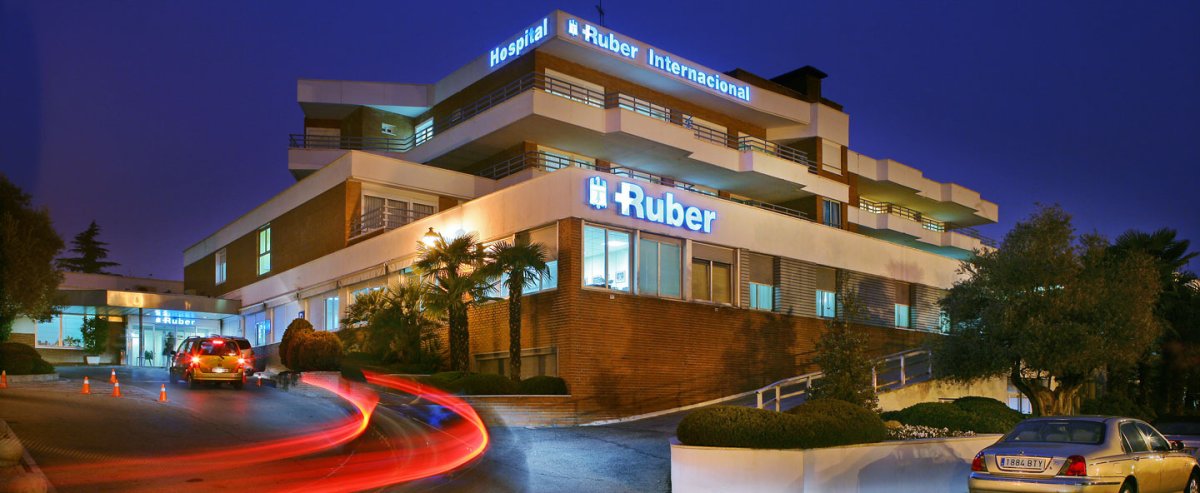


GenesisCare Clinics

Hospital Universitario HM Sanchinarro
Antonio Cubillo Gracián



Obtenga una evaluación médica para Tumores neuroendocrinos pancreáticos en España: consulte con doctores experimentados ahora
Ver todos los médicos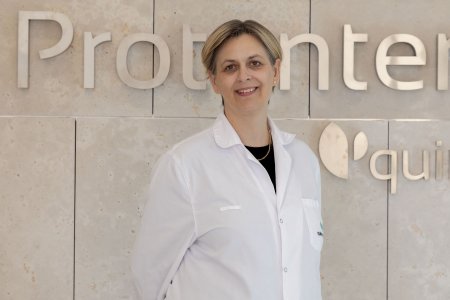
Stephanie Lilianne E Bolle
La Dra. Stephanie Lilianne E. Bolle es oncóloga radioterápica y jefa de Oncología Radioterápica del Centro de Protonterapia de Quirónsalud en Madrid. Dirige el departamento desde julio de 2024. Es el primer centro de protonterapia de España.
Doctora en Medicina, Universidad de Lieja (1998). Especialista en Oncología Radioterápica (2003). Es miembro activo de la Sociedad Europea de Oncología Pediátrica y colabora con su Grupo de Tumores Cerebrales y el Grupo de Trabajo de Oncología Radi
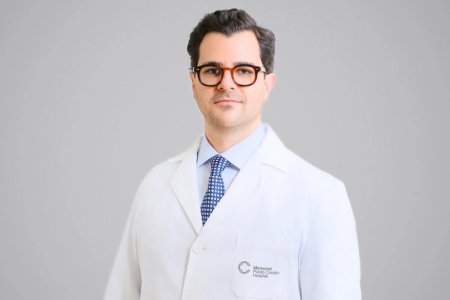
Pedro Nespral Torres
El Dr. Pedro Nespral Torres es médico especialista en medicina nuclear en el Hospital Memorial Publio Cordón de Madrid. Trata afecciones tiroideas y cáncer mediante terapia con radioyodo. El Dr. Torres trabaja con cáncer de próstata y tumores neuroendocrinos pancreáticos.
Ejerce en un centro acreditado por la Joint Commission International. El hospital cuenta con más de 100 especialistas y sigue los protocolos clínicos europeos.
Antonio Cubillo Gracián
El Dr. Antonio Cubillo Gracián se especializa en oncología con enfoque en tumores neuroendocrinos pancreáticos en el Hospital Universitario HM Sanchinarro.
- Director del Máster de investigación de posgrado en investigación clínica y aplicada en oncología
- Profesor asociado del Máster en Oncogénesis con amplia experiencia docente en oncología
- Formado en patología del sistema digestivo
Compartir contenido
Historias en video de pacientes de Bookimed
 Olena Sikoza
Preguntas frecuentes sobre el tratamiento de Tumores neuroendocrinos pancreáticos en España
¿Cómo se estadifican y evalúan para tratamiento los tumores neuroendocrinos pancreáticos (PanNETs) en España?
Los centros oncológicos españoles estadifican los tumores neuroendocrinos pancreáticos utilizando la clasificación TNM de la AJCC y el grado biológico de la OMS. Los comités de tumores multidisciplinarios especializados en clínicas acreditadas por la JCI evalúan la resecabilidad, la funcionalidad hormonal y el índice de proliferación Ki-67. Las herramientas de diagnóstico clave incluyen PET-TC con 68Ga-DOTATATE y resonancia magnética de alta resolución para un mapeo preciso del tumor.
- Imagenología diagnóstica: El PET-TC con 68Ga-DOTATATE detecta la expresión de receptores de somatostatina para guiar las decisiones de terapia dirigida.
- Gradación biológica: Los patólogos utilizan el índice Ki-67 para categorizar los tumores desde G1 de crecimiento lento hasta G3 agresivos.
- Confirmación tisular: La ecografía endoscópica con biopsia por aspiración con aguja fina proporciona muestras de alta precisión para una histopatología y estadificación definitivas.
- Terapéutica avanzada: La selección entre la terapia CyberKnife, NanoKnife o Actinium-225 depende de la ubicación y la propagación del tumor.
Perspectiva del experto de Bookimed: Los centros oncológicos de primer nivel de España a menudo priorizan la enucleación con preservación de órganos para tumores de menos de 2 cm en lugar de la resección radical. Los datos muestran que centros como el C
¿Es siempre necesaria la cirugía para un tumor neuroendocrino pancreático?
La cirugía no siempre es necesaria para los tumores neuroendocrinos pancreáticos. Los médicos a menudo recomiendan la vigilancia activa para tumores pequeños y no funcionales de menos de 2 centímetros. Las decisiones dependen del tamaño del tumor, la tasa de crecimiento, la actividad hormonal y la salud general. La enfermedad metastásica avanzada a veces requiere terapias sistémicas en lugar de cirugía primaria.
- Vigilancia activa: Las resonancias magnéticas o tomografías computarizadas regulares monitorean de forma segura los tumores de crecimiento lento y asintomáticos.
- Actividad hormonal: Los tumores funcionales que causan síntomas como niveles bajos de azúcar en sangre generalmente requieren intervención quirúrgica.
- Tamaño del tumor: Los tumores que superan los 2 centímetros conllevan mayores riesgos de propagación y generalmente requieren su extirpación.
- Medicina nuclear: Opciones avanzadas como el Actinio-225 o la PRRT se dirigen a las células cancerosas sin necesidad de cirugía abierta.
- Herramientas de radiocirugía: Los centros suelen utilizar CyberKnife o NanoKnife para la destrucción precisa y no invasiva de tumores.
Perspectiva del experto de Bookimed: Si bien la cirugía sigue siendo el estándar para los casos localizados, los centros de alto volumen en España priorizan la toma de decisiones multidisci
¿Qué terapias sistémicas están disponibles si el tumor no puede ser extirpado quirúrgicamente?
Las terapias sistémicas para tumores neuroendocrinos pancreáticos irresecables en España se centran en controlar el crecimiento tumoral y gestionar la secreción hormonal. Las opciones de tratamiento incluyen análogos de somatostatina, terapias dirigidas como sunitinib y terapia con radionúclidos receptores de péptidos. Los centros oncológicos españoles utilizan diagnósticos precisos para seleccionar la medicación según el grado del tumor.
- Análogos de somatostatina: Fármacos como octreotida o lanreotida estabilizan los tumores y controlan los síntomas inducidos por hormonas.
- Terapia dirigida: Los inhibidores de moléculas pequeñas como sunitinib bloquean las proteínas que promueven la supervivencia de las células cancerosas.
- Terapia con radionúclidos: La PRRT administra radiación dirigida directamente a las células que expresan receptores de somatostatina específicos.
- Quimioterapia citotóxica: Agentes como capecitabina y temozolomida atacan las células tumorales agresivas o de rápido crecimiento.
Perspectiva del experto de Bookimed: Centros españoles como el Hospital Universitario HM Sanchinarro y el Grupo GenesisCare ofrecen tecnologías de radiación altamente especializadas, incluyendo CyberKnife y terapia con Actinio-225. Los datos muestran que las clínicas en Madrid y Barcelona a menudo tratan a más de 10,000 pacientes al año. Este alt
¿Qué opciones existen si los tumores neuroendocrinos pancreáticos han hecho metástasis en el hígado?
Los centros oncológicos españoles tratan los tumores neuroendocrinos pancreáticos metastásicos mediante estrategias multimodales. Las opciones incluyen la resección radical para lesiones aisladas o la cirugía citorreductora para eliminar del 70% al 90% de la masa tumoral. Los centros avanzados utilizan radiocirugía CyberKnife, PRRT y terapias dirigidas al hígado para controlar la enfermedad y gestionar los síntomas.
- Resección quirúrgica: Los cirujanos extirpan el tumor primario y las lesiones hepáticas si queda un 30% de hígado sano.
- Terapia dirigida al hígado: Técnicas como la embolización, SIRT o NanoKnife atacan las lesiones preservando el tejido hepático sano.
- Terapia sistémica: Los análogos de la somatostatina y los fármacos dirigidos como el everolimus ralentizan el crecimiento y reducen los síntomas hormonales.
- Terapia con radionucleidos: La PRRT con Lutecio-177 o Actinio-225 administra radiación precisa directamente a las células tumorales.
Perspectiva del experto de Bookimed: España ofrece una concentración única de centros oncológicos altamente especializados como el Hospital Ruber Internacional y HM Sanchinarro en Madrid. Estos centros atienden a más de 425.000 pacientes en conjunto cada año. Este alto volumen permite a cirujanos como el Dr. Antonio Cubillo Gracián ofrecer procedimientos complejos como la Electroporación Irre
¿Dónde están los mejores hospitales para el tratamiento de PanNET en España?
España alberga centros reconocidos mundialmente para los tumores neuroendocrinos pancreáticos (PanNET), liderados por el Hospital Universitari Vall d'Hebron. Este centro actúa como Centro de Excelencia de la Sociedad Europea de Tumores Neuroendocrinos (ENETS). Otras instituciones de primer nivel incluyen el Centro Médico Teknon y el Hospital Ruber Internacional para oncología de precisión.
- Centro de excelencia: Vall d'Hebron posee la rara certificación ENETS para el manejo especializado de tumores neuroendocrinos.
- Radiocirugía avanzada: El Hospital Ruber Internacional utiliza CyberKnife para la ablación tumoral precisa y no invasiva.
- Precisión quirúrgica: El Centro Médico Teknon cuenta con acreditación JCI y está altamente valorado para resecciones pancreáticas complejas.
- Oncología especializada: El Dr. Antonio Cubillo Gracián lidera la investigación oncológica en el Hospital Universitario HM Sanchinarro.
Perspectiva del experto de Bookimed: Aunque muchos hospitales generales tratan el cáncer de páncreas, los pacientes con PanNET deben priorizar los centros acreditados por la JCI en Madrid o Barcelona. Los datos muestran que estas ciudades albergan instalaciones como el Hospital Ruber Internacional y el Centro Médico Teknon. Estos centros realizan miles de cirugías al año y utilizan tecnología avanzada CyberKnife para casos neuroendocri
¿Pueden los pacientes internacionales acceder a nuevos ensayos clínicos de PanNET en España?
Los pacientes internacionales pueden acceder a nuevos ensayos clínicos de PanNET en España a través de importantes centros oncológicos académicos. La aprobación depende del cumplimiento de estrictos criterios de inclusión, como mutaciones genéticas o grados tumorales. España alberga más de 900 ensayos oncológicos anuales. Estos a menudo incluyen terapias avanzadas como el Actinium-225 o la tecnología NanoKnife.
- Aceptación del centro: Los investigadores principales deben aprobar formalmente a los pacientes no residentes para la inscripción en ensayos específicos.
- Elegibilidad clínica: Los pacientes deben proporcionar portaobjetos de patología, el índice Ki-67 y registros completos de imágenes.
- Requisitos de idioma: Los formularios de consentimiento informado son legalmente requeridos en español o en lenguas regionales como el catalán.
- Logística: Los patrocinadores de los ensayos suelen cubrir la medicación. Los pacientes generalmente pagan por su cuenta los viajes y los escaneos estándar.
Perspectiva del experto de Bookimed: Los centros de referencia españoles como el Hospital Universitario HM Sanchinarro manejan grandes volúmenes de pacientes. El Dr. Antonio Cubillo Gracián dirige la investigación allí mientras forma a futuros oncólogos. Nuestros datos muestran que estos entornos con gran carga académica a menudo ofrecen los caminos más
¿Ofrecen los hospitales españoles asistencia en inglés para turistas médicos?
Los principales hospitales privados españoles ofrecen una amplia asistencia en inglés a través de departamentos dedicados a pacientes internacionales. Los centros en Madrid y Barcelona cuentan con especialistas en oncología que hablan inglés con fluidez. Aunque el personal clínico suele hablar inglés, el apoyo administrativo varía. Bookimed gestiona toda la logística, traducción y comunicación con el hospital para garantizar una atención sin problemas.
- Departamentos especializados: Las áreas para pacientes internacionales gestionan la programación y facturación en inglés.
- Apoyo lingüístico: Los traductores asisten durante consultas oncológicas complejas y la planificación quirúrgica.
- Documentación médica: Los centros de primer nivel proporcionan informes de alta y de patología en inglés.
- Enfoque geográfico: Los hospitales de Madrid y Barcelona ofrecen las mayores tasas de personal bilingüe.
Perspectiva del experto de Bookimed: Los datos muestran que el volumen de pacientes de un hospital se correlaciona directamente con la profundidad de los servicios lingüísticos. Los grandes centros como el Hospital Universitario HM Sanchinarro y el Centro Médico Teknon gestionan miles de casos internacionales al año. Estas instalaciones de gran volumen mantienen protocolos de traducción consistentes que a menudo faltan en clínicas más pequeñas.
<