Tratamiento de Absceso de la médula espinal en Israel — obtenga 3 coincidencias personalizadas de clínicas


Revisado médicamente por
Fahad Mawlood
Cómo funciona
¿Cuál es el precio del diagnóstico y los tratamientos de Absceso de la médula espinal en Israel? Descubra ahora
| Israel | España | Turquía | |
|---|---|---|---|
| Terapia con haz de protones | ≈ $48,000 | de $43,300 | de $25,000 |
| Sistema Robótico Da Vinci | ≈ $17,000 | ≈ $9,500 | de $23,900 |
| Extirpación de tumor de médula espinal | ≈ $38,000 | de $34,800 | de $12,000 |
| CyberKnife | ≈ $17,000 | de $14,800 | de $4,900 |
Descubra las mejores clínicas de tratamiento de Absceso de la médula espinal en Israel: 8 opciones verificadas y Precios











Herzliya Medical Center

Shaare Zedek Medical Center

Elisha Hospital
Obtenga una evaluación médica de tratamiento de Absceso de la médula espinal en Israel: haga una consulta con 10 médicos experimentados ahora
Ver todos los médicos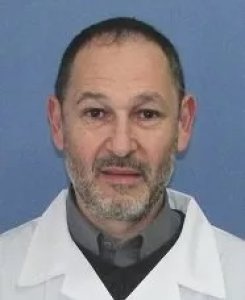
Zvi Cohen
El Prof. Zvi Cohen es director del Departamento de Neurocirugía y de la Unidad de Neurooncología del Centro Médico Sheba. Neurocirujano y experto en neurooncología, fue incluido en la lista de los Mejores Médicos 2025 de Forbes Israel. Lidera investigación clínica sobre terapias farmacológicas para tumores cerebrales malignos y fundó el banco de tejidos de tumores cerebrales de Sheba.
Es especialista certificado en neurocirugía. Se formó en la Universidad de Tel Aviv y realizó subespec

Zvi Lidar
El Dr. Zvi Lidar se especializa en neurocirugía para adultos y niños, con miles de cirugías de columna mínimamente invasivas realizadas.
- Estar certificado para el tratamiento quirúrgico en Israel y EE. UU.
- Graduarse en la Universidad de Tel Aviv y formarse en EE. UU. y Japón
- Ser autor de más de 30 artículos científicos sobre cirugía de columna
- Ser miembro de la American Association of Neurological Surgeons y de la Israel Spine Society

Professor Shimon Rochkind
47 años de experiencia en neurocirugía – El Prof. Rochkind se especializa en afecciones de la médula espinal y microcirugía de nervios periféricos en el Centro Médico Sourasky.
- Formado en neurocirugía pediátrica en el Hospital for Sick Children de Canadá
- Utiliza técnicas mínimamente invasivas y tecnologías láser para cirugías complejas de columna
- Dirige la Sociedad Israelí de Neurotecnologías Láser
- Miembro de la Federación Mundial de Sociedades de Neurocirugía

Zvi Ram
Dirige la Asociación Europea de Sociedades de Neurocirugía (EANS); el Prof. Zvi Ram es reconocido como uno de los mejores neurocirujanos del mundo.
- Experto en cirugía mínimamente invasiva de cerebro y médula espinal
- Especializado en técnicas avanzadas, incluyendo mapeo cerebral y estimulación cerebral profunda
- Galardonado con el Premio Borenstein y el Premio de la Fundación Goldhirsh por su investigación innovadora
- Realizó formación neuroquirúrgica especializada en Grecia, Suiza y los Países Bajos
- Activo en el desarrollo de nuevas terapias basadas en genes y técnicas quirúrgicas
Compartir contenido
Historias en video de pacientes de Bookimed
 Olena Sikoza
Preguntas frecuentes sobre el tratamiento de Absceso de la médula espinal en Israel
¿Qué hospitales y especialistas tienen más experiencia en el tratamiento de abscesos de la médula espinal en Israel?
Los centros terciarios israelíes como el Tel Aviv Sourasky Medical Center y el Sheba Medical Center brindan atención neuroquirúrgica especializada para abscesos de la médula espinal. Estas instalaciones cuentan con departamentos acreditados por la JCI y equipos multidisciplinarios. Especialistas altamente experimentados realizan descompresiones de emergencia para garantizar una recuperación neurológica óptima y prevenir la parálisis permanente.
- Equipos quirúrgicos especializados: Los neurocirujanos de Sourasky realizan más de 2.500 operaciones al año para afecciones complejas.
- Neurocirujanos líderes: Los profesores Shimon Rochkind y Zvi Ram se especializan en cirugía de columna mínimamente invasiva.
- Diagnóstico avanzado: La resonancia magnética de alta resolución y el análisis bioquímico de sangre son estándar para el mapeo rápido de infecciones.
- Protocolos multidisciplinarios: El tratamiento combina el drenaje neuroquirúrgico con 6 a 8 semanas de manejo intensivo de enfermedades infecciosas.
Perspectiva del experto de Bookimed: Los centros médicos israelíes como Sheba y Hadassah tienen una estructura única para gestionar la ventana crítica de 24 horas para las infecciones de la columna. Si bien muchas instalaciones ofrecen neurocirugía, estos centros integran especialistas en enfermedades infecciosas y unidades dedicadas a la rehabilit
¿Es siempre necesaria la cirugía para un absceso de la médula espinal y qué procedimientos se utilizan?
La cirugía para un absceso de la médula espinal no siempre es necesaria. Los médicos pueden tratar a pacientes estables solo con antibióticos intravenosos. La cirugía urgente es esencial si aparecen síntomas como debilidad. Los neurocirujanos israelíes utilizan la laminectomía descompresiva o la aspiración con aguja para aliviar la presión y drenar las infecciones.
- Criterios conservadores: Los abscesos pequeños sin deterioro neurológico a menudo responden a una terapia antibiótica prolongada.
- Laminectomía descompresiva: Los cirujanos eliminan hueso para descomprimir la médula espinal y permitir una evacuación segura.
- Laminectomías segmentarias (Skip laminectomies): Esta técnica drena infecciones en múltiples niveles mientras preserva la estabilidad estructural de la columna.
- Aspiración con aguja: El drenaje guiado por TC ofrece una opción mínimamente invasiva para candidatos quirúrgicos de alto riesgo.
- Métodos endoscópicos: Herramientas especializadas permiten un desbridamiento que preserva los tejidos para acelerar los tiempos de recuperación del paciente.
Perspectiva del experto de Bookimed: Los departamentos de neurocirugía israelíes, como el Sourasky Medical Center, gestionan volúmenes extremadamente altos de casos complejos. Realizan más de 34.000 cirugías al año. Nuestros datos muestran que profesores des
¿Qué antibióticos se administran para el absceso de la médula espinal en los hospitales israelíes?
Los hospitales israelíes proporcionan una terapia antibiótica intensiva para los abscesos de la médula espinal con el fin de atacar al Staphylococcus aureus y a los patógenos gramnegativos. El tratamiento comienza con vancomicina combinada con cefalosporinas de tercera o cuarta generación. La consulta neuroquirúrgica temprana es una práctica estándar en los centros acreditados por la JCI en Tel Aviv y Jerusalén.
- Régimen empírico estándar: La vancomicina cubre el SARM, mientras que las cefalosporinas de tercera generación tratan las bacterias gramnegativas.
- Alternativas de amplio espectro: La piperacilina/tazobactam proporciona una cobertura extensa para infecciones postquirúrgicas o riesgos de Pseudomonas.
- Duración del tratamiento: El tratamiento intravenoso suele durar de 4 a 8 semanas para la erradicación completa.
- Integración quirúrgica: Los antibióticos complementan la laminectomía de emergencia y el drenaje realizados por cirujanos especialistas en columna vertebral.
Opinión de expertos de Bookimed: Aunque los protocolos generales son estándar, los centros de primer nivel como el Centro Médico Sourasky utilizan resonancia magnética intraoperatoria y sistemas de navegación durante el drenaje. Estas tecnologías aseguran la eliminación completa del absceso. Esta precisión a menudo permite una transición más rápida a antibióticos orale
¿Cómo se diagnostica el absceso de la médula espinal en las clínicas israelíes y qué pruebas se utilizan?
Las clínicas israelíes diagnostican los abscesos de la médula espinal utilizando la resonancia magnética (RM) con gadolinio como estándar de imagen principal. Esta prueba mantiene una sensibilidad superior al 90% para detectar lesiones. Los especialistas combinan estas exploraciones con marcadores sanguíneos inflamatorios y cultivos microbianos para confirmar la infección e identificar las bacterias causantes para un tratamiento dirigido.
- Estándar de imagen: La RM con gadolinio revela lesiones con realce anular y compresión de la médula espinal.
- Análisis de laboratorio: Los paneles sanguíneos rastrean la proteína C reactiva elevada y los glóbulos blancos.
- Identificación microbiana: Los cultivos de sangre o de líquido aspirado del absceso guían la selección de antibióticos.
- Alternativa diagnóstica: La TC con mielografía se utiliza solo si la RM está contraindicada.
Perspectiva del experto de Bookimed: Los neurocirujanos israelíes priorizan la rapidez porque el diagnóstico tardío afecta la recuperación. Hospitales como el Sourasky Medical Center gestionan más de 400,000 pacientes al año y utilizan RM intraoperatoria. Esto permite a cirujanos como el profesor Shimon Rochkind, que cuenta con más de 35 años de experiencia, confirmar la eliminación del absceso en tiempo real. Elegir un centro de alto volumen garantiza acceso 24/7 a imágenes a
¿Cuál es la recuperación esperada y el pronóstico a largo plazo después del tratamiento de un absceso en la médula espinal?
La recuperación tras el tratamiento de un absceso en la médula espinal depende en gran medida de la rapidez con la que se realice la cirugía de descompresión. Los neurocirujanos israelíes informan que la intervención en las primeras 24 horas mejora significativamente los resultados neurológicos. La supervivencia a largo plazo es de aproximadamente el 86 % a los 5 años. La mayoría de las ganancias funcionales ocurren dentro de los 18 meses posteriores a la cirugía.
- Recuperación funcional: Hasta el 92 % de los pacientes recuperan la capacidad de caminar de forma independiente con un tratamiento temprano.
- Duración de los antibióticos: Los pacientes suelen someterse a 4 a 8 semanas de terapia antibiótica intravenosa.
- Déficits neurológicos: Aproximadamente del 20 % al 40 % de los pacientes experimentan debilidad motora residual o dolor.
- Riesgo de recurrencia: La infección regresa en aproximadamente el 6,6 % de los casos, lo que requiere un seguimiento a largo plazo.
Perspectiva del experto de Bookimed: Los centros israelíes como el Sourasky Medical Center aprovechan la resonancia magnética intraoperatoria y los sistemas de navegación para el drenaje de abscesos. Estas tecnologías ayudan a los cirujanos a evitar dañar el tejido nervioso sano durante los procedimientos de emergencia. Los datos sugieren que elegir clínicas académicas de alto vo
¿Se están estudiando en Israel tratamientos regenerativos o novedosos para las lesiones de la médula espinal?
Israel es un centro mundial principal para la investigación de la regeneración de la médula espinal. Los avances incluyen implantes funcionales de tejido de médula espinal humana en 3D y los primeros andamios neuronales personalizados del mundo. Instituciones líderes como el Centro Médico Sheba y la Universidad de Tel Aviv estudian estos tratamientos novedosos para restaurar las conexiones nerviosas.
- Ingeniería de tejidos: Las redes neuronales 3D funcionales utilizan actualmente el propio material celular del paciente.
- Terapia con células madre: Las células madre mesenquimales se mejoran para secretar factores de crecimiento para la reparación nerviosa.
- Tecnología de exoesqueleto: Las interfaces cerebro-médula espinal impulsadas por IA decodifican los pensamientos de movimiento con una precisión aproximada del 93%.
- Estado clínico: Varios protocolos han pasado de ensayos exitosos en animales al uso compasivo en humanos.
Opinión del experto de Bookimed: Aunque el Centro Médico Sheba es líder en ensayos clínicos, muchos pacientes pasan por alto la profundidad de la investigación en el Centro Médico Sourasky. El Dr. Zvi Ram en Sourasky se centra específicamente en terapias basadas en genes y técnicas quirúrgicas novedosas. Esto indica que la innovación de Israel no se limita a las células madre, sino que incluye enfoques genéticos y de bioi
¿Por qué Israel es uno de los principales destinos para la neurocirugía?
Israel es un centro líder en neurocirugía gracias a su combinación de avances médicos de alta tecnología y una experiencia quirúrgica de primer nivel. Instalaciones avanzadas como el Centro Médico Sheba utilizan sistemas de navegación basados en IA y resonancia magnética intraoperatoria en tiempo real. Centros especializados reportan una tasa de éxito del 98% en procedimientos complejos, como la craneotomía con el paciente despierto y el tratamiento de trastornos del movimiento.
- Tecnología avanzada: Las clínicas utilizan ultrasonido enfocado guiado por resonancia magnética (MRgFUS) y sistemas robóticos para realizar incisiones.
- Experiencia quirúrgica: Cirujanos como el Dr. Zvi Ram lideran asociaciones internacionales con más de 25 años de experiencia.
- Acceso rápido: Los pacientes internacionales generalmente pueden programar cirugías complejas de cerebro o columna en un plazo de 2 a 4 semanas.
- Atención médica acreditada: Grandes centros como Sourasky (Ichilov) y Assuta están acreditados por la JCI, lo que confirma su seguridad.
Opinión experta de Bookimed: Los datos muestran una clara diferencia entre las opciones de tratamiento públicas y privadas en Israel. Centros privados, como el Centro Médico Assuta, realizan más de 92.000 cirugías al año y permiten a los pacientes elegir a un cirujano líder específico. Esto supone una ventaja signi
¿Qué tipos de enfermedades neuroquirúrgicas se tratan en Israel?
Los neurocirujanos israelíes tratan una amplia gama de afecciones, desde tumores cerebrales y de médula espinal hasta trastornos funcionales complejos. Los centros especializados utilizan tecnologías de vanguardia, como el bisturí de rayos gamma, la estimulación cerebral profunda y la resonancia magnética intraoperatoria, para un diagnóstico altamente preciso de la epilepsia, la enfermedad de Parkinson y las patologías cerebrovasculares.
- Enfermedades oncológicas: tratamiento de gliomas, meningiomas y tumores hipofisarios mediante resección de la base del cráneo.
- Trastornos funcionales: tratamiento de la enfermedad de Parkinson y del temblor esencial mediante estimulación cerebral profunda.
- Patologías de columna: corrección de escoliosis, hernias discales y tumores espinales mediante sistemas robóticos.
- Tratamiento de las enfermedades cerebrovasculares: tratamiento quirúrgico de aneurismas cerebrales y malformaciones arteriovenosas mediante intervenciones endovasculares.
- Neurocirugía pediátrica: atención especializada en hidrocefalia y anomalías congénitas en centros pediátricos especializados.
Opinión experta de Bookimed: Los hospitales israelíes suelen combinar diversas especialidades para abordar casos complejos. En el Centro Médico Sourasky, neurocirujanos como el Dr. Zvi Lidar combinan neurocirugía y ortopedi
¿Qué hospitales en Israel son más conocidos por sus departamentos de neurocirugía?
Israel alberga centros neuroquirúrgicos de renombre mundial, como el Centro Médico Sourasky, el Centro Médico Sheba y el Centro Médico Hadassah. Estas instituciones son líderes mundiales en el tratamiento de tumores cerebrales complejos, enfermedades de la columna vertebral y trastornos del movimiento. Utilizan tecnologías de vanguardia como el bisturí de rayos gamma, sistemas robóticos y resonancia magnética intraoperatoria.
- Suraski (Ichilov): realiza más de 2.500 operaciones neuroquirúrgicas al año en Tel Aviv con una tasa de éxito del 98%.
- Centro Médico Sheba: clasificado entre los diez mejores hospitales del mundo, trata a 1,9 millones de pacientes al año.
- Centro Médico Hadassah: Nominado al Premio Nobel de la Paz. Líder en neurocirugía pediátrica y terapia génica.
- Centro Médico Assuta: el centro médico privado más grande de Israel. Especializado en cirugías mínimamente invasivas de columna y cerebro.
- Hospital Infantil Schneider: un centro líder en neurocirugía pediátrica que trata a 275.000 niños al año.
Opinión experta de Bookimed: Nuestros datos muestran que, si bien la mayoría de los pacientes buscan tratamiento en Tel Aviv, el Centro Médico Rambam en Haifa ofrece una atención única para neurotraumatismos. Cuenta con una unidad especializada en cuidados neurocríticos que atiende a aproximadamente un milló
¿Quiénes son los principales neurocirujanos en Israel?
Entre los neurocirujanos israelíes más destacados se encuentran los profesores Zvi Ram, Shlomi Constantini e Itzhak Fried, del Centro Médico Sourasky. Estos especialistas ocupan puestos de liderazgo en la Asociación Europea de Sociedades de Neurocirugía (EANS) y la Sociedad Mundial de Neurocirugía Estereotáctica y Funcional (WSSFN). Utilizan técnicas avanzadas de mapeo intraoperatorio y sistemas robóticos.
- Profesor Zvi Ram: experto en cirugía mínimamente invasiva de tumores cerebrales y terapia genética para el cáncer.
- Profesor Shlomi Constantini: Se especializa en procedimientos neuroendoscópicos pediátricos complejos y microcirugía para tumores cerebrales.
- Profesor Itzhak Fried: una autoridad en cirugía de epilepsia, mapeo cerebral funcional y estimulación cerebral profunda.
- Dr. Eli Ashkenazi: Cirujano ortopédico líder en el Hospital Assuta, especializado en el innovador sistema TOPS.
Opinión de los expertos de Bookimed: Los datos de Sourasky y Sheba indican una fuerte correlación entre un alto volumen quirúrgico y la seguridad del paciente. Por ejemplo, Sourasky realiza más de 34.000 cirugías oncológicas al año con una tasa de éxito del 90 %. Los pacientes que requieren la extirpación de un tumor complejo deberían priorizar centros como estos, donde los cirujanos realizan cientos de procedimientos especializados al año.