Absceso de la médula espinal en Polonia: las 5 mejores clínicas para su tratamiento


Revisado médicamente por
Fahad Mawlood
¿Cuál es el precio del diagnóstico y los tratamientos de Absceso de la médula espinal en Polonia? Descubra ahora
El costo del tratamiento de un absceso en la médula espinal en Polonia varía según la complejidad de la atención neurológica y la cirugía. De $87. Los gastos totales dependen de la ubicación del absceso y de la rehabilitación necesaria. Los pacientes suelen ahorrar entre un 40 y un 60 % en comparación con los EE. UU. Los mejores centros de tratamiento se encuentran en Varsovia, Cracovia y Jelenia Góra.
Costos típicos del tratamiento de un absceso en la médula espinal en Polonia
- Consulta con un neurocirujano: de $87
- Consulta con un neurólogo: de $75
- Análisis de sangre extendido: de $650
- ECG: de $28
- Extirpación de tumor de la médula espinal: $9,500 – $15,500
- CyberKnife: $6,500 – $9,500
- Sistema robótico Da Vinci: $6,500 – $9,800
- Terapia de haz de protones: $85,000 – $120,000
Perspectiva de los expertos de Bookimed: Para los pacientes que requieren una descompresión espinal compleja, los centros multidisciplinarios como el Hospital Universitario de Cracovia proporcionan una profundidad de recursos esencial. Su equipo de más de 1000 médicos atiende a 455 000 pacientes al año utilizando un excelente equipamiento técnico. Los pacientes internacionales que buscan una atención simplificada deberían considerar la Clínica KCM. Este centro cuenta con la certificación ISO y se especializa en cirugía de columna mínimamente invasiva. Ofrece paquetes personalizados para pacientes que llegan desde el Reino Unido y Alemania. Aquellos que necesiten una recuperación intensiva pueden utilizar el Centro Médico ENEL-MED para servicios integrados de rehabilitación posoperatoria.
| Polonia | España | Turquía | |
|---|---|---|---|
| Terapia con haz de protones | ≈ $85,000 | de $43,300 | de $25,000 |
| Sistema Robótico Da Vinci | ≈ $6,500 | de $16,800 | de $23,900 |
| Extirpación de tumor de médula espinal | ≈ $9,500 | de $34,800 | de $12,000 |
| CyberKnife | ≈ $6,500 | de $14,800 | de $4,900 |
Sus beneficios y garantías con Bookimed
Precios directos
Bookimed no añade cargos extra a los precios de los tratamientos de Absceso de la médula espinal. Las tarifas proceden de las listas de precios oficiales de las clínicas. Pagará directamente en la clínica por su tratamiento a su llegada al país.
Sólo clínicas y médicos verificados
Bookimed está comprometido con su seguridad. Solo trabajamos con las clínicas que mantienen altos estándares internacionales en el tratamiento de Absceso de la médula espinal y cuentan con las licencias necesarias para atender a pacientes internacionales en todo el mundo.
Asistencia 24/7 gratuita
Bookimed ofrece asistencia experta gratuita. Un coordinador médico personal le apoya antes, durante y después de su tratamiento, resolviendo cualquier problema. Nunca estará solo en su viaje médico de tratamiento de Absceso de la médula espinal.

Su coordinador médico personal de Bookimed
- Le apoya en cada etapa
- Ayuda a elegir la clínica y el médico adecuados
- Asegura un acceso rápido y conveniente a la información
Descubra las mejores clínicas de tratamiento de Absceso de la médula espinal en Polonia: 5 opciones verificadas y Precios




Hospital Universitario de Cracovia

Enel Med
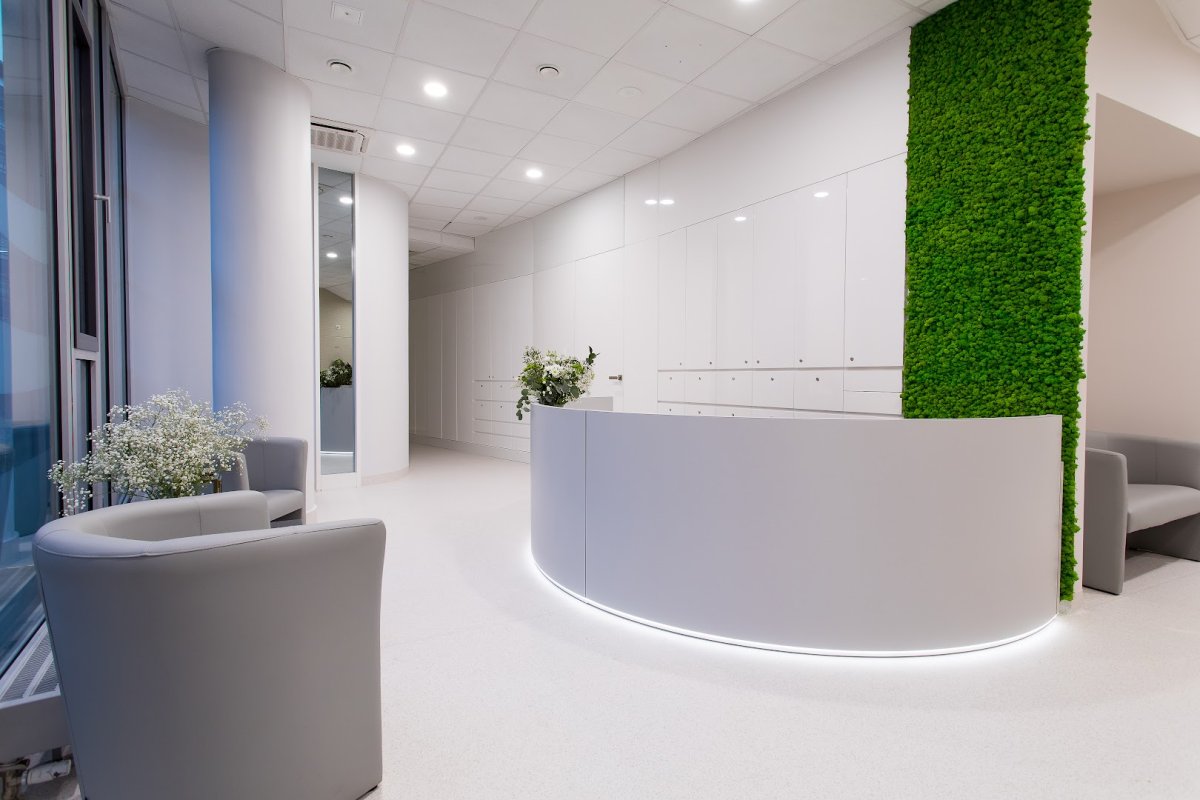
Medi Horizon Clinic
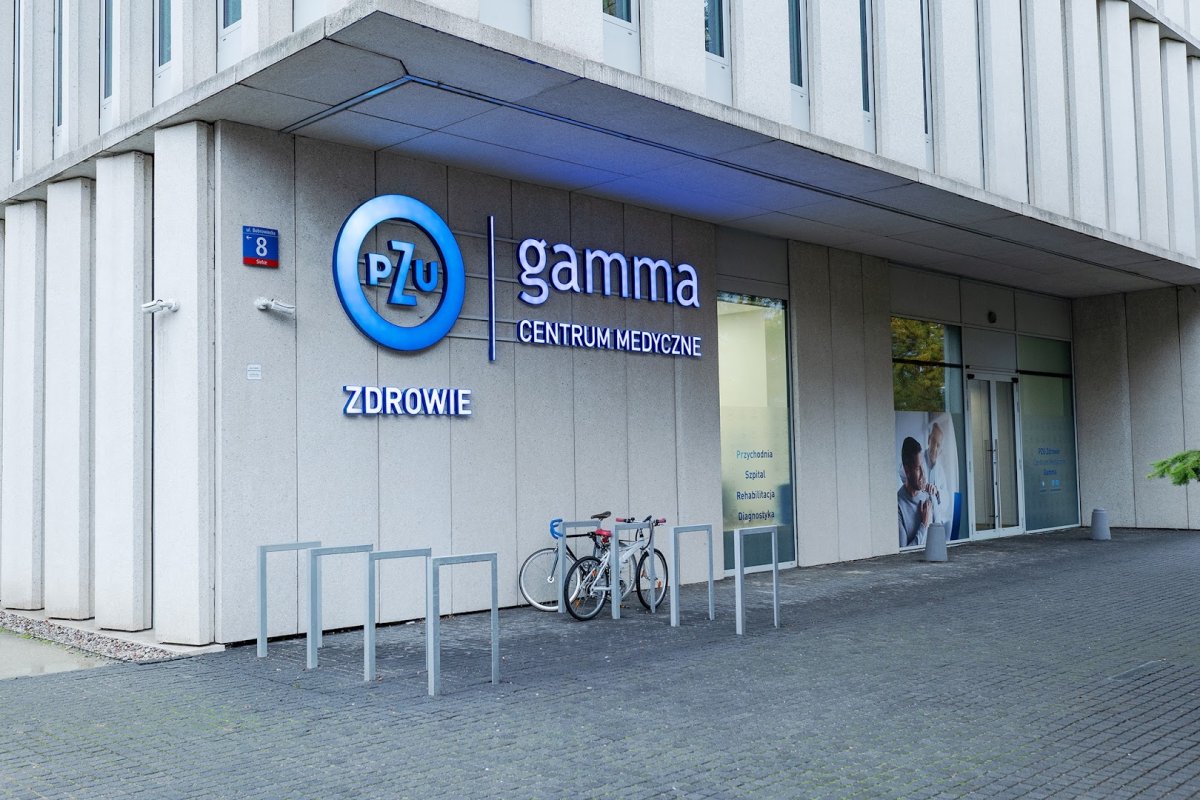
Centrum Medyczne Gamma
Compartir contenido
Historias en video de pacientes de Bookimed
 Olena Sikoza
Preguntas frecuentes sobre el tratamiento de Absceso de la médula espinal en Polonia
¿Por qué un absceso de la médula espinal se trata como una emergencia médica en Polonia?
Los abscesos de la médula espinal son emergencias médicas en Polonia debido a la rápida compresión neural. Retrasar la descompresión más allá de las 48 horas causa daños neurológicos irreversibles o la muerte. Los protocolos polacos priorizan la cirugía inmediata para prevenir la isquemia y la parálisis permanente. Los centros ofrecen acceso neuroquirúrgico las 24 horas del día, los 7 días de la semana para estos casos críticos.
- Riesgo de isquemia: La acumulación de pus genera presión. Esto corta el suministro de sangre local en cuestión de horas.
- Ventana neurológica: La descompresión quirúrgica debe realizarse dentro de las 48 horas para preservar la función motora.
- Prioridad diagnóstica: Los centros polacos utilizan resonancia magnética con contraste para el mapeo inmediato de la infección.
- Resultado clínico: Más del 50% de los pacientes no tratados sufren déficits permanentes o complicaciones fatales.
Perspectiva del experto de Bookimed: La infraestructura de Polonia para emergencias de columna está altamente concentrada en grandes centros académicos. El Hospital Universitario de Cracovia por sí solo atiende a 455.000 pacientes al año. Este alto volumen garantiza que los equipos neuroquirúrgicos estén siempre en el lugar. Por el contrario, las clínicas regionales más pequeñas, como la KCM Clinic, se especializan más en cirugía de col
¿Qué especialistas médicos tratan el absceso de la médula espinal en Polonia?
Los neurocirujanos y neurólogos gestionan principalmente los abscesos de la médula espinal en los centros médicos polacos. Estos especialistas proporcionan descompresión quirúrgica urgente y evaluación diagnóstica. Los expertos en enfermedades infecciosas y los neurorradiólogos apoyan al equipo de atención. Los centros de tratamiento como el Hospital Universitario de Cracovia ofrecen cobertura de emergencia multidisciplinaria las 24 horas del día, los 7 días de la semana.
- Neurocirujanos: Realizan laminectomías urgentes y drenaje de abscesos para prevenir la parálisis.
- Neurólogos: Realizan evaluaciones iniciales y monitorean los indicadores de deterioro de la médula espinal.
- Especialistas en enfermedades infecciosas: Coordinan protocolos de terapia antibiótica o antifúngica intravenosa de alta dosis.
- Neurorradiólogos: Utilizan resonancia magnética con contraste para mapear los límites precisos del absceso para la cirugía.
Perspectiva del experto de Bookimed: Polonia alberga 86 clínicas en nuestra plataforma, incluido el Hospital Universitario de Cracovia. Esta institución histórica atiende a 455,000 pacientes al año con 1,066 médicos especializados. Los grandes centros multidisciplinarios son vitales para los abscesos porque combinan la neurocirugía y los cuidados intensivos. Las clínicas más pequeñas a menudo se centran en la cirugía de
¿Se puede curar la infección solo con antibióticos sin someterse a cirugía?
Los abscesos de la médula espinal a veces se resuelven con antibióticos intravenosos si la infección es pequeña. La mayoría de los casos requieren cirugía urgente para evitar daños nerviosos permanentes. Los médicos suelen reservar el tratamiento exclusivo con antibióticos para pacientes sin déficits neurológicos y con imágenes estables. La descompresión rápida es el estándar en caso de compresión.
- Estado neurológico: La cirugía es obligatoria si experimenta debilidad o entumecimiento.
- Tamaño del absceso: Las colecciones de más de 4 centímetros rara vez se resuelven solo con medicamentos.
- Identificación del patógeno: El drenaje proporciona cultivos para asegurar que los médicos utilicen los antibióticos correctos.
- Protocolo de seguimiento: Los ensayos con antibióticos requieren escaneos de resonancia magnética en serie para rastrear los cambios en la infección.
Perspectiva de expertos de Bookimed: Polonia ofrece una alta densidad de centros multidisciplinarios como el Hospital Universitario de Cracovia. Esta instalación trata a 455.000 pacientes al año en 103 departamentos. Estos centros de gran volumen proporcionan la colaboración esencial entre neurocirujanos y especialistas en enfermedades infecciosas. Este enfoque basado en equipos es vital para las infecciones de la columna vertebral donde la penetración de los medicamentos es limi
¿Cómo diagnostican las clínicas polacas un absceso en la médula espinal?
Las clínicas polacas diagnostican un absceso en la médula espinal mediante exámenes neurológicos de emergencia e imágenes por resonancia magnética (IRM) con gadolinio. Los centros neuroquirúrgicos altamente especializados en Varsovia y Cracovia priorizan estos casos para prevenir la parálisis. El protocolo combina perfiles sanguíneos inflamatorios con neuroimagen rápida para identificar patógenos como Staphylococcus aureus.
- Estándar de imagen: La IRM con contraste identifica el tamaño, la ubicación y la compresión nerviosa del absceso.
- Escaneos alternativos: La mielografía por TC sirve para pacientes con contraindicaciones como marcapasos o implantes metálicos.
- Perfil de laboratorio: Los análisis de sangre miden la proteína C reactiva y la procalcitonina para confirmar una infección sistémica.
- Aislamiento de patógenos: Los hemocultivos inmediatos identifican la bacteria específica para guiar la terapia antibiótica dirigida.
Opinión experta de Bookimed: La velocidad de diagnóstico varía según el tipo de centro. Los grandes centros académicos como el Hospital Universitario de Cracovia gestionan más de 450.000 pacientes al año y mantienen disponibilidad de imágenes las 24 horas del día, los 7 días de la semana. Por el contrario, las clínicas privadas especializadas como KCM Clinic se centran en enfoques mínimamente invasivos para aproximad
¿Qué opciones de rehabilitación especializada post-tratamiento están disponibles en Polonia?
Polonia ofrece neurorrehabilitación especializada para la recuperación de abscesos de la médula espinal utilizando entrenamiento de marcha robótico y kinesioterapia intensiva. Centros como la Clínica KCM se enfocan en el cuidado mínimamente invasivo de la columna vertebral y el apoyo multidisciplinario. Los programas enfatizan la movilización temprana y la adaptación funcional en centros con certificación ISO en Varsovia, Cracovia y Jelenia Góra.
- Asistencia robótica: Herramientas avanzadas como Lokomat Pro ayudan a restaurar las vías neuronales para la movilidad.
- Recuperación neurológica: Equipos especializados gestionan la espasticidad, el soporte vesical y el entrenamiento intensivo de la marcha.
- Balneoterapia médica: Los lodos terapéuticos y las aguas minerales estimulan la circulación y la recuperación metabólica.
- Centros certificados: Las clínicas con certificación ISO garantizan una atención segura para pacientes complejos post-quirúrgicos de columna.
Opinión de expertos de Bookimed: El mercado de rehabilitación en Polonia muestra una clara división entre los centros académicos históricos y las clínicas privadas modernas. El Hospital Universitario de Cracovia atiende a 455,000 pacientes anualmente con una profunda experiencia multiespecializada. Mientras tanto, la Clínica KCM opera como un centro especializado con 90 médicos dedic
¿Qué deben buscar los pacientes internacionales al elegir una clínica neuroquirúrgica polaca?
Los pacientes deben priorizar las clínicas polacas con certificación ISO 9001 y la aprobación del Centro Nacional de Evaluación de la Calidad en la Atención Médica (CMJ). Los mejores centros ofrecen acceso a resonancia magnética las 24 horas del día, los 7 días de la semana, y sistemas de neuronavigación especializados. Asegúrese de que el neurocirujano sea miembro de la Asociación Europea de Sociedades de Neurocirugía (EANS) y tenga un alto volumen de casos en infecciones de columna.
- Estándares de calidad: Busque certificaciones ISO 9001 y CMJ para garantizar el cumplimiento de la seguridad europea.
- Infraestructura especializada: Elija hospitales terciarios con unidades de cuidados intensivos en el lugar, resonancia magnética 24/7 y neuronavigación avanzada.
- Experiencia del cirujano: Verifique las membresías en la EANS o en la Sociedad Polaca de Cirugía de Columna y la experiencia específica en infecciones.
- Atención postoperatoria: Asegúrese de que el centro gestione protocolos antibióticos a largo plazo y rehabilitación neurológica integrada.
Perspectiva del experto de Bookimed: El volumen de pacientes a menudo indica la fiabilidad quirúrgica en Polonia. Los grandes centros como el Hospital Universitario de Cracovia atienden a más de 450.000 pacientes al año. Si bien las clínicas especializadas más pequeñas, como la KCM Clinic, se cen
¿Qué tan alta es la calidad de la neurocirugía en Polonia?
La neurocirugía en Polonia ofrece atención de alta calidad en centros con certificación JCI e ISO. Los neurocirujanos polacos se adhieren a estrictos estándares de formación adoptados por la Unión Europea. Muchos han completado becas en Estados Unidos o Alemania. Tecnologías avanzadas, como CyberKnife, Gamma Knife y sistemas robóticos, están ampliamente disponibles en centros privados.
- Cualificaciones especializadas: Los médicos suelen ser miembros de la Asociación Europea de Sociedades de Neurocirugía.
- Tecnologías avanzadas: Las clínicas utilizan sistemas CyberKnife y ultrasonido enfocado guiado por resonancia magnética para el tratamiento cerebral no invasivo.
- Volumen clínico: Centros líderes como el Hospital Universitario de Cracovia tratan a más de 455.000 pacientes al año.
- Cirujanos experimentados: El Dr. Maciej Bujko del Hospital Carolina ha realizado más de 2.500 cirugías por su cuenta.
Opinión experta de Bookimed: Los datos muestran una fuerte correlación entre la especialización de una clínica y el origen de sus pacientes. La Clínica KCM atiende a más de 700 pacientes internacionales al año. Se especializa en cirugía de columna mínimamente invasiva. Este volumen de trabajo le permite ofrecer paquetes de servicios especializados, que a menudo incluyen bloques de diagnóstico e implantes específicos, como el DIAM de Medtronic.
¿Cuáles son las cualificaciones de los neurocirujanos polacos?
Los neurocirujanos polacos son especialistas altamente cualificados que han completado al menos 13 años de rigurosa formación médica. Esto incluye seis años de estudios de medicina, 13 meses de prácticas y seis años de residencia. Deben aprobar el Examen Estatal de Especialización (PES) y suelen estar certificados por la Asociación Europea de Sociedades de Neurocirugía (EANS).
- Educación: Los médicos reciben educación médica (medicina) después de 6 años de estudio en la universidad.
- Especialización: La residencia incluye 6 años de formación modular en neurocirugía clínica y neurorradiología.
- Volumen quirúrgico: Los residentes a menudo realizan más de 1.000 cirugías, lo que excede el volumen de capacitación promedio en otras regiones.
- Certificados: Muchos especialistas son miembros de AO Spine o de la Sociedad Polaca de Cirugía de Columna.
Opinión experta de Bookimed: Los datos muestran que los neurocirujanos polacos suelen especializarse en tecnologías altamente especializadas, como el sistema ApiFix o el sistema de endoscopia lumbar SED-YESS. Especialistas como el Dr. Stanisław Kwek, de la Clínica KCM, combinan la investigación postdoctoral con una práctica quirúrgica activa. Esta combinación de profundos conocimientos académicos y un alto volumen quirúrgico los hace especialmente eficaces en cirugías de columna complejas y mínimamente in
¿Cuáles son las mejores clínicas neuroquirúrgicas en Polonia?
Entre las mejores clínicas neuroquirúrgicas de Polonia se encuentran el Hospital Carolina, la Clínica KCM y centros académicos de primer nivel como el Hospital Universitario de Cracovia. Estas instituciones ofrecen tratamientos de vanguardia para enfermedades de la columna vertebral y el cerebro que cumplen con los estándares de calidad ISO y emplean a especialistas miembros de organizaciones internacionales como AO Spine.
- Hospital Carolina: Centro Médico de Excelencia FIFA, especializado en cirugías de columna complejas y mínimamente invasivas.
- Clínica KCM: Reconocida internacionalmente por la calidad de sus procedimientos endoscópicos de columna, atendiendo a más de 700 pacientes internacionales anualmente.
- Hospital Universitario de Cracovia: un gran centro multidisciplinario que realiza más de 800 operaciones neuroquirúrgicas al año desde 1788.
- Luxmed: un reconocido centro médico privado en Varsovia especializado en cirugía de columna avanzada para pacientes internacionales.
Opinión experta de Bookimed: Si bien muchos buscan los hospitales más grandes, los datos muestran que clínicas como el Hospital Carolina ofrecen mayor eficiencia para cirugías electivas. Con más de 40 médicos especialistas en este centro de 30 camas, la proporción médico-paciente es significativamente mayor que en los centros universitarios públicos. Esto se traduc
¿Qué procedimientos neuroquirúrgicos se realizan con más frecuencia en Polonia?
En Polonia, la neurocirugía se centra principalmente en cirugías de columna y extirpación de tumores cerebrales. Los hospitales realizan con frecuencia microdiscectomías, fusiones espinales y estimulación cerebral profunda. Centros como el Hospital Carolina y la Clínica KCM utilizan técnicas mínimamente invasivas para tratar hernias discales, lesiones de columna y trastornos neurológicos complejos.
- Cirugía de columna: La discectomía y la laminectomía son tratamientos comunes para los discos herniados.
- Neurooncología: Los especialistas realizan cirugías para extirpar tumores cerebrales utilizando equipos modernos como la tecnología CyberKnife.
- Neurocirugía funcional: la estimulación cerebral profunda (ECP) se utiliza ampliamente para los trastornos del movimiento.
- Técnicas mínimamente invasivas: Los cirujanos utilizan técnicas endoscópicas para descomprimir la columna y tratar tumores pituitarios.
Opinión experta de Bookimed: Polonia se ha convertido en un centro de estabilización espinal especializada. Clínicas como el Hospital Carolina colaboran con equipos deportivos nacionales, lo que refleja su alto nivel de experiencia en el tratamiento de lesiones espinales complejas. Nuestros datos muestran que estas instituciones suelen integrar la rehabilitación directamente en el tratamiento quirúrgico. Esta combinación reduce el riesgo de compl