Ir a inicio
820К+ pacientes han recibido asistencia desde 2014
50 países
1,500 clínicas
6K+ reseñas
3K+ médicos calificados

¿Cuál es el precio del diagnóstico y los tratamientos de Pólipos nasales en Lituania? Descubra ahora

El precio se proporciona bajo petición
Datos verificados por Bookimed a partir de July 2026, basados en solicitudes de pacientes y cotizaciones oficiales de 82 clínicas en todo el mundo. Los costos medianos se basan en facturas reales (2025–2026) y se actualizan mensualmente. Los precios reales pueden variar.

Sus beneficios y garantías con Bookimed

Precios directos

Bookimed no añade cargos extra a los precios de los tratamientos de Pólipos nasales. Las tarifas proceden de las listas de precios oficiales de las clínicas. Pagará directamente en la clínica por su tratamiento a su llegada al país.

Sólo clínicas y médicos verificados

Bookimed está comprometido con su seguridad. Solo trabajamos con las clínicas que mantienen altos estándares internacionales en el tratamiento de Pólipos nasales y cuentan con las licencias necesarias para atender a pacientes internacionales en todo el mundo.

Asistencia 24/7 gratuita

Bookimed ofrece asistencia experta gratuita. Un coordinador médico personal le apoya antes, durante y después de su tratamiento, resolviendo cualquier problema. Nunca estará solo en su viaje médico de tratamiento de Pólipos nasales.

¿Por qué nosotros?

Su coordinador médico personal de Bookimed

  • Le apoya en cada etapa
  • Ayuda a elegir la clínica y el médico adecuados
  • Asegura un acceso rápido y conveniente a la información

Descubra las mejores clínicas de tratamiento de Pólipos nasales en Lituania: 3 opciones verificadas y Precios

El ranking de clínicas de Bookimed se basa en algoritmos de data science, ofreciendo una comparación confiable, transparente y objetiva. Tiene en cuenta la demanda de pacientes, las puntuaciones de reseñas (positivas y negativas), la frecuencia de actualización de opciones de tratamiento y precios, la rapidez de respuesta y las certificaciones de las clínicas.
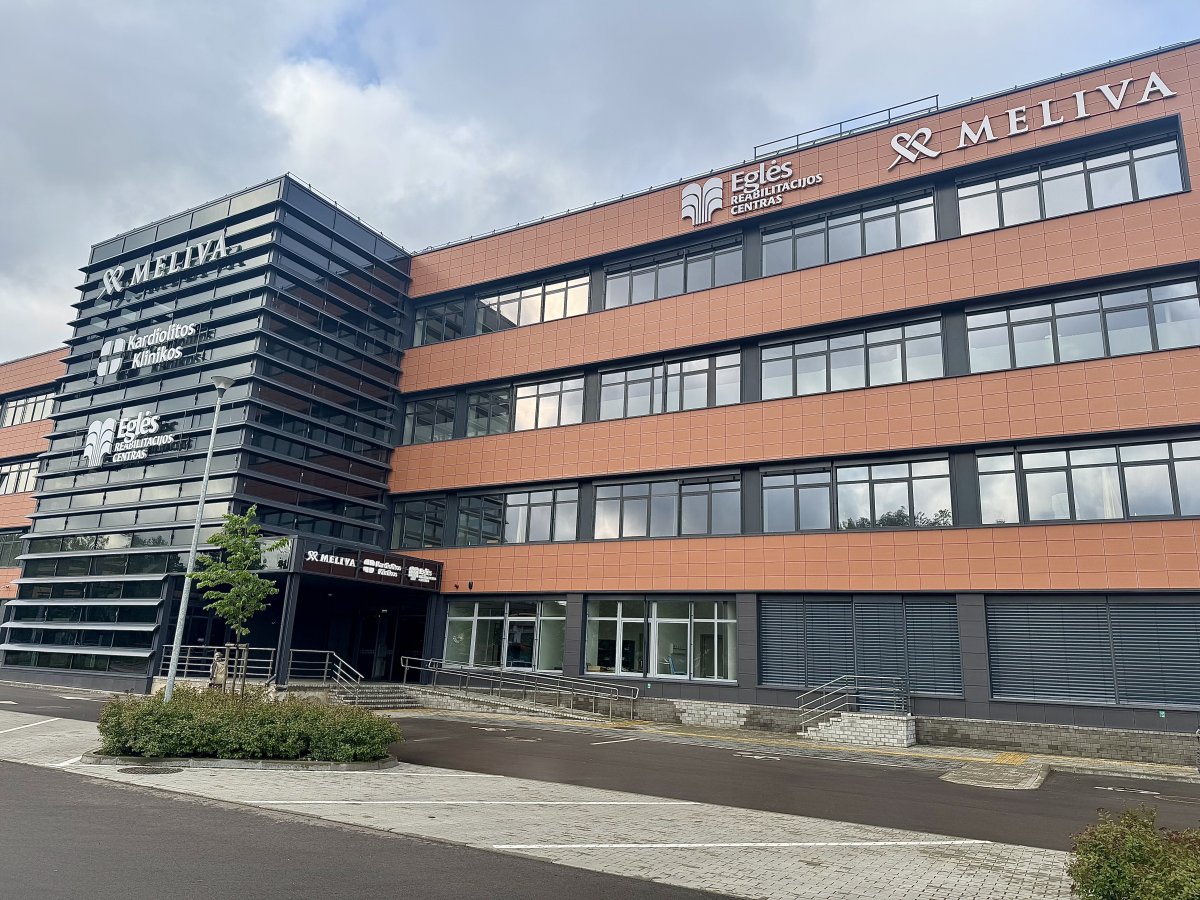
Meliva Kardiolita Hospital
4.7148 reseñas
Precio a consultar
Más información
Fi Clinica
4.711 reseñas
Precio a consultar
Más información
Medical Diagnostic and Treatment Center
4.626 reseñas
Precio a consultar
Más información

Compartir contenido

Historias en video de pacientes de Bookimed

Dayana
Combiné mis vacaciones en Antalya con un chequeo médico.
Procedimiento: Chequeo femenino
Igor
¡Fue genial! Traslados, alojamiento, tratamiento, todo incluido.
Procedimiento: Implante dental
Clínica: WestDent Clinic
Marina
Bookimed se encargó de todo. No tuve que preocuparme por nada.
Procedimiento: Chequeo femenino
Actualizado: 05/27/2022
Escrito por
Olena Sikoza
Olena Sikoza
Сopywriter en español
Copywriter médica certificada responsable del contenido en español de Bookimed. Más de 7 años de experiencia en redacción sobre salud y turismo médico, con formación académica en edición científica y desarrollo de contenidos.
Fahad Mawlood
Editor médico y Científico de datos
Médico general. Ganador de 4 premios científicos. Sirvió en Asia Occidental. Es el ex jefe del equipo médico que soporta a pacientes de habla árabe. Ahora es responsable del procesamiento de datos y la precisión del contenido médico.
Fahad Mawlood Linkedin
Esta página puede incluir información relacionada con diversas afecciones médicas, tratamientos y servicios de salud disponibles en diferentes países. Tenga en cuenta que el contenido se proporciona sólo con fines informativos y no debe interpretarse como asesoramiento médico o orientación. Por favor consulte con su médico o con un profesional médico calificado antes de comenzar o cambiar el tratamiento médico.

Preguntas frecuentes sobre el tratamiento de Pólipos nasales en Lituania

Estas preguntas frecuentes provienen de pacientes reales que buscan atención médica a través de Bookimed. Las respuestas son proporcionadas por coordinadores médicos experimentados y representantes autorizados de las clínicas.

What treatment options beyond surgery are available for nasal polyps in Lithuania?

Non-surgical treatments for nasal polyps in Lithuania include intranasal corticosteroids, biologic therapies, and saline irrigation. Specialists at JCI-accredited facilities use monoclonal antibodies like Dupilumab for severe cases. These medical protocols follow European standard guidelines to reduce inflammation and manage congestion without invasive surgery.

  • Medical therapy: Use daily corticosteroid sprays like mometasone to shrink polyps.
  • Biologic drugs: Access EU-approved monoclonal antibodies such as Dupixent for chronic cases.
  • Oral steroids: Complete short-term systemic courses to rapidly reduce severe tissue swelling.
  • Sinus implants: Utilize medicated devices like Sinuva for localized, long-term steroid delivery.

Bookimed Expert Insight: Choosing a multidisciplinary center like Meliva Kardiolita Hospital or the Medical Diagnostic and Treatment Center is vital for long-term success. These clinics serve over 60,000 to 298,000 patients annually. Their high volume means ENTs frequently handle complex cases where surgery was previously the only option. We see that patients benefit from these larger institutions because they offer integrated allergy testing and advanced diagnostics under one roof.

Patient Consensus: Patients emphasize that using nasal sprays consistently for at least 6 weeks is necessary to see results. Many note that managing underlying allergies is the most effective way to prevent polyps from returning after treatment ends.

Which clinics are most reputable for nasal-polyp care in Lithuania?

Reputable clinics for nasal polyp care in Lithuania include Meliva Kardiolita Hospital and the Medical Diagnostic and Treatment Center. These facilities hold JCI accreditation for patient safety. They provide advanced endoscopic sinus surgery and personalized treatment for chronic rhinosinusitis. Experienced ENT specialists lead these departments.

  • Accreditation standards: Joint Commission International (JCI) and TEMOS certifications ensure clinical safety.
  • Specialized expertise: Surgeons like Dr. Tomas Balsevičius specialize in endoscopic sinus procedures.
  • Diagnostic capacity: Facilities offer rapid diagnostic screening and comprehensive rehabilitation services.
  • Patient accessibility: Private clinics offer quick access compared to long public waiting lists.

Bookimed Expert Insight: While public university clinics hold deep academic expertise for complex cases, private centers prioritize speed. Meliva Kardiolita Hospital treats nearly 300,000 patients annually and manages high international volumes. This experience is vital for reducing recurrence through precise surgical techniques and follow-up care. Choose private facilities if you require native English-speaking medical staff and immediate consultations.

Patient Consensus: Patients emphasize finding surgeons with over 100 successful endoscopic cases specifically for polyps. Many travelers recommend virtual consultations to confirm if allergies are driving polyp growth before flying.

Who are the most experienced ENT surgeons for nasal-polyps work in Lithuania?

Lithuania features highly experienced ENT surgeons specializing in nasal polyp removal via functional endoscopic sinus surgery (FESS). Experts like Dr. Giedrius Strazdas and Dr. Dovydas Gutmanas specialize in these procedures at JCI-accredited facilities in Vilnius. These specialists typically possess over 20 years of surgical experience.

  • Dr. Giedrius Strazdas: Over 20 years of experience performing ENT surgeries at Meliva Kardiolita Hospital.
  • Dr. Dovydas Gutmanas: Performed over 3,200 treatments with a focus on functional nasal corrections.
  • Dr. Evaldas Butkus: Senior specialist with 35+ years of expertise in the Šiauliai region.
  • Dr. Tomas Balsevičius: Recognized specialist with over 15 years in endoscopic nasal polypectomy procedures.

Bookimed Expert Insight: High patient volumes at major hubs like Meliva Kardiolita Hospital, which treats 298,000 patients annually, correlate with surgeon proficiency. Choosing a JCI-accredited facility in Vilnius ensures international safety standards are met for complex sinus work. These centers often serve international patients from the UK and Scandinavia, indicating high procedural reliability.

Patient Consensus: Patients note that recovery from endoscopic techniques is faster than expected in private Kaunas clinics. It is important to confirm the surgeon has handled at least 500 polyp cases to ensure the best outcome.

What is the typical recovery timeline after endoscopic nasal-polyp surgery in Lithuania?

Lithuanian clinics report a recovery timeline of 1 to 2 weeks for light activity. Full internal healing typically requires 4 to 6 weeks. Nasal congestion and pressure are common during the first 3 days. Most patients return to desk work after 7 days.

  • Daily activities: Return to light work and school within 10 to 14 days.
  • Internal healing: Mucosal lining stabilizes 6 weeks after the endoscopic procedure.
  • Exercise limits: Avoid heavy lifting and strenuous workouts for at least 2 weeks.
  • Follow-up care: Debridement appointments occur during weeks 4 to 6 to prevent scarring.

Bookimed Expert Insight: Choosing a clinic like Medical Diagnostic and Treatment Center in Vilnius provides access to over 50 specialized departments. These large multidisciplinary centers often integrate post-operative rehabilitation directly into their care plans. This structural advantage helps ensure that follow-up cleaning and mucosal monitoring are handled by the same surgical team.

Patient Consensus: Patients mention the first week involves intense crusting and drainage that requires frequent saline rinses. Many find sleeping difficult during the first fortnight due to congestion and suggest keeping the head elevated.

How long should I plan to remain in Lithuania to complete safe nasal-polyp treatment?

Plan a stay of 10 to 14 days for safe nasal-polyp treatment in Lithuania. This window covers mandatory preoperative screenings and surgery. It also allows time for the critical early-stage recovery. Doctors must confirm you are fit to fly before departure.

  • Preoperative phase: Spend 1 to 3 days completing blood tests and CT scans.
  • Hospital stay: Expect 1 night at facilities like Meliva Kardiolita Hospital for monitoring.
  • Initial recovery: Remain locally for 9 days to manage nasal crusting and healing.
  • Travel safety: Staying 10+ days prevents severe bleeding caused by airplane cabin pressure.

Bookimed Expert Insight: Private clinics in Vilnius and Kaunas handle high patient volumes. Medical Diagnostic and Treatment Center serves 60,000 patients annually. Because 10% of their patients are international, these centers prioritize rapid same-week scheduling. This efficiency often allows you to complete all preoperative tests within 24 hours of arrival.

Patient Consensus: Patients highlight that scheduling surgery early in the trip is vital. This provides a necessary buffer for post-operative cleaning and ensures the first wound inspection happens in person.

What techniques do surgeons in Lithuania use for nasal polyp surgery?

Surgeons in Lithuania primarily use Functional Endoscopic Sinus Surgery (FESS) to treat nasal polyps. This technique uses high-definition endoscopes for precise removal through the nostrils. Facilities like Meliva Kardiolita Hospital operate under JCI-accredited standards. This allows for care with no external incisions.

  • FESS technique: Surgeons use rigid endoscopes to visualise and clear blockages in sinus passages.
  • Clinical standards: Major centres like Medical Diagnostic and Treatment Center maintain JCI and Temos accreditations.
  • Combined procedures: Specialists often perform septoplasty or turbinoplasty alongside polyp removal to improve breathing.
  • Modern instrumentation: Clinics use microdebriders to shave polyp tissue while preserving healthy nasal mucosa.

Bookimed Expert Insight: Lithuania's strength lies in large multi-department hospitals. Meliva Kardiolita Hospital manages 33 departments and treats approximately 298,000 patients annually. This volume means ENT surgeons regularly collaborate with other experts for complex cases. Australian patients benefit from this integrated approach in facilities that meet international quality benchmarks.

Will nasal polyps grow back after my treatment in Lithuania?

Nasal polyps often grow back. This is because they result from chronic inflammation rather than a single infection. Research shows approximately 35% of patients see regrowth within 18 months. Lithuanian specialists use endoscopic sinus surgery to clear obstructions. However, long-term management is essential to prevent recurrence.

  • Recurrence rates: Approximately 40% to 60% of patients experience regrowth within five years of surgery.
  • Risk factors: Asthma, aspirin sensitivity, and chronic allergies increase the likelihood of polyps returning.
  • Maintenance therapy: Daily saline rinses and steroid sprays help manage inflammation and delay new growths.
  • Lithuanian standards: Meliva Kardiolita Hospital in Vilnius provides adult ENT care under JCI-accredited safety standards.

Bookimed Expert Insight: Patient volume is a reliable indicator of specialist proficiency in Lithuania. Meliva Kardiolita Hospital treats roughly 298,000 patients annually across its departments. Choosing high-volume centres in Vilnius or Kaunas helps ensure surgeons have extensive experience with complex endoscopic procedures. This is vital for thorough polyp removal.

Patient Consensus: Patients note that treatment is a long-term journey rather than a one-off fix. Many emphasise that keeping up with saline rinses is vital for lasting relief. They also suggest having a clear follow-up plan for when they return to Australia.

What is the typical recovery process following nasal polyp surgery in Lithuania?

Recovery following nasal polyp surgery in Lithuania typically involves 1 to 2 days of hospital observation. Patients generally return to normal activities within 2 weeks. Full tissue healing and optimal breathing usually occur between 1 and 2 months after the procedure.

  • Hospital monitoring: Patients often stay 24 hours to monitor bleeding and manage pain.
  • Nasal packing: Surgeons use soft gauze or dissolvable materials to support the nasal cavity.
  • Initial recovery: Patients experience congestion and light bleeding for the first 3 to 5 days.
  • Activity restrictions: Heavy lifting and nose blowing are forbidden for at least 14 days.

Bookimed Expert Insight: Meliva Kardiolita Hospital and Medical Diagnostic and Treatment Centre in Vilnius offer rehabilitation programs. These centres handle over 60,000 patients annually and provide structured post-operative debridement. These specialised cleaning sessions reduce the risk of scarring and help restore taste and smell.

Patient Consensus: Patients in Lithuania report that the first few days feel like a heavy cold. Regular saline rinses are essential for clearing crusts. Professional in-office cleanings provide the most immediate relief for blocked nasal passages.

What non-surgical treatment options for nasal polyps are available in Lithuania?

Non-surgical nasal polyp treatments in Lithuania include intranasal corticosteroids, biologic therapies like Dupilumab, and medicated sinus implants. Lithuanian specialists at JCI-accredited centres like Medical Diagnostic and Treatment Center use these to shrink polyps. Most patients manage symptoms effectively without needing theatre time.

  • Steroid sprays: Primary sprays like mometasone target localised swelling to clear nasal passages.
  • Biologic therapy: Injectable monoclonal antibodies treat severe, recurring cases by blocking inflammation pathways.
  • Medicated implants: Sinuva implants release steady anti-inflammatory doses directly into the sinus cavity.
  • Oral steroids: Short courses of prednisone provide rapid relief for acute polyp flare-ups.

Bookimed Expert Insight: Patient volume data highlights Lithuania as a major regional medical hub. Meliva Kardiolita Hospital alone serves 298,000 patients annually. This high throughput means their 510 doctors see complex sinus cases daily. This experience often leads to accurate non-surgical dosing and better long-term outcomes.

When is surgery for nasal polyps recommended in Lithuania?

Lithuanian specialists recommend surgery for nasal polyps when medical therapy fails after 4 to 6 weeks. Surgeons intervene if CT scans show persistent blockages. Key indicators include severe nasal obstruction, chronic sinusitis, or diagnosed obstructive sleep apnoea. These procedures typically occur in JCI-accredited facilities.

  • Medical failure: Symptoms persist despite using steroid sprays and saline rinses for 6 weeks.
  • Clinical indicators: Surgery addresses complete nasal blockages, anosmia, or recurring painful sinus infections.
  • FESS procedure: Specialists use functional endoscopic sinus surgery. This minimally invasive approach requires no incisions.
  • Fly safety: International patients must stay 9 days post-surgery for safety during cabin pressure changes.

Bookimed Expert Insight: While many centres focus on local patients, Meliva Kardiolita Hospital in Vilnius manages nearly 300,000 cases annually. It actively serves Australians. Their high volume suggests a refined process for complex ENT cases. Medical Diagnostic and Treatment Center also coordinates deep diagnostics. This is vital as Lithuanian protocols require a confirmed CT scan before surgical booking.

Patient Consensus: Patients note that surgery is a secondary option when sprays fail to improve breathing. They highlight that surgery improves airflow. However, it often requires ongoing medical care to manage polyp regrowth in Lithuania.

What are nasal polyps and how are they diagnosed in Lithuania?

Nasal polyps are benign, tear-shaped growths in the nasal lining caused by chronic inflammation. Specialists in Lithuania diagnose them using nasal endoscopy to visualise the masses. They use CT scans to map sinus blockage. This process follows strict European clinical protocols for accuracy.

  • Endoscopic examination: Specialists use thin cameras to identify polyps deep within nasal passages.
  • Imaging studies: CT scans determine the extent of disease in the paranasal sinuses.
  • Biopsy protocol: Doctors sample unilateral growths to rule out rare tumours or papillomas.
  • Specialist access: JCI-accredited centres like Meliva Kardiolita Hospital provide integrated ENT diagnostic services.

Bookimed Expert Insight: Diagnostic efficiency in Lithuania is high as private multi-specialty centres house many departments. Meliva Kardiolita Hospital alone has 510 doctors. Patients can often complete endoscopy and CT scans in one building. This avoids the logistical delays common in fragmented health systems.

Patient Consensus: Patients note that polyps are often mistaken for allergies until a specialist performs endoscopy. They recommend confirming that the Lithuanian clinic can perform both imaging and scope exams on-site.

Can nasal polyps be treated without surgery in Lithuania?

Lithuanian ENT specialists treat nasal polyps without surgery using pharmaceuticals. Care follows European standards, focussing on nasal corticosteroids and biologic therapies like Dupilumab. JCI-accredited centres in Vilnius and Kaunas manage these non-invasive protocols. Treatment often avoids theatre for small to moderate polyps.

  • Top-tier clinics: Meliva Kardiolita Hospital in Vilnius treats 298,000 patients annually.
  • Biologic therapy: Specialists prescribe monoclonal antibodies to shrink severe, chronic polyps.
  • Steroid treatments: Targeted nasal sprays and short-term oral tablets reduce tissue swelling.
  • Modern diagnostics: JCI-accredited facilities use endoscopy to monitor polyp size changes.

Bookimed Expert Insight: Lithuania is famous for plastic surgery. However, Meliva Kardiolita Hospital maintains 33 specialised departments including ENT. Their scale allows them to stock EU-approved biologics often unavailable in smaller clinics. Australian patients benefit from their experience handling over 290,000 cases across adult specialities.

Patient Consensus: Patients find medical management reduces swelling quickly. They suggest confirming if the plan aims for long-term reduction. Many appreciate that Lithuanian specialists prioritise saline rinses and sprays before recommending surgery.

Pedir una consulta gratis

Seleccione la mejor manera de contactarle