Pólipos nasales en Alemania: las 8 mejores clínicas para su tratamiento


Revisado médicamente por
Fahad Mawlood
Cómo funciona
¿Cuál es el precio del diagnóstico y los tratamientos de Pólipos nasales en Alemania? Descubra ahora
| Alemania | España | Turquía | |
|---|---|---|---|
| Cirugía endoscópica de senos nasales | ≈ $4,200 | ≈ $3,600 | de $6,000 |
| Cirugía de pólipos nasales | ≈ $3,400 | de $6,700 | de $2,300 |
Descubra las mejores clínicas de tratamiento de Pólipos nasales en Alemania: 8 opciones verificadas y Precios
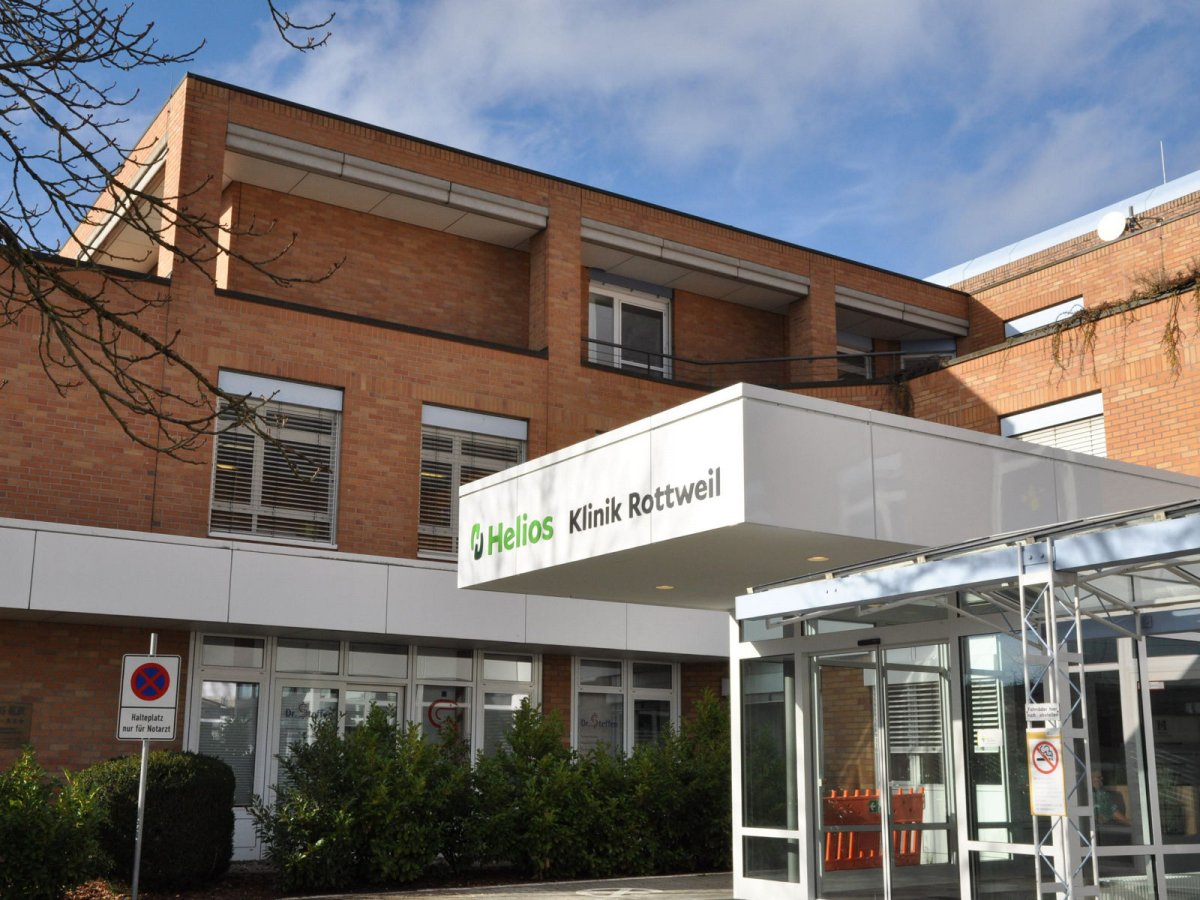



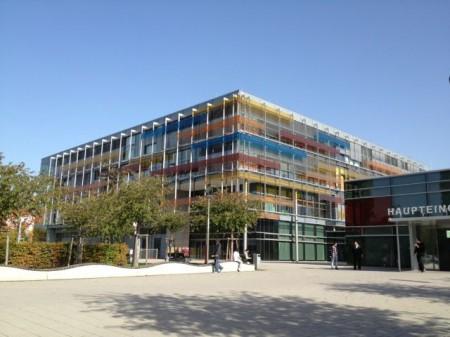
University Hospital in Haydelberge

Hospital in the Pfeiffer`s foundations





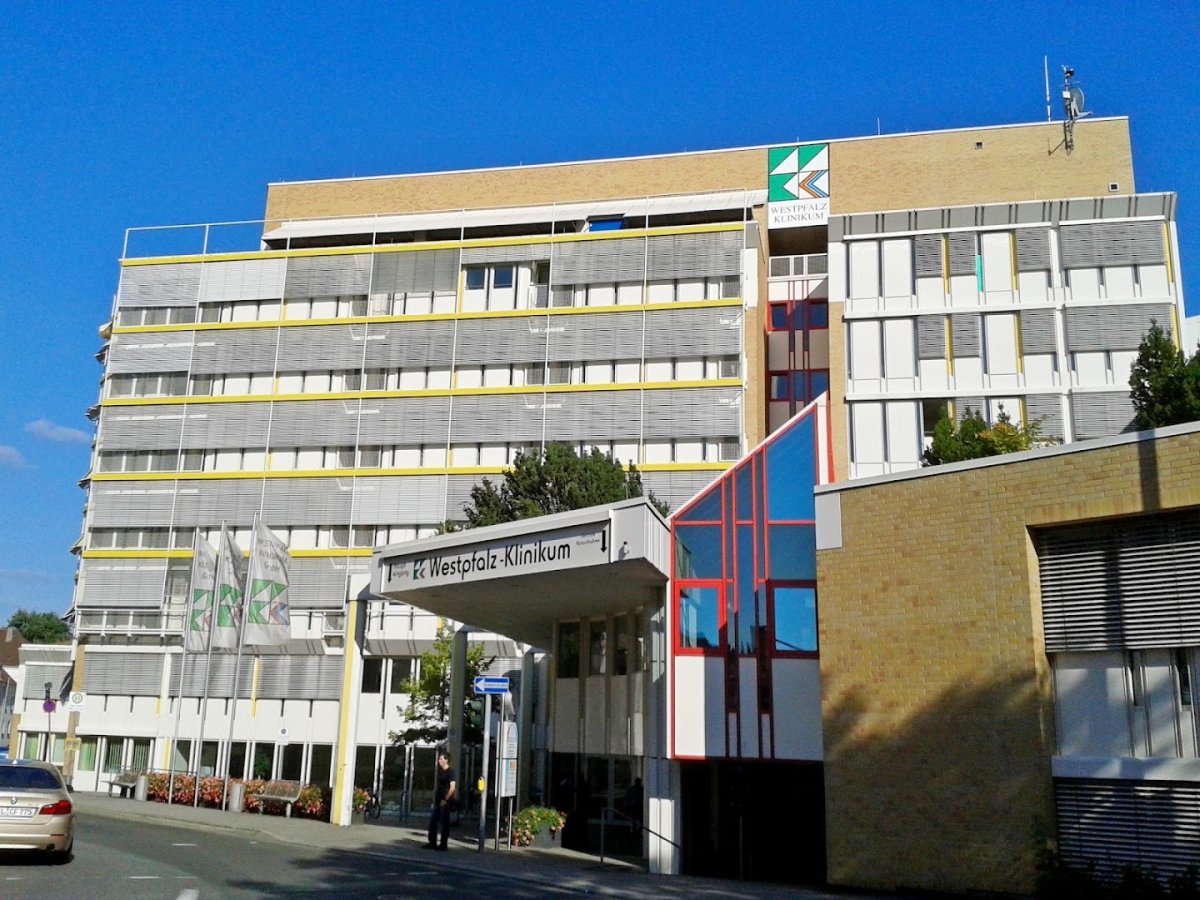
Westpfalz-Klinikum GmbH
Obtenga una evaluación médica para Pólipos nasales en Alemania: consulte con doctores experimentados ahora
Ver todos los médicos
Ralf Buhl
El Dr. Buhl es un reconocido neurocirujano especializado en afecciones complejas del cerebro y la médula espinal, con una extensa investigación en neurocirugía.
- Autor de 47 artículos científicos sobre neuropatología
- Experto en técnicas mínimamente invasivas y microcirugía
- Fundador de un fondo dedicado a la investigación de tumores cerebrales
- Especializado en neuronavegación asistida por computadora para cirugías precisas

Andreas Sesterhenn
El Prof. Andreas Sesterhenn se especializa en cirugías nasales mínimamente invasivas, realizando procedimientos endoscópicos y robóticos precisos con incisiones de tan solo 1 cm.
- Jefe de Médicos de ORL y Cirugía Plástica en la Clínica de Solingen desde 2012
- Más de 26 años de experiencia en cirugías de cabeza y cuello
- Autor de 78 publicaciones científicas en el campo
- Formado en otorrinolaringología en la Universidad Phillips de Marburgo
Compartir contenido
Historias en video de pacientes de Bookimed
 Olena Sikoza
Preguntas frecuentes sobre el tratamiento de Pólipos nasales en Alemania
¿Cuáles son las principales opciones de tratamiento disponibles en Alemania para los pólipos nasales?
Los especialistas en otorrinolaringología alemanes tratan los pólipos nasales mediante un enfoque gradual centrado en reducir la inflamación y restaurar la respiración. La terapia inicial suele incluir corticosteroides intranasales como mometasona o budesonida. Para casos persistentes, las opciones avanzadas incluyen cirugía endoscópica funcional de los senos paranasales y productos biológicos de anticuerpos monoclonales para prevenir la recurrencia.
- Terapia médica: Los aerosoles o gotas de corticosteroides sirven como el tratamiento principal de primera línea.
- Inyecciones biológicas: Dupilumab y Mepolizumab se dirigen a la inflamación de Tipo 2 en casos graves.
- Cirugía endoscópica: Los cirujanos utilizan microdesbridadores para la extirpación mínimamente invasiva de pólipos sin incisiones.
- Irrigación salina: El enjuague nasal diario es un protocolo estándar en el 80% de los departamentos.
Perspectiva del experto de Bookimed: Los hospitales universitarios alemanes como los de Essen o Heidelberg a menudo brindan acceso a ensayos clínicos para nuevos productos biológicos antes de que lleguen a las clínicas generales. Si bien los tiempos de espera quirúrgicos en el sector público pueden llegar a los 6 meses, los centros académicos manejan frecuentemente más de 300,000 pacientes al año. Este alto volumen permite a estas instituciones ofrece
¿Son accesibles en Alemania los medicamentos biológicos como el Dupilumab para los pólipos nasales?
El Dupilumab es ampliamente accesible en Alemania para la rinosinusitis crónica con pólipos nasales. Fue el primer biológico aprobado a finales de 2019. Los pacientes a menudo lo reciben como terapia complementaria para casos graves. El seguro médico legal suele cubrir los costes tras el fracaso documentado de los tratamientos estándar.
- Estado de aprobación: El Dupilumab fue aprobado en Alemania en octubre de 2019.
- Criterios clínicos: Los pacientes deben mostrar inflamación de tipo 2 o una alteración significativa de la calidad de vida.
- Tendencia de uso: El uso de biológicos para pólipos en Alemania aumentó al 5% en 2023.
- Historial de tratamiento: Las aseguradoras exigen pruebas de haber fallado en cirugías o tratamientos con esteroides primero.
Perspectiva de expertos de Bookimed: Los hospitales universitarios alemanes demuestran una mayor competencia en la agilización de las autorizaciones de medicamentos biológicos. Centros como el Centro Médico de Solingen o el Hospital Universitario de Essen manejan miles de casos complejos anualmente. Estas instituciones a menudo tienen departamentos dedicados que gestionan el proceso de aprobación del seguro de 4 a 12 semanas de manera más eficiente que las prácticas rurales más pequeñas. Los pacientes deben buscar clínicas con más de 50,000 visitas anuales para un acceso más rápido a estas terap
¿Qué incluye el estudio diagnóstico de los pólipos nasales en los centros alemanes?
El estudio diagnóstico en los centros de otorrinolaringología alemanes sigue los estrictos protocolos de las directrices nacionales S2k. Por lo general, comienza con una endoscopia nasal para la confirmación visual. A continuación, se realizan pruebas de imagen avanzadas y análisis de biomarcadores para mapear la anatomía de los senos paranasales y determinar los endotipos inflamatorios. Estos procesos garantizan una planificación quirúrgica precisa o la elegibilidad para una terapia biológica.
- Endoscopia nasal: Los cirujanos utilizan cámaras rígidas o flexibles para visualizar los crecimientos translúcidos.
- Tomografía computarizada: Las tomografías computarizadas de baja dosis proporcionan un mapeo anatómico obligatorio antes de cualquier cirugía.
- Pruebas olfativas: Los Sniffin' Sticks validados miden la pérdida del olfato para realizar un seguimiento de la eficacia del tratamiento.
- Análisis de biomarcadores: El recuento de eosinófilos en sangre ayuda a identificar a los candidatos para terapias biológicas dirigidas.
Bookimed Expert Insight: Los hospitales universitarios alemanes como el de Essen integran imágenes digitales e IA para refinar el diagnóstico. Nuestros datos muestran que clínicas como la de Solingen, donde trabaja el Prof. Dr. Andreas Sesterhenn, hacen hincapié en las intervenciones nasales robóticas y endoscópicas. Esto
¿Qué hospitales en Alemania son reconocidos internacionalmente por el tratamiento de pólipos nasales?
Alemania alberga centros reconocidos internacionalmente para el cuidado de los pólipos nasales, con instalaciones de primer nivel como Charité Berlín y el Hospital Universitario de Heidelberg apareciendo constantemente en los rankings. Estas instituciones ofrecen cirugía endoscópica de senos paranasales avanzada y tratamientos biológicos. Las instalaciones a menudo cuentan con certificaciones de la Joint Commission International o ISO para garantizar altos estándares de calidad.
- Excelencia universitaria: Charité Berlín y Heidelberg lideran en casos complejos de oído, nariz y garganta.
- Expertos especializados: El Prof. Dr. Andreas Sesterhenn en Solingen es un especialista en cirugía de senos paranasales reconocido por FOCUS.
- Alto volumen: La Clínica Nordwest en Frankfurt trata a más de 25,000 pacientes de otorrinolaringología anualmente con éxito.
- Estándares internacionales: El Hospital Asklepios Barmbek cuenta con la certificación MTQUA para servicios de turismo médico de alta calidad.
Perspectiva del experto de Bookimed: Mientras que los hospitales universitarios de primer nivel manejan más de 300,000 pacientes al año, las instalaciones privadas como Meoclinic en Berlín cierran la brecha ofreciendo atención certificada por ISO con una programación de citas más rápida. Los centros académicos más grandes generalmente manejan casos comple
¿Los pólipos nasales vuelven a crecer después del tratamiento?
Los pólipos nasales recurren con frecuencia porque el tratamiento a menudo aborda los crecimientos en lugar de la inflamación crónica subyacente. Aproximadamente entre el 20% y el 40% de los pacientes experimentan un nuevo crecimiento a los pocos años de la cirugía. Los datos a largo plazo sugieren que las tasas de recurrencia pueden alcanzar el 80% en 12 años sin un manejo constante.
- Cronología de la recurrencia: El nuevo crecimiento puede aparecer meses o años después de una cirugía endoscópica exitosa.
- Resultados quirúrgicos: Centros alemanes como el Medical Center en Solingen realizan cirugía endoscópica de senos paranasales especializada.
- Factores de alto riesgo: Los pacientes con asma o sensibilidad a la aspirina enfrentan riesgos significativamente mayores de un nuevo crecimiento más rápido.
- Cuidado preventivo: La irrigación salina diaria y los aerosoles esteroides son esenciales para mantener las fosas nasales despejadas.
- Terapia biológica: Medicamentos modernos como Dupixent ayudan a atacar las vías inflamatorias para evitar operaciones repetidas.
Perspectiva del experto de Bookimed: Clínicas alemanas como el Hospital Asklepios Barmbek y el Hospital Universitario de Essen integran la investigación clínica de gran volumen en la atención rutinaria. Los datos muestran que las clínicas que atienden a más d
¿Cuál es el plazo típico de recuperación tras una cirugía endoscópica de senos paranasales en Alemania?
La mayoría de los pacientes regresan al trabajo en un plazo de 7 días tras una cirugía endoscópica de senos paranasales en Alemania. Las molestias iniciales y la congestión alcanzan su punto máximo en las primeras 48 horas. La curación interna requiere normalmente de 4 a 8 semanas para que el revestimiento de los senos paranasales se recupere por completo. Las clínicas suelen proporcionar un certificado médico inicial de 1 semana.
- Actividad física: Evite levantar objetos de más de 4,5 kg durante al menos 14 días.
- Viajes aéreos: Los especialistas recomiendan esperar 3 semanas antes de volar debido a la presión.
- Rutina diaria: Se requieren lavados con solución salina 4 veces al día para evitar la formación de costras.
- Cuidados postoperatorios: Las endoscopias de seguimiento suelen realizarse a las 1, 3 y 6 semanas.
Perspectiva del experto de Bookimed: Los hospitales universitarios alemanes como los de Essen o Heidelberg gestionan volúmenes de pacientes excepcionalmente altos, superando los 300.000 anuales. Esta alta frecuencia suele correlacionarse con protocolos postoperatorios estandarizados. Los grandes centros suelen utilizar imágenes digitales para realizar un seguimiento preciso de la curación durante la ventana crítica de recuperación de 6 semanas.
Consenso de los pacientes: Los pacientes informan que la pri
¿Qué hospitales en Alemania tienen las calificaciones más altas en neurocirugía?
Alemania alberga algunos de los departamentos de neurocirugía más prestigiosos del mundo, liderados por la Charité – Universitätsmedizin Berlin y el Hospital Universitario de Heidelberg. Estos centros destacan en el tratamiento de tumores cerebrales complejos y enfermedades cerebrovasculares. Para maximizar la eficacia de sus procedimientos, utilizan tecnologías de vanguardia como la resonancia magnética intraoperatoria y la neuronavegación asistida por computadora.
- Charité Berlín: Realiza más de 5000 cirugías al año. La clínica está dirigida por el reconocido neurocirujano Dr. Peter Vaikoczy.
- Centro Médico Solingen: El Dr. Ralf Buhl ha realizado más de 4.000 cirugías, incluidas cirugías de columna mínimamente invasivas.
- Clínica Asklepios Nord: equipada con el único sistema de resonancia magnética intraoperatoria bilateral de Alemania para garantizar precisión quirúrgica en tiempo real durante la extirpación del tumor.
- Clínica Nordwest: reconocida por la revista Newsweek como un hospital líder por su innovación en tecnología de ultrasonido 3D.
Opinión experta de Bookimed: Los datos muestran que elegir centros con un alto volumen quirúrgico suele llevar a recomendaciones de tratamiento más conservadoras. En el Centro Médico Solingen, que atiende a más de 60.000 pacientes al año, los cirujanos suelen sugerir fisioterapia en lugar de cirugía
¿Cuáles son las tasas de éxito de los procedimientos neuroquirúrgicos complejos en Alemania?
En Alemania, los procedimientos neuroquirúrgicos de alta complejidad demuestran una seguridad excepcional. Las tasas de éxito en las fusiones espinales alcanzan el 99 %. La tasa de supervivencia en las resecciones de tumores cerebrales primarios es del 97 %. La independencia funcional es alta. Más del 82 % de los pacientes reciben el alta inmediatamente después del tratamiento. Los centros alemanes priorizan la preservación de la función neurológica mediante técnicas modernas de mapeo.
- Resección de tumores: los cirujanos logran una resección tumoral completa en el 87,2% de los casos de metástasis cerebrales.
- Éxito en el tratamiento de enfermedades vasculares: los hospitales alemanes informan de una tasa de supervivencia del 98,7% para aneurismas no rotos.
- Mejora del estado neurológico: casi el 43% de los pacientes experimentan una mejora de los parámetros funcionales después de resecciones complejas.
- Seguridad de las intervenciones quirúrgicas: En grandes centros quirúrgicos, las tasas de supervivencia de los pacientes después de la cirugía de columna son del 98-99%.
Opinión experta de Bookimed: Cirujanos experimentados como el Dr. Uwe Köhler, de la Clínica Asklepios Altona, realizan más de 2000 cirugías al año. Los datos muestran que estos especialistas mantienen tasas de éxito de hasta el 90 %, incluso en los tumores cerebrales más comp
¿Qué tecnologías avanzadas suelen estar disponibles en las clínicas neuroquirúrgicas alemanas?
Las clínicas neuroquirúrgicas alemanas incorporan regularmente instrumentos digitales de alta precisión y visualización en tiempo real a la práctica quirúrgica. Entre las tecnologías clave se encuentra la neuronavegación computarizada para cirugías de cerebro y médula espinal. Instituciones como la Clínica Asklepios Nord utilizan la resonancia magnética intraoperatoria para verificar la extirpación de tumores en tiempo real. Estos sistemas proporcionan a los cirujanos navegación GPS 3D.
- Neuronavegación: proporciona visualización 3D y seguimiento de instrumentos en tiempo real para lograr precisión quirúrgica hasta el nivel submilimétrico.
- Imágenes intraoperatorias: sistemas como iMRI y O-arm CT permiten la confirmación inmediata de una resección exitosa.
- Neuromonitorización: Monitorea las funciones motoras y sensoriales durante la cirugía para proteger el sistema nervioso.
- Diagnóstico de fluorescencia: se utiliza el colorante 5-ALA para resaltar los bordes del tumor para una eliminación más completa.
- Asistencia robótica: Sistemas como el Da Vinci mejoran la precisión en procedimientos complejos y mínimamente invasivos.
Opinión experta de Bookimed: Grandes centros como la Charité – Universitätsmedizin de Berlín realizan más de 4000 procedimientos neuroquirúrgicos al año, lo que crea un entorno rico en datos para p
¿Qué formación especializada reciben los neurocirujanos en ejercicio en Alemania?
En Alemania, los neurocirujanos deben completar una residencia especializada de seis años tras graduarse de la facultad de medicina. Este programa estructurado incluye cuidados intensivos, práctica clínica y una revista quirúrgica obligatoria. Posteriormente, los candidatos aprueban un examen estatal para obtener el título de residente (Facharzt für Neurochirurgie).
- Residencia clínica: requiere de 48 a 72 meses de práctica neuroquirúrgica especializada.
- Cuidados intensivos: incluye una pasantía obligatoria de 6 meses en una unidad de cuidados intensivos neuroquirúrgicos.
- Revista quirúrgica: los cirujanos documentan cientos de cirugías, incluidas craneotomías y cirugías de columna.
- Examen de licencia: Los solicitantes deben aprobar un examen médico oral y práctico administrado por el estado.
Opinión experta de Bookimed: La formación neuroquirúrgica alemana se centra en una amplia experiencia quirúrgica. Por ejemplo, el Dr. Ralf Buhl, del Centro Médico Solingen, ha realizado más de 4000 cirugías. El Dr. Jürgen Kiwit, del Hospital Meoklinik, cuenta con más de 25 años de experiencia. Este riguroso sistema garantiza que los especialistas de los principales centros aborden casos complejos con una precisión demostrada.
Comentarios de los pacientes: Los pacientes se sienten seguros al saber que sus médicos han recibido año