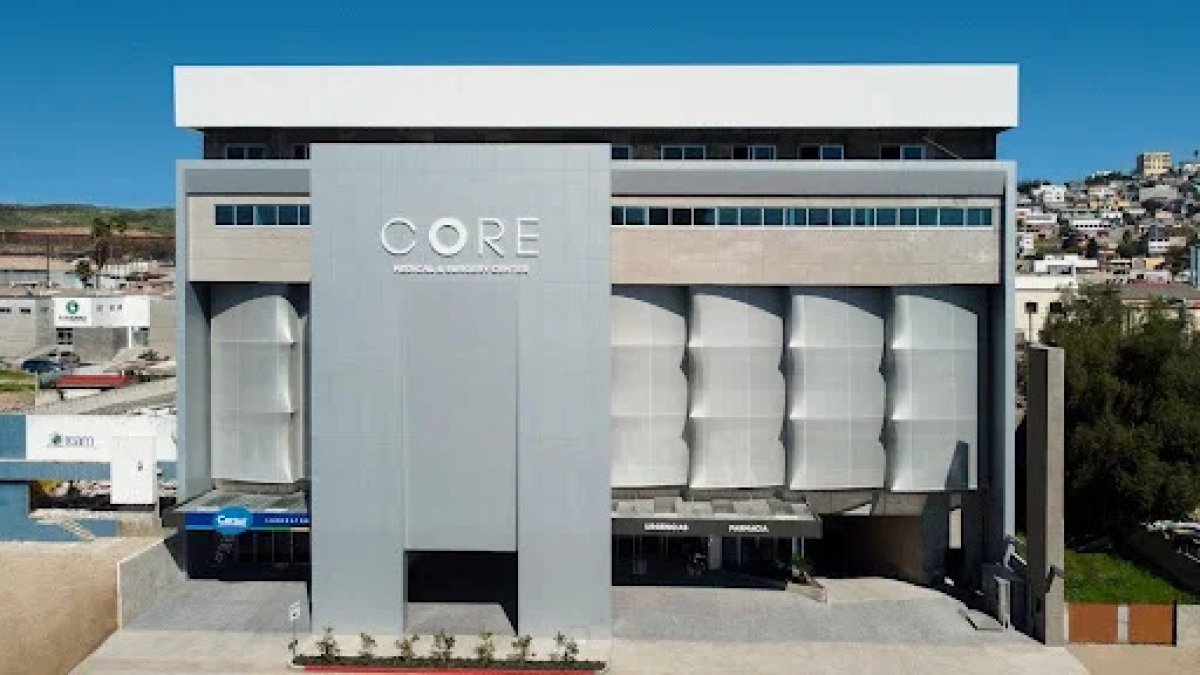
Hospital de la Familia
México, Mexicali
Alfonso Ponce
12 años de experiencia

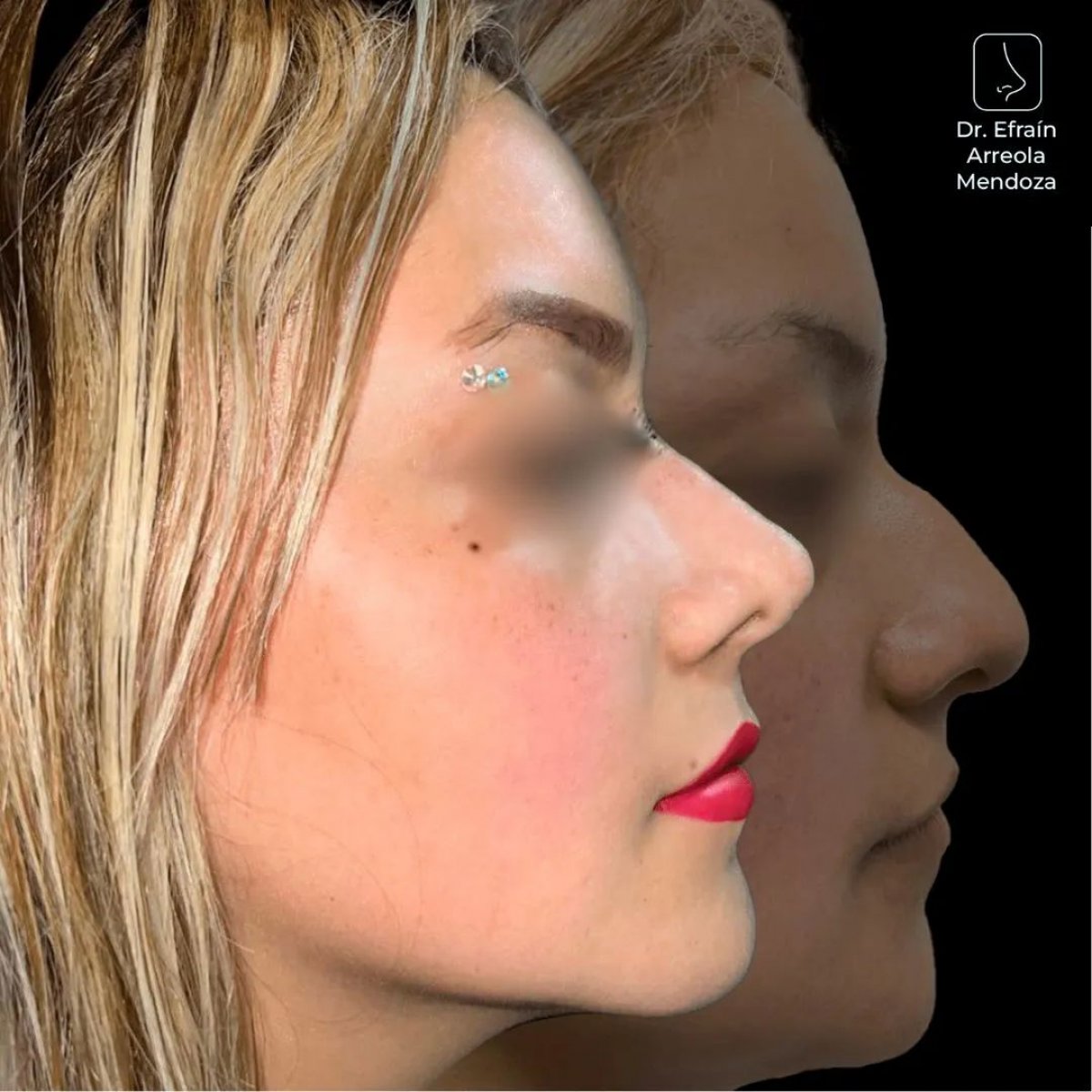
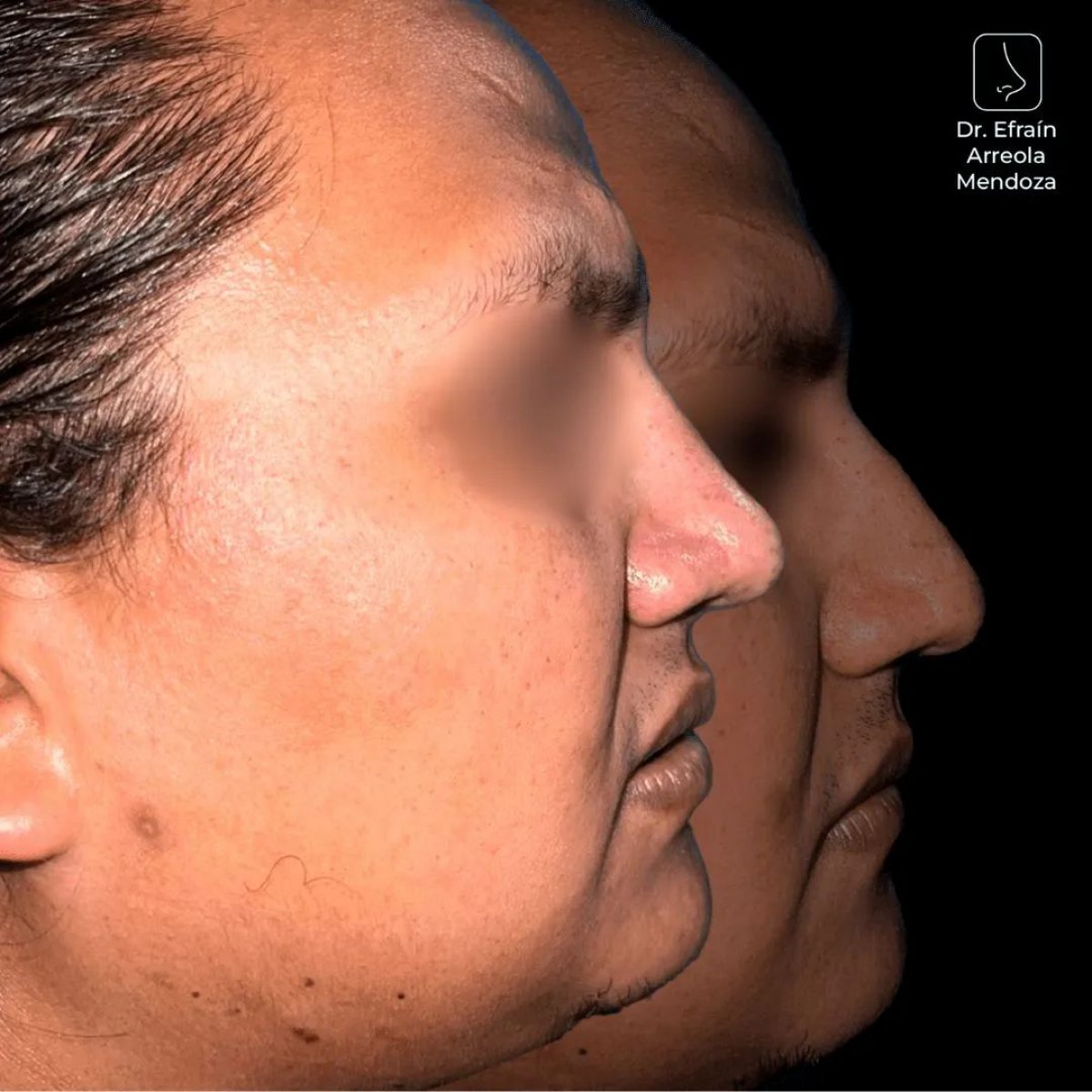
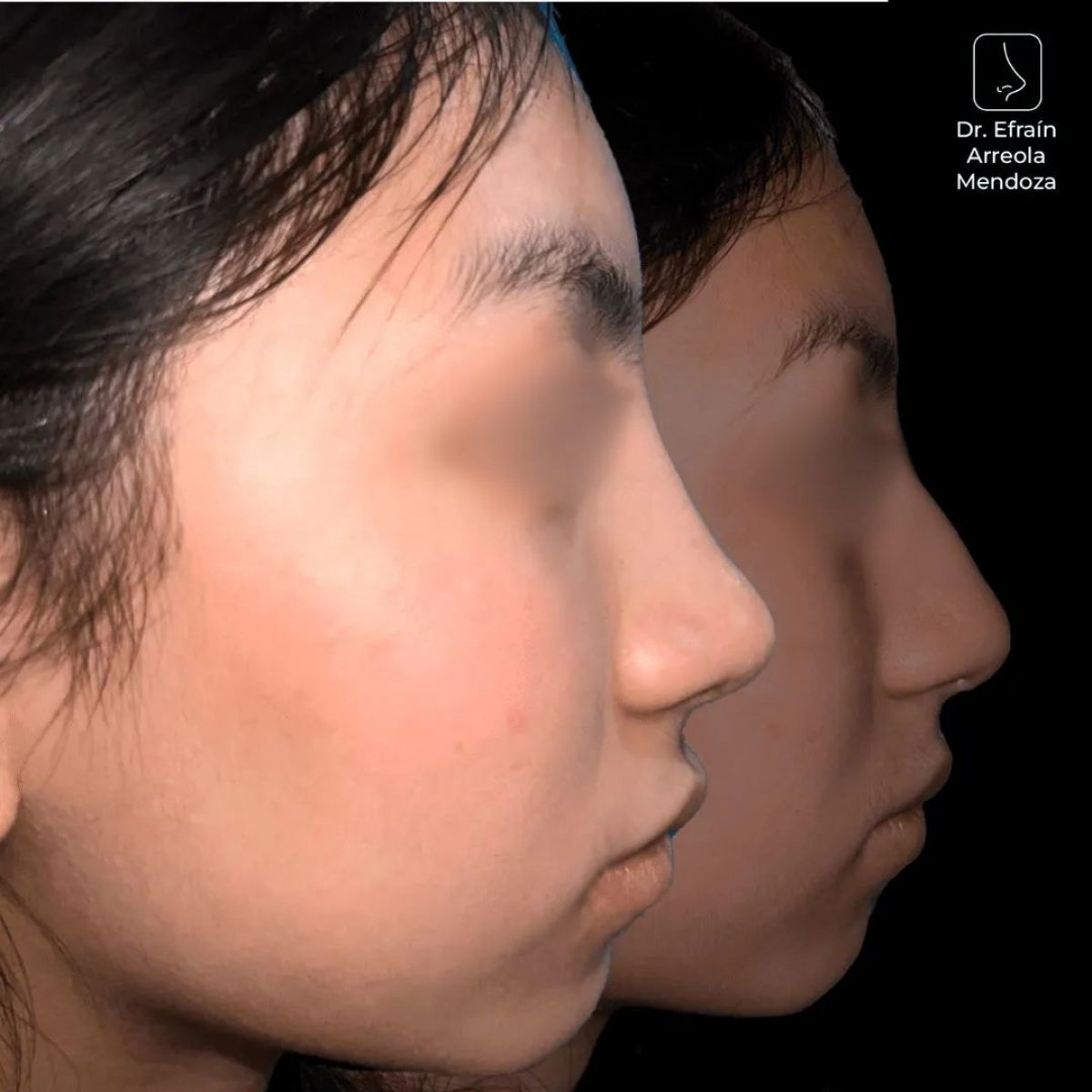
Portafolio del cirujano
Clínica certificada por : 



Revisado médicamente por
Fahad Mawlood
| España | Turquía | México | |
|---|---|---|---|
| Cirugía endoscópica de senos nasales | ≈ $3,600 | de $6,000 | ≈ $3,800 |
| Cirugía de pólipos nasales | de $6,700 | de $2,300 | de $3,200 |
Bookimed no añade cargos extra a los precios de los tratamientos de Pólipos nasales. Las tarifas proceden de las listas de precios oficiales de las clínicas. Pagará directamente en la clínica por su tratamiento a su llegada al país.
Bookimed está comprometido con su seguridad. Solo trabajamos con las clínicas que mantienen altos estándares internacionales en el tratamiento de Pólipos nasales y cuentan con las licencias necesarias para atender a pacientes internacionales en todo el mundo.
Bookimed ofrece asistencia experta gratuita. Un coordinador médico personal le apoya antes, durante y después de su tratamiento, resolviendo cualquier problema. Nunca estará solo en su viaje médico de tratamiento de Pólipos nasales.


Desde 1996, el doctor se ha especializado en condiciones de oído, nariz y garganta y cirugía cosmética facial. El doctor es reconocido por su participación en congresos internacionales dentro del campo.<\/p>
El doctor obtuvo un título médico de la Universidad Autónoma de Baja California y completó una residencia en el Centro Médico de Especialidades #71 y el Hospital de Especialidades #24 en México. Las certificaciones incluyen ORL de la Escuela de Especialidades y Cirugía Estétic
Más de 900 tratamientos realizados – El Dr. Arreola Mendoza se especializa en atención de otorrinolaringología en Allermedica.
 Olena Sikoza
México ofrece tratamientos quirúrgicos avanzados y mínimamente invasivos para los pólipos nasales. Los especialistas utilizan principalmente la cirugía endoscópica funcional de los senos paranasales (FESS) para extirpar los pólipos a través de las fosas nasales. Otras opciones comunes incluyen la polipectomía simple, la sinuplastia con balón y los stents sinusales medicados. Los procedimientos son realizados por otorrinolaringólogos certificados en instalaciones acreditadas.
Perspectiva del experto de Bookimed: La coordinación entre los departamentos de alergología y cirugía es una señal clave de calidad en México. Por ejemplo, Allermedica atiende a 3,000 pacientes al año especializándose tanto en atención respiratoria como otorrinolaringológica. Este enfoque combinado es vital para los pólipos nasales. Ayuda a controlar la inflamación subyacente que a men
Ciudad de México, Mexicali y Tijuana son los principales centros para el tratamiento integral de los pólipos nasales. Estas ciudades cuentan con instalaciones con acreditación del Consejo de Salubridad General (CSG). Los especialistas realizan cirugía endoscópica de senos paranasales (FESS) avanzada. La mayoría de los centros internacionales ofrecen personal médico de habla inglesa y modernos quirófanos.
Perspectiva del experto de Bookimed: Si bien muchos eligen la Ciudad de México por su alta concentración de especialistas, Mexicali ofrece una ventaja única para los pacientes que cruzan la frontera. El Hospital de la Familia mantiene una calificación de 4.2 y se enfoca en enfermedades respiratorias. Nuestros datos muestran que los especialistas allí a menudo tienen más de 30 años de experiencia en cirugías nasales funcionales. Esta combinación de altas calificaciones y longevidad especializada hace de Mexicali u
Planifique una estancia de 7 a 10 días en México para el tratamiento de pólipos nasales. Este plazo cubre las evaluaciones preoperatorias y la cirugía en sí. También asegura la atención de seguimiento postoperatorio esencial. La mayoría de los cirujanos requieren cinco días antes de autorizar a los pacientes para viajar en avión.
Perspectiva del experto de Bookimed: Elegir centros especializados como Allermedica ofrece ventajas clínicas significativas. El Dr. Efrain Arreola Mendoza realiza más de 200 cirugías nasales al año. Los especialistas con estos altos volúmenes a menudo logran mejores resultados funcionales en casos complejos de senos paranasales. Esta experiencia garantiza una eliminación precisa de los pólipos mientras se preserva el tejido nasal sano.
Consenso de los pacientes:
Para verificar a un cirujano otorrinolaringólogo mexicano, debe confirmar dos licencias profesionales emitidas por el gobierno conocidas como Cédulas. Una es para medicina general. La segunda identifica su especialidad en Otorrinolaringología. El estatus de especialista se valida aún más mediante la certificación del Consejo Mexicano de Otorrinolaringología y Cirugía de Cabeza y Cuello.
Perspectiva de expertos de Bookimed: El enfoque clínico es una señal de seguridad importante en México. Si bien muchos hospitales son multidisciplinarios, elegir centros especializados como Allermedica puede ser beneficioso. Estas instituciones atienden a más de 3,000 pacientes respiratorios al año. Este alto volumen a menudo resulta en técnicas quirúrgicas más refinadas para extirpaciones complejas de pólipos nasales.
Conse
Las terapias biológicas para los pólipos nasales son ampliamente accesibles en México. La autoridad sanitaria COFEPRIS regula medicamentos como Dupixent, Nucala y Xolair. Estas terapias se dirigen a la inflamación de tipo 2. El acceso requiere una receta de un especialista con licencia. Los alergólogos e inmunólogos gestionan estos tratamientos en las principales ciudades.
Perspectiva de expertos de Bookimed: Centros de la Ciudad de México como Allermedica tratan a 3,000 pacientes al año. Combinan décadas de experiencia en otorrinolaringología con un manejo biológico avanzado. Nuestros datos muestran que los especialistas aquí a menudo tienen más de 30 años de experiencia. Este alto volumen conduce a una precisión diagnóstica refinada para casos de rinosinusitis crónica.
Los turistas médicos en México priorizan la seguridad seleccionando especialistas certificados por el CSG o el Consejo Mexicano de Oftalmología. Los riesgos clave incluyen sangrado postoperatorio y posible deterioro de la visión. Los pacientes deben gestionar los cambios de presión relacionados con el viaje. Cirujanos como el Dr. Efraín Arreola Mendoza destacan la importancia de la certificación de la junta médica.
Perspectiva de expertos de Bookimed: Enfóquese en clínicas con altos volúmenes en atención respiratoria en lugar de centros de cirugía general. Allermedica trata a 3,000 pacientes al año con más de 30 años de experiencia especializada. Este volumen a menudo se correlaciona con técnicas quirúrgicas refinadas y caminos de recuperación más predecibles para los pólipos nasales crónicos.
Consenso de los pacientes: Los pacientes señalan que es común