Pólipos nasales Tratamiento en Emiratos Árabes Unidos — Costos 2026


Revisado médicamente por
Fahad Mawlood
¿Cuál es el precio del diagnóstico y los tratamientos de Pólipos nasales en Emiratos Árabes Unidos? Descubra ahora
| Emiratos Árabes Unidos | España | Turquía | |
|---|---|---|---|
| Cirugía endoscópica de senos nasales | ≈ $4,000 | ≈ $3,600 | de $6,000 |
| Cirugía de pólipos nasales | ≈ $3,000 | de $6,700 | de $2,300 |
Sus beneficios y garantías con Bookimed
Precios directos
Bookimed no añade cargos extra a los precios de los tratamientos de Pólipos nasales. Las tarifas proceden de las listas de precios oficiales de las clínicas. Pagará directamente en la clínica por su tratamiento a su llegada al país.
Sólo clínicas y médicos verificados
Bookimed está comprometido con su seguridad. Solo trabajamos con las clínicas que mantienen altos estándares internacionales en el tratamiento de Pólipos nasales y cuentan con las licencias necesarias para atender a pacientes internacionales en todo el mundo.
Asistencia 24/7 gratuita
Bookimed ofrece asistencia experta gratuita. Un coordinador médico personal le apoya antes, durante y después de su tratamiento, resolviendo cualquier problema. Nunca estará solo en su viaje médico de tratamiento de Pólipos nasales.

Su coordinador médico personal de Bookimed
- Le apoya en cada etapa
- Ayuda a elegir la clínica y el médico adecuados
- Asegura un acceso rápido y conveniente a la información
Descubra las mejores clínicas de tratamiento de Pólipos nasales en Emiratos Árabes Unidos: 2 opciones verificadas y Precios
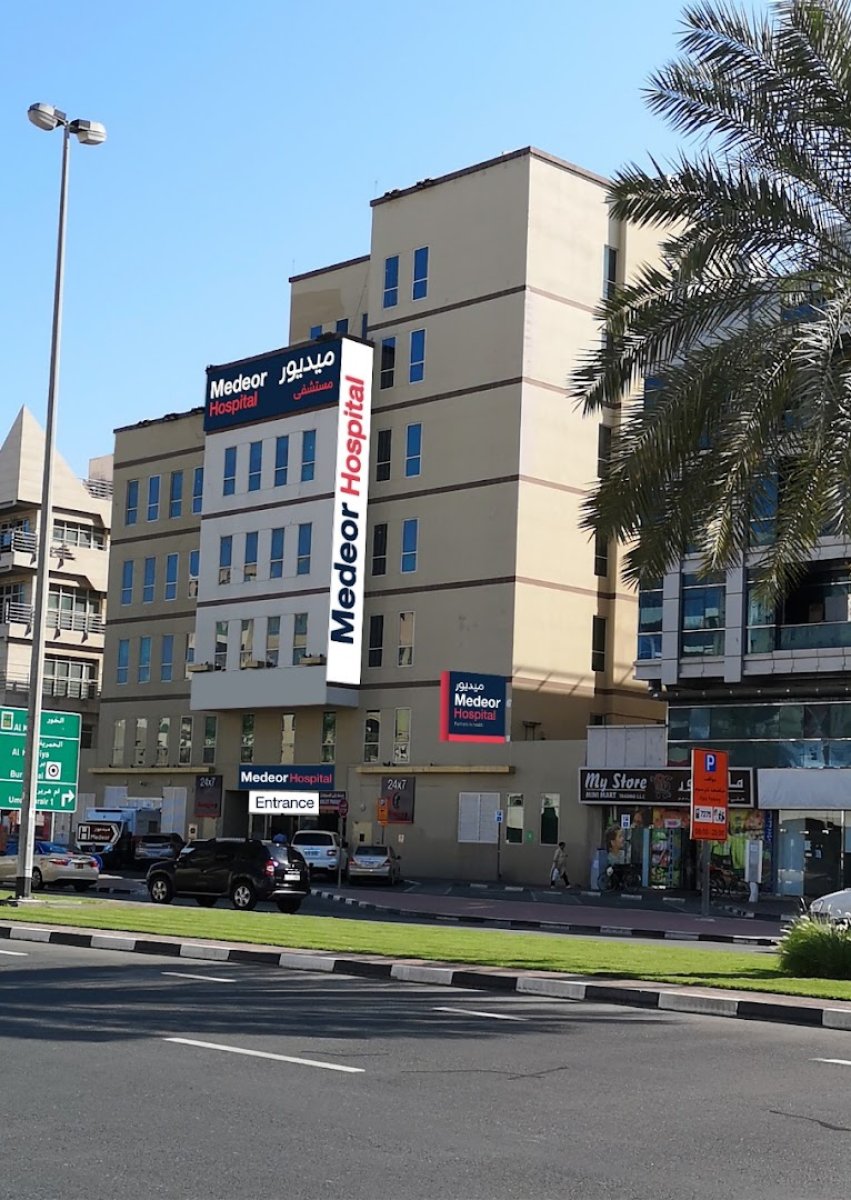




Hospitales Aster en Dubai (Aster Hospitals, DUBAI)
Obtenga una evaluación médica de tratamiento de Pólipos nasales en Emiratos Árabes Unidos: haga una consulta con 7 médicos experimentados ahora
Ver todos los médicos
Shahriyar Azad
Especialista en ORL con certificación europea y _doctor_7588_ años de experiencia – El Dr. Shahriyar Azad realiza procedimientos nasales avanzados en el Dubai London Hospital.
- Formado en la King Fahad Medical City, uno de los centros de ORL más grandes de Arabia Saudita
- Especializado en FESS (cirugía endoscópica funcional de los senos paranasales) para pólipos nasales
- Miembro del Royal College of Surgeons y del European Board of Otolaryngology
- Utiliza técnicas avanzadas como la coblación para la eliminación precisa de pólipos nasales

Mustafa Kapadia
El Dr. Mustafa Kapadia se especializa en cirugía endoscópica de oído y senos paranasales, realizando procedimientos sin incisiones visibles en el Dubai London Hospital.
- _doctor_9419_años_ de experiencia en otorrinolaringología con enfoque en afecciones nasales y sinusales
- Con formación de fellowship en cirugía endoscópica de oído y base de cráneo en Italia
- Miembro de la Junta Ejecutiva del Grupo de Trabajo Internacional sobre Cirugía Endoscópica de Oído
- Investigador publicado y colaborador de libros de texto sobre técnicas endoscópicas
Compartir contenido
Historias en video de pacientes de Bookimed
 Olena Sikoza
Preguntas frecuentes sobre el tratamiento de Pólipos nasales en Emiratos Árabes Unidos
¿Cuál es el mejor tratamiento para los pólipos nasales en los EAU?
El mejor tratamiento para los pólipos nasales en los EAU sigue una progresión clínica desde el manejo médico hasta la cirugía. Los médicos suelen comenzar con aerosoles de corticosteroides o productos biológicos para reducir la inflamación. Si la obstrucción persiste, la cirugía endoscópica funcional de los senos paranasales (FESS) es la solución quirúrgica principal para restaurar el flujo de aire nasal.
- Manejo médico: Los aerosoles de esteroides como la fluticasona o la mometasona reducen el tamaño de los pólipos en 2 a 4 semanas.
- Terapia biológica: Los tratamientos inyectables como el Dupilumab se dirigen a vías inflamatorias específicas para casos crónicos.
- Cirugía funcional: La FESS utiliza endoscopios para extirpar los pólipos sin realizar incisiones externas en la piel.
- Diagnóstico avanzado: Las clínicas especializadas utilizan tecnología guiada por imágenes para mapear los senos paranasales y lograr extirpaciones más seguras y precisas.
Perspectiva del experto de Bookimed: Los pacientes que buscan tratamiento en Dubái se benefician de especialistas altamente acreditados con formación global. Por ejemplo, el Dr. Shahriyar Azad en el Dubai London Hospital posee la certificación MRCS del Reino Unido y la India. Este alto nivel de certificación internacional entre los médicos de los EAU garantiza que los protocolos quirúrgicos cumpl
¿Cuándo es necesaria la cirugía y qué técnica se utiliza?
La cirugía para pólipos nasales en los Emiratos Árabes Unidos es necesaria cuando medicamentos como esteroides o biológicos no logran resolver obstrucciones graves. Los cirujanos utilizan principalmente la Cirugía Endoscópica Funcional de los Senos Paranasales (FESS). Esta técnica mínimamente invasiva elimina los pólipos a través de las fosas nasales utilizando cámaras de alta definición y microdebridores de precisión sin incisiones externas.
- Necesidad quirúrgica: La intervención es necesaria tras 3–6 meses de terapia médica sin éxito.
- Técnica principal: La Cirugía Endoscópica de Senos (ESS) utiliza telescopios diminutos para el acceso nasal interno.
- Herramientas avanzadas: Los cirujanos suelen utilizar microdebridores o sinuplastia con balón para una eliminación precisa del tejido.
- Periodo de recuperación: La mayoría de los pacientes retoman actividades ligeras o el trabajo en 3 días.
- Prevención del crecimiento: Se pueden colocar stents liberadores de esteroides durante la cirugía para reducir los riesgos de recurrencia.
Perspectiva del experto de Bookimed: Aunque muchos buscan el precio más bajo, el verdadero valor en Dubái es encontrar cirujanos con becas de especialización. El Dr. Mustafa Kapadia en el Dubai London Hospital, por ejemplo, posee una beca italiana en cirugía endoscópica. Elegir un especialista
¿Se pueden tratar los pólipos nasales sin cirugía?
Los pólipos nasales se pueden tratar eficazmente sin cirugía mediante terapias médicas especializadas y el control del estilo de vida. Los corticosteroides y las inyecciones biológicas a menudo reducen significativamente los pólipos en cuestión de semanas. En los Emiratos Árabes Unidos, los otorrinolaringólogos certificados suelen priorizar un ensayo médico de 3 a 6 meses antes de considerar cualquier intervención quirúrgica.
- Terapia con esteroides: Los aerosoles nasales y la prednisona oral a corto plazo reducen la inflamación para disminuir los crecimientos.
- Medicamentos biológicos: Los inyectables como Dupixent se dirigen a las vías inmunitarias para casos graves y crónicos de pólipos.
- Irrigación salina: Los enjuagues diarios eliminan la mucosidad y permiten que los medicamentos lleguen al revestimiento nasal.
- Rutina de mantenimiento: El uso constante de fluticasona puede mantener las fosas nasales despejadas durante años.
- Control de los desencadenantes: Controlar el asma y las alergias evita la formación de nuevos pólipos y el crecimiento recurrente.
Perspectiva del experto de Bookimed: Los centros especializados en Dubái, como los hospitales Aster, gestionan más de 20.000.000 de visitas de pacientes al año con amplios recursos de diagnóstico. Nuestros datos muestran que los mejores otorrinolaringólogos, co
¿Es dolorosa la cirugía de pólipos nasales y qué anestesia se utiliza?
La cirugía de pólipos nasales en los Emiratos Árabes Unidos es prácticamente indolora durante el procedimiento. Los cirujanos utilizan anestesia general o anestesia local con sedación para garantizar la comodidad. Las molestias postoperatorias suelen sentirse como un dolor sordo o presión sinusal similar a la de un resfriado. La mayoría de los pacientes lo controlan con medicamentos.
- Tipos de anestesia: La anestesia general es la más común para la cirugía endoscópica de senos paranasales (FESS).
- Control del dolor: Los médicos recomiendan paracetamol y desaconsejan estrictamente la aspirina para prevenir hemorragias.
- Comodidad en la recuperación: Dormir con la cabeza elevada ayuda a reducir la presión y la hinchazón.
- Experiencia especializada: Cirujanos certificados como el Dr. Shahriyar Azad utilizan técnicas endoscópicas avanzadas.
Perspectiva de expertos de Bookimed: Aunque muchos esperan dolor, el mayor factor de comodidad en Dubái es el equipo especializado que se utiliza. Centros como el Dubai London Hospital emplean especialistas certificados por juntas europeas que utilizan cobladores y bisturís armónicos. Estas herramientas minimizan el trauma tisular y el sangrado. Esto a menudo reduce la necesidad de un taponamiento nasal intenso. Elegir una clínica con estas tecnologías puede acortar significativamente su tiempo de recuperaci
¿Cuánto tiempo dura la recuperación y cuándo puedo volar?
La recuperación tras una cirugía de pólipos nasales en los Emiratos Árabes Unidos suele durar de 2 a 4 semanas. La mayoría de los pacientes deben esperar de 2 a 3 semanas antes de volar para evitar complicaciones. Los cambios en la presión de la cabina pueden provocar hemorragias nasales graves o dolor intenso durante la fase inicial de curación.
- Recuperación inicial: La curación crítica ocurre durante los primeros 7 días con formación significativa de costras y molestias.
- Seguridad en el vuelo: Los cirujanos recomiendan esperar 21 días para prevenir hemorragias inducidas por la presión o daños en los tejidos.
- Restricciones de actividad: Los pacientes suelen volver al trabajo de oficina entre 3 y 4 semanas después de la cirugía.
- Curación completa: La recuperación total del tejido y la estabilización del olfato suelen tardar de 6 a 12 semanas.
Perspectiva de expertos de Bookimed: Las clínicas de Dubái, como el Dubai London Hospital, cuentan con especialistas con más de 10 años de experiencia. El Dr. Shahriyar Azad y el Dr. Mustafa Kapadia poseen certificaciones europeas de élite en otorrinolaringología. Este alto nivel de experiencia es crucial para gestionar la recuperación en el clima de los EAU. El calor local intenso y la humedad pueden aumentar la formación de costras nasales y la sequedad posoperatoria en los pacientes.
¿Vuelven a aparecer los pólipos nasales después de la cirugía?
Los pólipos nasales a menudo recurren porque la cirugía elimina el crecimiento pero no la inflamación crónica subyacente. Los estudios muestran que entre el 20% y el 40% de los pacientes experimentan un nuevo crecimiento en unos pocos años. Los pacientes con asma o sensibilidad a la aspirina enfrentan el mayor riesgo. Un manejo médico constante es esencial para prevenir procedimientos secundarios.
- Tasa de recurrencia: Aproximadamente del 20% al 40% de los pacientes observan un nuevo crecimiento después de la cirugía inicial.
- Cirugía de revisión: Alrededor del 37% de los pacientes requieren un segundo procedimiento dentro de los 12 años.
- Técnica quirúrgica: La cirugía endoscópica de senos paranasales (ESS) elimina las obstrucciones para mejorar la administración de medicamentos a largo plazo.
- Terapia de mantenimiento: Se requieren aerosoles esteroides diarios y enjuagues salinos para suprimir la inflamación.
Perspectiva del experto de Bookimed: Especialistas avanzados como el Dr. Shahriyar Azad en el Dubai London Hospital se centran en un manejo integral más allá del quirófano. El uso de cobladores avanzados y tecnología de bisturí armónico durante la cirugía puede minimizar el trauma tisular. Elegir cirujanos con becas internacionales, como las del Royal College of Surgeons, garantiza una atención de alto nivel. Esta experiencia ayuda a
¿Quiénes son los mejores especialistas en otorrinolaringología para el tratamiento de pólipos nasales en los EAU?
Los mejores especialistas en otorrinolaringología en los EAU para el tratamiento de pólipos nasales incluyen al Dr. Shahriyar Azad y al Dr. Mustafa Kapadia en el Dubai London Hospital. Estos expertos se especializan en cirugía endoscópica funcional de los senos paranasales (FESS). Utilizan técnicas mínimamente invasivas y navegación guiada por imagen para garantizar la eliminación precisa de los pólipos y la seguridad del paciente.
- Dr. Shahriyar Azad: Cirujano certificado por el Consejo Europeo en el Dubai London Hospital con más de 10 años de experiencia.
- Dr. Mustafa Kapadia: Especialista en el Dubai London Hospital centrado en cirugía endoscópica de senos paranasales y oído.
- Tecnología avanzada: Clínicas como el Aster Hospital Dubai utilizan FESS y sistemas de navegación guiados por imagen.
- Volumen clínico: Los hospitales Aster tratan a más de 20.000.000 de pacientes anualmente en su extensa red de atención médica.
Perspectiva del experto de Bookimed: Si bien muchos buscan médicos individuales, la infraestructura del centro es igualmente vital para los pólipos nasales. El Dubai London Hospital destaca porque alberga a múltiples especialistas como el Dr. Azad y el Dr. Kapadia, quienes comparten formación internacional del Reino Unido e Italia. Esta concentración de experiencia a menudo conduce a revisiones por pares más sólidas para ca