Pólipos nasales en Israel: las 5 mejores clínicas para su tratamiento


Revisado médicamente por
Fahad Mawlood
Cómo funciona
¿Cuál es el precio del diagnóstico y los tratamientos de Pólipos nasales en Israel? Descubra ahora
| Israel | España | Turquía | |
|---|---|---|---|
| Cirugía endoscópica de senos nasales | ≈ $5,500 | ≈ $3,600 | de $6,000 |
| Cirugía de pólipos nasales | ≈ $5,500 | de $6,700 | de $2,300 |
Descubra las mejores clínicas de tratamiento de Pólipos nasales en Israel: 5 opciones verificadas y Precios







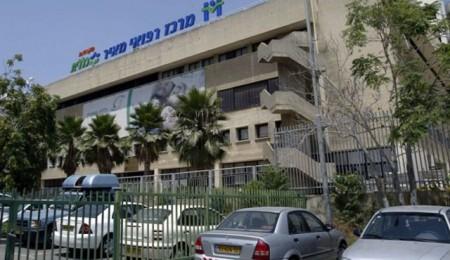
Meir Medical Center

Kaplan Medical Center
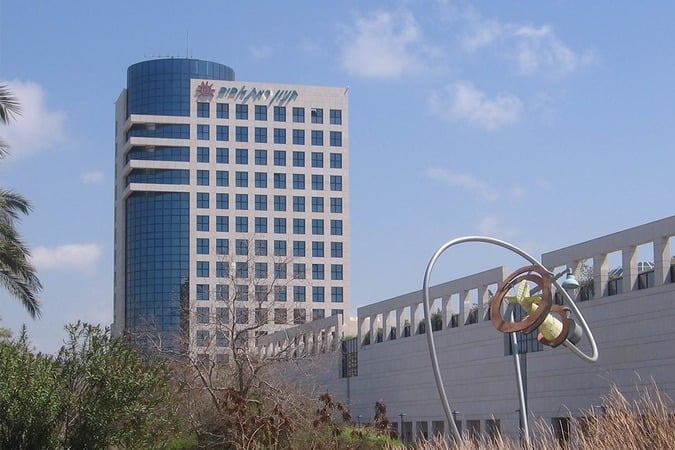
Ramat Aviv Medical Center
Obtenga una evaluación médica para Pólipos nasales en Israel: consulte con doctores experimentados ahora
Ver todos los médicos
Avraam Abergel
Clasificado entre los mejores médicos otorrinolaringólogos de Israel por Forbes en 2021. Dirige el departamento de deficiencias auditivas en el Centro Médico Sourasky, uno de los mejores hospitales de Israel.
- Realiza cirugía endoscópica de senos paranasales, incluso en casos complejos o malignos
- Especializado en tratamientos quirúrgicos para pólipos nasales
- Actúa como subdirector del Departamento de Otorrinolaringología
- Trata una amplia gama de afecciones de cabeza y cuello

Derowe Ari
El Dr. Derowe dirige la Unidad de Otorrinolaringología Pediátrica en el Hospital Ichilov, especializándose en afecciones otorrinolaringológicas infantiles como los pólipos nasales. Se formó como instructor en la Facultad de Medicina de Stanford, una institución de renombre mundial.
- Más de _doctor_3456_ años de experiencia especializada como otorrinolaringólogo.
- Ocupa un respetado puesto de director en un centro médico líder en Tel Aviv.
- Miembro de prestigiosas asociaciones profesionales como la Sociedad Americana de Otorrinolaringología.
- Completó su educación médica y especialización en la Universidad Sackler en Israel.

Ophir Hendzel
El Dr. Hendzel se especializa en cirugías complejas de otología y neurobiología, incluyendo implantes cocleares, con formación en la Facultad de Medicina de Harvard.
- Certificado por el consejo en otorrinolaringología en el Centro Médico Sourasky
- Especializado en cirugía del hueso temporal y la base lateral del cráneo
- Miembro de la Sociedad Internacional de Otología
- Amplia experiencia en procedimientos de implante coclear
Compartir contenido
Historias en video de pacientes de Bookimed
 Olena Sikoza
Preguntas frecuentes sobre el tratamiento de Pólipos nasales en Israel
¿Cuáles son las opciones de tratamiento estándar para los pólipos nasales en Israel?
El tratamiento estándar para los pólipos nasales en Israel incluye un manejo médico especializado e intervenciones quirúrgicas avanzadas. Los pacientes suelen someterse a terapia con corticosteroides o inyecciones biológicas como Dupixent. Si los métodos no invasivos fallan, los cirujanos realizan una cirugía endoscópica funcional de los senos paranasales (FESS) para limpiar los conductos en instalaciones acreditadas por la JCI.
- Manejo médico: Los especialistas recetan aerosoles nasales o esteroides orales para reducir el tamaño de los pólipos.
- Terapia biológica: Los anticuerpos monoclonales como el dupilumab se dirigen a las vías inflamatorias en casos crónicos graves.
- Cirugía endoscópica: Los cirujanos utilizan endoscopios mínimamente invasivos para extirpar los pólipos sin incisiones externas.
- Cuidados postoperatorios: La irrigación salina diaria es obligatoria para mantener los conductos nasales despejados después de los procedimientos.
Perspectiva del experto de Bookimed: Los departamentos de ORL israelíes en centros como el Centro Médico Sourasky integran procedimientos de diagnóstico como los métodos transesfenoidales en su repertorio quirúrgico. Si bien los paquetes quirúrgicos pueden costar entre $5,500 y $8,800, la alta experiencia de cirujanos como el Dr. Avraam Abergel, clasificado entre los mejores por Forbes, garantiza un
¿Cuánto dura una estancia médica típica en Israel para una cirugía endoscópica de senos paranasales y el seguimiento?
Una estancia médica típica en Israel para una cirugía endoscópica de senos paranasales requiere de 4 a 7 días en el país. La mayoría de los procedimientos son ambulatorios, con alta el mismo día tras 4 a 6 horas de observación. Los cirujanos suelen programar el primer seguimiento crítico entre 3 y 7 días después de la operación.
- Periodo de hospitalización: La mayoría de los casos implican el alta el mismo día o hasta 2 días de observación.
- Duración de la cirugía: Los procedimientos endoscópicos de senos paranasales suelen durar entre 60 y 90 minutos bajo anestesia.
- Seguimiento inicial: Los pacientes deben permanecer en el país de 3 a 7 días para la retirada del taponamiento nasal.
- Autorización para viajar: Los especialistas aconsejan esperar de 7 a 14 días antes de volar para prevenir barotraumas sinusales.
Perspectiva del experto de Bookimed: Aunque muchos esperan una estancia hospitalaria larga, los principales centros israelíes como el Sourasky Medical Center gestionan grandes volúmenes de más de 34.000 operaciones al año mediante protocolos ambulatorios eficientes. Nuestros datos muestran que especialistas de primer nivel como el Dr. Avraam Abergel, clasificado por Forbes, utilizan a menudo consultas virtuales para el seguimiento a largo plazo. Esto permite a los pacientes internacionales regresar a casa antes mientras mantienen una
¿Cuál es el cronograma de recuperación después de una cirugía endoscópica de pólipos nasales?
La mayoría de los pacientes se recuperan de la cirugía endoscópica de pólipos nasales en un plazo de 14 días. La curación interna completa suele tardar de 6 a 8 semanas en los centros israelíes acreditados por la JCI. La recuperación temprana implica el control de la congestión y lavados salinos. La mayoría de las personas regresan al trabajo de oficina en un plazo de 7 a 10 días.
- Recuperación temprana: La congestión y el sangrado leve alcanzan su punto máximo durante los primeros 3 días después de la cirugía.
- Límites de actividad: Evite sonarse la nariz o levantar objetos pesados durante 14 días.
- Regreso al trabajo: Los trabajadores de oficina suelen regresar en 1 semana. Los trabajadores manuales necesitan 3 semanas.
- Curación completa: La hinchazón interna y la formación de costras suelen desaparecer en los 2 meses posteriores al tratamiento.
Opinión de expertos de Bookimed: Los especialistas israelíes como el Dr. Avraam Abergel a menudo combinan la extirpación de pólipos con procedimientos del conducto lagrimal o de los senos paranasales. Nuestros datos muestran que los principales centros, como el Centro Médico Sourasky (Ichilov), realizan más de 34 000 operaciones al año. Este gran volumen significa que los cirujanos son altamente eficientes para minimizar el trauma tisular durante casos endoscópicos complejos. Elegir un centro de
¿Pueden los pólipos nasales reaparecer después de la cirugía y cómo se manejan las recurrencias?
Los pólipos nasales reaparecen en aproximadamente el 35% al 40% de los pacientes dentro de los 18 meses posteriores a la cirugía. Las tasas de recurrencia a largo plazo pueden alcanzar el 76% en 12 años. El manejo implica el control de la inflamación crónica mediante aerosoles de esteroides, irrigación salina, inyecciones biológicas o cirugía endoscópica de revisión de senos paranasales especializada.
- Terapia con esteroides: Los corticosteroides intranasales diarios o los enjuagues de alto volumen ayudan a reducir el tejido que vuelve a crecer.
- Medicamentos biológicos: Los fármacos inyectables como Dupixent se dirigen a proteínas específicas que causan inflamación eosinofílica persistente.
- Cirugía de revisión: La cirugía endoscópica avanzada de senos paranasales (FESS) proporciona un mejor acceso para los medicamentos tópicos.
- Herramientas de mantenimiento: Los implantes de liberación de fármacos o los stents sinusales pueden ayudar a mantener abiertas las fosas nasales.
Perspectiva del experto de Bookimed: Los departamentos de otorrinolaringología israelíes priorizan la longevidad quirúrgica involucrando a especialistas senior con formación multidisciplinaria. Por ejemplo, el Dr. Avraam Abergel en el Sourasky Medical Center dirige un departamento dedicado a la nariz y los senos paranasales. Este enfoque en la subespecialización garanti
¿Qué hospitales y cirujanos otorrinolaringólogos son reconocidos internacionalmente por la cirugía de pólipos nasales en Israel?
Los mejores hospitales israelíes para la cirugía de pólipos nasales incluyen el Centro Médico Sourasky y el Centro Médico Sheba. Estas instituciones acreditadas por la JCI utilizan la cirugía endoscópica funcional de los senos paranasales (FESS) y tecnología guiada por imágenes. Cirujanos expertos como el Dr. Avraam Abergel y el Dr. Ophir Hendzel brindan atención avanzada dentro de estos departamentos multidisciplinarios.
- Clasificación de hospitales: Sourasky (Ichilov) fue clasificado entre los mejores hospitales del mundo por Newsweek.
- Cirujanos especializados: El Dr. Avraam Abergel aparece en Forbes por sus procedimientos endoscópicos de senos paranasales.
- Experiencia pediátrica: El Dr. Derowe Ari en Ichilov tiene más de 30 años de experiencia clínica.
- Volumen quirúrgico: El departamento de ORL del Centro Médico Sheba trata a casi 25.000 pacientes al año.
Perspectiva de expertos de Bookimed: Los departamentos de ORL israelíes ofrecen una ventaja única al combinar la extirpación quirúrgica de pólipos con la inmunología. Los datos muestran que clínicas como Sourasky y Sheba integran productos biológicos e investigación innovadora directamente en la atención al paciente. Este enfoque integral es particularmente eficaz para casos complejos relacionados con la rinosinusitis crónica.
Consenso de los pacientes: Los pa
¿Existen cicatrices visibles o cortes externos con la cirugía de senos paranasales para pólipos nasales?
La cirugía moderna de senos paranasales para pólipos nasales en Israel no deja cicatrices visibles ni cortes externos. Los cirujanos realizan la Cirugía Endoscópica Funcional de Senos Paranasales (FESS, por sus siglas en inglés) completamente a través de las fosas nasales. Este enfoque mínimamente invasivo utiliza endoscopios delgados y cámaras. Los cambios visuales en la cara o la piel son generalmente inexistentes.
- Acceso quirúrgico: Los médicos operan a través de las aberturas nasales naturales sin realizar incisiones faciales externas.
- Óptica avanzada: Los endoscopios de alta definición proporcionan vistas internas claras, eliminando la necesidad de cirugía abierta.
- Recuperación típica: Los pacientes generalmente no experimentan hematomas faciales, hinchazón externa ni marcas postoperatorias visibles.
- Excepciones raras: Los cortes externos ocurren solo en casos extremos que involucran abscesos cerebrales o tumores específicos.
Perspectiva del experto de Bookimed: Si bien centros de primer nivel como el Sourasky Medical Center (Ichilov) realizan más de 34,000 operaciones anuales, los pacientes deben verificar la subespecialización específica de su cirujano. Médicos como el Dr. Avraam Abergel, clasificado entre los mejores por Forbes, enumeran específicamente tanto la cirugía endoscópica de senos paranasales como la extirpación de tum
¿Qué ciudades/clústeres son los mejores para pacientes internacionales que buscan tratamiento para pólipos nasales en Israel?
Tel Aviv y Petah Tikva son los principales clústeres para el tratamiento de pólipos nasales en Israel. Estas ciudades albergan instalaciones acreditadas por la JCI como el Sourasky Medical Center y el Schneider Children’s Medical Center. Se especializan en cirugía endoscópica de senos paranasales (FESS) y productos biológicos avanzados. Los departamentos internacionales ofrecen coordinadores de habla inglesa para una atención sin problemas.
- Centro de Tel Aviv: El Sourasky Medical Center cuenta con clínicas dedicadas a los senos paranasales y departamentos de otorrinolaringología acreditados por la JCI.
- Cirujanos expertos: El Dr. Avraam Abergel en Sourasky se especializa en cirugía endoscópica avanzada de senos paranasales.
- Especialización pediátrica: El Schneider Center en Petah Tikva es un líder mundial en otorrinolaringología infantil.
- Opciones privadas: El Ramat Aviv Medical Center ofrece cirugía multidisciplinaria utilizando investigación innovadora con radioisótopos.
Perspectiva del experto de Bookimed: El volumen clínico es un indicador de calidad importante en Israel. El Sourasky Medical Center trata a más de 400,000 pacientes al año y realiza 34,000 operaciones. Nuestros datos muestran que los cirujanos de primer nivel como el Dr. Derowe Ari, quien tiene más de 30 años de experiencia, a menudo ejercen tanto en el sector público
¿Por qué Israel es uno de los principales destinos para la neurocirugía?
Israel es un centro líder en neurocirugía gracias a su combinación de avances médicos de alta tecnología y una experiencia quirúrgica de primer nivel. Instalaciones avanzadas como el Centro Médico Sheba utilizan sistemas de navegación basados en IA y resonancia magnética intraoperatoria en tiempo real. Centros especializados reportan una tasa de éxito del 98% en procedimientos complejos, como la craneotomía con el paciente despierto y el tratamiento de trastornos del movimiento.
- Tecnología avanzada: Las clínicas utilizan ultrasonido enfocado guiado por resonancia magnética (MRgFUS) y sistemas robóticos para realizar incisiones.
- Experiencia quirúrgica: Cirujanos como el Dr. Zvi Ram lideran asociaciones internacionales con más de 25 años de experiencia.
- Acceso rápido: Los pacientes internacionales generalmente pueden programar cirugías complejas de cerebro o columna en un plazo de 2 a 4 semanas.
- Atención médica acreditada: Grandes centros como Sourasky (Ichilov) y Assuta están acreditados por la JCI, lo que confirma su seguridad.
Opinión experta de Bookimed: Los datos muestran una clara diferencia entre las opciones de tratamiento públicas y privadas en Israel. Centros privados, como el Centro Médico Assuta, realizan más de 92.000 cirugías al año y permiten a los pacientes elegir a un cirujano líder específico. Esto supone una ventaja signi
¿Qué tipos de enfermedades neuroquirúrgicas se tratan en Israel?
Los neurocirujanos israelíes tratan una amplia gama de afecciones, desde tumores cerebrales y de médula espinal hasta trastornos funcionales complejos. Los centros especializados utilizan tecnologías de vanguardia, como el bisturí de rayos gamma, la estimulación cerebral profunda y la resonancia magnética intraoperatoria, para un diagnóstico altamente preciso de la epilepsia, la enfermedad de Parkinson y las patologías cerebrovasculares.
- Enfermedades oncológicas: tratamiento de gliomas, meningiomas y tumores hipofisarios mediante resección de la base del cráneo.
- Trastornos funcionales: tratamiento de la enfermedad de Parkinson y del temblor esencial mediante estimulación cerebral profunda.
- Patologías de columna: corrección de escoliosis, hernias discales y tumores espinales mediante sistemas robóticos.
- Tratamiento de las enfermedades cerebrovasculares: tratamiento quirúrgico de aneurismas cerebrales y malformaciones arteriovenosas mediante intervenciones endovasculares.
- Neurocirugía pediátrica: atención especializada en hidrocefalia y anomalías congénitas en centros pediátricos especializados.
Opinión experta de Bookimed: Los hospitales israelíes suelen combinar diversas especialidades para abordar casos complejos. En el Centro Médico Sourasky, neurocirujanos como el Dr. Zvi Lidar combinan neurocirugía y ortopedi
¿Qué hospitales en Israel son más conocidos por sus departamentos de neurocirugía?
Israel alberga centros neuroquirúrgicos de renombre mundial, como el Centro Médico Sourasky, el Centro Médico Sheba y el Centro Médico Hadassah. Estas instituciones son líderes mundiales en el tratamiento de tumores cerebrales complejos, enfermedades de la columna vertebral y trastornos del movimiento. Utilizan tecnologías de vanguardia como el bisturí de rayos gamma, sistemas robóticos y resonancia magnética intraoperatoria.
- Suraski (Ichilov): realiza más de 2.500 operaciones neuroquirúrgicas al año en Tel Aviv con una tasa de éxito del 98%.
- Centro Médico Sheba: clasificado entre los diez mejores hospitales del mundo, trata a 1,9 millones de pacientes al año.
- Centro Médico Hadassah: Nominado al Premio Nobel de la Paz. Líder en neurocirugía pediátrica y terapia génica.
- Centro Médico Assuta: el centro médico privado más grande de Israel. Especializado en cirugías mínimamente invasivas de columna y cerebro.
- Hospital Infantil Schneider: un centro líder en neurocirugía pediátrica que trata a 275.000 niños al año.
Opinión experta de Bookimed: Nuestros datos muestran que, si bien la mayoría de los pacientes buscan tratamiento en Tel Aviv, el Centro Médico Rambam en Haifa ofrece una atención única para neurotraumatismos. Cuenta con una unidad especializada en cuidados neurocríticos que atiende a aproximadamente un milló