Cirugía de la columna en México: las 19 mejores clínicas con opiniones de pacientes


Revisado médicamente por
Fahad Mawlood
¿Cuál es el precio de procedimientos de Cirugía de la columna en México? Descubra ahora
La cirugía de columna en México tiene un costo promedio de entre $9,600 y $25,300. Los costos dependen de la complejidad quirúrgica, el tipo de implantes utilizados y el nivel de acreditación de la clínica. Los pacientes suelen ahorrar entre un 40 y un 80% en comparación con los precios de EE. UU.
Costos típicos de cirugía de columna en México
- Discectomía: de $7,000
Los principales centros de columna se encuentran en la Ciudad de México, Guadalajara y ciudades fronterizas como Tijuana, las cuales pueden ser entre un 20 y un 30% más económicas. Consulte con un especialista en columna para obtener un presupuesto preciso basado en su diagnóstico específico.
| España | Turquía | México | |
|---|---|---|---|
| Tratamiento quirúrgico de la radiculopatía | ≈ $7,200 | de $4,000 | ≈ $8,000 |
| Tratamiento quirúrgico de la escoliosis | de $56,000 | de $15,000 | ≈ $22,000 |
| Plástico vertebral | ≈ $4,000 | de $4,000 | ≈ $7,500 |
| Laminectomía | de $15,000 | de $4,500 | de $11,500 |
| Fusión vertebral mínimamente invasiva | de $14,600 | de $8,000 | de $11,500 |
Sus beneficios y garantías con Bookimed
Precios directos
Bookimed no añade cargos extra a los precios de los tratamientos de Cirugía de la columna. Las tarifas proceden de las listas de precios oficiales de las clínicas. Pagará directamente en la clínica por su tratamiento a su llegada al país.
Sólo clínicas y médicos verificados
Bookimed está comprometido con su seguridad. Solo trabajamos con las clínicas que mantienen altos estándares internacionales en el tratamiento de Cirugía de la columna y tienen las licencias necesarias para atender a pacientes internacionales en todo el mundo.
Asistencia 24/7 gratuita
Bookimed ofrece asistencia experta gratuita. Un coordinador médico personal le apoya antes, durante y después del tratamiento, resolviendo cualquier problema. Nunca estará solo en su viaje médico de procedimientos de Cirugía de la columna.

Su coordinador médico personal de Bookimed
- Le apoya en cada etapa
- Ayuda a elegir la clínica y el médico adecuados
- Asegura un acceso rápido y conveniente a la información
Descubra las mejores clínicas de Cirugía de la columna en México: 19 opciones verificadas y Precios



Advance Health Medical Center

GDL Neurocirugía de Alta Especialidad
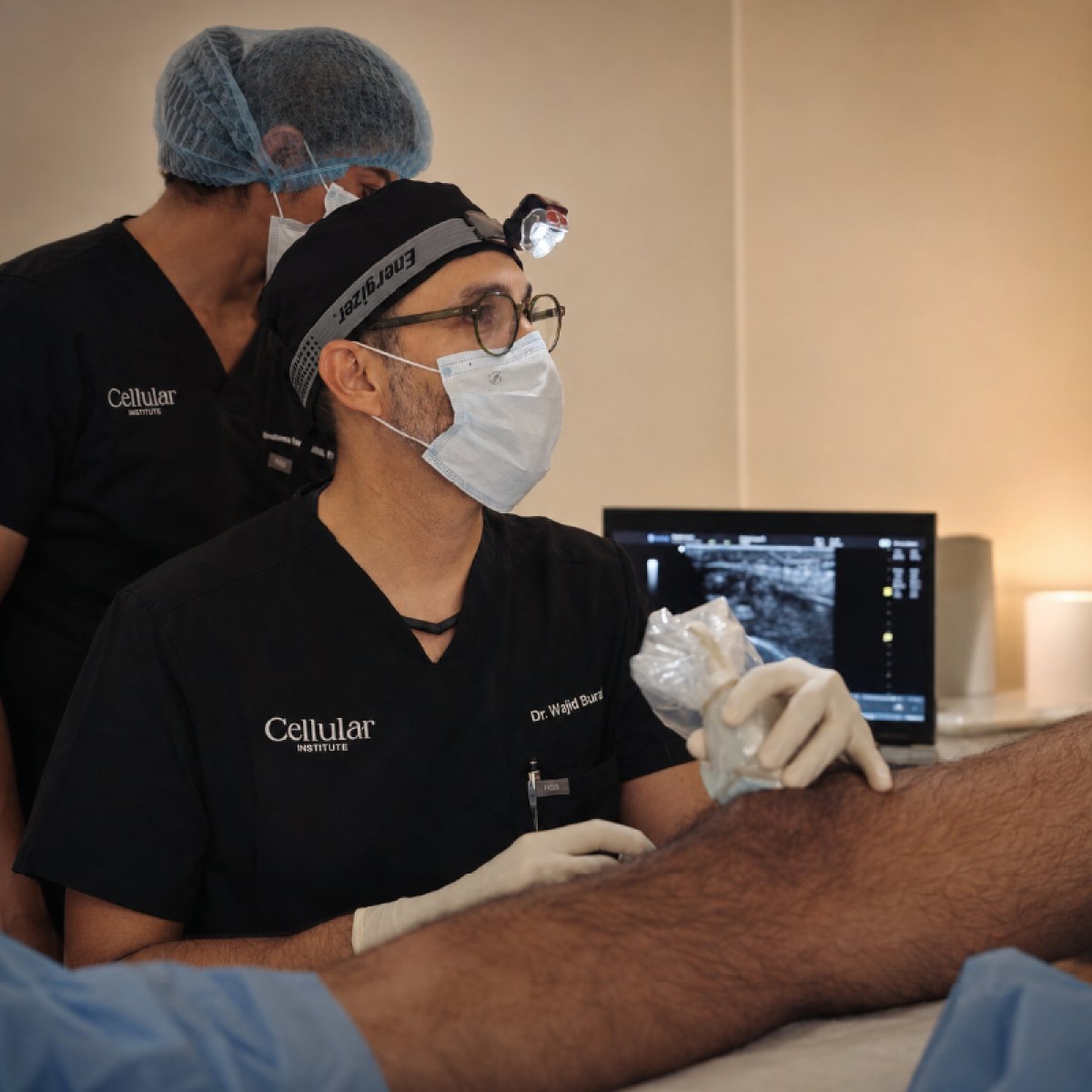
Cellular Hope Institute

Hospital Zambrano Hellion




Los mejores centros médicos de Cirugía de la columna en México
- Hospital de la Familia, México
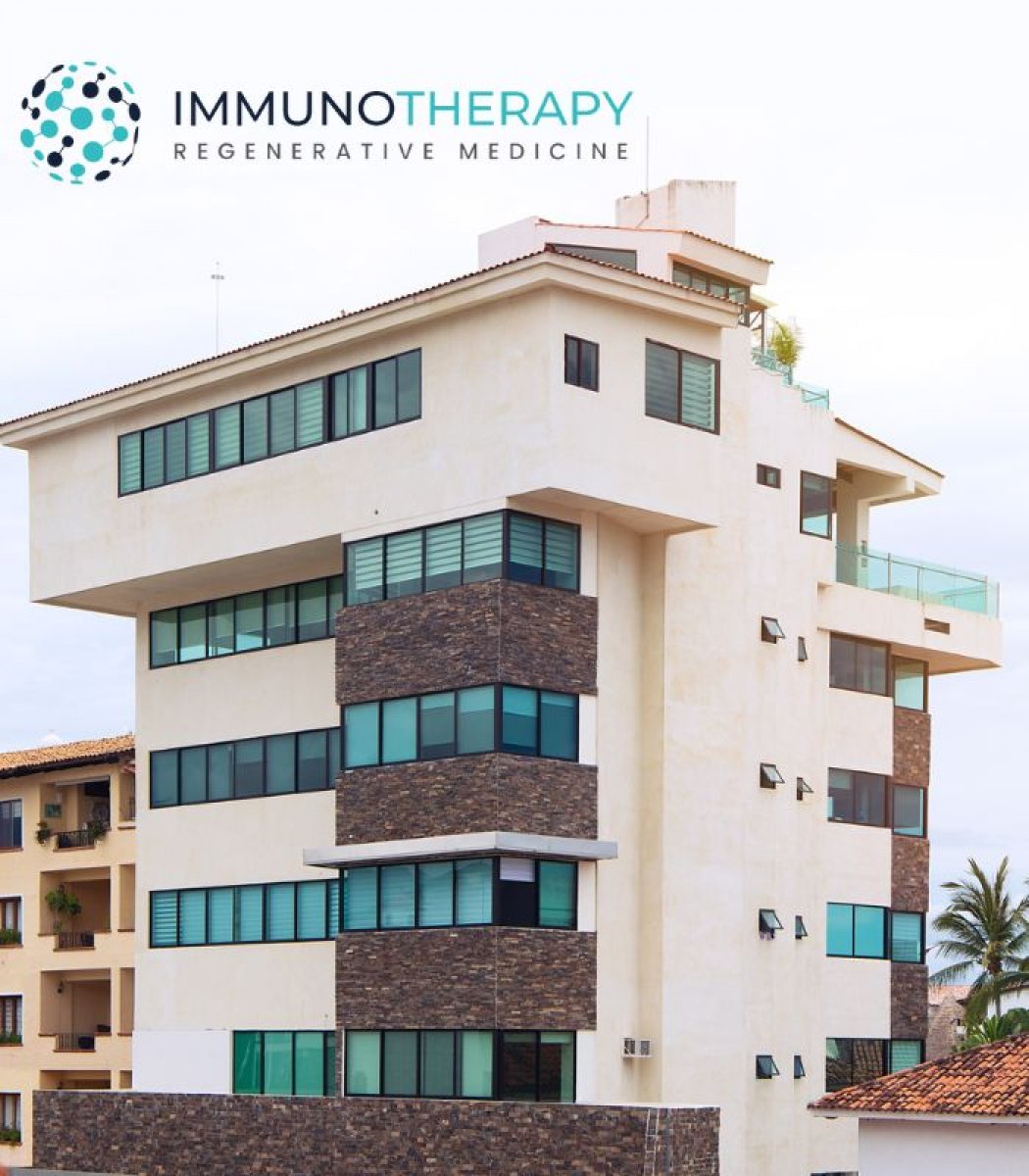
- Immunotherapy Regenerative Medicine, México
- Advance Health Medical Center, México
- Dentavida Clinic, México
- GDL Neurocirugía de Alta Especialidad , México
- Cellular Hope Institute, México
- Hospital Zambrano Hellion, México
- Advance Health Medical Center, México
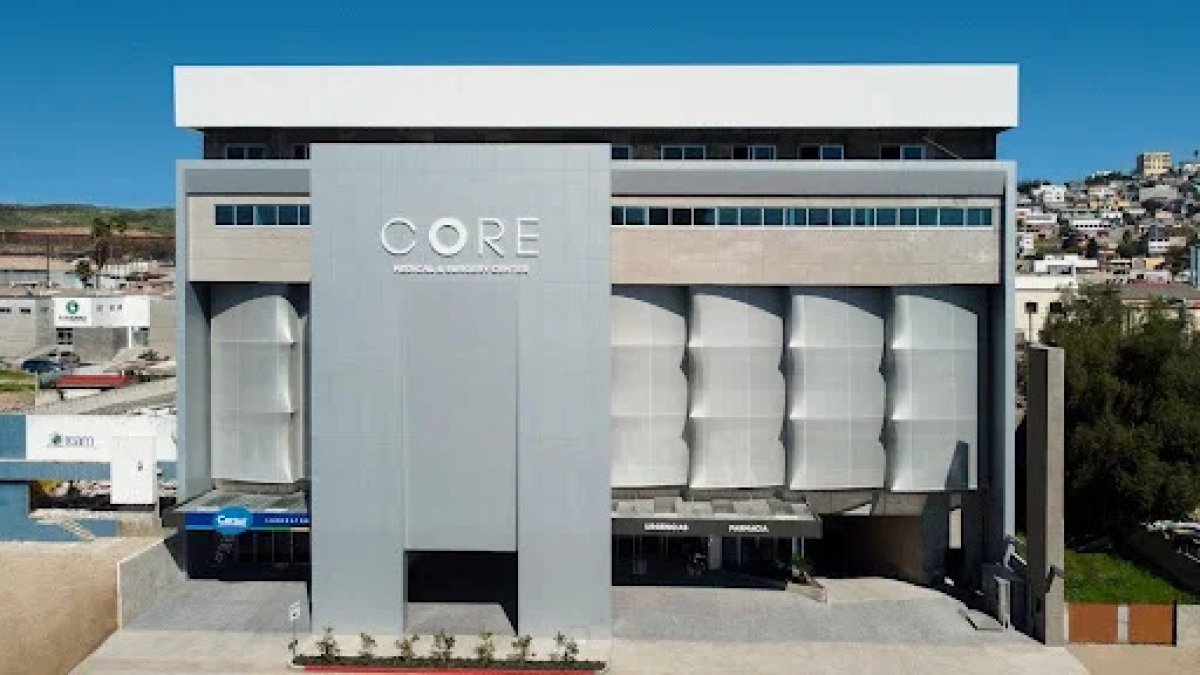
- Hospital Angeles Tijuana, México
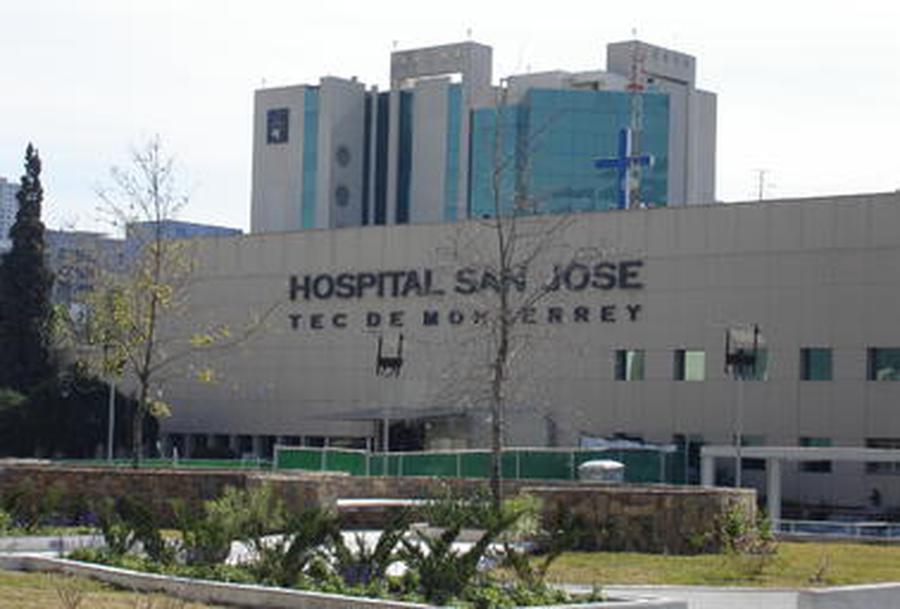
- Hospital San Jos Tecnolgico de Monterrey, México
Obtenga una evaluación médica de Cirugía de la columna en México: haga una consulta con 8 médicos experimentados ahora
Ver todos los médicos
Miguel Omar Sánchez Montalvo

Juan Bustamante
El Dr. Bustamante cuenta con más de 35 años de experiencia en cirugía ortopédica, especializándose en afecciones de la columna vertebral en el Hospital de la Familia.
- Subespecialidad (Fellowship) en Medicina Deportiva y Artroscopia en el Hughston Sport Medicine Hospital
- Miembro de la Academia Americana de Cirujanos Ortopédicos
- Especializado en Ortopedia en el Hospital Shrines for Children
- Becario de la Sociedad Mexicana de Investigación Ortopédica
Emilio Alberto Reyes Elizalde

Matilde Rodríguez
Compartir contenido
Historias en video de pacientes de Bookimed
 Olena Sikoza
Preguntas frecuentes sobre Cirugía de la columna en México
¿Es seguro someterse a una cirugía de columna en México?
La cirugía de columna en México es segura cuando se realiza en instalaciones con acreditación CSG o JCI. Muchos cirujanos, como el Dr. Juan Bustamante, cuentan con más de 35 años de experiencia y formación de subespecialidad en EE. UU. Los centros de alta tecnología en Tijuana, Mexicali y Monterrey utilizan implantes aprobados por la FDA para procedimientos complejos.
- Acreditación hospitalaria: La Joint Commission International (JCI) y la CSG certifican el cumplimiento de protocolos de seguridad globales.
- Credenciales de los cirujanos: Los mejores especialistas son miembros de la American Academy of Orthopedic Surgeons.
- Centros especializados: Instalaciones como el Hospital Angeles Tijuana se enfocan específicamente en pacientes médicos internacionales.
- Proximidad: Las clínicas en Mexicali y Tijuana ofrecen atención de primer nivel a pasos de la frontera con EE. UU.
Perspectiva del experto de Bookimed: Los datos muestran que las clínicas con un alto volumen de pacientes internacionales, como el Hospital Angeles Tijuana y el Hospital de la Familia, priorizan el apoyo bilingüe. Estas instalaciones a menudo mantienen calificaciones de seguridad más altas porque siguen tanto los estándares mexicanos CSG como las normas internacionales ISO. Elegir una clínica en una ciudad fronteriza también puede simplificar la logística postoperatoria.
¿Están los cirujanos cualificados para realizar cirugía de columna en México?
Los cirujanos de columna cualificados en México poseen licencias especializadas emitidas por el gobierno y certificaciones del Consejo Mexicano de Ortopedia y Traumatología. Muchos especialistas destacados, como el Dr. Juan Bustamante en el Hospital de la Familia, cuentan con más de 35 años de experiencia y mantienen membresías activas en la American Academy of Orthopedic Surgeons.
- Certificación: Los mejores cirujanos mantienen credenciales del Consejo Mexicano de Ortopedia y Traumatología.
- Licencias de especialidad: Los médicos deben poseer una Cédula de Especialidad específica para neurocirugía u ortopedia.
- Formación internacional: Los especialistas líderes a menudo completan becas (fellowships) de columna en instituciones prestigiosas de EE. UU.
- Estándares de las instalaciones: Centros como el Hospital San José Tecnológico de Monterrey cuentan con la acreditación JCI de seguridad.
Perspectiva del experto de Bookimed: Los centros de alto volumen en ciudades fronterizas como Mexicali o Tijuana a menudo cierran la brecha entre los estándares médicos mexicanos y estadounidenses. Por ejemplo, el Hospital de la Familia se encuentra a pasos de la frontera con California y se especializa en atender a pacientes internacionales. Esta proximidad geográfica a menudo resulta en equipos médicos que son completamente bilingües y están acostumbrados
¿Cuál es la tasa de éxito de las cirugías de columna realizadas en las mejores clínicas mexicanas?
Las mejores clínicas mexicanas reportan tasas de éxito en cirugía de columna de entre el 70% y el 90% para procedimientos complejos. Los resultados de las discectomías mínimamente invasivas a menudo superan el 90%. Los centros líderes siguen protocolos de seguridad internacionales. Estos estándares coinciden con los encontrados en los Estados Unidos y Canadá.
- Resultados del procedimiento: El éxito de la discectomía a menudo alcanza el 90% en centros especializados de Tijuana.
- Corrección de escoliosis: Equipos especializados reportan un 90% de éxito basado en los resultados de alineación correctiva.
- Éxito de la fusión: La descompresión lumbar y la fusión espinal muestran entre un 70% y un 90% de éxito.
- Volumen clínico: El Hospital de la Familia ha realizado más de 1,100 cirugías de columna exitosas.
Perspectiva del experto de Bookimed: Los centros de alto volumen en México a menudo muestran resultados más consistentes para técnicas específicas. Por ejemplo, el Hospital Angeles Tijuana atiende a más de 5,000,000 de pacientes anualmente en toda su red. Esta escala masiva permite a los cirujanos perfeccionar los métodos mínimamente invasivos. Nuestros datos muestran que las clínicas con acreditación CSG mantienen estándares de seguridad idénticos a los hospitales certificados por la JCI. Estas instalaciones utilizan frecuentemente los mismo
¿Qué se incluye normalmente en un paquete de cirugía con todo incluido?
Los paquetes de cirugía de columna con todo incluido en México ofrecen una solución médica de precio único. Por lo general, cubren los honorarios del cirujano, la anestesia y los costos de las instalaciones especializadas. Estos paquetes suelen incluir de 3 a 7 noches de estancia hospitalaria. Los diagnósticos esenciales como resonancias magnéticas o tomografías computarizadas suelen estar incluidos.
- Servicios médicos: Cubre a los cirujanos principales, honorarios de asistentes y atención de enfermería especializada.
- Hospitalización: Incluye de 3 a 7 noches en habitación privada con medicamentos básicos.
- Logística: Ofrece traslados VIP al aeropuerto y transporte coordinado entre el hotel y la clínica.
- Diagnóstico por imagen: Los paquetes suelen incluir análisis de sangre preoperatorios y tomografías o radiografías de columna esenciales.
Perspectiva de expertos de Bookimed: Nuestros datos muestran que clínicas como el Hospital Angeles Tijuana y el Hospital de la Familia aprovechan su proximidad a la frontera con EE. UU. para incluir beneficios logísticos únicos. Aunque muchos asumen que todo incluido significa todo, las clínicas con acreditación CSG a menudo incluyen imágenes postoperatorias específicas. Confirme siempre si los implantes de titanio o el hardware están incluidos en el presupuesto inicial para evitar grandes facturas por s
¿Utilizan las clínicas en México los mismos implantes médicos y tecnología que en los Estados Unidos?
Las clínicas mexicanas de renombre utilizan los mismos implantes espinales y tecnología aprobados por la FDA que se encuentran en los Estados Unidos. Las instalaciones de alta gama en ciudades como Tijuana y Monterrey suelen utilizar marcas globales como Medtronic y Zimmer Biomet. Muchos hospitales también cuentan con la acreditación de la Joint Commission International (JCI) para garantizar estándares de seguridad equivalentes a los de EE. UU.
- Procedimientos disponibles: Los cirujanos realizan casos complejos que incluyen cifoplastia, discectomía y tratamientos de escoliosis.
- Diagnóstico estándar: Los centros avanzados ofrecen resonancias magnéticas de la médula espinal y tomografías computarizadas.
- Instalaciones certificadas: Los mejores hospitales, como el Hospital San José, cuentan con la prestigiosa acreditación JCI.
- Experiencia internacional: Médicos como el Dr. Juan Bustamante cuentan con becas de instituciones estadounidenses.
Perspectiva del experto de Bookimed: Los datos muestran que las clínicas en ciudades fronterizas como Mexicali y Tijuana a menudo operan como instalaciones boutique especializadas. El Hospital de la Familia, por ejemplo, mantiene solo 32 habitaciones privadas para centrarse en la atención quirúrgica personalizada. Estos centros más pequeños a menudo se coordinan a través de subsidiarias estadounidenses par
¿Cuánto tiempo debo planear quedarme en México para una cirugía de columna?
Planee quedarse en México de 10 a 14 días para la mayoría de las cirugías de columna. Los procedimientos mínimamente invasivos como la cifoplastia pueden requerir solo 7 días. Los casos complejos, como la fusión espinal, a menudo requieren 21 días. Este plazo garantiza una supervisión adecuada y la autorización médica antes de su vuelo de regreso.
- Fase preoperatoria: Llegue 1 o 2 días antes para consultas e imágenes de diagnóstico como resonancias magnéticas.
- Duración en el hospital: Espere de 2 a 5 días de hospitalización para el manejo del dolor y fisioterapia.
- Ventana de recuperación: Permanezca localmente de 7 a 10 días después del alta para el cuidado de heridas y chequeos.
- Seguridad en el vuelo: Espere al menos 10 días antes de volar para reducir los riesgos de coágulos sanguíneos.
Perspectiva del experto de Bookimed: Los centros de alto volumen como el Hospital de la Familia en Mexicali se benefician de su proximidad a la frontera. Los pacientes allí a menudo eligen estancias de recuperación locales para garantizar que los cirujanos puedan realizar el retiro de puntos en persona para el día 10. Este seguimiento físico es vital antes de pasar por aduanas o enfrentar largos días de viaje.
Consenso de los pacientes: Los pacientes a menudo se arrepienten de reservar viajes cortos y sugieren quedarse al menos 1
¿Qué idioma habla el personal médico y habrá alguna barrera lingüística?
El personal médico en los centros de cirugía de columna en México suele ser bilingüe. Los cirujanos en instalaciones como el Advance Health Medical Center a menudo hablan inglés con fluidez. Aunque el español es el idioma principal, los principales hospitales en Tijuana y Mexicali ofrecen una coordinación dedicada para pacientes de habla inglesa para evitar brechas de comunicación.
- Comunicación con el cirujano: Los especialistas principales a menudo cuentan con becas de instituciones de EE. UU.
- Personal de apoyo: El personal de enfermería y administrativo varía en sus niveles de dominio del inglés.
- Instalaciones acreditadas: Los hospitales acreditados por la JCI, como el Hospital San José, mantienen altos estándares de servicio.
- Ventaja de ubicación: Las clínicas en Mexicali y Tijuana atienden específicamente a pacientes internacionales.
Perspectiva del experto de Bookimed: Los datos muestran que las instalaciones tipo boutique como el Hospital de la Familia se centran en la atención personalizada con 32 habitaciones privadas. Estos entornos más pequeños a menudo garantizan un acceso más constante a personal bilingüe en comparación con los hospitales públicos de alto volumen. Elegir una clínica con una calificación de 4.2+ generalmente garantiza un soporte administrativo más fluido en inglés.
Consenso de los pacientes:
¿Utilizan técnicas mínimamente invasivas y sistemas de navegación?
La cirugía de columna en México utiliza técnicas mínimamente invasivas (MIS) avanzadas y sistemas de navegación para mejorar la precisión quirúrgica. Los centros especializados en Tijuana y Mexicali ofrecen cirugía de fusión mínimamente invasiva a partir de $11,500. Estas tecnologías reducen el trauma tisular y pueden acortar significativamente los tiempos de recuperación.
- Procedimientos disponibles: Las clínicas ofrecen fusión mínimamente invasiva, discectomía y cirugía de hernia discal.
- Credenciales hospitalarias: Las mejores instalaciones cuentan con acreditación de la Joint Commission International (JCI) o del Consejo de Salubridad General.
- Herramientas de precisión: Los sistemas de navegación proporcionan mapas anatómicos en tiempo real para guiar la colocación precisa de los implantes.
- Beneficios en la recuperación: Las incisiones más pequeñas mediante MIS a menudo conducen a estancias hospitalarias más cortas para los pacientes.
Perspectiva del experto de Bookimed: Las clínicas de neurocirugía de alto volumen en Guadalajara y Tijuana a menudo integran sistemas de navegación para manejar más de 600 casos de columna al año. Si bien estas herramientas son estándar en hospitales privados como el Hospital Angeles Tijuana, las clínicas enfocadas en el presupuesto pueden depender de métodos tradicionales. Siempre verifique s