Ir a inicio
820К+ pacientes han recibido asistencia desde 2014
50 países
1,500 clínicas
6K+ reseñas
3K+ médicos calificados

¿Cuál es el precio de procedimientos de Obstetricia y Ginecología en Corea del Sur? Descubra ahora

Obstetrics and gynecology services in South Korea typically cost from $9,400 to $18,500. Total expenses depend on the type of procedure, hospital stay length, and whether specialized surgical techniques like laparoscopy are used. Patients from abroad can expect 40-70% savings compared to prices for similar treatments in the US.

Typical Obstetrics and Gynecology Costs in South Korea

  • Consultation with a gynecologist: $27 – $100
  • Papanicolaou test (PAP analysis): $100 – $200
  • Blood test for hormonal profile: $100 – $300
  • Hymenoplasty (hymen restoration): Precio a consultar
  • Hysterectomy (uterus removal): $5,000 – $16,500
  • Myomectomy (removal of uterine fibroids): $6,500 – $14,500
  • Pregnancy follow-up: $1,900 – $3,400
  • Ovarian cyst removal: $4,800 – $9,800
  • Сesarean section: $6,800 – $11,500
  • Laparoscopic hysterectomy: $11,500 – $19,500

Major medical centers for women's health are located in Seoul and Busan. While quality remains consistent, clinics in Busan occasionally offer more competitive international packages. Consult with a specialist to get accurate pricing for your specific health needs and treatment plan.

Corea del SurEspañaTurquía
Ultrasonido Focalizado Guiado por Resonancia Magnética (MRgFUS)de $13,500de $9,000de $10,000
Seguimiento del embarazode $1,850de $250de $100
Procedimiento de cabestrillode $3,000de $4,500de $2,300
Partode $4,200de $3,500de $3,600
Miomectomía con Robot Da Vincide $10,000de $12,500de $6,215
Datos verificados por Bookimed a partir de June 2026, basados en solicitudes de pacientes y cotizaciones oficiales de 27 clínicas en todo el mundo. Los costos medianos se basan en facturas reales (2025–2026) y se actualizan mensualmente. Los precios reales pueden variar.

Sus beneficios y garantías con Bookimed

Precios directos

Bookimed no añade cargos extra a los precios de los tratamientos de Obstetricia y Ginecología. Las tarifas proceden de las listas de precios oficiales de las clínicas. Pagará directamente en la clínica por su tratamiento a su llegada al país.

Sólo clínicas y médicos verificados

Bookimed está comprometido con su seguridad. Solo trabajamos con las clínicas que mantienen altos estándares internacionales en el tratamiento de Obstetricia y Ginecología y tienen las licencias necesarias para atender a pacientes internacionales en todo el mundo.

Asistencia 24/7 gratuita

Bookimed ofrece asistencia experta gratuita. Un coordinador médico personal le apoya antes, durante y después del tratamiento, resolviendo cualquier problema. Nunca estará solo en su viaje médico de procedimientos de Obstetricia y Ginecología.

¿Por qué nosotros?

Su coordinador médico personal de Bookimed

  • Le apoya en cada etapa
  • Ayuda a elegir la clínica y el médico adecuados
  • Asegura un acceso rápido y conveniente a la información

Descubra las mejores clínicas de Obstetricia y Ginecología en Corea del Sur: 27 opciones verificadas y Precios

El ranking de clínicas de Bookimed se basa en algoritmos de data science, ofreciendo una comparación confiable, transparente y objetiva. Tiene en cuenta la demanda de pacientes, las puntuaciones de reseñas (positivas y negativas), la frecuencia de actualización de opciones de tratamiento y precios, la rapidez de respuesta y las certificaciones de las clínicas.
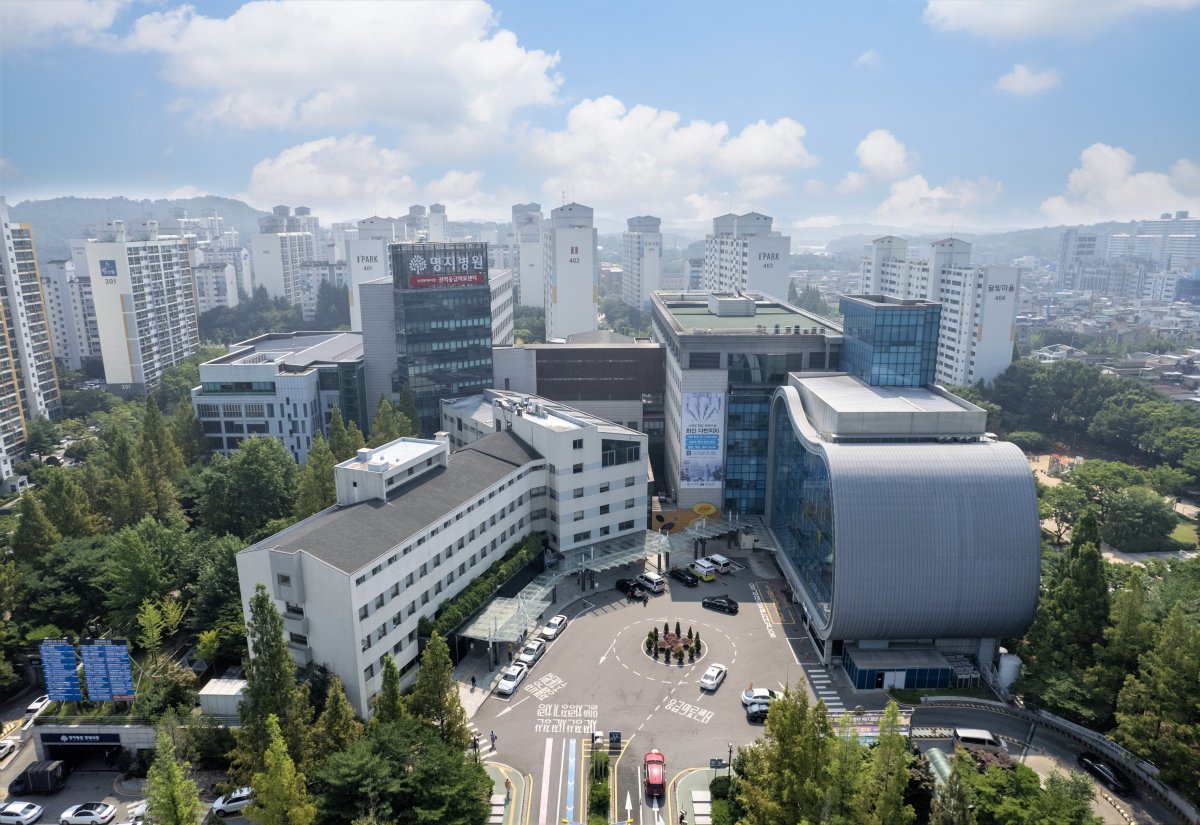
Hospital Seoul Miz
Samsung Medical Center
Trinity Women's Clinic
4.35 reseñas
Precio a consultar
Más información
SEJONG HOSPITAL
3.85 reseñas
Precio a consultar
Más información
Ewha Womans University Medical Center
Ha visto 5 de 27 clínicas

Los mejores centros médicos de Obstetricia y Ginecología en Corea del Sur

  • Hospital Seoul Miz, Corea del Sur
  • Samsung Medical Center, Corea del Sur
  • Trinity Women's Clinic, Corea del Sur
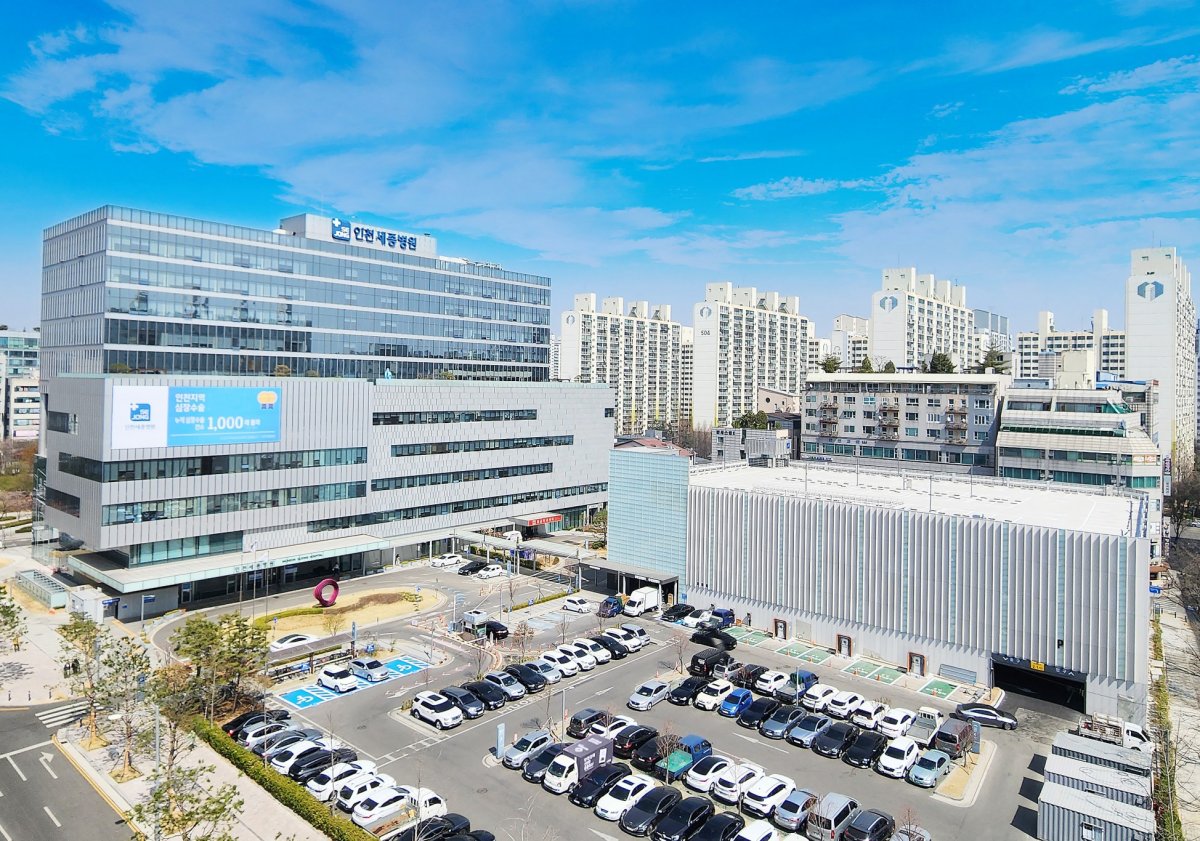
  • SEJONG HOSPITAL, Corea del Sur
  • Ewha Womans University Medical Center, Corea del Sur

Obtenga una evaluación médica de Obstetricia y Ginecología en Corea del Sur: haga una consulta con 20 médicos experimentados ahora

Ver todos los médicos
verificado

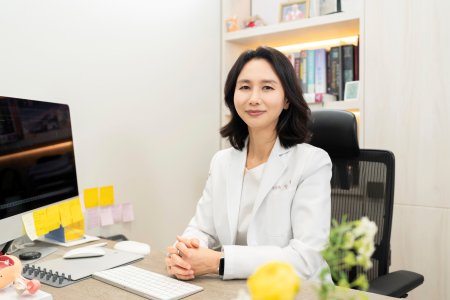
Yeoun E Park

37 años de experiencia

Más de 900 procedimientos ginecológicos mínimamente invasivos realizados: el Dr. Park se especializa en cirugías laparoscópicas y asistidas por robot en el Hospital Seoul Miz.
  • Director médico con funciones de liderazgo en dos hospitales importantes
  • Profesor adjunto en cuatro prestigiosas universidades médicas coreanas
  • Se especializa en casos complejos de endometriosis y miomas
  • Miembro de la Sociedad Coreana de Obstetricia y Ginecología
verificado

Yang Ki Yeol

20 años de experiencia

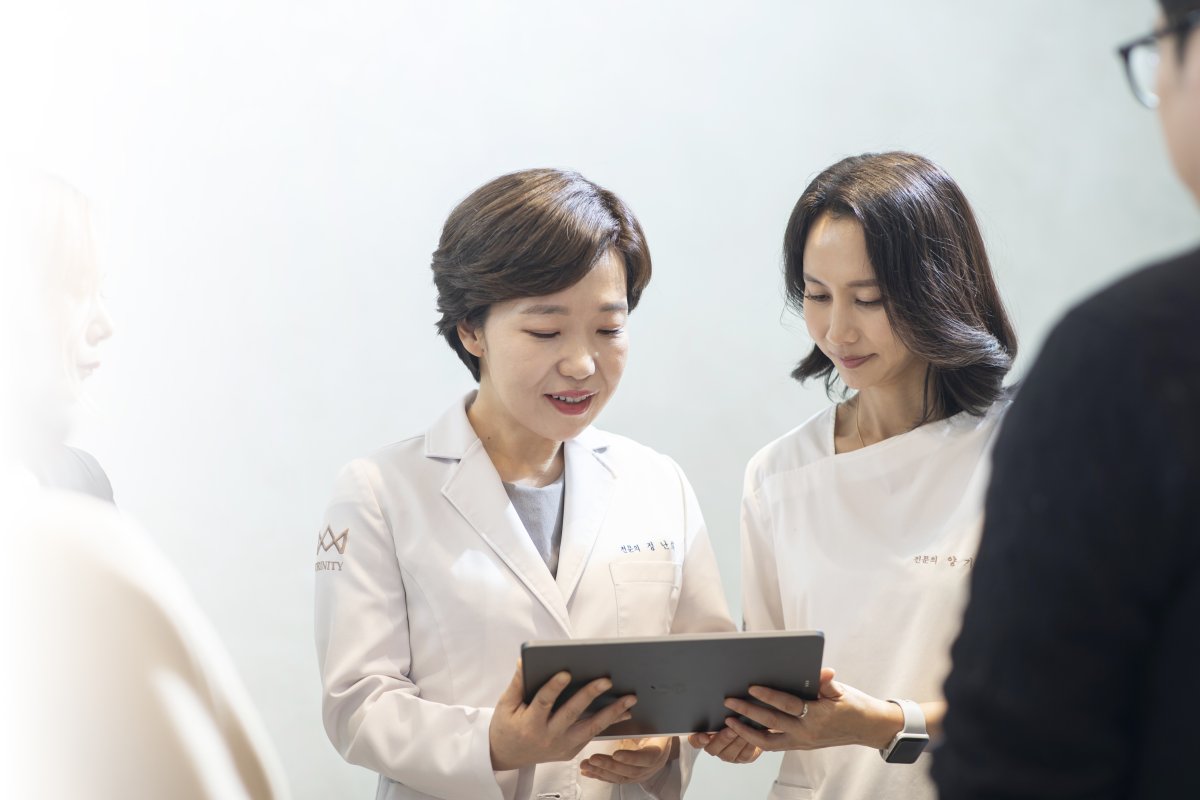
La Dra. Ki Yeol Yang, MD, PhD, es fundadora y directora representante de Trinity Women’s Clinic. Es especialista en menopausia y pionera en ginecología mínimamente invasiva con preservación uterina. Es obstetra y ginecóloga con certificación oficial en Corea y especialista en menopausia certificada (Korean Menopause Society). Su práctica, respaldada por decenas de miles de casos clínicos, ofrece terapia de reemplazo hormonal (TRH) individualizada y atención de precisión.

Cuenta con experiencia en HIFU y RFA para miomas y adenomiosis, rejuvenecimiento vaginal con láser y reconstrucción funcional del suelo pélvico. Es profesora clínica en el Centro Médico de la Universidad Kyung Hee. Se desempeña como directora de Asuntos Académicos de la Korean Medical Practitioners’ Association y como directora de Negocios de la Korean Therapeutic Ultrasound Medical Association. También es autora de una guía para pacientes sobre la menopausia.

verificado

Jung Nan Hee

26 años de experiencia

Fundadora de Trinity Women’s Clinic. Reconocida como Master Surgeon en ginecología mínimamente invasiva y cirugía estética femenina. Pionera en tratamientos sin cicatrices y con preservación uterina mediante RFA, HIFU y escleroterapia ovárica.

Profesora de Cirugía Plástica Femenina no quirúrgica en IFAAS. Dirige clases magistrales internacionales de RFA en Taiwán y Mongolia. Directora de Asuntos Generales en la Sociedad Coreana de HIFU. Ocupa cargos directivos en KMPA, KCOG y la Sociedad Coreana de Ultrasonido Terapéutico.

MD/PhD por la Universidad de Corea. Fellowship en Oncología Ginecológica en el Centro Médico de la Universidad de Corea. Formación en HIFU en la Universidad de Fudan. Estancia formativa en la Universidad de Uppsala. Exejecutiva de Asuntos Médicos en MSD, Takeda y Novo Nordisk. Key Doctor y consultora de Bayer, Novo Nordisk, PharmaResearch y RF Medical. Miembro de AACR e IGCS. Asesora médica en Channel A y TV Chosun.

verificado

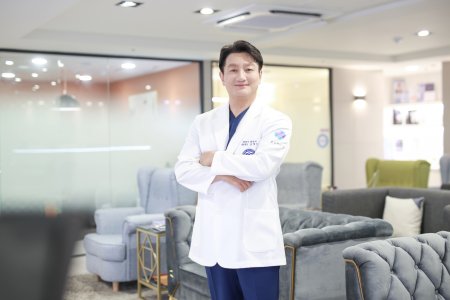
Heeseok Kang

27 años de experiencia

El Dr. Kang ha realizado más de 2,012 histerectomías vaginales asistidas por laparoscopia en el Samsung Medical Center, uno de los mejores hospitales de Corea.

  • Profesor adjunto en el Samsung Medical Center con más de 20 años en ginecología
  • Pionero en cirugía laparoscópica de puerto único con investigaciones publicadas
  • Galardonado con el Premio a la Tesis Destacada de la Sociedad Coreana de Oncología Ginecológica
  • Especialista en técnicas mínimamente invasivas para miomas y endometriosis
Дарья • Esterilidad
Federación de Rusia
22 may 2019
Reseña verificada.
"Las pruebas se tomaron de inmediato"
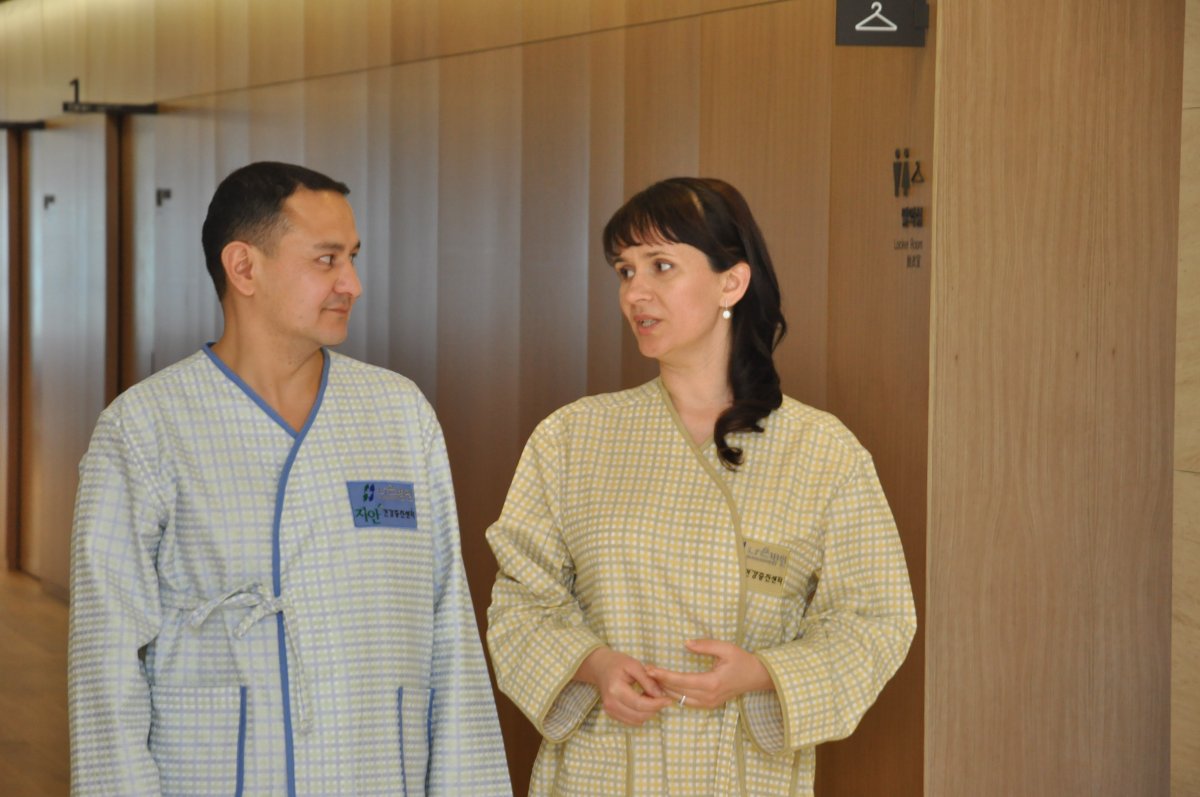
Nos recibieron dos chicas, traductoras, muy amables. El esposo fue examinado, las pruebas se tomaron de inmediato. Como se suponía que los resultados estarían listos solo en una semana, pagamos otra consulta con un médico, que fue atendida por un traductor en lugar de nosotros. Los resultados se retrasaron un par de días. En general, la impresión de visitar la clínica fue positiva.
Acerca del servicio de Bookimed
¡Bien hecho chicas! ¡Muchas gracias por su ayuda!
Pauline • Histeroscopia
Singapur
26 dic 2019
Reseña verificada.
El idioma es un problema y no hay muchos consejos de consulta.

Artículos relacionados

Compartir contenido

Historias en video de pacientes de Bookimed

Dayana
Combiné mis vacaciones en Antalya con un chequeo médico.
Procedimiento: Chequeo femenino
Igor
¡Fue genial! Traslados, alojamiento, tratamiento, todo incluido.
Procedimiento: Implante dental
Clínica: WestDent Clinic
Marina
Bookimed se encargó de todo. No tuve que preocuparme por nada.
Procedimiento: Chequeo femenino
Actualizado: 12/26/2019
Escrito por
Olena Sikoza
Olena Sikoza
Сopywriter en español
Copywriter médica certificada responsable del contenido en español de Bookimed. Más de 7 años de experiencia en redacción sobre salud y turismo médico, con formación académica en edición científica y desarrollo de contenidos.
Esra Cabuk Comert
Especialista en fertilidad
La Dra. Esra Cabuk Comert es obstetra y ginecóloga. Se especializa en FIV, estética vaginal y cirugías laparoscópicas, habiendo manejado más de 20,000 casos. La Dra. Comert está certificada en Cirugía Estética Genital por la Asociación Europea de Medicina y Cirugía Estética. También posee certificaciones en Laparoscopia Ginecológica y Histeroscopia, ambas aprobadas por el Ministerio de Salud de Turquía.
Esra Cabuk Comert Linkedin
Esta página puede incluir información relacionada con diversas afecciones médicas, tratamientos y servicios de salud disponibles en diferentes países. Tenga en cuenta que el contenido se proporciona sólo con fines informativos y no debe interpretarse como asesoramiento médico o orientación. Por favor consulte con su médico o con un profesional médico calificado antes de comenzar o cambiar el tratamiento médico.

Preguntas frecuentes sobre Obstetricia y Ginecología en Corea del Sur

Estas preguntas frecuentes provienen de pacientes reales que buscan atención médica a través de Bookimed. Las respuestas son proporcionadas por coordinadores médicos experimentados y representantes autorizados de las clínicas.

How safe are elective cosmetic gynecologic procedures such as labiaplasty and vaginoplasty in Korea?

Elective cosmetic gynecologic procedures in South Korea are safe due to high medical standards and specialized certifications. Surgeons at clinics like Trinity Women's Clinic often hold PhDs and Master Surgeon status. Facilities use advanced technologies like laser rejuvenation and robotic systems to ensure precision and minimal scarring.

  • Specialized expertise: Dr. Jung Nan Hee is a pioneer in scar-less aesthetic design at Trinity Women's Clinic.
  • Hospital volume: Seoul Miz Hospital treats 200,000 patients annually and has performed 5,000+ incontinence surgeries.
  • Advanced technology: Leading clinics utilize High-Intensity Focused Ultrasound (HIFU) and Radiofrequency Ablation for non-surgical rejuvenation.
  • Strict accreditation: Hospitals like Samsung Medical Center and Ewha Womans University Medical Center hold KOIHA accreditation.

Bookimed Expert Insight: Data shows a strong correlation between high patient volume and specialized safety features in Seoul. For example, Seoul Miz Hospital performs over 10,000 gynecological treatments and provides specialized post-operative care including hyperbaric oxygen therapy and nutritionist-designed meals. These recovery-focused amenities are more common in high-volume Korean centers than in smaller international clinics.

Patient Consensus: Patients note that procedures like labiaplasty are straightforward with minimal scarring, but emphasize the importance of having a dedicated English-speaking coordinator. One patient highlighted that while medical tests are efficient, results can occasionally take longer than a week to finalize.

How does South Korea ensure the safety and quality of obstetric and gynecologic care for international patients?

South Korea ensures obstetric and gynecologic safety through mandatory Ministry of Health and Welfare registration and specialized KAHF accreditation. Facilities must maintain specialist oversight and strict infection control. Leading hospitals use Da Vinci robotic systems and provide compulsory medical malpractice insurance for international patients.

  • Government accreditation: KAHF evaluates facilities across 149 safety and service quality items.
  • Specialized technology: Centers like Seoul Miz Hospital use Da Vinci systems for precision.
  • Legal protection: Registered institutions must carry malpractice insurance to protect non-resident patients.
  • Expert oversight: Surgeons like Dr. Yeoun E Park have performed 10,000+ successful treatments.

Bookimed Expert Insight: Quality often correlates with hospital volume and specialized focus. Seoul Miz Hospital handles 200,000 patients annually and reports over 10,000 successful fibroid cases. This high volume allows clinics to bundle 7–10 days of hotel stay into surgery packages. Always check if a private room and nutritionist-prepared meals are included in your recovery plan.

Patient Consensus: Patients value having friendly translators who can attend follow-up consultations on their behalf. They note it's important to confirm the hospital has a dedicated international department to avoid language barriers during medical advice.

What are the most commonly sought obstetric and gynecologic procedures by medical tourists in South Korea?

Medical tourists in South Korea primarily seek high-success fertility treatments, robotic-assisted surgeries for fibroids, and cosmetic gynecology. Precision technologies like the Da Vinci Surgical System and HIFU (High-Intensity Focused Ultrasound) define the local standard. Leading JCI-accredited centers in Seoul report exceptional survival rates for gynecologic cancers.

  • Fertility treatments: IVF and embryo transfer achieve success rates 8–10% higher than European averages.
  • Minimally invasive surgery: Laparoscopic and robotic myomectomy for fibroids typically require only 4 hospital days.
  • Cosmetic gynecology: Specialized clinics focus on labiaplasty, vaginoplasty, and non-surgical laser vaginal rejuvenation.
  • Uterine preservation: Technologies like MRgFUS and RFA treat adenomyosis without requiring traditional major surgery.

Bookimed Expert Insight: Data from Seoul Miz Hospital reveals a high-volume efficiency pattern that benefits international patients. With over 10,000 successful fibroid and cyst treatments performed, these specialized centers often bundle post-operative perks like hyperbaric oxygen therapy and professional hair care into surgical packages. This level of service is rarely found in general hospitals and significantly eases the immediate recovery period for travelers.

Patient Consensus: Patients note that while surgical outcomes are excellent, it is vital to have local follow-up care arranged at home. Many find that physical recovery is fast, but communicating complex post-op questions from abroad can be challenging without a dedicated coordinator.

What is the typical recovery timeline and post-operative care protocol following laparoscopic gynecologic surgery in South Korea?

Laparoscopic gynecologic surgery in South Korea typically involves a 1 to 4 day hospital stay. Patients usually return to light activities within 1 week. Full recovery for major procedures like a hysterectomy takes 4 to 6 weeks. High-tech centers like Samsung Medical Center use minimally invasive robotic systems.

  • Initial mobilization: Patients start light walking within 6 to 24 hours to prevent clots.
  • Activity timeline: Most patients return to sedentary desk jobs within 7 to 10 days.
  • Physical restrictions: Avoid heavy lifting and swimming for 3 to 6 weeks after surgery.
  • Follow-up care: A primary check-up occurs within 7 days for wound monitoring and results.

Bookimed Expert Insight: South Korean clinics like Seoul Miz Hospital emphasize recovery through specialized amenities. Their packages often include nutritionist-prepared meals and unique post-op services like hair washes in a Beauty Club. This focus on comfort helps patients manage the 4-day hospital stay common in specialized Korean maternity hospitals. Choosing a facility with over 10,000 successful cases ensures the clinical team is highly efficient with these protocols.

Patient Consensus: Patients note that hospitals encourage walking almost immediately after waking up. Many find using translation apps helpful for daily communication, as doctors prioritize quick physical rehabilitation over lengthy bedside consultations.

Who is an ideal candidate for minimally invasive myomectomy in South Korea, and what factors exclude a patient?

Ideal candidates for minimally invasive myomectomy in South Korea include women with symptomatic fibroids who wish to preserve fertility. This approach is best for patients with fewer than 10 fibroids under 10 cm in size. Robotic systems like Da Vinci offer enhanced precision for complex cases.

  • Uterine preservation: Patients must prioritize keeping the uterus for future pregnancy or personal preference.
  • Fibroid specifications: Intramural or subserosal types under 10 cm are typically eligible for laparoscopy.
  • Clinical exclusion: Extensive fibroid burden exceeding 10 myomas often requires traditional open surgery.
  • Health contraindications: Suspected malignancy or severe heart and kidney disease exclude minimally invasive options.

Bookimed Expert Insight: High-volume centers in Seoul, such as Seoul Miz Hospital, have performed over 10,000 successful treatments. Our data shows these specialized clinics often bundle advanced diagnostics like CT scans and AMH fertility tests into a single pre-operative day. This efficiency is critical for international patients who need to confirm candidacy quickly before surgery.

Patient Consensus: Patients emphasize getting an MRI before traveling to confirm the exact number and location of fibroids. They note that even ideal cases should discuss the possibility of switching to open surgery with their surgeon.

What kind of interpreter, concierge, and accommodation support can international obstetric patients expect during their stay in Seoul?

International obstetric patients in Seoul receive comprehensive support through dedicated medical interpreters and high-end concierge services. Major facilities provide on-site language assistance and VIP logistics. Premium packages often bundle airport limousine transfers with luxury accommodations in private suites or coordinated hotel stays.

  • Language support: Staffed interpreters or multilingual apps provide real-time translation during consultations and labor.
  • Concierge logistics: Services include airport-to-clinic limousine transfers and assistance with medical documentation.
  • Accommodation types: Options range from private VVIP hospital suites to coordinated 7–10 day hotel stays.
  • Recovery amenities: Premium facilities like Seoul Miz Hospital offer nutritionist-prepared meals and post-surgery beauty care.

Bookimed Expert Insight: Data shows that clinics with high international volumes, like Seoul Miz Hospital, often include 7 to 10 days of hotel accommodation in their surgical packages. This is a significant advantage over larger general hospitals where patients must typically arrange external housing independently. These specialized clinics also provide unique recovery benefits like hyperbaric oxygen therapy and nutritionist-led meal plans that cater specifically to post-operative or postpartum needs.

Patient Consensus: Patients note that having friendly, dedicated translators present for every appointment makes the process seamless. Some mention that while language barriers can occur in larger centers, specialized women's hospitals feel like a VIP experience with very attentive personal support.

How long should an international patient plan to stay in South Korea for a medically indicated Cesarean section?

International patients should plan for a 14 to 21 day stay in South Korea for a Cesarean section. This timeframe includes a 3 to 5 day hospital stay and 10 to 14 days of recovery. Patients must receive medical clearance before clearing the risk of post-surgical blood clots.

  • Pre-operative prep: Arrive 5 to 7 days before surgery for final consultations and imaging.
  • Hospital duration: Standard inpatient care typically lasts 3 to 5 days for monitoring.
  • Post-op check: Schedule wound checks and suture removal between day 7 and 10.
  • Flight clearance: Surgeons recommend waiting 14 days post-surgery to minimize deep vein thrombosis risks.

Bookimed Expert Insight: While many focus on the surgery, the local 180-bed Seoul Miz Hospital manages over 200,000 patients annually by integrating specialized recovery services. High-volume centers often provide in-house nutritionists and 24-hour nursing care. Choosing a facility with integrated postpartum support can streamline your recovery timeline from weeks to days.

Patient Consensus: Patients note that having a support person present for the full 4-week period is essential. They also emphasize that results and follow-up documents may take a few extra days to process before departure.

Is it easy to find English-speaking OB-GYN doctors in Korea?

Finding English-speaking OB-GYN doctors in South Korea is highly accessible in Seoul, Busan, and Incheon. Major JCI-accredited institutions like Severance Hospital and Samsung Medical Center maintain dedicated international clinics. These centers provide fluent coordinators to bridge communication during complex gynecological procedures and prenatal care.

  • Specialized centers: Seoul Miz Hospital serves 200,000 annual patients with English language assistance.
  • Expert credentials: Dr. Yeoun E Park has performed 10,000+ successful fibroid and cyst treatments.
  • Advanced technology: Top facilities utilize the Da Vinci Surgical System for minimally invasive robotic operations.
  • Global standards: Samsung Medical Center and Severance Hospital consistently rank in Newsweek World's Best Hospitals.

Bookimed Expert Insight: While large university hospitals offer high-level English support, they often handle extreme patient volumes, sometimes exceeding 2,100,000 annually. For routine care or non-surgical treatments like HIFU, specialized smaller clinics in Seoul often provide more personalized attention. These boutique facilities frequently include luxury perks like nutritionist-prepared meals or private VVIP suites in their international packages.

Patient Consensus: Patients note that while coordinators are usually fluent, some doctors at larger centers may still have limited conversational English. Bringing a translation app for specific medical terms helps clarify nuances during sensitive exams or when discussing prescriptions.

What are `Sanho-joriwons` and how do they support postpartum recovery?

Sanho-joriwons are specialized South Korean postpartum centers providing clinical and hospitality-based care for mothers and newborns. These facilities emphasize maternal recovery through professional nursing, traditional thermal therapy, and nutritional support. Most stays last 2 to 4 weeks during the critical neonatal period.

  • Professional nursery care: Registered nurses provide 24/7 newborn monitoring, diapering, and medical observation.
  • Maternal recovery: Centers offer specialized massages, sitz baths, and thermal therapy to reduce swelling.
  • Nutritional support: Dietitians provide iron-rich meals, traditionally including seaweed soup to support lactation.
  • Parental education: Staff conduct hands-on training for breastfeeding, infant bathing, and basic pediatric care.

Bookimed Expert Insight: Language accessibility is a key differentiator in Seoul for international patients. While Samsung Medical Center and Severance Hospital handle massive patient volumes, specialized centers like Seoul Miz Hospital and Ewha Womans University Medical Center specifically bundle language assistance and private rooms. If you do not speak Korean, prioritize facilities that formally include translation services in their recovery packages to ensure clear communication with nursing staff.

Patient Consensus: Patients note these centers are an essential investment for resting while staff handle early morning feedings. Many recommend booking during the first trimester because the most popular facilities fill up months in advance.

How frequently are ultrasounds performed during pregnancy in Korea?

Pregnant women in Korea typically receive 7 to 17 ultrasounds. This frequency far exceeds typical Western standards of 1–2 scans. Clinics often perform a scan at every prenatal visit. These occur monthly in early pregnancy and weekly toward the final term.

  • First trimester: Scans occur monthly to confirm pregnancy and perform nuchal translucency screenings.
  • Second trimester: Monthly visits include detailed level 2 anatomy scans for fetal organ checks.
  • Third trimester: Frequency increases to every 2 weeks and then weekly before the birth.
  • Specialty scans: Many private clinics offer 3D or 4D keepsake imaging as routine services.

Bookimed Expert Insight: High-volume centers like Seoul Miz Hospital, which performs 200,000 annual consultations, often bundle ultrasounds into comprehensive packages. Choosing a dedicated women's hospital over a general one can provide more specialized technology, like the Da Vinci systems used by Dr. Yeoun E Park. Check if your clinic includes these frequent scans in their base pregnancy follow-up price of $1,900 to $3,400.

Patient Consensus: Patients note that private clinics often perform scans every 2 weeks. They recommend bringing a translation app as language barriers can sometimes limit detailed medical advice during these frequent appointments.

Can I choose the gender of my OB-GYN when booking an appointment?

Patients can choose the gender of their OB-GYN in South Korea by selecting specific specialists during booking. Many private facilities like Seoul Miz Hospital and Trinity Women's Clinic feature prominent female leads. Requesting a female provider (yeo-uisa) is a standard practice across Korean women's health centers.

  • Provider selection: Patients can book specifically with female experts such as Dr. Yeoun E Park.
  • Specialized clinics: Ewha Womans University Medical Center is a dedicated facility serving only female patients.
  • Booking methods: Specifying gender preferences during initial coordination helps secure your preferred specialist's schedule.
  • Facility types: Private clinics in Seoul offer more gender-specific flexibility than large public hospitals.

Bookimed Expert Insight: Data shows a strong trend where specialized women's centers in Seoul, such as Trinity Women's Clinic, are often founder-led by female MDs like Dr. Jung Nan Hee. While large multidisciplinary centers like Severance Hospital have high patient volumes, choosing smaller, specialized clinics typically guarantees more consistent access to female-led surgical teams.

Patient Consensus: Patients note that while male doctors are common in university hospitals, they often prefer private clinics for a guaranteed female physician. Many suggest explicitly asking for a nurse to be present during exams if a male doctor is assigned.

Pedir una consulta gratis

Seleccione la mejor manera de contactarle